

 Предпросмотр
 Поделиться
 Поделиться
 Детали произведения

 Скачать
 Похожие работы
 Рентгенография
 Слайд-шоу
 Статистика
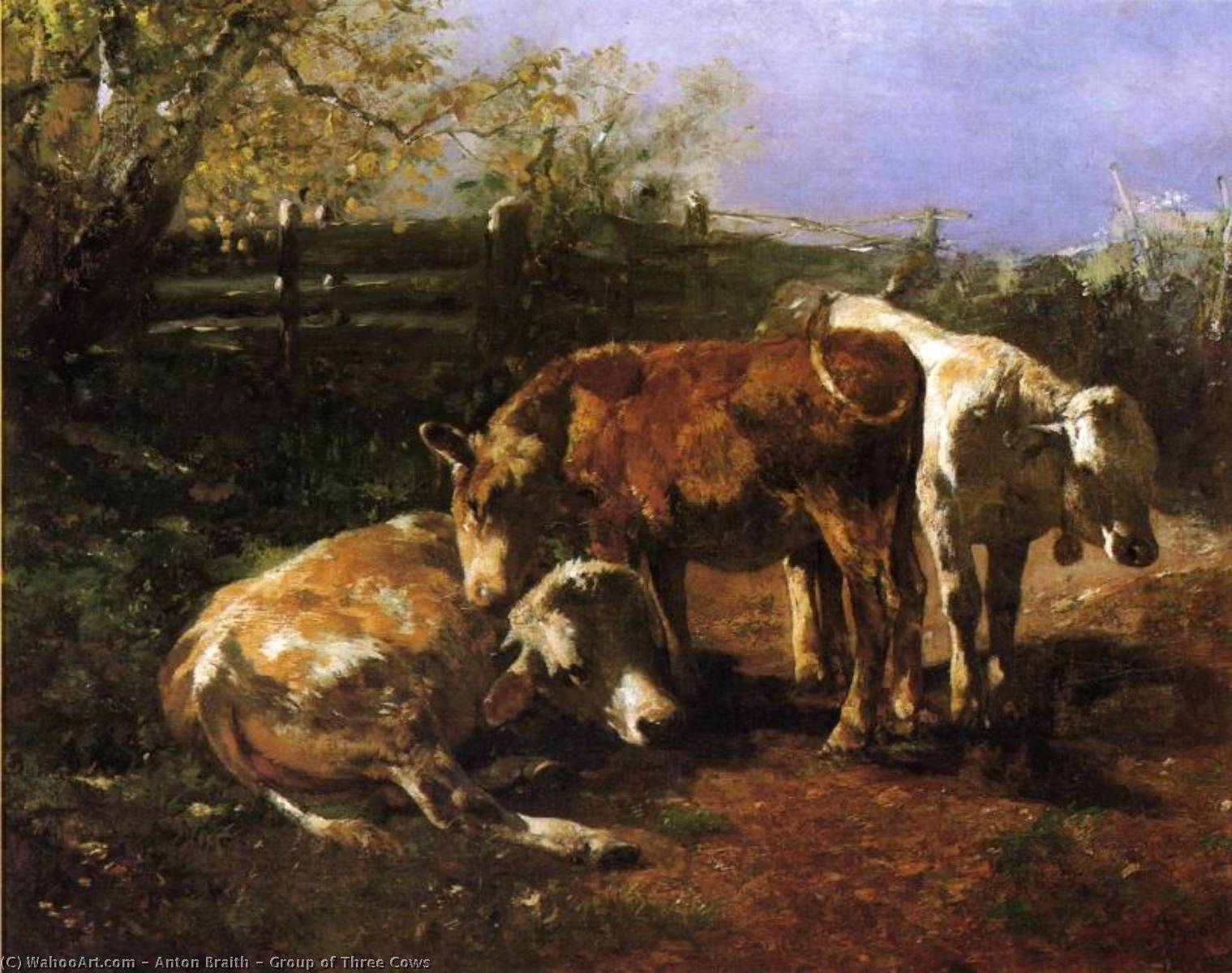
Group of Three Cows
 43.0 x 56.0 cm
 Читать далее
Приобретите цифровое изображение высокого разрешения в улучшенном качестве, которое значительно превосходит онлайн-превью.
Каждый файл тщательно подготавливается нашими специалистами с использованием передовых инструментов и экспертной ручной ретуши. Мы гарантируем исключительную четкость, точную цветопередачу и детальную проработку каждого изображения.
Финальный файл доставляется по электронной почте в течение 72 часов и оптимизирован для немедленного использования в профессиональной среде, при верстке и печати. Это тот же уровень качества, которому доверяют ведущие дизайнерские студии, издательства и галереи.
Цифровое изображение
Скачайте файл высокого разрешения для личного использования, печати и творческих проектов. ( Перейти к печати Купить картину ручной работы)
Включено в каждый заказ цифровых изображений
Гарантия экспертной цифровой доставки
Выбирая ArtsDot.com, вы получаете не просто изображение — вы приобретаете профессионально обработанное цифровое произведение искусства, созданное с безупречной точностью и под защитой гарантии качества. Вот всё, что автоматически входит в ваш заказ:

Мгновенная доставка по e-mail
Ваш цифровой файл в высоком разрешении будет отправлен вам по электронной почте в течение 72 часов после оформления заказа — и сразу станет доступен для использования.

Цифровой файл с ИИ-улучшением
Ваше произведение искусства проходит профессиональную оптимизацию с использованием передовых инструментов ИИ и ручной обработки, что гарантирует максимальную детализацию, четкость и точность цветопередачи.

Бессрочная бесплатная повторная доставка
Случайно удалили или потеряли файл? Не беспокойтесь — мы отправим его вам повторно в любое время и совершенно бесплатно.

Без импортных пошлин — навсегда
Наслаждайтесь вашим произведением искусства мгновенно без таможенных пошлин, сборов или затрат на доставку — цифровые загрузки всегда не облагаются налогом.

Гарантия точности цветопередачи
Мы гарантируем, что ваше цифровое изображение максимально точно передает оригинальные цвета благодаря использованию профессиональных инструментов и систем управления цветом.

Гарантия удовлетворенности 100 дней
Если вы не будете удовлетворены своим цифровым изображением, мы внесем правки или вернем 100% стоимости в течение 100 дней — без лишних вопросов.

100% Гарантия возврата средств
Не удовлетворены покупкой? Получите полный возврат средств в течение 100 дней после получения цифрового файла — без лишних вопросов.

Скидки на оптовые заказы
Купите 3 изображения, сэкономьте 10% — Купите 5, сэкономьте 15% — Купите 10+, сэкономьте 20%. Отличное решение для творческих проектов, галерей и агентств.
Похожие произведения








Биография художника
The Pastoral Soul of Anton Braith
Anton Braith (1836 – 1905) stands as a singular figure in German landscape painting, particularly celebrated for his monumental depictions of livestock—a genre he pioneered and elevated to unprecedented artistic stature. Born into humble circumstances in Biberach an der Riß, the son of a day laborer who transitioned to farm management, Braith’s early life instilled within him an intimate connection with the rural world. As a child, he helped herd cattle, an experience that would profoundly inform his artistic vision and serve as the emotional bedrock for his oeuvre. His work is characterized by a palpable yearning for simpler times and a deep reverence for the pastoral landscape, capturing a sense of nostalgia that resonated deeply within a Germany undergoing rapid industrialization.
His formal training commenced at the Royal Art School in Stuttgart under the guidance of Bernhard von Neost and Heinrich von Rustige. It was here that he honed the foundational skills that would allow him to blend realism with expressive brushwork. During this formative period, the influence of Friedrich Reinhold Wraake, a prominent German Romantic painter, can be discerned in Braith's early works, reflecting the pervasive aesthetic currents of his era. In 1851, his talent was recognized through a scholarship, propelling him toward a professional path alongside contemporaries such as Albert Kappis and Christian Mali. These artists would become lifelong companions, forming a tight-knit circle that moved to Munich in 1860, where they became central figures in the vibrant local art colonies.
A Master of Animal Majesty
Braith’s contribution to the Munich School was nothing short of revolutionary. Following the death of Friedrich Voltz, Braith was widely considered the greatest painter of animals in Germany. While many of his peers focused on traditional landscapes, Braith sought to portray livestock—cows, calves, and poultry—in large-format, studio-style compositions. This approach transformed animal portraiture from mere decorative subject matter into a profound exploration of presence and dignity. His ability to capture the weight, texture, and quiet majesty of cattle allowed him to create works that felt both monumental and deeply intimate.
The evolution of his style can be viewed through several distinct phases:
- Early Period (1851–1860): Characterized by idyllic landscape scenes and the foundational influence of Romanticism.
- Mature Development: A period marked by his move to Munich, where he embraced a more robust realism and began experimenting with larger scales.
- Late Mastery: A phase where his works achieved their most iconic status, blending technical precision with an evocative, nostalgic atmosphere.
His travels also played a significant role in enriching his palette and perspective. In 1867, alongside Kappis and Mali, he traveled to Paris, exposing him to the shifting tides of European art. Later, trips to Italy in the 1880s provided new light and classical influences that breathed fresh life into his compositions. Despite the rise of the Munich Secession in 1892, Braith remained a steadfast loyalist to the Academy, where he eventually served as a professor, passing his mastery down to the next generation of German painters.
Legacy and the Braith-Mali Museum
The historical significance of Anton Braith lies not only in his canvases but in his enduring commitment to his roots. Having never married, Braith left his estate to his home city of Biberach. This generous bequest allowed for the creation of a museum that preserves the memory of both himself and his friend Christian Mali. Today, the Braith-Mali Museum stands as a testament to their shared legacy, housing their beautifully preserved artist studios—the only completely intact 19th-century studios of their kind still in existence.
Beyond the museum, Braith's impact is felt in the way he bridged the gap between the humble reality of rural life and the high art of the Academy. His paintings serve as a window into a vanishing world, offering a sanctuary of peace and stability through his monumental depictions of livestock. Through his brush, the simple act of grazing in a meadow becomes an epic narrative of nature's enduring grace, ensuring his place in the pantheon of great German masters.
anton braith
1836 - 1905
Основные сведения
- Artistic Movement Or Style: Munich School
- Artists Or Movements Influenced By This Artist: ['Christian Mali']
- Artists Who Influenced This Artist:
- Bernhard von Neher
- Heinrich von Rustige
- Date Of Death: 1905
- Full Name: Anton Braith
- Nationality: German
- Notable Artworks: ['Livestock Paintings']
- Place Of Birth: Munich, Germany