


 Предпросмотр
 Поделиться
 Поделиться
 Детали произведения

 Скачать
 Похожие работы
 Рентгенография
 Слайд-шоу
 Статистика
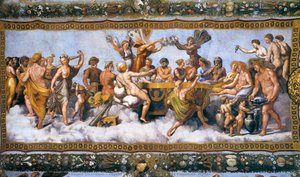
Medici villa at Poggio a Caiano
 Читать далее
Приобретите цифровое изображение высокого разрешения в улучшенном качестве, которое значительно превосходит онлайн-превью.
Каждый файл тщательно подготавливается нашими специалистами с использованием передовых инструментов и экспертной ручной ретуши. Мы гарантируем исключительную четкость, точную цветопередачу и детальную проработку каждого изображения.
Финальный файл доставляется по электронной почте в течение 72 часов и оптимизирован для немедленного использования в профессиональной среде, при верстке и печати. Это тот же уровень качества, которому доверяют ведущие дизайнерские студии, издательства и галереи.
Цифровое изображение
Скачайте файл высокого разрешения для личного использования, печати и творческих проектов. ( Перейти к печати Купить картину ручной работы)
Включено в каждый заказ цифровых изображений
Гарантия экспертной цифровой доставки
Выбирая ArtsDot.com, вы получаете не просто изображение — вы приобретаете профессионально обработанное цифровое произведение искусства, созданное с безупречной точностью и под защитой гарантии качества. Вот всё, что автоматически входит в ваш заказ:

Мгновенная доставка по e-mail
Ваш цифровой файл в высоком разрешении будет отправлен вам по электронной почте в течение 72 часов после оформления заказа — и сразу станет доступен для использования.

Цифровой файл с ИИ-улучшением
Ваше произведение искусства проходит профессиональную оптимизацию с использованием передовых инструментов ИИ и ручной обработки, что гарантирует максимальную детализацию, четкость и точность цветопередачи.

Бессрочная бесплатная повторная доставка
Случайно удалили или потеряли файл? Не беспокойтесь — мы отправим его вам повторно в любое время и совершенно бесплатно.

Без импортных пошлин — навсегда
Наслаждайтесь вашим произведением искусства мгновенно без таможенных пошлин, сборов или затрат на доставку — цифровые загрузки всегда не облагаются налогом.

Гарантия точности цветопередачи
Мы гарантируем, что ваше цифровое изображение максимально точно передает оригинальные цвета благодаря использованию профессиональных инструментов и систем управления цветом.

Гарантия удовлетворенности 100 дней
Если вы не будете удовлетворены своим цифровым изображением, мы внесем правки или вернем 100% стоимости в течение 100 дней — без лишних вопросов.

100% Гарантия возврата средств
Не удовлетворены покупкой? Получите полный возврат средств в течение 100 дней после получения цифрового файла — без лишних вопросов.

Скидки на оптовые заказы
Купите 3 изображения, сэкономьте 10% — Купите 5, сэкономьте 15% — Купите 10+, сэкономьте 20%. Отличное решение для творческих проектов, галерей и агентств.
Похожие произведения


Биография художника
A Life in Late Baroque Florence
Anton Domenico Gabbiani, born in Florence on February 13th, 1652, and passing away there in 1726, stands as a compelling figure within the artistic landscape of late Baroque Italy. His career unfolded almost entirely under the patronage of the Medici court, shaping not only his stylistic development but also the very themes that permeated his work. Gabbiani’s journey began with a solid foundation in Florentine painting traditions; he first apprenticed under Justus Sustermans, a prominent portraitist favored by the Medici family. This early exposure instilled within him an understanding of aristocratic expectations and the formal demands of courtly representation. He continued to refine his skills studying with Vincenzo Dandini, further honing his technical abilities before embarking on a pivotal period in Rome.Roman Studies and the ‘Cortoneschi’
In 1673, Gabbiani journeyed to Rome, immersing himself within the vibrant artistic milieu of the Medici-sponsored Accademia Fiorentina. Here, he came under the tutelage of Ciro Ferri and Ercole Ferrata, masters who profoundly influenced his aesthetic sensibilities. This period proved crucial in aligning him with the “Cortoneschi,” a group of artists deeply inspired by the grand manner of Pietro da Cortona. Cortona’s dynamic compositions, dramatic use of light and shadow, and allegorical narratives became central to Gabbiani's artistic vocabulary. A subsequent sojourn to Venice between 1678 and 1679, working within Sebastiano Bombelli’s studio, broadened his horizons further. The Venetian influence likely contributed to a greater attention to detail and subtle color harmonies that would later characterize his paintings. This period of diverse training laid the groundwork for Gabbiani's emergence as an independent artist upon his return to Florence in 1680.Patronage, Frescoes, and Artistic Flourishing
Back in Florence, Gabbiani quickly established himself, securing patronage from Grand Prince Ferdinando de’ Medici—a relationship that proved instrumental to his artistic growth. Portraiture became a significant aspect of his practice; he possessed an ability to capture not only the likenesses of his subjects but also their status and personality within the Baroque conventions of elegance and grandeur. A notable example is the portrait of Grand Prince Ferdinando surrounded by musicians, now housed in the Pitti Palace, which exemplifies this skill. However, it was Gabbiani’s fresco work that truly showcased his mastery. The *Apotheosis of Cosimo il Vecchio*, adorning the ceiling of the Sala da Pranzo at Villa di Poggio a Caiano, demonstrated his command of large-scale composition and narrative storytelling through painting. Yet, his most celebrated achievement remains the frescoes within the Palazzina Meridiana adjacent to the Pitti Palace and Boboli Gardens.The Palazzina Meridiana: A Synthesis of Art and Science
These complex allegorical scenes, depicting Time raising Arts and Sciences to glory, represent a remarkable synthesis of Baroque theatricality and scientific inquiry. The frescoes are not merely decorative; they reflect the intellectual currents of the time, particularly the Medici family’s continued interest in scientific advancements. Intriguingly, Gabbiani included a portrait resembling Galileo Galilei within this context—a subtle yet powerful gesture acknowledging the legacy of one of Italy's most important scientists and hinting at the artist’s own engagement with contemporary thought. The Palazzina Meridiana frescoes are testament to his ability to create visually compelling narratives that resonated with both artistic and intellectual audiences. Beyond these grand commissions, Gabbiani also produced religious works, including an *Annunciation* for the Pitti Palace and *St. Francis de Sales in Glory* for the church of Santi Apostoli, demonstrating his versatility as a painter.Legacy and Historical Significance
Anton Domenico Gabbiani’s career embodies the flourishing of Baroque art in Florence during the late 17th and early 18th centuries. His success in securing patronage from the powerful Medici family underscores his artistic standing within Florentine society. He trained numerous pupils, including Giovanna Fratellini and Ignazio Enrico Hugford, ensuring the continuation of artistic traditions within Florence. While perhaps not as widely recognized today as some of his contemporaries, Gabbiani remains an important figure in the history of Florentine Baroque art—a skilled artist who seamlessly blended established conventions with emerging intellectual currents, leaving behind a legacy of captivating frescoes and elegant portraits that continue to inspire admiration.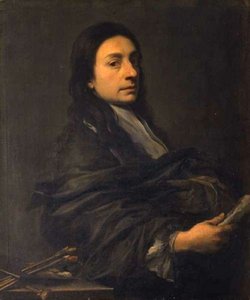
Anton Domenico Gabbiani
1652 - 1726 , Italy
Основные сведения
- Artistic Movement Or Style: Late Baroque
- Artists Or Movements Influenced By This Artist:
- Giovanna Fratellini
- Ignazio Enrico Hugford
- Artists Who Influenced This Artist:
- Pietro da Cortona
- Ciro Ferri
- Ercole Ferrata
- Sebastiano Bombelli
- Date Of Birth: February 13, 1652
- Date Of Death: November 22, 1726
- Full Name: Anton Domenico Gabbiani
- Nationality: Italian
- Notable Artworks:
- Apotheosis of Cosimo il Vecchio
- Palazzina Meridiana Frescoes
- Portrait of Ferdinando de' Medici
- Annunciation
- St. Francis de Sales in Glory
- Place Of Birth: Florence, Italy