

 Предпросмотр
 Поделиться
 Поделиться
 Детали произведения

 Скачать
 Похожие работы
 Рентгенография
 Слайд-шоу
 Статистика
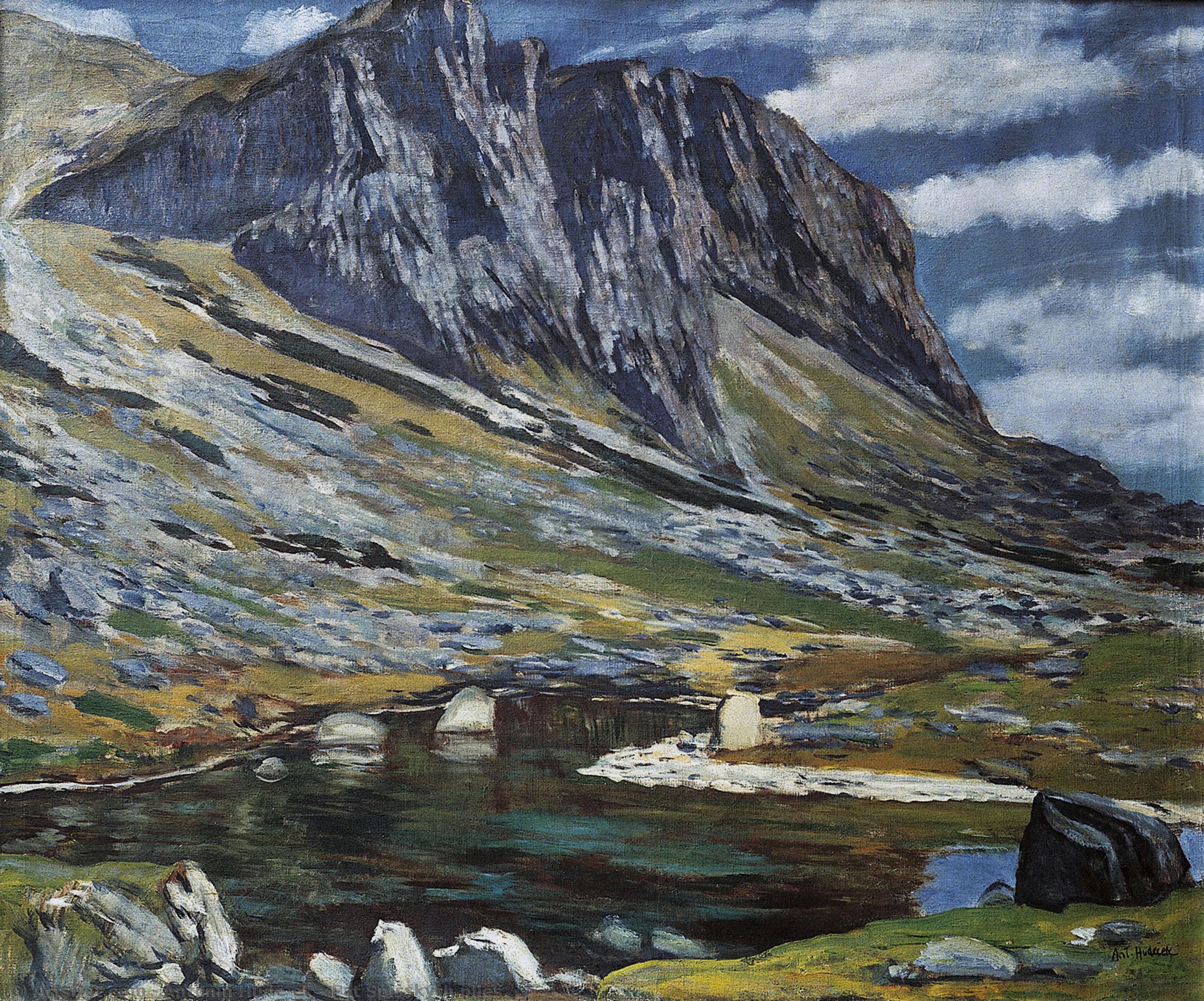
Päť Spišských plies
 120.0 x 100.0 cm
 Tatra Gallery
 Читать далее
Масляная репродукция ручной работы
Картина маслом на холсте в выбранном вами размере и раме, написанная на заказ нашими художниками. ( Перейти к печати Перейти к цифровым изображениям)




































Выберите один из наших стандартных размеров, соответствующих оригинальным пропорциям произведения искусства.

Вы можете указать собственные размеры, чтобы картина идеально вписалась в выбранную раму или пространство. Если выбранный вами размер не соответствует пропорциям оригинала, мы либо обрежем полотно, либо расширим его за счет дополнительных элементов, написанных вручную. Цифровой макет будет отправлен вам на утверждение перед началом производства.
Обратите внимание, что предварительный просмотр на экране не отражает фактическую обрезку или расширение. Только макет точно покажет окончательную композицию.
Хотя доступны индивидуальные размеры, мы рекомендуем выбирать вариант из предопределенного списка, чтобы сохранить исходные пропорции.
После оформления заказа команда ArtsDot.com свяжется с клиентом по электронной почте для уточнения деталей и предоставит предварительный макет
Доставка по всему миру () за 3–4 недели вместо стандартных 5 недель. (11 Сентябрь). Без компромиссов в качестве.

Бесплатная экспресс-доставка по всему миру

Высококачественный льняной холст

Полное страхование доставки

Гарантия возмещения таможенных пошлин

Гарантия точного соответствия цветов

100-дневная политика возврата (только при обнаружении дефектов)

Гарантия возврата 100% средств

Предложение оптовых скидок
 Вариант со стеклом доступен только для размеров менее 110 см

Päť Spišských plies
Техника репродукции
Размер репродукции
-


Итоговая стоимость
$ 263
Похожие произведения








Биография художника
Piet Mondrian: Architect of Abstraction
Piet Mondrian, a name synonymous with modern art’s radical shift towards abstraction, was more than just a painter; he was a visionary architect of form and color, driven by a profound belief in the underlying harmony of the universe. Born Pieter Cornelis Mondriaan in Amersfoort, Netherlands, on March 7, 1872, his artistic journey began not with grand pronouncements but with quiet observation of the natural world – landscapes that would eventually give way to the stark geometries he became so celebrated for. His life and work are inextricably linked to a relentless pursuit of universal truth through art, a quest fueled by philosophical inquiry and a desire to transcend the limitations of representational painting.Early Influences and Artistic Training
Mondrian’s early years were steeped in artistic tradition. His father, Pieter Cornelis Mondriaan Sr., was an amateur draftsman and headmaster, while his uncle, Frits Mondriaan, was a landscape painter associated with the Hague School. These familial connections provided him with a grounding in visual arts, but it wasn't until he enrolled at the Amsterdam Academy of Art in 1892 that he truly began to forge his own path. Initially, he focused on traditional landscape painting, diligently studying the techniques and conventions of the time. However, Mondrian’s artistic sensibilities quickly outgrew these established methods. He sought a deeper understanding of art's potential, experimenting with pointillism – a technique employing tiny dots of color to create an image – in the late 1890s. This period demonstrated his willingness to explore new approaches and foreshadowed his eventual departure from figurative representation. Crucially, he also engaged with Theosophic ideas, seeking spiritual meaning beyond the purely visual, which would later inform his artistic philosophy.The Shift Towards Abstraction: Cubism and De Stijl
A pivotal moment in Mondrian’s development arrived in 1911 when he encountered the work of Pablo Picasso and Georges Braque – pioneers of Cubism. This movement, with its fragmented perspectives and simultaneous viewpoints, shattered traditional notions of space and representation, offering a radical new framework for artistic expression. While initially influenced by Cubism's deconstruction of form, Mondrian quickly moved beyond it, recognizing its limitations in achieving his ultimate goal: a purely abstract art that could express universal truths. He began to strip away the remaining vestiges of representational imagery, reducing his compositions to fundamental geometric elements – straight lines and right angles—and a limited palette of primary colors (red, blue, yellow) along with black, white, and gray. This pursuit led him to co-found *De Stijl* (The Style), an influential art movement alongside Theo van Doesburg in 1917. *De Stijl* wasn’t merely a group of artists; it was a comprehensive philosophy advocating for the integration of art, architecture, and design into a unified aesthetic language. Mondrian's concept of “Neo-Plasticism” – derived from *De Stijl*—became the core principle of this movement, emphasizing clarity, order, and geometric abstraction as pathways to spiritual enlightenment.The Language of Lines and Colors: Neo-Plasticism and its Principles
Mondrian’s mature style is instantly recognizable by its austere elegance. He meticulously constructed his paintings using a grid system, dividing the canvas into precisely defined rectangles. The lines—vertical and horizontal—were not merely decorative; they represented fundamental forces of nature and symbolized the underlying structure of the universe. The colors – red, blue, and yellow – were chosen for their inherent harmony and their ability to evoke specific emotional responses. Mondrian believed that these elements, when arranged in a balanced composition, could create a visual equivalent of spiritual order. He famously declared, “Art is higher than reality and has no direct relation to reality. To approach the spiritual in art, one will make as little use as possible of reality, because reality is opposed to the spiritual.” His works are not about depicting objects; they are about expressing an underlying harmony—a visual manifestation of a universal order.Legacy and Historical Significance
Piet Mondrian died in New York City on February 1, 1944, leaving behind a remarkably consistent body of work that profoundly influenced the course of modern art. His uncompromising dedication to abstraction paved the way for countless artists who followed, shaping movements like Minimalism and Color Field painting. His influence extends beyond the realm of fine art, impacting architecture, design, and even fashion. Mondrian’s legacy is not simply one of artistic innovation; it's a testament to the power of abstract art to communicate profound ideas about order, harmony, and the human search for meaning. His paintings continue to resonate with viewers today, offering a glimpse into a world where form and color transcend the limitations of the material realm and speak directly to the soul.
antonín hudeček
1872 - 1941 , Czech Republic
Основные сведения
- Artistic Movement Or Style:
- Cubism
- Neo-Plasticism
- De Stijl
- Artists Or Movements Influenced By This Artist:
- Kandinsky
- Malevich
- Artists Who Influenced This Artist:
- Simon Mans
- Abraham Kuyper
- Date Of Birth: March 7, 1872
- Date Of Death: February 1, 1944
- Full Name: Piet Mondrian
- Nationality: Dutch
- Notable Artworks:
- Roadway and Farm Building near Arnhem
- Evening; Red Tree
- Gray Tree
- Place Of Birth: Amersfoort, Netherlands