

 Предпросмотр
 Поделиться
 Поделиться
 Детали произведения

 Скачать
 Похожие работы
 Рентгенография
 Слайд-шоу
 Статистика
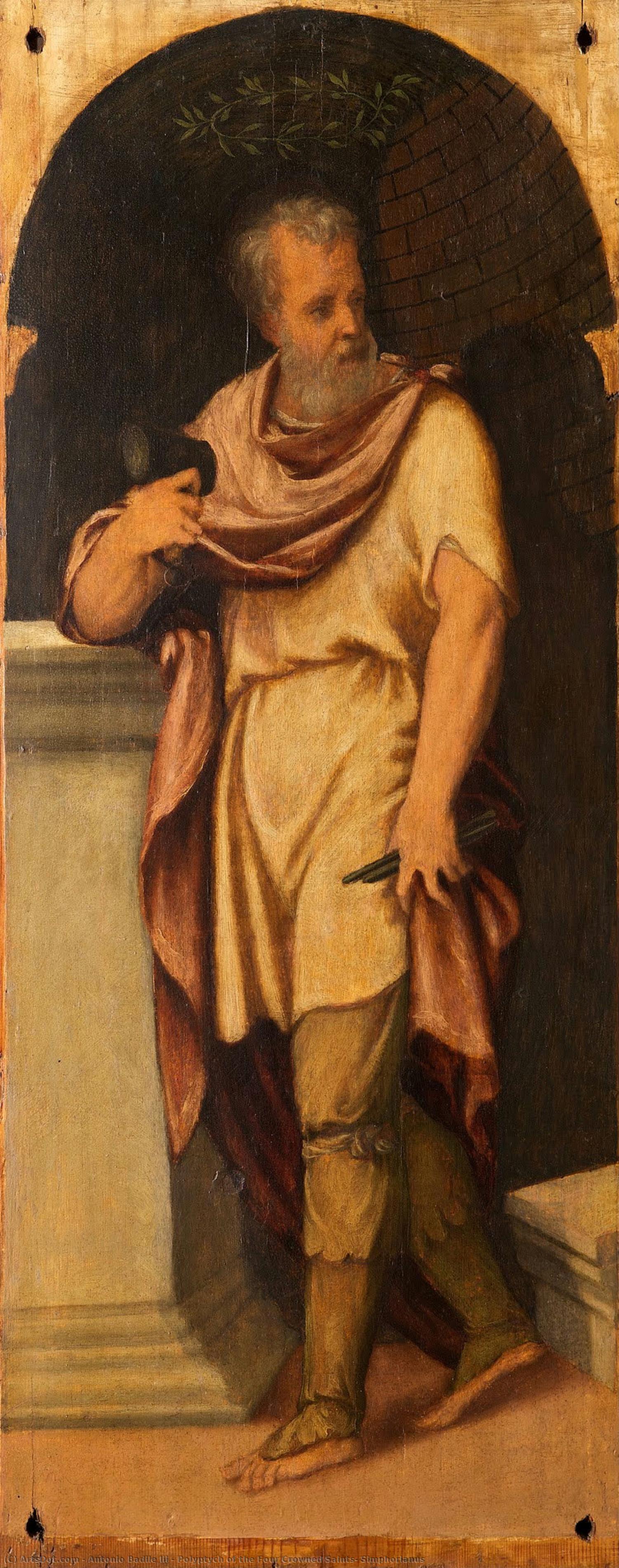
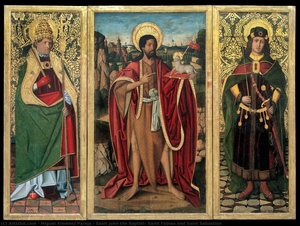
Polyptych of the Four Crowned Saints, Simphorianus


 Читать далее
Приобретите цифровое изображение высокого разрешения в улучшенном качестве, которое значительно превосходит онлайн-превью.
Каждый файл тщательно подготавливается нашими специалистами с использованием передовых инструментов и экспертной ручной ретуши. Мы гарантируем исключительную четкость, точную цветопередачу и детальную проработку каждого изображения.
Финальный файл доставляется по электронной почте в течение 72 часов и оптимизирован для немедленного использования в профессиональной среде, при верстке и печати. Это тот же уровень качества, которому доверяют ведущие дизайнерские студии, издательства и галереи.
Цифровое изображение
Скачайте файл высокого разрешения для личного использования, печати и творческих проектов. ( Перейти к печати Купить картину ручной работы)
Включено в каждый заказ цифровых изображений
Гарантия экспертной цифровой доставки
Выбирая ArtsDot.com, вы получаете не просто изображение — вы приобретаете профессионально обработанное цифровое произведение искусства, созданное с безупречной точностью и под защитой гарантии качества. Вот всё, что автоматически входит в ваш заказ:

Мгновенная доставка по e-mail
Ваш цифровой файл в высоком разрешении будет отправлен вам по электронной почте в течение 72 часов после оформления заказа — и сразу станет доступен для использования.

Цифровой файл с ИИ-улучшением
Ваше произведение искусства проходит профессиональную оптимизацию с использованием передовых инструментов ИИ и ручной обработки, что гарантирует максимальную детализацию, четкость и точность цветопередачи.

Бессрочная бесплатная повторная доставка
Случайно удалили или потеряли файл? Не беспокойтесь — мы отправим его вам повторно в любое время и совершенно бесплатно.

Без импортных пошлин — навсегда
Наслаждайтесь вашим произведением искусства мгновенно без таможенных пошлин, сборов или затрат на доставку — цифровые загрузки всегда не облагаются налогом.

Гарантия точности цветопередачи
Мы гарантируем, что ваше цифровое изображение максимально точно передает оригинальные цвета благодаря использованию профессиональных инструментов и систем управления цветом.

Гарантия удовлетворенности 100 дней
Если вы не будете удовлетворены своим цифровым изображением, мы внесем правки или вернем 100% стоимости в течение 100 дней — без лишних вопросов.

100% Гарантия возврата средств
Не удовлетворены покупкой? Получите полный возврат средств в течение 100 дней после получения цифрового файла — без лишних вопросов.

Скидки на оптовые заказы
Купите 3 изображения, сэкономьте 10% — Купите 5, сэкономьте 15% — Купите 10+, сэкономьте 20%. Отличное решение для творческих проектов, галерей и агентств.
A Vision of Devotion: The Polyptych of the Four Crowned Saints
In the heart of Verona, within the hallowed halls of the Castelvecchio Museum, resides a profound testament to the spiritual and artistic fervor of the mid-16th century. Antonio Badile III’s Polyptych of the Four Crowned Saints, Simphorianus is not merely a painting but a window into the soul of the Counter-Reformation. Created in 1552, this masterful oil on board captures the solemnity of Saint Simphorianus with a gravity that commands immediate attention. The figure emerges from the shadows, his bearded countenance and classical toga suggesting a dignity rooted in the ancient Roman tradition. As he gazes downward, there is an introspective stillness, a quiet moment of martyrdom and reflection that invites the viewer to pause and contemplate the weight of faith.
The artistry of Badile III lies in his ability to bridge the gap between the fading elegance of the Gothic tradition and the burgeoning realism of the Italian Renaissance. In this specific panel, we see a masterful use of light and shadow—a technique that breathes life into the heavy folds of the saint's attire and defines the rugged texture of the brickwork behind him. The artist employs a subtle chiaroscuro to create a sense of three-dimensional space, making the figure feel as though he is occupying a tangible, physical realm. This interplay of light does more than just illuminate; it sculpts the emotion of the piece, casting a somber yet divine glow upon the martyr’s face.
Historical Resonance and Symbolic Depth
To understand this work is to understand the shifting tides of religious history in 16th-century Italy. The polyptych was originally commissioned for the Veronese church of San Pietro Incarnario, specifically for the altar dedicated to the art of stone cutting. This historical context imbues every brushstroke with meaning; the Four Crowned Saints were the patrons of sculptors and stonemasons, making this piece a sacred emblem of their craft. Badile III achieved something remarkable here by reuniting the Pannonian sculptors with the Roman officers in a single cohesive narrative, responding to the era's demand for historical accuracy and sacred unity.
The symbolism within the painting transcends the individual figure of Simphorianus. The very composition speaks to the endurance of the spirit against the temporal world. The architectural elements—the cold, unyielding brick wall—serve as a stark contrast to the human vulnerability and divine grace represented by the saint. For collectors and lovers of classical art, this piece offers a profound connection to the era of the Counter-Reformation, where art was used as a powerful tool to evoke piety, strength, and an unwavering commitment to one's convictions.
An Elegant Addition to Sophisticated Interiors
For the discerning interior designer or the passionate art collector, a high-quality reproduction of this polyptych offers more than just decoration; it provides a focal point of historical depth and intellectual intrigue. The muted, earthy tones and the dramatic, classical subject matter make it an exquisite addition to spaces that celebrate traditional elegance, such as libraries, study halls, or formal dining rooms. Its presence evokes a sense of timelessness, grounding a modern room with the weight of Renaissance history.
Integrating such a piece into a curated collection allows for a dialogue between the past and the present. Whether placed in a setting filled with rich textures like velvet and dark wood, or used to provide a classical contrast in a minimalist contemporary space, the Polyptych of the Four Crowned Saints serves as a conversation starter. It is an invitation to explore the legacy of Antonio Badile III and to surround oneself with the enduring beauty of Veronese mastery.
Похожие произведения


Биография художника
early life and training
antonio badile iii, an italian painter from verona, was born in 1517. he was the grandson of giovanni badile da verona, a renowned painter of the 15th century. antonio's training under his uncle francesco badile and giovanni francesco caroto laid the foundation for his future success.artistic influences and style
antonio was known for being the master of paul véronèse and giovanni battista zelotti, his beau-frère. his work was also influenced by the brescian painter alessandro bonvicino (il moretto). this eclectic mix of influences resulted in a unique style that blended elements of the italian renaissance with the veronese tradition.notable works and legacy
some of antonio's most notable works include:- saints cecilia, tiburtius, valerian (castelvecchio museum, verona, italy), a triptych showcasing his attempt to absorb renaissance innovations within a linear, gothic style.
- retablo of san nazaro, featuring the madonna and saints (1540), demonstrating his mastery of composition and color.
- résurrection de lazare in the chapelle de la sainte-croix, église de san bernardino, showcasing his skill in capturing dramatic scenes.
museums and collections
antonio's works are preserved in various cities across the veneto region. for more information on his art and to explore other notable artists, visit the museum parrocchiale (verolanuova, italy) or browse through ArtsDot's extensive artist profile: antonio badile iii.conclusion
antonio badile iii's contributions to the veronese painting tradition are undeniable. his unique blend of influences and mastery of composition have left a lasting impact on the art world. to delve deeper into his works and those of other renowned artists, explore ArtsDot's comprehensive art database.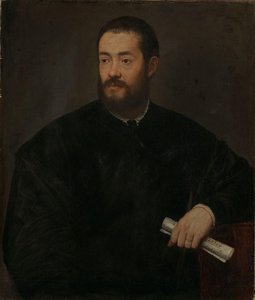
antonio badile iii
1517 - 1560 , Italy
Основные сведения
- Artistic Movement Or Style: High Renaissance
- Artists Or Movements Influenced By This Artist:
- Leonardo da Vinci
- Savonarola’s style
- Artists Who Influenced This Artist:
- Cosimo Rosselli
- Raphael
- Date Of Birth: March 28, 1472
- Date Of Death: October 31, 1517
- Full Name: Fra Bartolomeo”
- Nationality: Italian Renaissance
- Notable Artworks:
- Vision of St Bernard
- Portrait of Savonarola
- Place Of Birth: Savignano di Prato, Tuscany