

 Предпросмотр
 Поделиться
 Поделиться
 Детали произведения

 Скачать
 Похожие работы
 Рентгенография
 Слайд-шоу
 Статистика
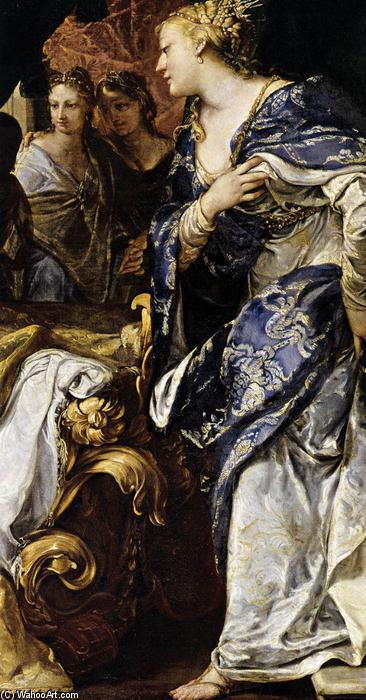
Антиох и Стратоника


 Читать далее
Приобретите цифровое изображение высокого разрешения в улучшенном качестве, которое значительно превосходит онлайн-превью.
Каждый файл тщательно подготавливается нашими специалистами с использованием передовых инструментов и экспертной ручной ретуши. Мы гарантируем исключительную четкость, точную цветопередачу и детальную проработку каждого изображения.
Финальный файл доставляется по электронной почте в течение 72 часов и оптимизирован для немедленного использования в профессиональной среде, при верстке и печати. Это тот же уровень качества, которому доверяют ведущие дизайнерские студии, издательства и галереи.
Цифровое изображение
Скачайте файл высокого разрешения для личного использования, печати и творческих проектов. ( Перейти к печати Купить картину ручной работы)
Включено в каждый заказ цифровых изображений
Гарантия экспертной цифровой доставки
Выбирая ArtsDot.com, вы получаете не просто изображение — вы приобретаете профессионально обработанное цифровое произведение искусства, созданное с безупречной точностью и под защитой гарантии качества. Вот всё, что автоматически входит в ваш заказ:

Мгновенная доставка по e-mail
Ваш цифровой файл в высоком разрешении будет отправлен вам по электронной почте в течение 72 часов после оформления заказа — и сразу станет доступен для использования.

Цифровой файл с ИИ-улучшением
Ваше произведение искусства проходит профессиональную оптимизацию с использованием передовых инструментов ИИ и ручной обработки, что гарантирует максимальную детализацию, четкость и точность цветопередачи.

Бессрочная бесплатная повторная доставка
Случайно удалили или потеряли файл? Не беспокойтесь — мы отправим его вам повторно в любое время и совершенно бесплатно.

Без импортных пошлин — навсегда
Наслаждайтесь вашим произведением искусства мгновенно без таможенных пошлин, сборов или затрат на доставку — цифровые загрузки всегда не облагаются налогом.

Гарантия точности цветопередачи
Мы гарантируем, что ваше цифровое изображение максимально точно передает оригинальные цвета благодаря использованию профессиональных инструментов и систем управления цветом.

Гарантия удовлетворенности 100 дней
Если вы не будете удовлетворены своим цифровым изображением, мы внесем правки или вернем 100% стоимости в течение 100 дней — без лишних вопросов.

100% Гарантия возврата средств
Не удовлетворены покупкой? Получите полный возврат средств в течение 100 дней после получения цифрового файла — без лишних вопросов.

Скидки на оптовые заказы
Купите 3 изображения, сэкономьте 10% — Купите 5, сэкономьте 15% — Купите 10+, сэкономьте 20%. Отличное решение для творческих проектов, галерей и агентств.
Antonio Bellucci’s Dramatic Baroque Vision: Antiochus and Stratonice
Antonio Bellucci (1654 – 1726) stands as a cornerstone of Venetian Grand Manner painting, embodying the fervor and grandeur characteristic of the Rococo period while simultaneously retaining the foundational influence of Baroque artistic principles. Born in Pieve di Soligo, Italy, Bellucci’s artistic journey commenced under Domenico Difnico's tutelage in Sebénico (Sibenik), Dalmatia – then a vibrant Venetian colony – establishing him within an environment acutely attuned to classical ideals interwoven with burgeoning Baroque dynamism.
By 1675, Bellucci was already actively engaged in Venice itself, securing a prestigious commission for frescoes adorning San Pietro di Castello depicting Saint Lorenzo Giustiniani praying fervently for the city’s deliverance from the plague of 1447. This monumental undertaking underscored his mastery in capturing profound emotion and conveying religious devotion – qualities that epitomized Venetian painting during this era.
His artistic output transcended ecclesiastical patronage; Bellucci skillfully rendered biblical narratives, notably depictions of the Nativity, demonstrating a remarkable ability to imbue scenes with palpable drama and luminous color. He achieved this through meticulous observation of nature and an unwavering commitment to anatomical accuracy, reflecting the humanist spirit prevalent in Venetian art.
A Portrait of Power and Penitence
"Antiochus and Stratonice," painted circa 1700, exemplifies Bellucci’s signature style – a masterful blend of Baroque theatricality and refined elegance. Measuring approximately 253 x 301 cm (99 x 118 inches), the canvas is executed in oil on canvas, utilizing techniques honed over decades of experience to achieve breathtaking luminosity and textural depth.
The composition centers around a woman draped in sumptuous blue robes adorned with shimmering gold leaf – a deliberate allusion to royal authority and divine grace. Her posture exudes composure and contemplation, conveying a sense of solemn piety amidst the opulent surroundings. Beneath her gaze rests a gilded throne, symbolizing regal dominion and reinforcing the narrative’s overarching theme.
Symbolism and Narrative Depth
The painting draws inspiration from Plutarch's biography of Antiochus IV Epiphanes and Stratonice, recounting the siege of Jerusalem by Seleucid King Antiochus IV and his wife Stratonice. Bellucci skillfully portrays a pivotal moment in this historical drama – the queen’s fervent prayer for divine intervention as Antiochus prepares to assault the Holy City.
The artist’s masterful use of chiaroscuro—the dramatic interplay between light and shadow—amplifies the emotional impact of the scene. Light illuminates Stratonice's face, highlighting her unwavering faith and conveying a palpable sense of urgency. Conversely, dark hues envelop the background figures, emphasizing their vulnerability and underscoring the gravity of the impending conflict.
A Legacy of Venetian Grand Manner
"Antiochus and Stratonice" stands as a testament to Bellucci’s contribution to Venetian artistic heritage—a masterpiece that embodies the ideals of the Grand Manner style. Its enduring appeal resides not only in its technical brilliance but also in its ability to evoke profound contemplation on themes of faith, power, and human resilience. Currently housed at Staatliche Museen (Kassel, Germany), this artwork continues to inspire admiration for its artistic merit and serves as a poignant reminder of Venice’s golden age.
Похожие произведения




Биография художника
The Grandeur of the Venetian Spirit
Antonio Bellucci stands as a luminous figure within the Venetian artistic tradition, a master whose brush captured the transition from the dramatic intensity of the Baroque to the airy elegance of the Rococo. Born in 1654 in Pieve di Soligo, Italy, Bellucci’s early training under Domenico Difnico in Sebénico provided him with a rigorous foundation in classical principles. However, it was his arrival in Venice that truly ignited his creative spirit. By 1675, he was already making significant contributions to the city's sacred spaces, most notably through his monumental frescoes for San Pietro di Castello. In these works, depicting Saint Lorenzo Giustiniani’s fervent prayers during the plague of 1447, Bellucci demonstrated an extraordinary ability to weave together religious devotion and human emotion, creating a sense of divine drama that resonated deeply with the Venetian public.
His talent was not confined to the spiritual realm; Bellucci possessed a versatile mastery over various genres, from the intimate tenderness of nativity scenes for the church of Ascension to the sweeping narratives of classical mythology. A defining characteristic of his development was his collaborative spirit. He worked in close harmony with the landscape painter Antonio Tempesta, where Bellucci’s skill in rendering human figures breathed life and narrative complexity into Tempesta's expansive vistas. This synergy between figure and landscape became a hallmark of his maturing style, blending movement and grace with structural depth.
A Courtly Ascent and European Legacy
As his reputation grew, Bellucci’s ambitions carried him far beyond the borders of the Venetian Republic, leading him to the heart of European power. His periods in Vienna during the late seventeenth and early eighteenth centuries marked a pinnacle in his career, as he secured the prestigious patronage of the Habsburg court. Under the gaze of Emperor Charles VI, Bellucci undertook monumental projects that showcased his technical prowess on an imperial scale. The four altarpieces he created for Klosterneuburg serve as enduring testaments to his ability to command large-scale religious compositions with both majesty and clarity.
The zenith of his architectural painting is perhaps best exemplified by the breathtaking ceiling frescoes at Palais Liechtenstein. In depicting the Triumph of Hercules, Bellucci utilized the grand manner to create an immersive experience, where mythological heroism meets the sophisticated aesthetics of the burgeoning Rococo era. This ability to synthesize classical grandeur with a lighter, more decorative touch allowed him to navigate the changing tastes of the European aristocracy with ease.
Beyond his individual achievements, Bellucci’s historical significance is cemented by his role as a mentor and an influential force in the lineage of Italian art. Through his instruction of talented students such as Antonio Balestra and potentially Jacopo Amigoni, he ensured that the sophisticated techniques of the Venetian school would endure and evolve. His legacy remains etched in the ceilings of palaces and the altars of cathedrals, representing a period of unparalleled artistic splendor where light, movement, and myth converged to celebrate the human and the divine.
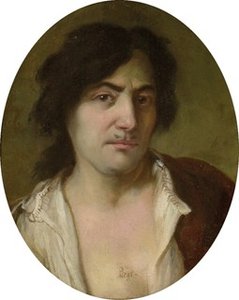
Antonio Bellucci
1654 - 1726 , Italy
Основные сведения
- Artistic Movement Or Style: Rococo
- Artists Or Movements Influenced By This Artist: ['Venetian Art']
- Artists Who Influenced This Artist: ['Domenico Difnico']
- Date Of Birth: 1654
- Date Of Death: 1726
- Full Name: Antonio Bellucci
- Nationality: Italian
- Notable Artworks:
- St Lorenzo Giustiniani Praying
- Nativity
- Hercules Triumph
- Place Of Birth: Pieve di Soligo, Italy