

 Предпросмотр
 Поделиться
 Поделиться
 Детали произведения

 Скачать
 Похожие работы
 Рентгенография
 Слайд-шоу
 Статистика
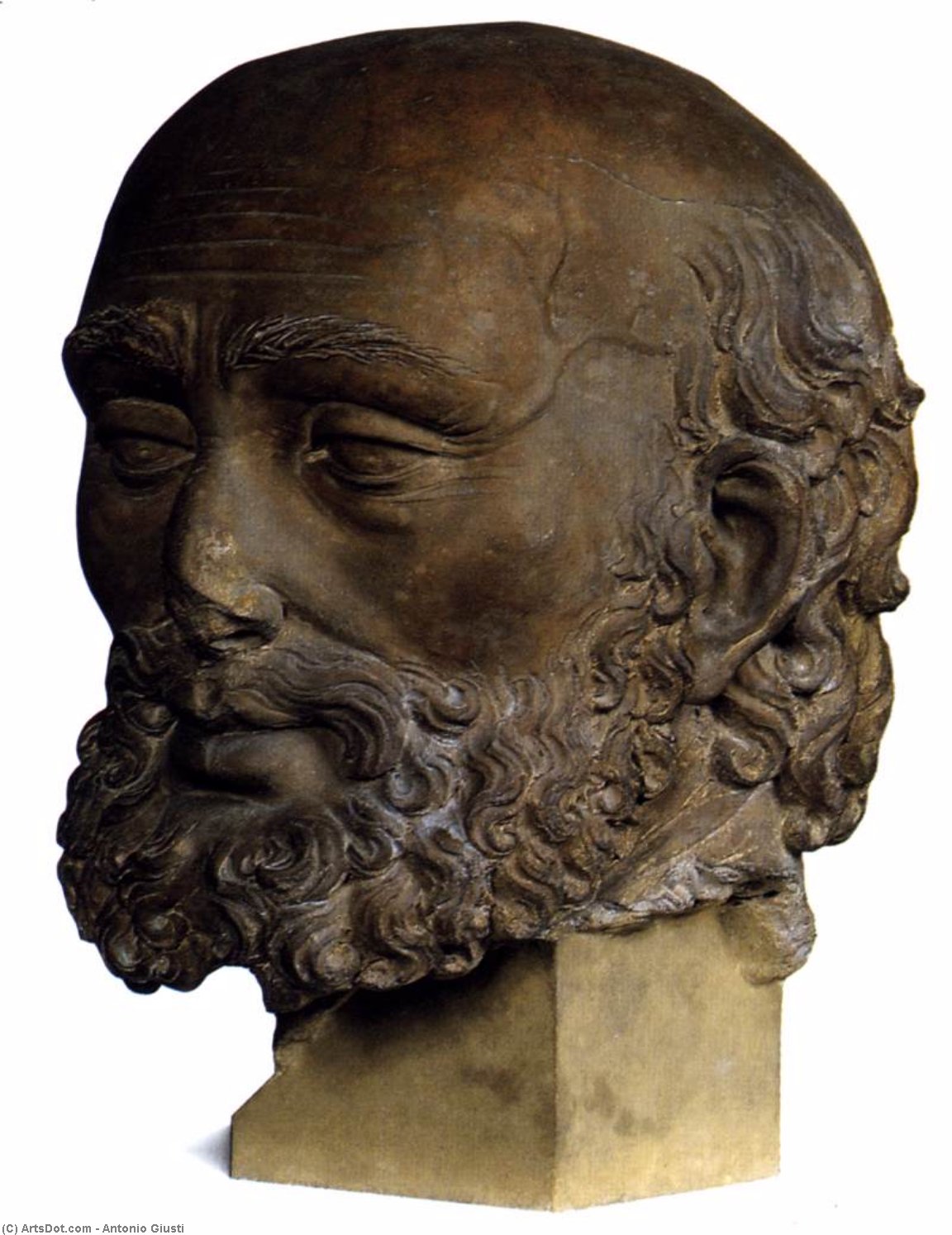
Head of St Peter


 Читать далее
Жикле / Арт-принт
Печать (жикле) или холст музейного качества с быстрыми сроками изготовления и широким выбором вариантов отделки. ( Купить картину ручной работы Перейти к цифровым изображениям)




































Выберите один из наших стандартных размеров, соответствующих оригинальным пропорциям произведения искусства.

Вы можете указать свои собственные размеры, чтобы репродукция идеально подошла под конкретную раму или пространство. Если выбранный вами размер не будет соответствовать пропорциям оригинала, мы либо обрежем произведение, либо дополним изображение зеркальным отражением краев или однотонной заливкой. Перед началом производства вам будет отправлен цифровой макет для утверждения.
Пожалуйста, обратите внимание, что предварительный просмотр на экране не отображает фактическую обрезку или расширение изображения. Только макет точно покажет финальную композицию.
Несмотря на возможность заказа индивидуальных размеров, мы рекомендуем выбирать размер из предопределенного списка, чтобы сохранить оригинальные пропорции.
Доставка по всему миру () за 2 недели вместо стандартных 4/5 недель. (12 Сентябрь)

Бесплатная экспресс-доставка по всему миру

Высококачественный льняной холст

Полное страхование доставки

Гарантия возмещения таможенных пошлин

Гарантия точного соответствия цветов

100-дневная политика возврата (только при обнаружении дефектов)

Гарантия возврата 100% средств

Предложение оптовых скидок
 Вариант со стеклом доступен только для размеров менее 110 см

Head of St Peter
Жикле / Арт-принт
Размер репродукции
-


Итоговая стоимость
$ 62
Похожие произведения
Биография художника
A Florentine Sculptor in the French Court: The Life and Legacy of Antonio Giusti
Antonio Giusti, a name perhaps less celebrated than some of his Renaissance contemporaries, nevertheless occupies a pivotal position in the artistic exchange between Italy and France during the early 16th century. Born around 1479 near Florence – sources place him either in San Martino a Mensola or outside Settignano – Giusti emerged from a family deeply rooted in stonemasonry and sculpture, inheriting a tradition that would propel him into the service of French royalty. His journey represents not merely a relocation of talent but a fascinating fusion of artistic styles, bridging the classical elegance of Italy with the evolving Gothic sensibilities of France. Initially trained within the Florentine workshop system, he absorbed influences from masters like Benedetto da Maiano and Andrea Ferrucci, laying the foundation for a career that would unfold across national boundaries.Early Training and the Move to France
Giusti’s formative years were steeped in the artistic fervor of Florence, a city undergoing a remarkable period of creative innovation. He honed his skills working with terracotta and marble, materials he would continue to favor throughout his life. Around 1506-1507, Giusti embarked on a significant chapter of his career by relocating to France. This move wasn’t an isolated one; he was accompanied by his younger brother, Giovanni, who would also become known as Jean Juste in French circles. Their arrival coincided with the reign of Louis XII, and they quickly found favor within the royal court. The Giusti brothers weren't simply employed artisans; they became integral to a network of artists shaping the aesthetic landscape of France. Records from this period reveal consistent payments for their “images” and sculptural work, indicating a steady stream of commissions and a growing reputation. Their workshop benefited from patronage by prominent figures like Anne of Brittany and later, François I, solidifying their position within the French artistic hierarchy.The Château de Gaillon and the Fusion of Styles
One of the most significant projects that defined Giusti’s early years in France was his contribution to Cardinal Georges d'Amboise’s Château de Gaillon. This ambitious undertaking provided a canvas for Giusti and his brother to showcase their unique blend of Italian classicism and French Gothic elements. The sculptures adorning the château, particularly those created between 1508 and 1509, demonstrate a remarkable synthesis of artistic traditions. Bronze bas-reliefs depicting scenes like the Battle of Genoa exemplify this fusion – the dynamism and narrative detail characteristic of Renaissance art are tempered by the more refined, elongated forms often found in French sculpture. This period marked a crucial moment in Giusti’s development, as he adapted his Florentine training to suit the tastes and expectations of his new patrons.Masterpieces and Lasting Influence
While Giusti contributed to numerous projects throughout his career, certain works stand out as testaments to his skill and artistic vision. The Head of Saint Peter, created around 1509 for the upper chapel at Gaillon (and now housed in the Musée du Louvre), is perhaps his most celebrated sculpture. This terracotta bust exemplifies Giusti’s ability to capture naturalistic facial expressions with classical proportions, conveying a sense of serene contemplation and spiritual depth. The delicate modeling of the features and the subtle drapery folds showcase his mastery of the medium. Beyond this iconic work, Giusti's influence extended through his brother Giovanni, who continued many projects after Antonio’s death in 1519. These included further embellishments to the mausoleum of Louis XII and Anne of Brittany at the Basilica of Saint-Denis, ensuring that Giusti’s stylistic legacy endured for decades. His work helped bridge a crucial transition in French art, inspiring regional sculptors and shaping the aesthetic direction of the early Renaissance in France.Historical Significance
Antonio Giusti's significance lies not only in his artistic achievements but also in his role as a cultural ambassador. He wasn’t simply an artist transplanting Italian styles to France; he was actively engaged in a process of adaptation and synthesis, creating a unique aesthetic that resonated with French tastes while retaining the elegance and refinement of his Florentine origins. His work demonstrates the fluidity of artistic boundaries during the Renaissance, highlighting the interconnectedness of European art centers. By introducing certain influences from Italy, Giusti played a vital role in shaping the development of sculpture in France, leaving an enduring legacy through his masterpieces and the continued efforts of his brother Giovanni. He remains a compelling figure for scholars and enthusiasts alike—a testament to the power of artistic exchange and the lasting impact of individual talent on the broader landscape of art history.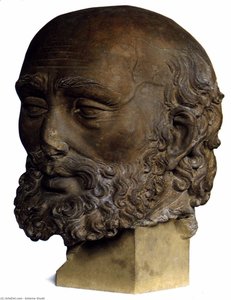
antonio giusti
1624 - 1705 , Italy
Основные сведения
- Artistic Movement Or Style: Baroque
- Artists Or Movements Influenced By This Artist: ['Salvatore Rosa']
- Artists Who Influenced This Artist:
- Cesare Dandini
- Mario Balassi
- Date Of Birth: 1624
- Date Of Death: 1705
- Full Name: Antonio Giusti
- Nationality: Italian
- Notable Artworks:
- Head of St Peter
- Various religious scenes
- Place Of Birth: Florence, Italy