

 Предпросмотр
 Поделиться
 Поделиться
 Детали произведения

 Скачать
 Похожие работы
 Рентгенография
 Слайд-шоу
 Статистика
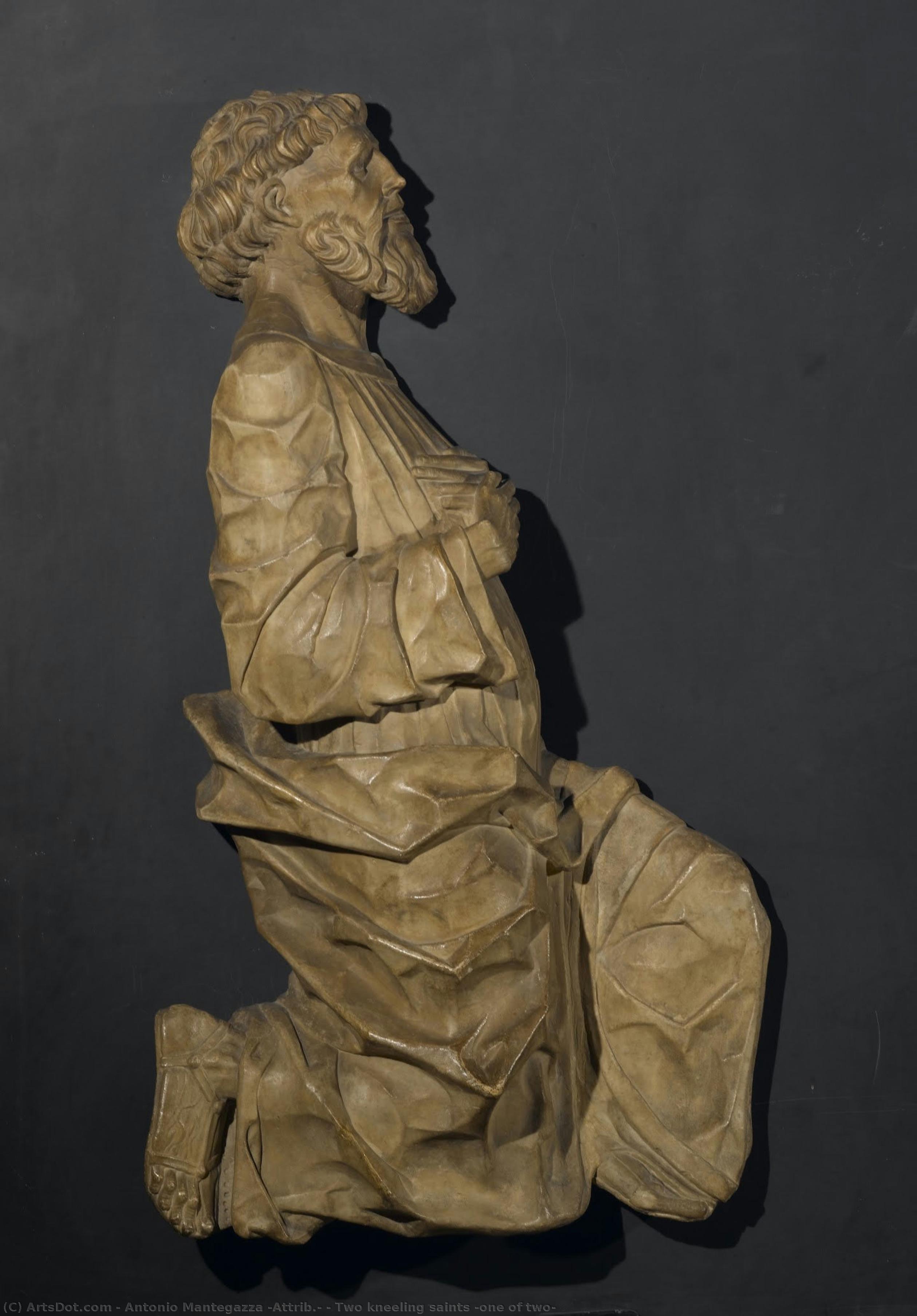
Two kneeling saints (one of two)
 1400
1400 91.0 x 51.0 cm
 Сфорца-Кастелло
 Читать далее
Приобретите цифровое изображение высокого разрешения в улучшенном качестве, которое значительно превосходит онлайн-превью.
Каждый файл тщательно подготавливается нашими специалистами с использованием передовых инструментов и экспертной ручной ретуши. Мы гарантируем исключительную четкость, точную цветопередачу и детальную проработку каждого изображения.
Финальный файл доставляется по электронной почте в течение 72 часов и оптимизирован для немедленного использования в профессиональной среде, при верстке и печати. Это тот же уровень качества, которому доверяют ведущие дизайнерские студии, издательства и галереи.
Цифровое изображение
Скачайте файл высокого разрешения для личного использования, печати и творческих проектов. ( Перейти к печати Купить картину ручной работы)
Включено в каждый заказ цифровых изображений
Гарантия экспертной цифровой доставки
Выбирая ArtsDot.com, вы получаете не просто изображение — вы приобретаете профессионально обработанное цифровое произведение искусства, созданное с безупречной точностью и под защитой гарантии качества. Вот всё, что автоматически входит в ваш заказ:

Мгновенная доставка по e-mail
Ваш цифровой файл в высоком разрешении будет отправлен вам по электронной почте в течение 72 часов после оформления заказа — и сразу станет доступен для использования.

Цифровой файл с ИИ-улучшением
Ваше произведение искусства проходит профессиональную оптимизацию с использованием передовых инструментов ИИ и ручной обработки, что гарантирует максимальную детализацию, четкость и точность цветопередачи.

Бессрочная бесплатная повторная доставка
Случайно удалили или потеряли файл? Не беспокойтесь — мы отправим его вам повторно в любое время и совершенно бесплатно.

Без импортных пошлин — навсегда
Наслаждайтесь вашим произведением искусства мгновенно без таможенных пошлин, сборов или затрат на доставку — цифровые загрузки всегда не облагаются налогом.

Гарантия точности цветопередачи
Мы гарантируем, что ваше цифровое изображение максимально точно передает оригинальные цвета благодаря использованию профессиональных инструментов и систем управления цветом.

Гарантия удовлетворенности 100 дней
Если вы не будете удовлетворены своим цифровым изображением, мы внесем правки или вернем 100% стоимости в течение 100 дней — без лишних вопросов.

100% Гарантия возврата средств
Не удовлетворены покупкой? Получите полный возврат средств в течение 100 дней после получения цифрового файла — без лишних вопросов.

Скидки на оптовые заказы
Купите 3 изображения, сэкономьте 10% — Купите 5, сэкономьте 15% — Купите 10+, сэкономьте 20%. Отличное решение для творческих проектов, галерей и агентств.
Похожие произведения








Биография художника
Antonio Mantegazza: A Sculptor of the Milanese Renaissance
Antonio Mantegazza, a name often encountered in association with his brother Cristoforo, stands as a pivotal figure within the artistic landscape of 15th-century Lombardy. Born around 1440 – though precise dates remain elusive – he emerged during a period of intense artistic and architectural activity, deeply intertwined with the patronage of the Sforza family in Milan. His legacy is primarily defined by his contributions to the magnificent facade of the Certosa di Pavia and, more subtly, through his involvement in the decoration of other significant structures within the region. While often categorized as an “attributed” artist – a common designation for works where authorship remains uncertain – Mantegazza’s distinctive style and technical prowess warrant careful consideration, revealing a sculptor deeply influenced by both classical ideals and contemporary trends.Early Life and Artistic Training
Information regarding Mantegazza's early life is remarkably sparse. Records detailing his birth city and precise formative years are scant, contributing to the enigmatic nature of his artistic journey. What *is* known is that he and Cristoforo were summoned to the Certosa di Pavia in 1473 by Galeazzo Maria Sforza, Duke of Milan, to undertake the ambitious project of designing an equestrian statue honoring his father, Francesco I Sforza. This commission, ultimately entrusted to Leonardo da Vinci, undoubtedly provided both brothers with invaluable experience and exposure to the highest echelons of artistic patronage. Their involvement in this monumental undertaking served as a crucial stepping stone, shaping their aesthetic sensibilities and establishing them within the Milanese art scene. It’s believed they were also involved in decorating the Hospital of the Pietà, now corresponding to Piazza Leonardo, where a copy of the Pietà Mantegazza is displayed.The Style of ‘Cartaceo’: A Distinctive Approach
Mantegazza's sculptures are immediately recognizable for their distinctive “cartaceous” style – a term coined by scholars due to the material’s resemblance to crumpled paper. This approach, characterized by flattened figures, simplified drapery, and a deliberate lack of volume, was particularly prevalent in Milan during this period. It represents a departure from the more traditionally rounded forms favored in earlier Renaissance sculpture, reflecting a conscious embrace of a new aesthetic vocabulary. This style wasn’t entirely unique to Mantegazza; it shared characteristics with other sculptors working in the region, including Cristoforo and Giovanni Antonio Amadeo. However, Mantegazza's mastery of this technique – his ability to imbue these seemingly simplified forms with remarkable expressiveness and emotional depth – distinguishes him as a key practitioner of this influential style. The influence of masters like Mantegna and Ferrarese sculptors is evident in the way he utilizes perspective and creates dramatic effects within limited spatial constraints.Major Works: The Certosa di Pavia and Beyond
The facade of the Certosa di Pavia represents the pinnacle of Mantegazza’s artistic achievements. His contributions to this vast architectural complex are extensive, encompassing a range of decorative elements – including relief sculptures adorning the main portal, intricate details within the cloisters, and monumental figures depicting scenes from the Old Testament. The “Pietà Mantegazza,” a poignant depiction of Christ and Mary, stands as perhaps his most celebrated work, showcasing his technical skill and emotional sensitivity. The sculpture’s elongated figures, expressive gestures, and carefully rendered drapery evoke a powerful sense of grief and sorrow. Beyond the Certosa, Mantegazza's influence can be detected in other projects throughout Milan and the surrounding region, though fewer examples survive today.Legacy and Historical Significance
Despite the frequent attribution of his works to Cristoforo Mantegazza, Antonio’s contribution to the artistic landscape of 15th-century Lombardy is undeniable. His “cartaceous” style, characterized by its innovative approach to form and its ability to convey profound emotion, had a lasting impact on subsequent generations of sculptors. He represents a crucial link between the classical ideals of the Renaissance and the evolving aesthetic sensibilities of Milanese art. While his individual fame may have been somewhat overshadowed by his brother’s more prominent role in certain projects, Antonio Mantegazza remains a significant figure – a testament to the dynamism and creativity of the Italian Renaissance. His work continues to fascinate scholars and art enthusiasts alike, offering a glimpse into the artistic world of a pivotal era.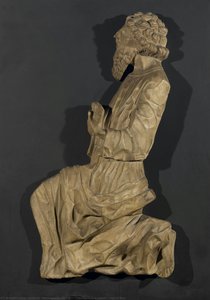
antonio mantegazza (attrib.)
1495 , Italy
Основные сведения
- Artistic Movement Or Style: Renaissance Sculpture
- Artists Or Movements Influenced By This Artist: ['Giovanni Antonio Amadeo']
- Artists Who Influenced This Artist:
- Mantegna
- Ferrarese masters
- Date Of Death: 1495
- Full Name: Antonio Mantegazza
- Nationality: Italian
- Notable Artworks:
- Two kneeling saints
- Certosa facade relief
- Place Of Birth: Milan, Lombardy, Italy