

 Предпросмотр
 Поделиться
 Поделиться
 Детали произведения

 Скачать
 Похожие работы
 Рентгенография
 Слайд-шоу
 Статистика
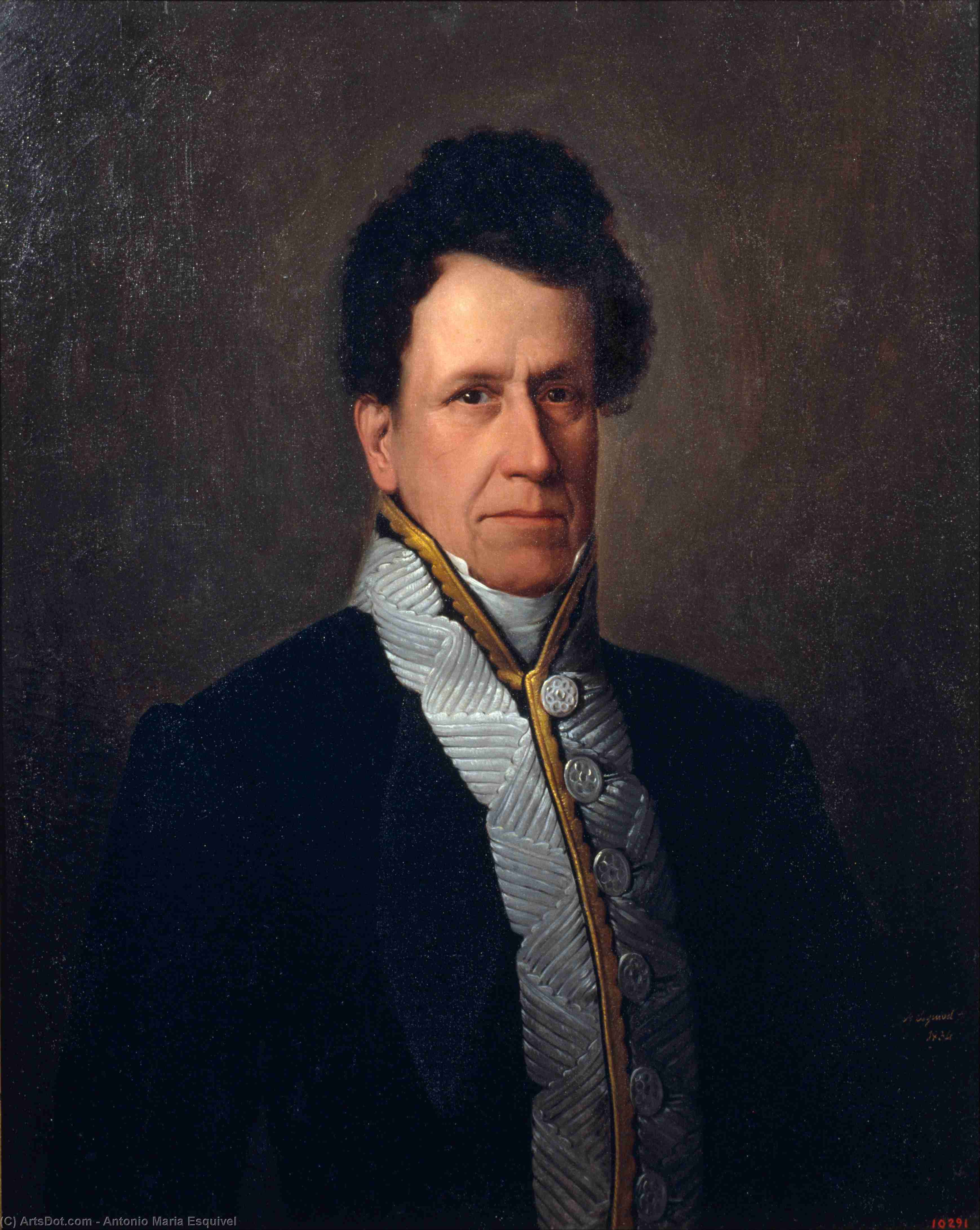
Manuel gutierrez, (83 x 66 CM) (1834)

 Читать далее
Масляная репродукция ручной работы
Картина маслом на холсте в выбранном вами размере и раме, написанная на заказ нашими художниками. ( Перейти к печати Перейти к цифровым изображениям)




































Выберите один из наших стандартных размеров, соответствующих оригинальным пропорциям произведения искусства.

Вы можете указать собственные размеры, чтобы картина идеально вписалась в выбранную раму или пространство. Если выбранный вами размер не соответствует пропорциям оригинала, мы либо обрежем полотно, либо расширим его за счет дополнительных элементов, написанных вручную. Цифровой макет будет отправлен вам на утверждение перед началом производства.
Обратите внимание, что предварительный просмотр на экране не отражает фактическую обрезку или расширение. Только макет точно покажет окончательную композицию.
Хотя доступны индивидуальные размеры, мы рекомендуем выбирать вариант из предопределенного списка, чтобы сохранить исходные пропорции.
После оформления заказа команда ArtsDot.com свяжется с клиентом по электронной почте для уточнения деталей и предоставит предварительный макет
Доставка по всему миру () за 3–4 недели вместо стандартных 5 недель. (13 Сентябрь). Без компромиссов в качестве.

Бесплатная экспресс-доставка по всему миру

Высококачественный льняной холст

Полное страхование доставки

Гарантия возмещения таможенных пошлин

Гарантия точного соответствия цветов

100-дневная политика возврата (только при обнаружении дефектов)

Гарантия возврата 100% средств

Предложение оптовых скидок
 Вариант со стеклом доступен только для размеров менее 110 см

Manuel gutierrez, (83 x 66 CM) (1834)
Техника репродукции
Размер репродукции
-


Итоговая стоимость
$ 263
Похожие произведения

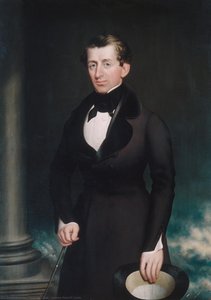

Биография художника
The Soul of Spanish Romanticism: The Life of Antonio María Esquivel
In the heart of nineteenth-century Spain, a period defined by the turbulent beauty of Romanticism, the name Antonio María Esquivel y Suárez de Urbina emerged as a beacon of psychological depth and technical mastery. Born in Seville on March 8, 1806, Esquivel’s early life was shadowed by the profound tragedy of war; his father, a dedicated cavalry officer, perished at the Battle of Bailén in 1808. This early encounter with loss perhaps seeded the emotional sensitivity that would later define his brushwork. Growing up in the vibrant, sun-drenched atmosphere of Seville, he began his formal artistic journey at the Real Academia de Bellas Artes de Santa Isabel de Hungría. It was here that he first encountered the lingering echoes of the great Baroque master, Murillo. By absorbing Murillo’s sophisticated use of chiaroscuro—that dramatic, breathing interplay between light and shadow—Esquivel developed a foundational ability to imbue his subjects with a sense of living presence and spiritual weight.
As his ambitions grew, Esquivel sought the intellectual rigor of Madrid, moving to the capital in 1831. His arrival was marked by a relentless pursuit of excellence, leading him to enroll at the prestigious Real Academia de Buenos Aires de San Fernando as a merit scholar. This period of his life was one of intense academic expansion and social engagement. He did not merely paint; he became a vital thread in the cultural fabric of Madrid, helping to found the Artistic and Literary Lyceum in 1837. His role in this institution was multifaceted, as he even shared his profound understanding of human form by teaching classes in anatomy—a discipline that would later lend a structural precision to his portraits, allowing him to capture not just the surface of a face, but the very bone and muscle of human emotion.
A Master of the Portrait and the Human Spirit
While Esquivel’s repertoire touched upon various themes, it was in the realm of portraiture that he achieved his most enduring immortality. He possessed a rare gift for navigating the delicate balance between Neoclassical dignity and Romantic passion. His portraits were far more than mere likenesses; they were psychological studies that captured the essence of Spain's aristocratic and intellectual elite. Whether depicting the solemn authority of a figure like Manuel Gutierrez or the tender, familial intimacy found in his Self-portrait with his sons Carlos and Vicente, Esquivel’s work resonated with a profound sense of character. His ability to render the softness of childhood skin alongside the heavy textures of velvet and lace made him a sought-after chronicler of his era.
The evolution of his style is particularly evident in how he transitioned from the rigid structures of academic training to a more fluid, emotive expression. This development was not without its personal struggles. A period of severe illness eventually left him nearly blind, a devastating blow for an artist whose life was dedicated to the observation of light and form. The darkness brought by his failing vision mirrored a deep personal melancholy, yet even in these difficult years, his legacy remained anchored in the triumphs of his earlier career. His work stands as a testament to a period when art sought to bridge the gap between the external world and the internal landscape of the human soul.
Legacy and Historical Significance
The historical significance of Antonio María Esquivel lies in his role as a bridge between the classical traditions of the Spanish Golden Age and the emotive fervor of the Romantic movement. He carried the torch of Murillo into a new century, refining the techniques of light and shadow to suit a more modern, introspective age. His contributions to the Madrid art scene through the Lyceum helped foster a generation of artists, ensuring that the dialogue between science—through his anatomical studies—and art remained vibrant.
Today, the works of Esquivel are preserved in some of the world's most esteemed institutions, including the Museo del Prado, where they continue to captivate viewers with their timeless elegance. To study his life is to study the very heartbeat of nineteenth-century Spanish culture: a blend of academic discipline, profound tragedy, and an unyielding passion for capturing the fleeting beauty of the human countenance.
antonio maria esquivel y suárez de urbina
1806 - 1857
Основные сведения
- Artistic Movement Or Style: Romantic
- Artists Or Movements Influenced By This Artist: ['Romanticism']
- Artists Who Influenced This Artist: ['Murillo']
- Date Of Birth: March 8, 1806
- Date Of Death: April 9, 1857
- Full Name: Antonio María Esquivel y Suárez de Urbina
- Nationality: Spanish
- Notable Artworks: ['Portrait of María Ignacia de Borbón']
- Place Of Birth: Seville, Spain
Похожие статьи

Oil on Canvas: A Historical & Technical Exploration of a Timeless Artistic Medium
Explore the rich history & enduring techniques of oil painting on canvas. Discover the science behind its longevity, conservation practices, and contemporary relevance. Expert insights for art enthusiasts.

The Enduring Power of Painting: A Historical & Contemporary Exploration of Form and Emotion
Explore the rich history & enduring techniques of oil painting with ArtsDot. Discover masterpieces, learn about art collecting, and find authentic handmade reproductions crafted by skilled artists.

Масляная живопись: История, техника и непреходящее наследие
Узнайте все о масляной живописи: история техники, секреты мастеров и современные тенденции. Погрузитесь в мир искусства с экспертами !

The Enduring Legacy of Oil on Canvas: Technique, History & Aesthetic Impact
Explore the rich history & techniques of oil painting – from Renaissance masters to Impressionism. Discover pigments, layering methods, and why this timeless medium endures. Expert insights for artists & art enthusiasts.
Топ-10 шедевров масляной живописи, изменивших искусство навсегда | ArtsDot.com
Погрузитесь в мир великих шедевров масляной живописи! От Леонардо да Винчи до Ван Гога – узнайте истории создания самых известных картин, техники художников и их влияние на искусство. Репродукции музейного качества на ArtsDot.com. Explore the full collection online!