

 Предпросмотр
 Поделиться
 Поделиться
 Детали произведения

 Скачать
 Похожие работы
 Рентгенография
 Слайд-шоу
 Статистика
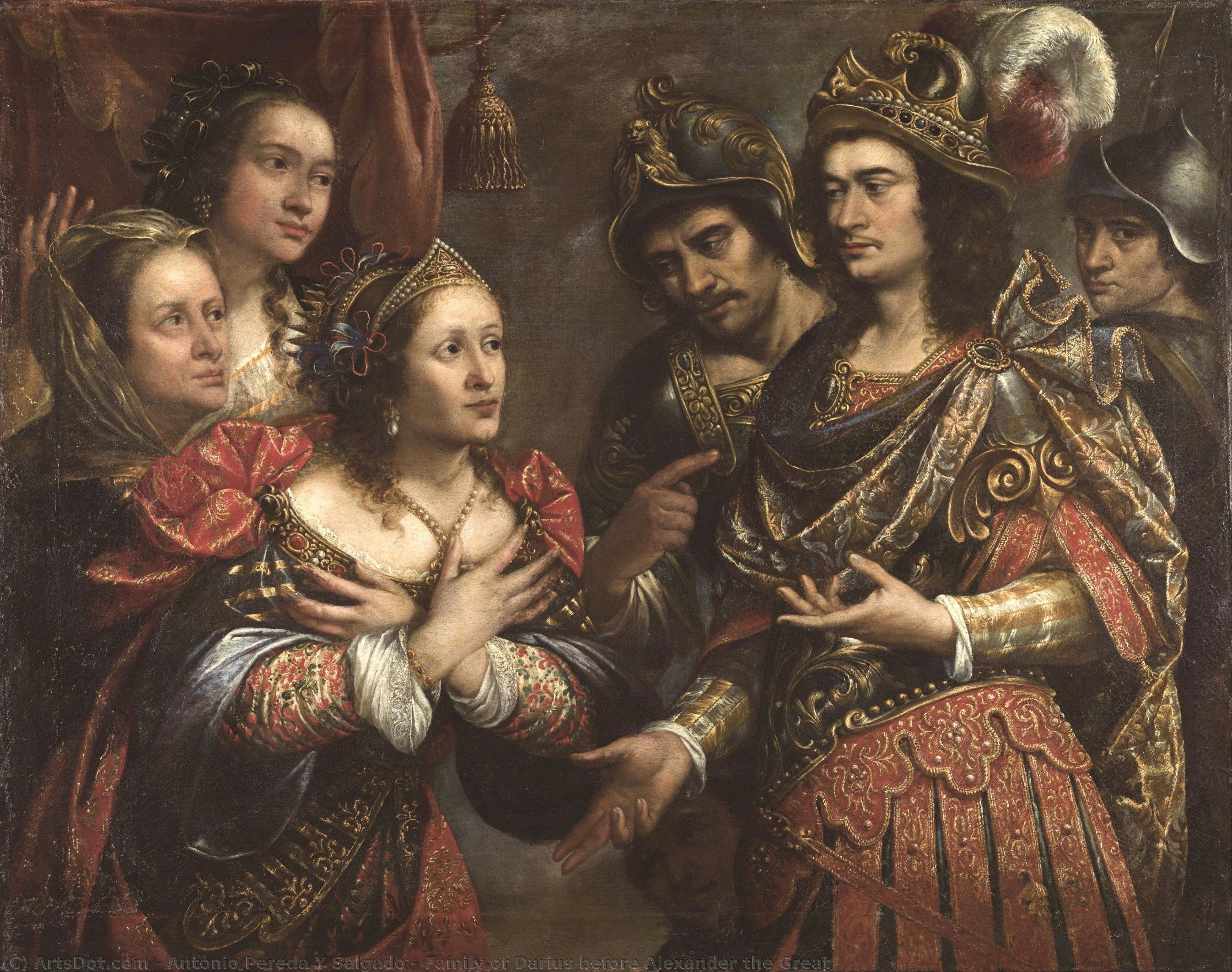
Family of Darius before Alexander the Great


 Читать далее
Приобретите цифровое изображение высокого разрешения в улучшенном качестве, которое значительно превосходит онлайн-превью.
Каждый файл тщательно подготавливается нашими специалистами с использованием передовых инструментов и экспертной ручной ретуши. Мы гарантируем исключительную четкость, точную цветопередачу и детальную проработку каждого изображения.
Финальный файл доставляется по электронной почте в течение 72 часов и оптимизирован для немедленного использования в профессиональной среде, при верстке и печати. Это тот же уровень качества, которому доверяют ведущие дизайнерские студии, издательства и галереи.
Цифровое изображение
Скачайте файл высокого разрешения для личного использования, печати и творческих проектов. ( Перейти к печати Купить картину ручной работы)
Включено в каждый заказ цифровых изображений
Гарантия экспертной цифровой доставки
Выбирая ArtsDot.com, вы получаете не просто изображение — вы приобретаете профессионально обработанное цифровое произведение искусства, созданное с безупречной точностью и под защитой гарантии качества. Вот всё, что автоматически входит в ваш заказ:

Мгновенная доставка по e-mail
Ваш цифровой файл в высоком разрешении будет отправлен вам по электронной почте в течение 72 часов после оформления заказа — и сразу станет доступен для использования.

Цифровой файл с ИИ-улучшением
Ваше произведение искусства проходит профессиональную оптимизацию с использованием передовых инструментов ИИ и ручной обработки, что гарантирует максимальную детализацию, четкость и точность цветопередачи.

Бессрочная бесплатная повторная доставка
Случайно удалили или потеряли файл? Не беспокойтесь — мы отправим его вам повторно в любое время и совершенно бесплатно.

Без импортных пошлин — навсегда
Наслаждайтесь вашим произведением искусства мгновенно без таможенных пошлин, сборов или затрат на доставку — цифровые загрузки всегда не облагаются налогом.

Гарантия точности цветопередачи
Мы гарантируем, что ваше цифровое изображение максимально точно передает оригинальные цвета благодаря использованию профессиональных инструментов и систем управления цветом.

Гарантия удовлетворенности 100 дней
Если вы не будете удовлетворены своим цифровым изображением, мы внесем правки или вернем 100% стоимости в течение 100 дней — без лишних вопросов.

100% Гарантия возврата средств
Не удовлетворены покупкой? Получите полный возврат средств в течение 100 дней после получения цифрового файла — без лишних вопросов.

Скидки на оптовые заказы
Купите 3 изображения, сэкономьте 10% — Купите 5, сэкономьте 15% — Купите 10+, сэкономьте 20%. Отличное решение для творческих проектов, галерей и агентств.
A Grand Encounter in the Golden Age of Spanish Baroque
In the sweeping drama of Antonio de Pereda y Salgado’s 1649 masterpiece, Family of Darius before Alexander the Great, we are transported to a pivotal moment where history and human emotion collide. This profound historical scene captures the tension and gravity of an encounter between two legendary figures, set against a backdrop of regal splendor. The painting serves as more than just a depiction of a meeting; it is a theatrical stage where the weight of empire and the vulnerability of a fallen dynasty are laid bare. As viewers, we find ourselves drawn into a world of velvet, gold, and intense psychological depth, making it an extraordinary centerpiece for any collection that seeks to evoke a sense of timeless nobility.
The composition is a masterclass in Baroque storytelling, utilizing the dramatic interplay of light and shadow—a technique known as tenebrism—to guide the eye through the complex social hierarchy of the scene. Pereda expertly arranges the figures, from the imposing presence of Alexander to the dignified yet somber members of Darius’s family. The clothing is a triumph of texture; the heavy silks, intricate lace, and shimmering tiaras are rendered with such precision that one can almost feel the weight of the fabrics. This meticulous attention to detail does not merely showcase technical prowess but serves to heighten the sense of grandeur, making the painting an ideal inspiration for interior designers looking to add layers of luxury and historical texture to a sophisticated space.
Symbolism and the Art of Emotional Resonance
Beyond the surface beauty of the 17th-century attire lies a deeper layer of symbolic meaning. The presence of royal regalia and the deliberate positioning of the figures suggest themes of power, surrender, and the fleeting nature of earthly glory. The red curtain that frames the scene acts as a theatrical device, reminding us that we are witnessing a momentous historical drama. There is a palpable sense of conversation and silent negotiation occurring among the group; some faces reflect stoic resignation, while others hint at the quiet whispers of courtly intrigue. This emotional complexity ensures that the artwork remains a living, breathing entity, capable of sparking deep contemplation in anyone who gazes upon it.
For the discerning collector or art enthusiast, owning a reproduction of this work means bringing a piece of the Spanish Golden Age into the modern home. The painting’s rich palette of deep reds, golds, and earthy tones provides a warm, commanding presence that complements both classical and contemporary decor. It is an investment in atmosphere, offering a window into a bygone era of unparalleled artistry and dramatic flair. Whether placed in a formal study or as a focal point in a grand living area, this work by Pereda continues to command respect, inviting all who see it to participate in the silent, powerful dialogue of history.
Похожие произведения

Биография художника
A Legacy of Light and Shadow: The Life of Antonio de Pereda y Salgado
In the golden, dramatic era of the Spanish Baroque, few artists possessed the ability to weave together the mundane and the monumental as masterfully as Antonio de Perida y Salgado. Born in Valladolid around 1611, Pereda was a child of an extraordinary artistic lineage; he was born into a family where the brush was a shared language, with his father, mother, and two brothers all practicing the craft. This immersion in a domestic workshop of painters undoubtedly shaped his early perception, instilling a profound respect for the technical rigors of the medium. His formative years in Madrid were guided by the disciplined hand of Pedro de las Cuevas, yet it was the influence of the Venetian master Giovanni Battista Crescenzi that would leave an indelible mark on his soul, introducing a richness of color and a sense of theatricality that would define much of his later work.
The trajectory of Pereda’s life was marked by both profound loss and spiritual redirection. The death of his mentor, Crescenzi, in 1635 served as a pivotal moment, prompting the artist to pivot away from the secular allure of the royal court toward the solemn, evocative realms of ecclesiastical patronage. This shift allowed him to explore the depths of religious iconography, where he could utilize the dramatic interplay of light and shadow—the technique known as tenebrism—to inspire devotion. Seeking to refine his burgeoning style, he turned to Giuseppe Cesari, further expanding his stylistic horizons and preparing him for the monumental tasks that lay ahead in the service of both Church and State.
The Art of the Everyday and the Grandeur of History
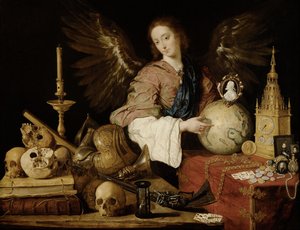
While Pereda is perhaps most celebrated today for his exquisite still lifes, his oeuvre was a vast tapestry that spanned genres. His still lifes are far more than mere studies of objects; they are profound meditations on existence. In these works, the textures of heavy silks, the glint of polished metal, and the delicate decay of organic matter serve as vanitas symbols, reminding the viewer of the fleeting nature of earthly glory. He possessed a singular ability to render the tactile reality of kitchen utensils or floral arrangements with such precision that they seem to pulse with life, yet they always carry an underlying layer of spiritual contemplation.
Beyond the intimate scale of his still lifes, Pereda achieved great renown as a historical painter capable of capturing the weight of empire. His participation in the prestigious commissions for the Salón de Reinos at the Buen Retiro Palace remains one of his most significant professional milestones. Working alongside the legendary Diego Velázquez, Pereda contributed to monumental works such as the ‘Relief of Genoa,’ a piece that demanded an epic scale and a mastery of complex composition. His historical paintings, such as the 1649 masterpiece Family of Darius before Alexander the Great, demonstrate his capacity for high drama, utilizing sweeping narratives and psychological depth to bring pivotal moments of Spanish and classical history to the forefront of the viewer's consciousness.
Artistic Significance and Enduring Influence
The historical significance of Antonio de Pereda y Salgado lies in his role as a bridge between the rigorous traditions of the early 17th century and the more emotive, textured Baroque style that would dominate the mid-century. He was a quintessential member of the Madrid school of painters, a group of contemporaries who flourished under the protection of the Spanish court and religious institutions. His ability to navigate the diverse demands of royal commissions and sacred altarpieces allowed him to leave a multifaceted legacy that enriched the visual culture of Spain.
Even today, Pereda’s work continues to captivate audiences through its intense emotional resonance and technical brilliance. To study his paintings is to witness a master at work, balancing the following elements with unparalleled grace:
- Technical Precision: An unmatched ability to render diverse textures, from the softness of velvet to the cold hardness of stone.
- Symbolic Depth: The use of everyday objects to communicate complex theological and philosophical themes regarding mortality and divinity.
- Dramatic Composition: A masterful command of light and shadow that guides the eye through complex historical narratives.
- Historical Continuity: His role in maintaining the prestige of Spanish painting during a period of immense cultural and political transition.
As he passed away in Madrid in 1678, Pereda left behind a body of work that remains a cornerstone of the Spanish Baroque, reminding us that even the smallest object, when viewed through the lens of a master, can hold the weight of the entire universe.
antonio pereda y salgado
1611 - 1678
Основные сведения
- Artistic Movement Or Style: Baroque
- Artists Or Movements Influenced By This Artist: ['Spanish Baroque']
- Artists Who Influenced This Artist: ['Giovanni Crescenzi']
- Date Of Birth: 1611
- Date Of Death: 1678
- Full Name: Antonio de Pereda y Salgado
- Nationality: Spanish
- Notable Artworks:
- Two Figures at a Table with Kitchen Utensils
- Tobias Restoring His Father's Sight
- Family of Darius before Alexander the Great
- Place Of Birth: Valladolid, Spain