

 Предпросмотр
 Поделиться
 Поделиться
 Детали произведения

 Скачать
 Похожие работы
 Рентгенография
 Слайд-шоу
 Статистика
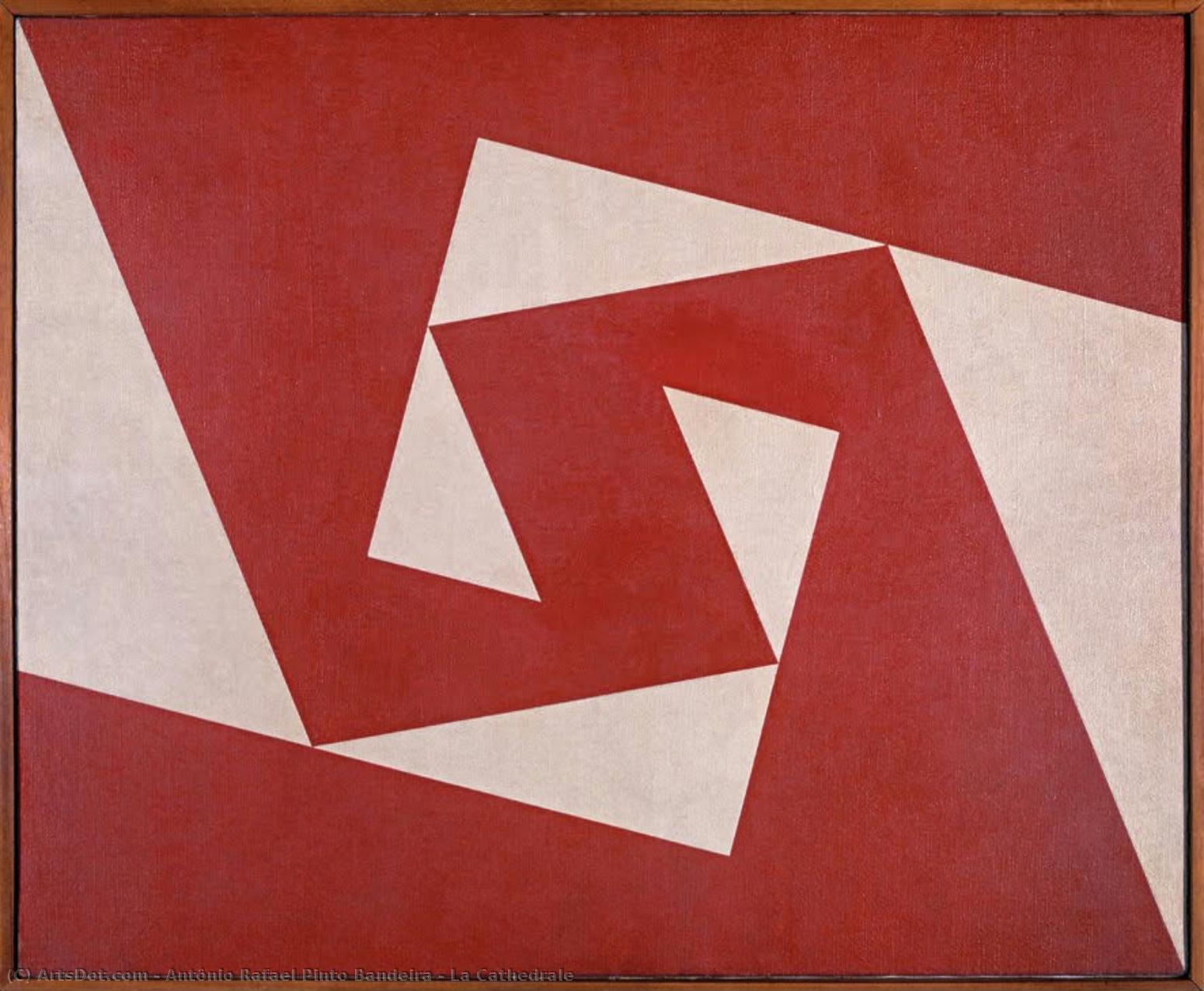
La Cathedrale
 Oil On Canvas
- WallArt
- Cubism
 1955
1955- 19th Century
 100.0 x 81.0 cm
 MAM Rio
 Читать далее
Приобретите цифровое изображение высокого разрешения в улучшенном качестве, которое значительно превосходит онлайн-превью.
Каждый файл тщательно подготавливается нашими специалистами с использованием передовых инструментов и экспертной ручной ретуши. Мы гарантируем исключительную четкость, точную цветопередачу и детальную проработку каждого изображения.
Финальный файл доставляется по электронной почте в течение 72 часов и оптимизирован для немедленного использования в профессиональной среде, при верстке и печати. Это тот же уровень качества, которому доверяют ведущие дизайнерские студии, издательства и галереи.
Цифровое изображение
Скачайте файл высокого разрешения для личного использования, печати и творческих проектов. ( Перейти к печати Купить картину ручной работы)
Включено в каждый заказ цифровых изображений
Гарантия экспертной цифровой доставки
Выбирая ArtsDot.com, вы получаете не просто изображение — вы приобретаете профессионально обработанное цифровое произведение искусства, созданное с безупречной точностью и под защитой гарантии качества. Вот всё, что автоматически входит в ваш заказ:

Мгновенная доставка по e-mail
Ваш цифровой файл в высоком разрешении будет отправлен вам по электронной почте в течение 72 часов после оформления заказа — и сразу станет доступен для использования.

Цифровой файл с ИИ-улучшением
Ваше произведение искусства проходит профессиональную оптимизацию с использованием передовых инструментов ИИ и ручной обработки, что гарантирует максимальную детализацию, четкость и точность цветопередачи.

Бессрочная бесплатная повторная доставка
Случайно удалили или потеряли файл? Не беспокойтесь — мы отправим его вам повторно в любое время и совершенно бесплатно.

Без импортных пошлин — навсегда
Наслаждайтесь вашим произведением искусства мгновенно без таможенных пошлин, сборов или затрат на доставку — цифровые загрузки всегда не облагаются налогом.

Гарантия точности цветопередачи
Мы гарантируем, что ваше цифровое изображение максимально точно передает оригинальные цвета благодаря использованию профессиональных инструментов и систем управления цветом.

Гарантия удовлетворенности 100 дней
Если вы не будете удовлетворены своим цифровым изображением, мы внесем правки или вернем 100% стоимости в течение 100 дней — без лишних вопросов.

100% Гарантия возврата средств
Не удовлетворены покупкой? Получите полный возврат средств в течение 100 дней после получения цифрового файла — без лишних вопросов.

Скидки на оптовые заказы
Купите 3 изображения, сэкономьте 10% — Купите 5, сэкономьте 15% — Купите 10+, сэкономьте 20%. Отличное решение для творческих проектов, галерей и агентств.
A Symphony of Geometry and Color
In the captivating realm of mid-century abstraction, La Cathedrale emerges as a striking testament to the power of geometric reductionism. Created in 1955, this piece transcends mere pattern-making to offer a profound exploration of form and tension. The canvas is dominated by a bold, rhythmic interplay of red and white, where sharp triangles and interlocking polygons dance across the surface. Unlike traditional depictions of sacred architecture, this work does not rely on literal stone or spire; instead, it evokes the monumental essence of a cathedral through the sheer structural integrity of its shapes. Each triangle, whether standing in solitary strength or overlapping its neighbor in complex layers, contributes to a visual architecture that feels both ancient and avant-garde.
The technique employed in this masterpiece relies on a masterful command of contrast. The starkness of the white elements provides a necessary breath of light against the deep, commanding presence of the red pigments, creating a high-contrast environment that commands immediate attention. This interplay suggests a rhythmic pulse, much like the echoing acoustics within a great hall. For the discerning collector or interior designer, the painting offers a sophisticated focal point that balances modern minimalism with a warm, energetic palette. It is a piece that does not merely sit upon a wall but actively engages with the surrounding space, pulling the eye into its intricate, mathematical dance.
Historical Resonance and Emotional Depth
While the artist Antônio Rafael Pinto Bandeira is historically celebrated for his profound engagement with Brazilian landscapes and social realities during the late 19th century, La Cathedrale represents a fascinating departure into the language of pure abstraction. Though the date of 1955 places this specific work in a later era of artistic evolution, it carries the weight of a legacy that seeks to find structure within complexity. The title itself serves as a symbolic bridge; by naming an abstract geometric arrangement after a cathedral, the artist invites us to find the sacred within the mathematical. It suggests that there is a divine order to be found in the precision of lines and the balance of color.
To live with such a piece is to invite a sense of structured vitality into one's environment. The emotional impact of La Cathedrale is one of balanced intensity—it is stimulating without being chaotic, and monumental without being heavy. For those seeking to curate a space that reflects intellectual depth and aesthetic boldness, this reproduction offers an unparalleled opportunity. It serves as a conversation starter, a window into the transformative power of abstraction, and a timeless addition to any collection dedicated to the enduring beauty of geometric art.
Похожие произведения


![Stroyuschiysya Dom [house Under Construction] — Казимир Малевич, Suprematism](/media/artworks/images-thumb/ad/dd/addd6649da2add4f4bf2fe14e561e845.jpg)
Биография художника
Antônio Rafael Pinto Bandeira: A Voice of Brazil’s Soul
Antônio Rafael Pinto Bandeira (9 March 1863 – 28 August 1896) stands as a pivotal, yet often overlooked, figure in Brazilian art. Born in Salvador, Bahia, into a family marked by the legacy of slavery—his father a tailor—Bandeira’s life and artistic journey were deeply intertwined with the social and cultural complexities of his nation. His story is not merely one of an artist; it's a poignant reflection of Brazil’s evolving identity during the late 19th century, grappling with themes of race, class, and the burgeoning desire for national representation through art. Bandeira’s work, characterized by a unique blend of European academic training and a profound engagement with Brazilian landscapes and social realities, offers a valuable window into this transformative period.Early Years and Artistic Formation
Bandeira's artistic path began at the Academia Imperial de Belas Artes (AIB) in Rio de Janeiro at the remarkably young age of sixteen. This prestigious institution provided him with a rigorous classical education, exposing him to the techniques and traditions of European painting—particularly those influenced by French academic styles. He studied under prominent artists like Victor Meirelles and João Zeferino da Costa, mastering portraiture and historical painting. However, Bandeira’s artistic sensibility quickly transcended mere imitation; he demonstrated a keen interest in capturing the essence of Brazil itself. His early works reveal an attempt to synthesize European formal training with a growing awareness of his homeland's diverse landscapes and people. The gold medal awarded him for history painting in 1883 at the “Exposições Geral de Belas Artes” signaled recognition of his emerging talent, though it also highlighted the prevailing biases within the art establishment regarding racial representation.Salvador and a New Artistic Direction
Following the 1887 failure to secure a scholarship for study in Europe—a setback that profoundly affected him—Bandeira relocated to Salvador, Bahia. Here, he assumed the role of Professor of Design and Landscapes at the Liceu de Artes e Ofícios, an institution dedicated to providing artistic training to aspiring artists. This move marked a significant shift in his artistic focus. Salvador, with its vibrant Afro-Brazilian culture, offered a dramatically different environment than Rio’s predominantly Europeanized art scene. Bandeira began to immerse himself in the local landscape—the rugged coastline, the lush vegetation, and the daily lives of its inhabitants—drawing inspiration from this rich cultural tapestry. His work during this period reflected a growing desire to depict Brazilian life authentically, moving beyond idealized representations towards a more nuanced portrayal of his nation’s diverse population and landscapes.Notable Works and Artistic Style
Bandeira's artistic style is often described as a harmonious blend of European academic precision and Brazilian regionalism. He skillfully employed traditional techniques—precise draftsmanship, careful color palettes, and meticulous attention to detail—while simultaneously infusing his paintings with a distinctly Brazilian sensibility. “Lenhador” (Woodcutter), perhaps his most celebrated work, exemplifies this approach. This evocative painting, depicting a solitary figure engaged in the arduous task of felling trees, became an iconic image of Brazilian rural life and was even featured on a commemorative stamp in 2013, celebrating Brazil’s diplomatic relations with Colombia. Other notable works include “Sem título” (Untitled), showcasing his ability to capture atmospheric landscapes, and "La Cathedrale," which demonstrates his interest in architectural subjects. His paintings often feature strong contrasts of light and shadow, creating a dramatic effect that emphasizes the emotional intensity of the scenes he portrays.Legacy and a Tragic End
Despite his artistic achievements, Bandeira’s life was marked by persistent challenges and ultimately ended tragically. Returning to Salvador in 1890, he attempted to establish an independent art school but faced repeated setbacks, contributing to a growing sense of disillusionment. The failure to secure funding and recognition fueled his depression. Sadly, Antônio Rafael Pinto Bandeira drowned in Guanabara Bay in August 1896, reportedly while attempting to launch a small boat. While the official narrative suggested suicide, whispers persisted that the event was accidental, reflecting the complex circumstances surrounding his life and career. Despite his untimely death, Bandeira’s legacy endures as a significant voice in Brazilian art history—a testament to his unique artistic vision and his profound engagement with the social and cultural landscape of his nation. His work continues to be studied and appreciated for its ability to capture the spirit and soul of Brazil.
antônio rafael pinto bandeira
1863 - 1896 , Brazil
Основные сведения
- Artistic Movement Or Style: Regional art education
- Artists Or Movements Influenced By This Artist: ['European techniques']
- Artists Who Influenced This Artist: ['João Zeferino da Costa']
- Date Of Birth: March 9, 1863
- Date Of Death: August 28, 1896
- Full Name: Antônio Rafael Pinto Bandeira
- Nationality: Brazilian
- Notable Artworks:
- Lenhador
- Feiticeira
- Place Of Birth: Rio de Janeiro, Brazil