

 Поделиться
 Поделиться
 Детали произведения

 Скачать
 Похожие работы
 Слайд-шоу
 Статистика
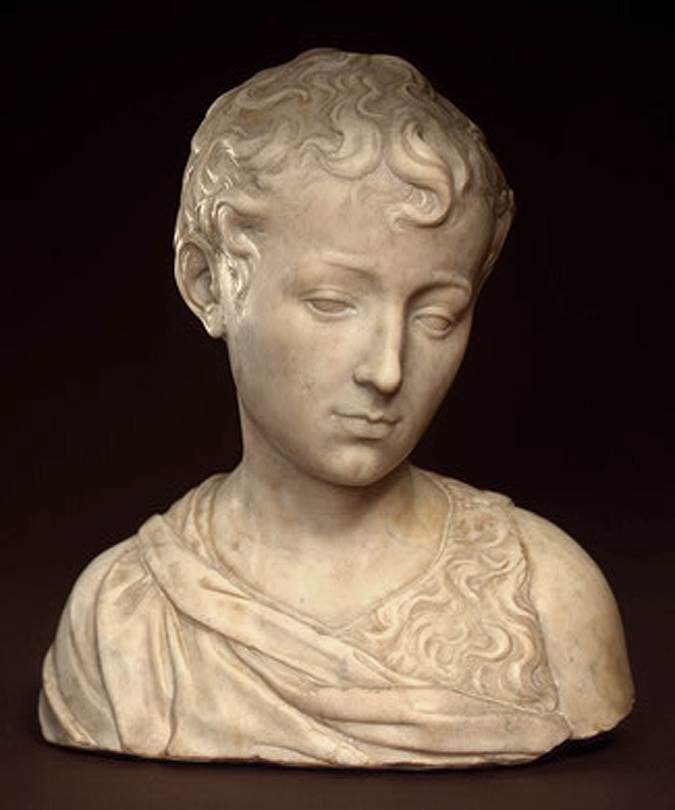
The Young Saint John the Baptist


 Читать далее
Жикле / Арт-принт
Печать (жикле) или холст музейного качества с быстрыми сроками изготовления и широким выбором вариантов отделки. ( Купить картину ручной работы Перейти к цифровым изображениям)




































Выберите один из наших стандартных размеров, соответствующих оригинальным пропорциям произведения искусства.

Вы можете указать свои собственные размеры, чтобы репродукция идеально подошла под конкретную раму или пространство. Если выбранный вами размер не будет соответствовать пропорциям оригинала, мы либо обрежем произведение, либо дополним изображение зеркальным отражением краев или однотонной заливкой. Перед началом производства вам будет отправлен цифровой макет для утверждения.
Пожалуйста, обратите внимание, что предварительный просмотр на экране не отображает фактическую обрезку или расширение изображения. Только макет точно покажет финальную композицию.
Несмотря на возможность заказа индивидуальных размеров, мы рекомендуем выбирать размер из предопределенного списка, чтобы сохранить оригинальные пропорции.
Доставка по всему миру () за 2 недели вместо стандартных 4/5 недель. (12 Сентябрь)

Бесплатная экспресс-доставка по всему миру

Высококачественный льняной холст

Полное страхование доставки

Гарантия возмещения таможенных пошлин

Гарантия точного соответствия цветов

100-дневная политика возврата (только при обнаружении дефектов)

Гарантия возврата 100% средств

Предложение оптовых скидок
 Вариант со стеклом доступен только для размеров менее 110 см

The Young Saint John the Baptist
Жикле / Арт-принт
Размер репродукции
-


Итоговая стоимость
$ 62
A Vision of Florentine Grace
In the quiet, luminous marble of Antonio Rossellino’s The Young Saint John the Baptist, one finds the very heartbeat of the Florentine Renaissance. Sculpted around 1470, this exquisite bust is far more than a mere depiction of a sacred figure; it is a profound meditation on the intersection of human innocence and divine purpose. As the viewer approaches this masterpiece, they are met with a face that seems to breathe, captured in a moment of serene, youthful contemplation. The subject’s downward gaze and soft, enigmatic expression invite an intimate emotional connection, drawing the observer into a world where the boundaries between the earthly and the spiritual begin to dissolve.
The sculpture serves as a cornerstone of humanist ideals, reflecting an era when artists sought to rediscover the anatomical precision and classical dignity of antiquity. Through Rossellino’s masterful hands, the cold, rigid medium of marble is transformed into something remarkably supple and alive. The delicate rendering of the curly hair, the subtle swell of the lips, and the meticulous carving of the drapery all speak to a level of craftsmanship that defines the pinnacle of 15th-century Italian skill. For the discerning collector or interior designer, this piece offers an unparalleled sense of timeless elegance, bringing a touch of historical weight and classical sophistication to any curated space.
Mastery in Marble and Light
The technical brilliance of Rossellino lies in his ability to manipulate light and shadow across the polished surface of the stone. Drawing inspiration from the Roman portraiture tradition, the artist utilized a technique of meticulous carving and polishing to achieve a smooth, almost luminous finish that catches the light with every subtle movement of the viewer. This interplay of light creates a sense of three-dimensionality that is truly captivating; the soft shadows nestled within the folds of the drapery provide a rhythmic depth, while the highlights on the brow and cheekbones emphasize the subject's youthful vitality.
This mastery of texture—from the granular detail of the hair to the fluid, organic lines of the clothing—demonstrates a profound understanding of both form and medium. The sculpture’s composition, centered and balanced, exudes a sense of stability and permanence. It is this very balance that makes the work so suitable for high-quality reproductions; the clarity of its lines and the strength of its silhouette ensure that its impact remains potent, whether viewed in the hallowed halls of the National Gallery of Art or as a centerpiece in a refined private collection.
A Legacy of Spiritual and Artistic Harmony
To understand this work is to understand the cultural landscape of Florence during the Quattrocento. Originally housed in the Oratory of S. Francesco dei Vanchettoni, the bust was part of a larger sacred dialogue, often displayed alongside works like Desiderio da Settignano’s Christ Child. This context imbues the sculpture with a layer of symbolic resonance, representing a period where artistic excellence was viewed as an act of devotion. The peacefulness of the Saint John figure acts as a visual anchor, offering a sense of tranquility and spiritual repose that is deeply sought after in contemporary art decoration.
For those looking to infuse their surroundings with inspiration, The Young Saint John the Baptist offers more than just aesthetic beauty; it provides an atmosphere of dignity and intellectual depth. Whether one is drawn to its Neoclassical echoes or its profound emotional vulnerability, the piece remains a testament to the enduring power of Renaissance art. Owning a reproduction of such a significant work allows for the preservation of this Florentine legacy, ensuring that the spirit of Rossellino’s genius continues to illuminate modern lives.
Похожие произведения


Биография художника
The Sculptor of Florentine Humanism
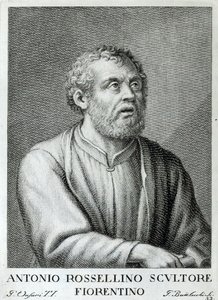
Antonio Gamberelli, known to history by the evocative moniker Antonio Rossellino—a name inspired by the distinctive color of his hair—stands as a luminous figure within the pantheon of the Italian Renaissance. Born in the quiet, artistic enclave of Settignano near Florence around 1427, he emerged not merely as a craftsman, but as a sculptor capable of breathing life into cold marble and malleable terracotta. His journey was inextricably linked to the intellectual and aesthetic currents of Florence, a city then undergoing a profound transformation driven by humanist ideals. Through his hands, the rigid forms of the medieval past dissolved, replaced by a new language of anatomical precision, emotional vulnerability, and a deep reverence for the natural world.
The foundations of Rossellino’s mastery were laid under the watchful eye of his elder brother, Bernardo Rossellino. A titan of architectural innovation, Bernardo provided Antonio with an unparalleled apprenticeship, introducing him to the complexities of large-scale monumental works and the delicate art of polychrome marble inlay. This early exposure to the structural demands of architecture and the decorative richness of the Cappella dei Medici style instilled in Antonio a meticulous attention to detail. He learned that a sculpture was not merely an object to be viewed, but a presence to inhabit a space, a lesson that would later define his ability to command both grand ecclesiastical commissions and intimate devotional reliefs.
A Mastery of Form and Emotion
As his career flourished, Rossellino developed a signature style characterized by a breathtaking balance between classical grace and poignant realism. His work often sought to capture the fleeting nuances of human expression, a feat achieved through subtle gestures and a profound understanding of light and shadow. In his marble works, such as the Young Saint John the Baptist, one observes a remarkable anatomical accuracy that reflects the burgeoning scientific curiosity of the Renaissance. Yet, beneath this technical perfection lies a soulful tenderness, an ability to evoke empathy in the viewer through the soft curve of a limb or the gentle tilt of a head.
This emotional depth reached new heights in his use of terracotta, a medium that allowed for even greater fluidity and immediacy. His relief, Virgin and the Shivering Child, serves as a poignant testament to this mastery. In this work, the warmth of the clay facilitates a sense of intimacy and vulnerability, showcasing the delicate beauty of the Madonna and the raw, human reality of the infant. Such pieces demonstrate how Rossellino could navigate the spectrum of Renaissance art, moving seamlessly from the monumental narrative power required for pulpit decorations to the quiet, contemplative intensity of private devotional objects.
Legacy and Historical Significance
The significance of Antonio Rossellino extends far beyond his individual masterpieces; he was a vital participant in the collective artistic evolution of 15th-century Florence. His collaborations, most notably with Mino da Fiesole on the ambitious sculptural programs for Prato’s pulpit, highlight his role within a vibrant community of artists working toward a shared vision of beauty and truth. His contributions to the Chapel of Cardinal Portugal at San Miniato al Monte further cement his reputation as a sculptor capable of handling complex theological narratives through sophisticated relief work.
Ultimately, Rossellino’s legacy is found in the enduring resonance of his subjects. He captured the essence of the human condition during one of history's most transformative eras, bridging the gap between the divine and the earthly. His ability to infuse stone and clay with a sense of living breath ensured that his work would remain a cornerstone of Florentine art, inspiring generations of sculptors to pursue the same harmonious union of technical brilliance and profound human emotion.
Antonio Rossellino
1427 - 1479 , Italy
Основные сведения
- Artistic Movement Or Style: Renaissance Sculpture
- Artists Or Movements Influenced By This Artist: ['Renaissance']
- Artists Who Influenced This Artist: ['Bernardo Rossellino']
- Date Of Birth: Settignano, Italy (1427)
- Date Of Death: Naples (1479)
- Full Name: Antonio Rossellino
- Nationality: Italian
- Notable Artworks:
- Young Saint John the Baptist
- Virgin and the Shivering Child
- Mary with child (Fragment)
- Place Of Birth: Settignano
Похожие статьи

Джон Констебль: 25 шедевров английского пейзажа для вашего интерьера
Погрузитесь в мир английского пейзажа с Джоном Констеблом! 25 шедевров романтизма, история создания картин и вдохновение для вашего интерьера. Репродукции высокого качества на ArtsDot.com – искусство для ценителей.
Джон Сингер Сарджент: 25 шедевров портретной живописи для вашего интерьера | ArtsDot
Погрузитесь в мир Джона Сингера Сарджента! 25 шедевров импрессионизма и реализма, раскрывающих элегантность эпохи Gilded Age. Купите репродукции картин Сарджента музейного качества для вашего интерьера на ArtsDot.com.

10 легендарных бронзовых скульптур, изменивших искусство навсегда | ArtsDot
Погрузитесь в мир великих бронзовых скульптур! От Давида Микеланджело до работ Родена – история искусства, техники и вдохновения. Купите репродукции шедевров для вашего интерьера на ArtsDot.com
The Enduring Allure of Marble in Art History: From Classical Sculpture to Modern Abstraction
Explore the captivating history of marble sculpture from ancient Greece to modern art. Discover renowned artists like Canova & Michelangelo, carving techniques, and investment insights at ArtsDot.

The Enduring Form: Exploring Themes & Techniques in Sculpture Across Historical Periods
Explore the rich history of sculpture from ancient masterpieces to contemporary innovations. Discover key techniques, influential artists & investment potential for discerning art collectors.