 Предпросмотр
 Поделиться
 Поделиться
 Детали произведения

 Скачать
 Похожие работы
 Рентгенография
 Слайд-шоу
 Статистика
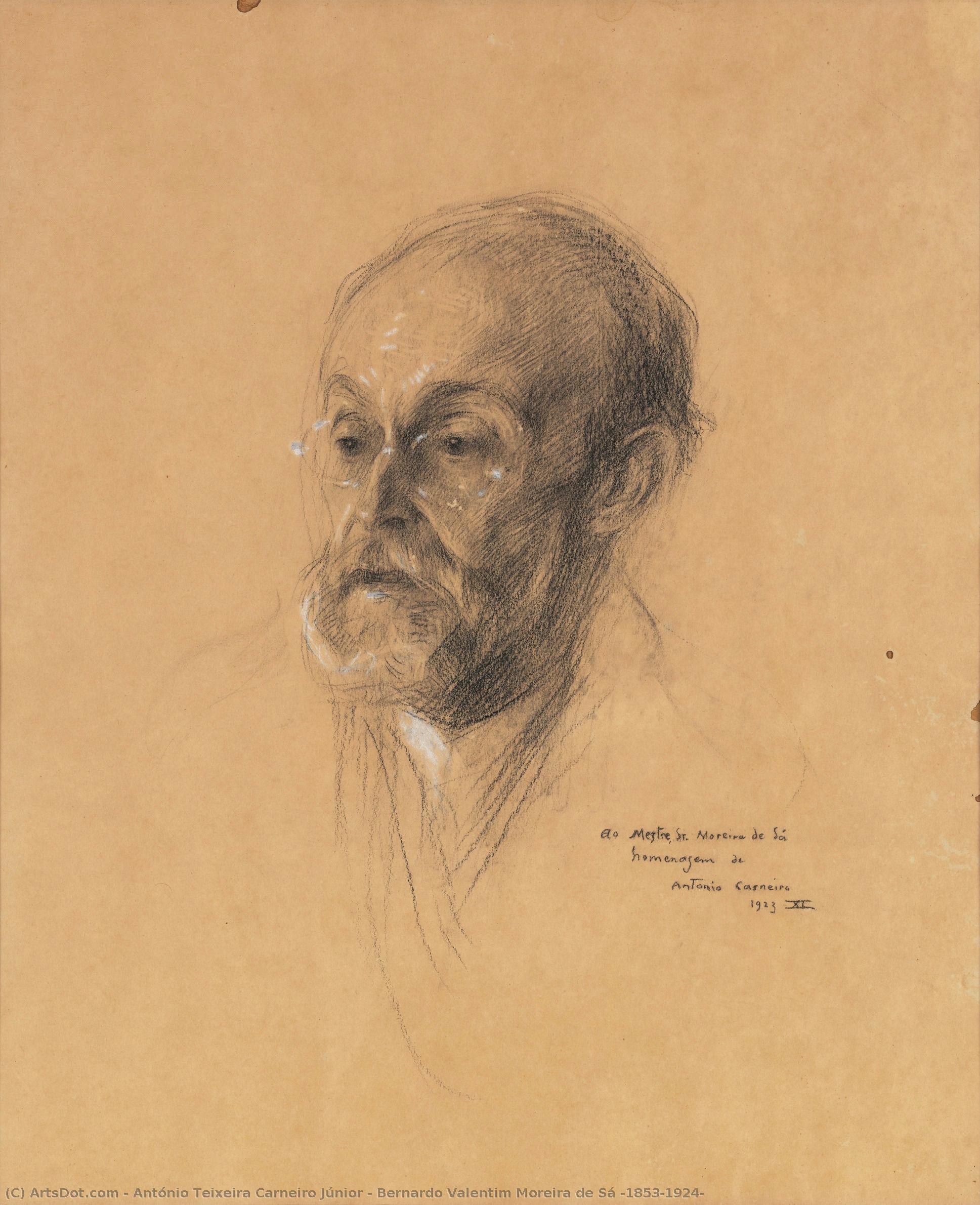
Bernardo Valentim Moreira de Sá (1853-1924)
 Charcoal
- WallArt
- Expressionism
 1923
1923- Modern
 67.0 x 57.0 cm
 Museu Nacional da Música
 Читать далее
Масляная репродукция ручной работы
Картина маслом на холсте в выбранном вами размере и раме, написанная на заказ нашими художниками. ( Перейти к печати Перейти к цифровым изображениям)




P118B $10

P118H $10

P118W $10

P438Z $10

P508JH $12

P508YH $12

P805H $10

P805Z $10

P919BZ $10

P919G $10

P919XJ $10

P959ZH $10

P968JZ $12

W106C $8

W218G $10

W218JH $8

W218Y $10

W307PJ $10

W316G $10

W316PJ $8

W316Y $10

W398PJ $8

W4111J $10

W500HY $15

W500JH $15

W692G $12

W849H $8

W940BG $15

W953PJ $8




Выберите один из наших стандартных размеров, соответствующих оригинальным пропорциям произведения искусства.

Вы можете указать собственные размеры, чтобы картина идеально вписалась в выбранную раму или пространство. Если выбранный вами размер не соответствует пропорциям оригинала, мы либо обрежем полотно, либо расширим его за счет дополнительных элементов, написанных вручную. Цифровой макет будет отправлен вам на утверждение перед началом производства.
Обратите внимание, что предварительный просмотр на экране не отражает фактическую обрезку или расширение. Только макет точно покажет окончательную композицию.
Хотя доступны индивидуальные размеры, мы рекомендуем выбирать вариант из предопределенного списка, чтобы сохранить исходные пропорции.
После оформления заказа команда ArtsDot.com свяжется с клиентом по электронной почте для уточнения деталей и предоставит предварительный макет
Доставка по всему миру () за 3–4 недели вместо стандартных 5 недель. (13 Сентябрь). Без компромиссов в качестве.

Бесплатная экспресс-доставка по всему миру

Высококачественный льняной холст

Полное страхование доставки

Гарантия возмещения таможенных пошлин

Гарантия точного соответствия цветов

100-дневная политика возврата (только при обнаружении дефектов)

Гарантия возврата 100% средств

Предложение оптовых скидок
 Вариант со стеклом доступен только для размеров менее 110 см

Bernardo Valentim Moreira de Sá (1853-1924)
Техника репродукции
Размер репродукции
-


Итоговая стоимость
$ 263
A Soul Captured in Charcoal: The Portrait of Bernardo Valentim Moreira de Sá
In the delicate interplay of shadow and light, António Teixeira Carneiro Júnior presents us with more than just a likeness; he offers a profound meditation on the passage of time. This masterful charcoal drawing, created in 1923, serves as an intimate encounter with Bernardo Valentim Moreira de Sá, a man whose name was synonymous with the musical heartbeat of Porto. Through the artist's expressive hand, we do not merely see a face, but rather feel the weight of a lifetime of wisdom and the quiet dignity of a celebrated conductor and musicologist. The portrait is a testament to the power of monochrome, proving that color is often unnecessary when the depth of character can be articulated through the subtle gradations of carbon and paper.
The technique employed by Carneiro Júnior is nothing short of virtuosic, utilizing the raw, tactile nature of charcoal to sculpt form from the void. The artist employs a sophisticated language of hatching and cross-hatching, building layers of density that simulate the weathered texture of skin and the soft, silvered contours of age. Every stroke feels intentional, contributing to an organic composition where the subject emerges from a warm, sepia-toned atmosphere. The lighting, appearing to descend from above, casts soft shadows across the planes of the face, creating a three-dimensional volume that breathes within the two-dimensional space. This mastery of texture—from the fine lines of a wrinkle to the ruggedness of the paper itself—invites the viewer to reach out and touch the history etched into the subject's features.
The Resonance of Expressionism and Memory
Rooted in the burgeoning Portuguese Expressionist movement, this work transcends simple realism to touch upon the psychological. Carneiro Júnior, an artist whose own life was shaped by the profound shadows of loss and the sanctuary of the orphanage, possessed a unique ability to imbally emotional resonance into his subjects. In this portrait, there is a palpable sense of melancholy intertwined with strength. The tight cropping of the composition forces a direct, unavoidable confrontation with Moreira de Sá, stripping away the distractions of setting or costume to focus entirely on the essence of the man. It is a study in presence; the subject’s gaze and posture suggest a spirit that has navigated the complexities of art, pedagogy, and culture with grace.
For the discerning collector or interior designer, this piece offers a timeless elegance that transcends modern trends. Its muted palette and classical subject matter make it an ideal centerpiece for a sophisticated study, a library, or a gallery wall dedicated to historical significance. As a high-quality reproduction, it brings the somber beauty of early 20th-century Portuguese art into the contemporary home, providing a focal point that sparks conversation and invites contemplation. To possess this work is to hold a fragment of musical and artistic history, a piece that breathes life into any space through its profound emotional depth and technical brilliance.
Похожие произведения
Биография художника
A Life Forged in Shadow and Light: The World of António Teixeira Carneiro Júnior
António Teixeira Carneiro Júnior, a pivotal figure in Portuguese Expressionism, was an artist whose life story is as compelling and emotionally resonant as the canvases he imbued with psychological depth. Born in Amarante, Portugal, in 1872, his early years were marked by profound loss and abandonment. The absence of his father and the untimely death of his mother led to a childhood spent within the walls of the Santa Casa da Misericórdia orphanage in Porto. This formative experience, while undoubtedly difficult, proved unexpectedly crucial; it was there that Carneiro received his initial artistic training, nurturing a nascent talent for drawing through copying religious illustrations – a practice that instilled in him a deep understanding of composition and form, yet also hinted at the melancholic themes he would later explore. The institution provided not merely shelter but also a spark—an early recognition of an ability that would define his life’s path. It was this foundation that ultimately led him to the Escola Superior de Belas-Artes do Porto in 1884, where he studied under João Marques de Oliveira, beginning a formal artistic education that would soon blossom into something uniquely his own.Parisian Influences and the Birth of an Expressionist Vision
The trajectory of Carneiro’s artistry took a significant turn with his sojourn to Paris. Enrolling at the Académie Julien in 1897, he immersed himself in the artistic currents of the French capital, studying under luminaries like Jean-Paul Laurens and Jean-Joseph Benjamin-Constant. This period proved transformative, exposing him to new techniques and aesthetic philosophies that would profoundly influence his style. He was particularly drawn to Symbolist ideas – a movement characterized by its exploration of dreams, myths, and the subconscious—and began to experiment with darker palettes and emotionally charged imagery. However, Carneiro didn’t simply absorb these influences; he synthesized them with a distinctly Portuguese sensibility, forging an artistic voice that was both modern and deeply rooted in his own cultural heritage. He moved away from the prevailing naturalism of the era, gravitating towards a more subjective and expressive approach to art. It was during this time that he began to develop his signature style – characterized by intense psychological depth, haunting figures, and a palpable sense of melancholy. This culminated in his groundbreaking triptych “A Vida” (Life), completed around 1900, which depicted the cycle of human existence from birth to death—a profound meditation on mortality and the ephemeral nature of life. The work earned him a Silver Medal at the Exposition Universelle in Paris – a pivotal moment that signaled the beginning of widespread recognition for his unique artistic vision.A Master of Psychological Portraiture and Landscape
Carneiro’s oeuvre is characterized by an intense focus on psychological depth, particularly evident in his portraits. He wasn't interested in mere physical likeness; rather, he sought to capture the essence of his subjects—their inner turmoil, their hopes, their fears. His figures often possess a haunting quality, their eyes gazing out with an unsettling intensity that draws the viewer into their emotional world. This ability to convey profound psychological states extended beyond portraiture and permeated his landscapes as well. He didn’t simply depict scenes; he imbued them with mood and atmosphere, transforming natural settings into reflections of the human condition. His landscapes are often stark and dramatic, reflecting a sense of isolation and existential questioning – reminiscent of the desolate beauty found in Portuguese rural areas. Throughout his career, Carneiro also engaged in illustration, producing evocative drawings for Dante’s *Inferno* that showcase his mastery of line and shadow. He was a prolific artist, constantly experimenting with different techniques and styles, yet always remaining true to his core artistic principles – a commitment to emotional honesty and a willingness to confront difficult themes.A Professor and Cultural Force
Beyond his accomplishments as a painter and illustrator, António Carneiro left an enduring legacy as an educator and cultural figure. In 1918, he was appointed Chair of the drawing department at the Escola de Belas-Artes do Porto, where he profoundly influenced generations of aspiring artists. He wasn’t merely a technical instructor; he encouraged his students to explore their own artistic voices, to challenge conventions, and to embrace experimentation. His teachings fostered a spirit of innovation that helped shape the course of Portuguese art in the 20th century. Furthermore, Carneiro was deeply involved in Portugal's literary and cultural scene, contributing to influential magazines like *Atlantida* and *Renascença Portuguesa*. He actively participated in intellectual debates and played a key role in shaping the artistic discourse of his time – becoming known as “the most intellectual artist of his time.”Rediscovering Carneiro: Museums and Continued Appreciation
Today, António Teixeira Carneiro Júnior's works can be found in prominent collections across Portugal, including the Centro de Arte Moderna Gulbenkian in Lisbon and the Museu da Fundação Dionísio Pinheiro e Alice Cardoso Pinheiro in Águeda. These institutions provide opportunities for audiences to engage with his art firsthand, appreciating the nuances of his technique and the depth of his emotional expression. The Museu da Fundação Dionísio Pinheiro e Alice Cardoso Pinheiro, in particular, holds a significant collection of Carneiro’s work, offering valuable insights into his artistic development. His paintings continue to be exhibited internationally, ensuring that his legacy endures for future generations. As scholars and art enthusiasts alike rediscover the richness and complexity of his oeuvre, António Teixeira Carneiro Júnior is rightfully taking his place among the most important figures in Portuguese Expressionism—an artist whose life and work serve as a testament to the power of art to illuminate the human condition.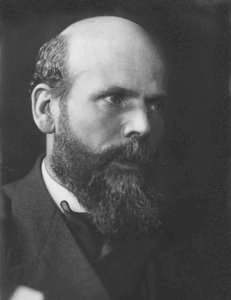
Антониу Теексиера Карейру Жуниор
1872 - 1930 , Португалия
Основные сведения
- Artistic Movement Or Style: Экспрессионизм
- Artists Or Movements Influenced By This Artist: ['Португале́ская экспрессионизм']
- Artists Who Influenced This Artist:
- Жуан Маркес де Оливейра
- Жан-Поль Ларен
- Жан-Жозеф Бенджамин-Констант
- Date Of Birth: 1872
- Date Of Death: 1930
- Full Name: António Teixeira Carneiro Júnior
- Nationality: Португалецо́в
- Notable Artworks:
- Пейзаж – Леса́ да Пальмеира
- Діонісіо Пінхеиро профиль
- Неназвание
- Place Of Birth: Амара́нте, Португа́л
Похожие статьи
Antonio Zeno Shindler: A Pioneer of Cross-Cultural Portraiture in Early Modernism
Explore the life & work of Antonio Zeno Shindler, a pivotal figure in early modernist portraiture. Discover his unique style, anthropological collaborations, and lasting impact on cultural representation. Expert analysis for discerning collectors.
Antonio Canova: Neoclassical Sculpture & the Pursuit of Emotional Perfection
Explore the life & art of Antonio Canova, the greatest Neoclassical sculptor. Discover his masterpieces, innovative techniques, and lasting influence on fine art collecting. Expert insights for discerning investors.
Alfredo Roque Gameiro: A Portuguese Master of Historical Painting & Artistic Eclecticism
Discover Alfredo Roque Gameiro (1864-1935), a renowned Portuguese painter celebrated for his vibrant watercolors and historical illustrations. Explore his legacy & artworks at ArtsDot.
Топ-10 знаменитых картин в оттенках угля: искусство, история и декор от ArtsDot
Погрузитесь в мир искусства угля! Откройте топ-10 знаменитых картин, где драматизм и глубина оттенков создают шедевры. История художников, техники живописи и вдохновение для вашего интерьера на ArtsDot.com
Bernardo Bellotto: Canaletto's Nephew & Master of Veduta Painting – A Comprehensive Exploration
Explore the life & art of Bernardo Bellotto, Canaletto’s nephew and a master of veduta painting. Discover his stunning cityscapes of Dresden & Warsaw, artistic techniques, and lasting legacy. Expert insights for collectors.