 Предпросмотр
 Поделиться
 Поделиться
 Детали произведения

 Скачать
 Похожие работы
 Рентгенография
 Слайд-шоу
 Статистика
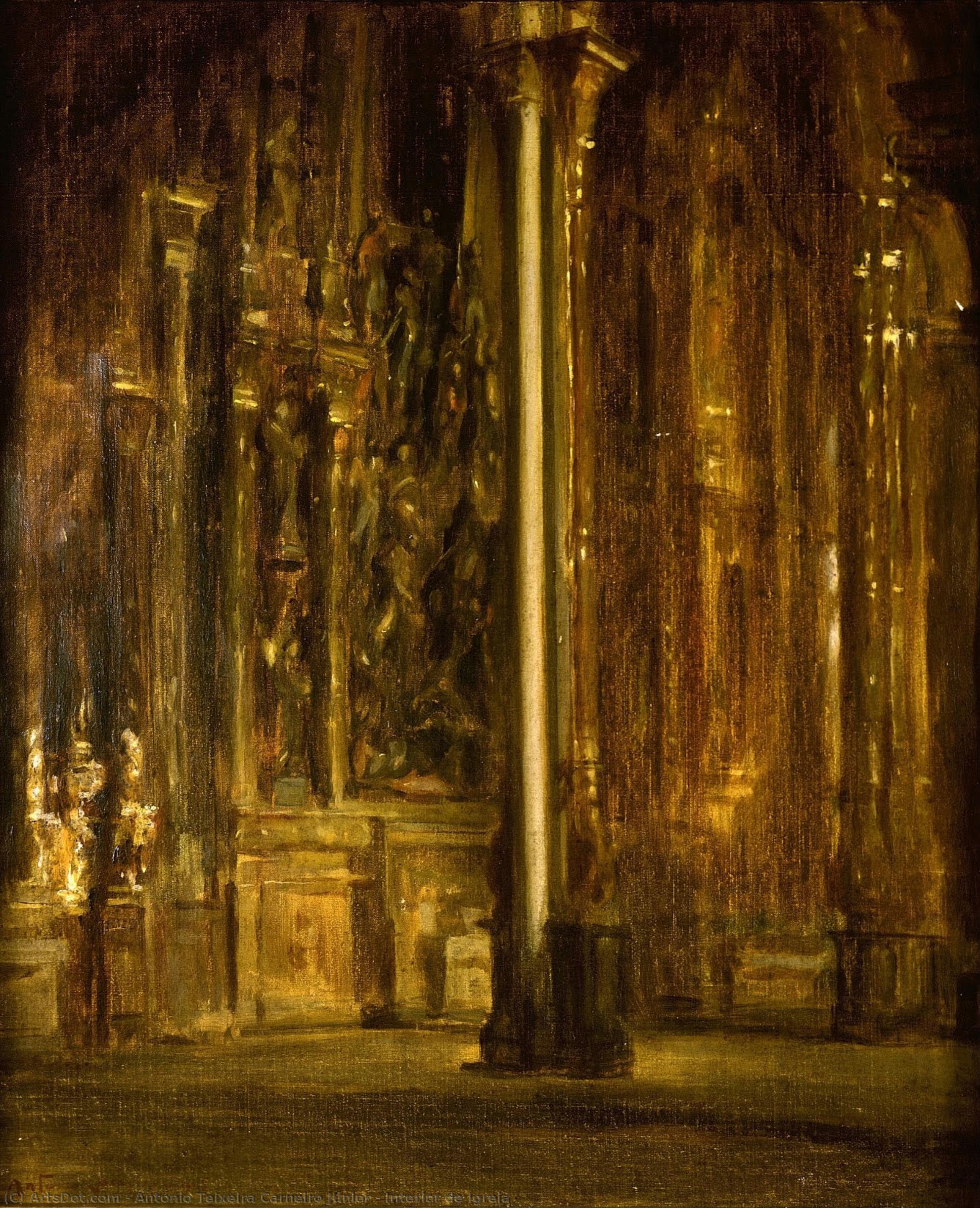
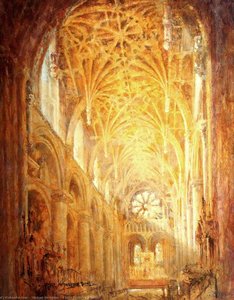
Interior de Igreja
 Oil On Canvas
- WallArt
- Expressionismo Português
 1905
1905- 19th Century
 61.0 x 50.0 cm
 Centro de Arte Moderna Gulbenkian
 Читать далее
Масляная репродукция ручной работы
Картина маслом на холсте в выбранном вами размере и раме, написанная на заказ нашими художниками. ( Перейти к печати Перейти к цифровым изображениям)




P118B $10

P118H $10

P118W $10

P438Z $10

P508JH $12

P508YH $12

P805H $10

P805Z $10

P919BZ $10

P919G $10

P919XJ $10

P959ZH $10

P968JZ $12

W106C $8

W218G $10

W218JH $8

W218Y $10

W307PJ $10

W316G $10

W316PJ $8

W316Y $10

W398PJ $8

W4111J $10

W500HY $15

W500JH $15

W692G $12

W849H $8

W940BG $15

W953PJ $8




Выберите один из наших стандартных размеров, соответствующих оригинальным пропорциям произведения искусства.

Вы можете указать собственные размеры, чтобы картина идеально вписалась в выбранную раму или пространство. Если выбранный вами размер не соответствует пропорциям оригинала, мы либо обрежем полотно, либо расширим его за счет дополнительных элементов, написанных вручную. Цифровой макет будет отправлен вам на утверждение перед началом производства.
Обратите внимание, что предварительный просмотр на экране не отражает фактическую обрезку или расширение. Только макет точно покажет окончательную композицию.
Хотя доступны индивидуальные размеры, мы рекомендуем выбирать вариант из предопределенного списка, чтобы сохранить исходные пропорции.
После оформления заказа команда ArtsDot.com свяжется с клиентом по электронной почте для уточнения деталей и предоставит предварительный макет
Доставка по всему миру () за 3–4 недели вместо стандартных 5 недель. (10 Сентябрь). Без компромиссов в качестве.

Бесплатная экспресс-доставка по всему миру

Высококачественный льняной холст

Полное страхование доставки

Гарантия возмещения таможенных пошлин

Гарантия точного соответствия цветов

100-дневная политика возврата (только при обнаружении дефектов)

Гарантия возврата 100% средств

Предложение оптовых скидок
 Вариант со стеклом доступен только для размеров менее 110 см

Interior de Igreja
Техника репродукции
Размер репродукции
-


Итоговая стоимость
$ 263
A Glimpse into Faith: António Teixeira Carneiro Júnior’s ‘Interior de Igreja’
António Teixeira Carneiro Júnior's 1905 oil on canvas, ‘Interior de Igreja,’ is more than a depiction of a church interior; it’s a poignant meditation on loss, faith, and the enduring spirit found within sacred spaces. Measuring 61 x 50 cm, this work immediately draws the viewer into a world of subdued light and quiet contemplation, reflecting the artist's own deeply personal experiences.
- The Artist’s Journey: Born in Amarante in 1872, Júnior’s life was profoundly shaped by early hardship. His childhood within the Santa Casa da Misericórdia orphanage instilled a sensitivity to human suffering and a unique perspective that would later permeate his art. This formative period, marked by absence and sorrow, fueled an artistic drive rooted in psychological depth – a hallmark of Portuguese Expressionism.
- Expressionist Roots: Júnior’s work aligns with the burgeoning Expressionist movement in Portugal, characterized by its focus on emotional intensity and subjective experience rather than purely objective representation. The muted palette and dramatic use of light contribute to this expressive quality, conveying a sense of solemnity and introspection.
Composition and Technique – A Study in Light and Shadow
The composition of ‘Interior de Igreja’ is meticulously crafted, utilizing strong vertical lines created by the towering archway and columns to draw the eye upwards, symbolizing aspiration and connection with the divine. The placement of figures—some absorbed in quiet contemplation, others lost in thought—adds a layer of narrative complexity, inviting viewers to project their own interpretations onto the scene. Júnior’s brushwork is characterized by thick impasto strokes, particularly evident in the columns and architectural details, lending a tactile quality to the canvas and enhancing the sense of solidity and permanence.
- Oil on Canvas: The use of oil paint allowed Júnior to achieve rich colors and subtle gradations of tone, essential for creating the atmospheric effect of dim light filtering through the church’s architecture.
- Impasto Technique: The textured application of paint adds a sculptural dimension to the work, emphasizing the physicality of the space and enhancing its emotional impact.
Symbolism and Historical Context – Echoes of Portugal
‘Interior de Igreja’ is deeply rooted in Portuguese religious tradition and the social context of early 20th-century Portugal. The church itself represents a sanctuary, a place of solace and spiritual refuge—a concept particularly resonant given Júnior's own experiences with loss and isolation. The scene evokes a sense of timelessness, suggesting that the struggles and aspirations represented within are universal and enduring. The painting’s creation coincides with a period of significant social and political change in Portugal, marked by growing anxieties about modernity and a yearning for stability – themes subtly reflected in the solemnity of the depicted space.
Emotional Impact and Artistic Value – A Timeless Masterpiece
Beyond its technical merits, ‘Interior de Igreja’ possesses a profound emotional resonance. Júnior's ability to translate personal suffering into artistic expression elevates this work beyond a simple representation of a church interior; it becomes a powerful testament to the human condition. This hand-painted reproduction captures not only the visual details but also the spirit and atmosphere of the original, offering an exceptional opportunity to bring a touch of timeless beauty and contemplative power into any setting. Its size (61 x 50 cm) makes it suitable for a variety of interior design schemes, from formal studies to more relaxed living spaces.
Похожие произведения
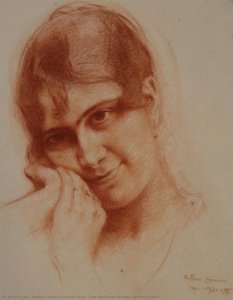
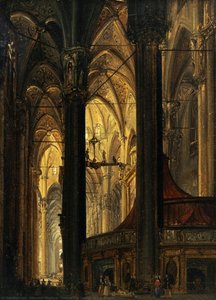
Биография художника
A Life Forged in Shadow and Light: The World of António Teixeira Carneiro Júnior
António Teixeira Carneiro Júnior, a pivotal figure in Portuguese Expressionism, was an artist whose life story is as compelling and emotionally resonant as the canvases he imbued with psychological depth. Born in Amarante, Portugal, in 1872, his early years were marked by profound loss and abandonment. The absence of his father and the untimely death of his mother led to a childhood spent within the walls of the Santa Casa da Misericórdia orphanage in Porto. This formative experience, while undoubtedly difficult, proved unexpectedly crucial; it was there that Carneiro received his initial artistic training, nurturing a nascent talent for drawing through copying religious illustrations – a practice that instilled in him a deep understanding of composition and form, yet also hinted at the melancholic themes he would later explore. The institution provided not merely shelter but also a spark—an early recognition of an ability that would define his life’s path. It was this foundation that ultimately led him to the Escola Superior de Belas-Artes do Porto in 1884, where he studied under João Marques de Oliveira, beginning a formal artistic education that would soon blossom into something uniquely his own.Parisian Influences and the Birth of an Expressionist Vision
The trajectory of Carneiro’s artistry took a significant turn with his sojourn to Paris. Enrolling at the Académie Julien in 1897, he immersed himself in the artistic currents of the French capital, studying under luminaries like Jean-Paul Laurens and Jean-Joseph Benjamin-Constant. This period proved transformative, exposing him to new techniques and aesthetic philosophies that would profoundly influence his style. He was particularly drawn to Symbolist ideas – a movement characterized by its exploration of dreams, myths, and the subconscious—and began to experiment with darker palettes and emotionally charged imagery. However, Carneiro didn’t simply absorb these influences; he synthesized them with a distinctly Portuguese sensibility, forging an artistic voice that was both modern and deeply rooted in his own cultural heritage. He moved away from the prevailing naturalism of the era, gravitating towards a more subjective and expressive approach to art. It was during this time that he began to develop his signature style – characterized by intense psychological depth, haunting figures, and a palpable sense of melancholy. This culminated in his groundbreaking triptych “A Vida” (Life), completed around 1900, which depicted the cycle of human existence from birth to death—a profound meditation on mortality and the ephemeral nature of life. The work earned him a Silver Medal at the Exposition Universelle in Paris – a pivotal moment that signaled the beginning of widespread recognition for his unique artistic vision.A Master of Psychological Portraiture and Landscape
Carneiro’s oeuvre is characterized by an intense focus on psychological depth, particularly evident in his portraits. He wasn't interested in mere physical likeness; rather, he sought to capture the essence of his subjects—their inner turmoil, their hopes, their fears. His figures often possess a haunting quality, their eyes gazing out with an unsettling intensity that draws the viewer into their emotional world. This ability to convey profound psychological states extended beyond portraiture and permeated his landscapes as well. He didn’t simply depict scenes; he imbued them with mood and atmosphere, transforming natural settings into reflections of the human condition. His landscapes are often stark and dramatic, reflecting a sense of isolation and existential questioning – reminiscent of the desolate beauty found in Portuguese rural areas. Throughout his career, Carneiro also engaged in illustration, producing evocative drawings for Dante’s *Inferno* that showcase his mastery of line and shadow. He was a prolific artist, constantly experimenting with different techniques and styles, yet always remaining true to his core artistic principles – a commitment to emotional honesty and a willingness to confront difficult themes.A Professor and Cultural Force
Beyond his accomplishments as a painter and illustrator, António Carneiro left an enduring legacy as an educator and cultural figure. In 1918, he was appointed Chair of the drawing department at the Escola de Belas-Artes do Porto, where he profoundly influenced generations of aspiring artists. He wasn’t merely a technical instructor; he encouraged his students to explore their own artistic voices, to challenge conventions, and to embrace experimentation. His teachings fostered a spirit of innovation that helped shape the course of Portuguese art in the 20th century. Furthermore, Carneiro was deeply involved in Portugal's literary and cultural scene, contributing to influential magazines like *Atlantida* and *Renascença Portuguesa*. He actively participated in intellectual debates and played a key role in shaping the artistic discourse of his time – becoming known as “the most intellectual artist of his time.”Rediscovering Carneiro: Museums and Continued Appreciation
Today, António Teixeira Carneiro Júnior's works can be found in prominent collections across Portugal, including the Centro de Arte Moderna Gulbenkian in Lisbon and the Museu da Fundação Dionísio Pinheiro e Alice Cardoso Pinheiro in Águeda. These institutions provide opportunities for audiences to engage with his art firsthand, appreciating the nuances of his technique and the depth of his emotional expression. The Museu da Fundação Dionísio Pinheiro e Alice Cardoso Pinheiro, in particular, holds a significant collection of Carneiro’s work, offering valuable insights into his artistic development. His paintings continue to be exhibited internationally, ensuring that his legacy endures for future generations. As scholars and art enthusiasts alike rediscover the richness and complexity of his oeuvre, António Teixeira Carneiro Júnior is rightfully taking his place among the most important figures in Portuguese Expressionism—an artist whose life and work serve as a testament to the power of art to illuminate the human condition.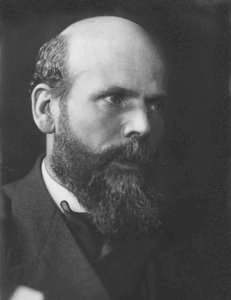
Антониу Теексиера Карейру Жуниор
1872 - 1930 , Португалия
Основные сведения
- Artistic Movement Or Style: Экспрессионизм
- Artists Or Movements Influenced By This Artist: ['Португале́ская экспрессионизм']
- Artists Who Influenced This Artist:
- Жуан Маркес де Оливейра
- Жан-Поль Ларен
- Жан-Жозеф Бенджамин-Констант
- Date Of Birth: 1872
- Date Of Death: 1930
- Full Name: António Teixeira Carneiro Júnior
- Nationality: Португалецо́в
- Notable Artworks:
- Пейзаж – Леса́ да Пальмеира
- Діонісіо Пінхеиро профиль
- Неназвание
- Place Of Birth: Амара́нте, Португа́л
Похожие статьи

25 Шедевров MoMA: Искусство, Меняющее Пространство | ArtsDot.com
Погрузитесь в мир MoMA! 25 шедевров Ван Гога, Пикассо, Уорхола и других гениев. История искусства, техники живописи и вдохновение для вашего интерьера. Купите репродукции картин высокого качества на ArtsDot.com!
Figurative Expressionism: Emotional Intensity & Subjective Reality in 20th-Century Art
Explore the powerful world of Figurative Expressionism with ArtsDot. Discover key artists like Kirchner & Beckmann, understand its emotional depth, and learn how to collect this influential 20th-century art movement.
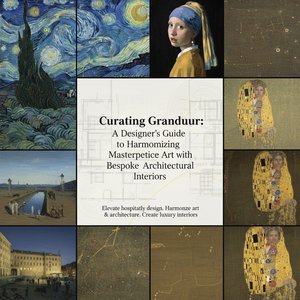
Гармония Истории и Цвета: Руководство по Сочетанию Художественных Стилий с Архитектурными Пространствами для Сбалансированного Интерьера
Создайте гармоничный интерьер своей мечты! Экспертное руководство по сочетанию художественных стилей и цветов с учетом архитектуры. Вдохновение, советы и идеи для вашего дома.
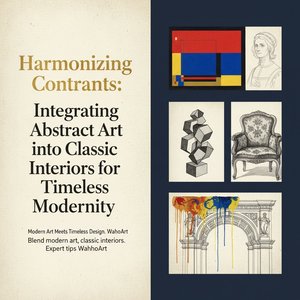
Гармония контрастов: интеграция современного искусства в классические интерьеры для вневременной элегантности
Создайте гармоничный интерьер! Экспертные советы по интеграции современного искусства в классический стиль. Выбор картин, цветовые сочетания и секреты дизайна от профессионалов.
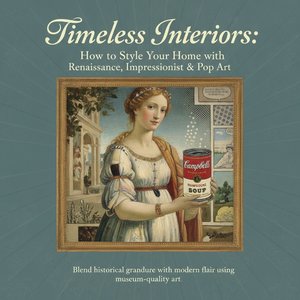
Вневременная эстетика интерьера: Ренессансная гармония, импрессионистический свет и поиски вечной красоты
Изысканный дизайн интерьера в стиле Ренессанс и Импрессионизм. Экспертные советы, подбор картин от ArtsDot.com и создание гармоничного пространства вашей мечты! Качество и индивидуальный подход.