

 Предпросмотр
 Поделиться
 Поделиться
 Детали произведения

 Скачать
 Похожие работы
 Рентгенография
 Слайд-шоу
 Статистика
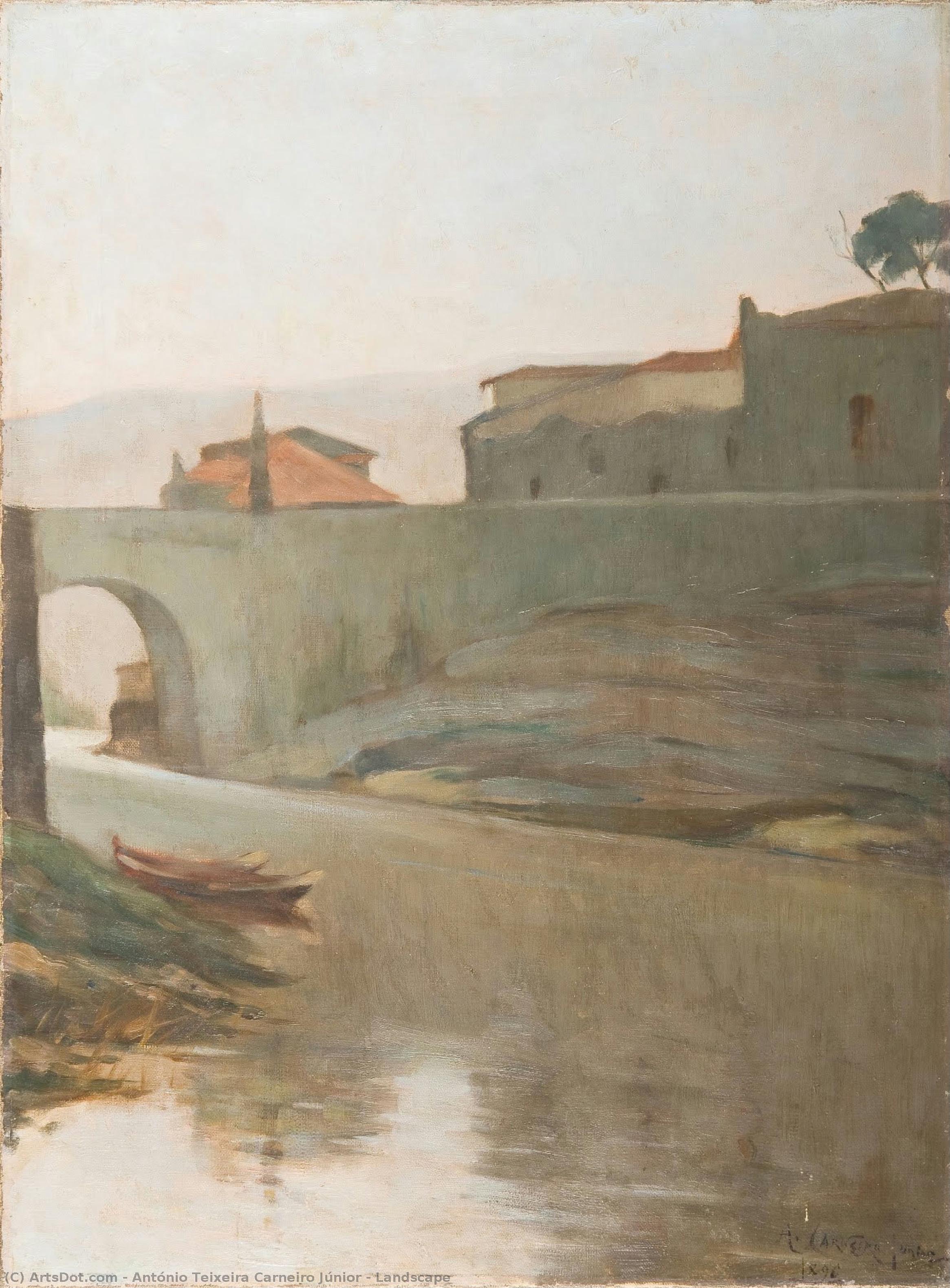
Landscape
 Oil On Canvas
- WallArt
- Portuguese Expressionism
 1896
1896- 19th Century
 64.0 x 47.0 cm
 Centro de Arte Moderna Gulbenkian
 Читать далее
Приобретите цифровое изображение высокого разрешения в улучшенном качестве, которое значительно превосходит онлайн-превью.
Каждый файл тщательно подготавливается нашими специалистами с использованием передовых инструментов и экспертной ручной ретуши. Мы гарантируем исключительную четкость, точную цветопередачу и детальную проработку каждого изображения.
Финальный файл доставляется по электронной почте в течение 72 часов и оптимизирован для немедленного использования в профессиональной среде, при верстке и печати. Это тот же уровень качества, которому доверяют ведущие дизайнерские студии, издательства и галереи.
Цифровое изображение
Скачайте файл высокого разрешения для личного использования, печати и творческих проектов. ( Перейти к печати Купить картину ручной работы)
Включено в каждый заказ цифровых изображений
Гарантия экспертной цифровой доставки
Выбирая ArtsDot.com, вы получаете не просто изображение — вы приобретаете профессионально обработанное цифровое произведение искусства, созданное с безупречной точностью и под защитой гарантии качества. Вот всё, что автоматически входит в ваш заказ:

Мгновенная доставка по e-mail
Ваш цифровой файл в высоком разрешении будет отправлен вам по электронной почте в течение 72 часов после оформления заказа — и сразу станет доступен для использования.

Цифровой файл с ИИ-улучшением
Ваше произведение искусства проходит профессиональную оптимизацию с использованием передовых инструментов ИИ и ручной обработки, что гарантирует максимальную детализацию, четкость и точность цветопередачи.

Бессрочная бесплатная повторная доставка
Случайно удалили или потеряли файл? Не беспокойтесь — мы отправим его вам повторно в любое время и совершенно бесплатно.

Без импортных пошлин — навсегда
Наслаждайтесь вашим произведением искусства мгновенно без таможенных пошлин, сборов или затрат на доставку — цифровые загрузки всегда не облагаются налогом.

Гарантия точности цветопередачи
Мы гарантируем, что ваше цифровое изображение максимально точно передает оригинальные цвета благодаря использованию профессиональных инструментов и систем управления цветом.

Гарантия удовлетворенности 100 дней
Если вы не будете удовлетворены своим цифровым изображением, мы внесем правки или вернем 100% стоимости в течение 100 дней — без лишних вопросов.

100% Гарантия возврата средств
Не удовлетворены покупкой? Получите полный возврат средств в течение 100 дней после получения цифрового файла — без лишних вопросов.

Скидки на оптовые заказы
Купите 3 изображения, сэкономьте 10% — Купите 5, сэкономьте 15% — Купите 10+, сэкономьте 20%. Отличное решение для творческих проектов, галерей и агентств.
A Life Forged in Shadow and Light: The World of António Teixeira Carneiro Júnior
António Teixeira Carneiro Júnior stands as a cornerstone of Portuguese Expressionism, an artist whose life narrative mirrors the turbulent beauty found within his canvases—a testament to resilience born from profound adversity. Born in Amarante, Portugal, in 1872, his early years were irrevocably shaped by familial tragedy; the absence of his father and the untimely passing of his mother thrust him into the care of the Santa Casa da Misericórdia orphanage in Porto. This formative experience, though undeniably heartbreaking, inadvertently ignited a creative flame—a recognition of an innate talent for drawing that blossomed amidst hardship. The institution’s nurturing environment fostered not merely sustenance but also the initial spark of artistic curiosity, guiding his hand towards replicating religious illustrations and establishing a foundational understanding of visual representation.- Early Influences: Carneiro's formative years instilled in him an appreciation for meticulous observation and a dedication to capturing detail—skills that would become hallmarks of his distinctive style.
- The Escola Superior de Belas-Artes: Recognizing his burgeoning aptitude, the Escola Superior de Belas-Artes del Porto welcomed him as a student, providing invaluable training in Impressionistic techniques and broadening his artistic horizons.
Landscape – Leça da Palmeira: An Ode to Coastal Portugal
“Landscape – Leça da Palmeira,” painted in 1905, exemplifies Carneiro’s masterful embrace of Impressionism. The artwork depicts the picturesque Leça da Palmeira beachhead, bathed in the warm hues of a late afternoon sun. Thick brushstrokes convey an atmospheric haze, blurring the contours of buildings and creating a sense of serene contemplation. Vibrant sails dominate the seascape, symbolizing maritime trade and Portugal's rich seafaring heritage—a deliberate nod to Carneiro’s upbringing amidst Porto’s bustling harbor. The artist skillfully captures the interplay of light and shadow, imbuing the scene with an emotional resonance that speaks to the tranquility and beauty of the Portuguese coastline.Technique and Style: Impressionistic Brushstrokes and Color Harmony
Carneiro's technique is characterized by loose, expressive brushwork—a hallmark of Impressionism—which prioritizes capturing fleeting moments of light and color rather than striving for photographic accuracy. He employed a palette dominated by warm yellows, oranges, and reds, harmoniously blended to evoke feelings of warmth and optimism. The artist’s meticulous attention to detail is evident in the rendering of architectural elements and the depiction of sailboats, demonstrating his commitment to both observation and artistic skill.Symbolism Beyond Representation: Reflections on Loss and Resilience
Beyond its aesthetic beauty, “Landscape – Leça da Palmeira” carries a deeper symbolic significance—a poignant reflection on Carneiro’s own life experience. The tranquil beachhead serves as an emblem of solace and renewal, mirroring the artist's journey from adversity to artistic triumph. Just as the sun casts its golden glow upon the landscape, Carneiro’s art illuminates the complexities of human emotion with sensitivity and grace—a testament to his ability to transform personal hardship into enduring artistic expression.Legacy and Influence: A Pioneer of Portuguese Expressionism
António Teixeira Carneiro Júnior's contribution to Portuguese art history is undeniable. He remains a pivotal figure in the development of Expressionism, demonstrating that profound emotional depth can coexist with masterful artistic execution. His work continues to inspire artists today, reminding us that beauty emerges from confronting darkness and embracing vulnerability—a legacy etched forever within the vibrant canvases of his enduring vision.Похожие произведения
Биография художника
A Life Forged in Shadow and Light: The World of António Teixeira Carneiro Júnior
António Teixeira Carneiro Júnior, a pivotal figure in Portuguese Expressionism, was an artist whose life story is as compelling and emotionally resonant as the canvases he imbued with psychological depth. Born in Amarante, Portugal, in 1872, his early years were marked by profound loss and abandonment. The absence of his father and the untimely death of his mother led to a childhood spent within the walls of the Santa Casa da Misericórdia orphanage in Porto. This formative experience, while undoubtedly difficult, proved unexpectedly crucial; it was there that Carneiro received his initial artistic training, nurturing a nascent talent for drawing through copying religious illustrations – a practice that instilled in him a deep understanding of composition and form, yet also hinted at the melancholic themes he would later explore. The institution provided not merely shelter but also a spark—an early recognition of an ability that would define his life’s path. It was this foundation that ultimately led him to the Escola Superior de Belas-Artes do Porto in 1884, where he studied under João Marques de Oliveira, beginning a formal artistic education that would soon blossom into something uniquely his own.Parisian Influences and the Birth of an Expressionist Vision
The trajectory of Carneiro’s artistry took a significant turn with his sojourn to Paris. Enrolling at the Académie Julien in 1897, he immersed himself in the artistic currents of the French capital, studying under luminaries like Jean-Paul Laurens and Jean-Joseph Benjamin-Constant. This period proved transformative, exposing him to new techniques and aesthetic philosophies that would profoundly influence his style. He was particularly drawn to Symbolist ideas – a movement characterized by its exploration of dreams, myths, and the subconscious—and began to experiment with darker palettes and emotionally charged imagery. However, Carneiro didn’t simply absorb these influences; he synthesized them with a distinctly Portuguese sensibility, forging an artistic voice that was both modern and deeply rooted in his own cultural heritage. He moved away from the prevailing naturalism of the era, gravitating towards a more subjective and expressive approach to art. It was during this time that he began to develop his signature style – characterized by intense psychological depth, haunting figures, and a palpable sense of melancholy. This culminated in his groundbreaking triptych “A Vida” (Life), completed around 1900, which depicted the cycle of human existence from birth to death—a profound meditation on mortality and the ephemeral nature of life. The work earned him a Silver Medal at the Exposition Universelle in Paris – a pivotal moment that signaled the beginning of widespread recognition for his unique artistic vision.A Master of Psychological Portraiture and Landscape
Carneiro’s oeuvre is characterized by an intense focus on psychological depth, particularly evident in his portraits. He wasn't interested in mere physical likeness; rather, he sought to capture the essence of his subjects—their inner turmoil, their hopes, their fears. His figures often possess a haunting quality, their eyes gazing out with an unsettling intensity that draws the viewer into their emotional world. This ability to convey profound psychological states extended beyond portraiture and permeated his landscapes as well. He didn’t simply depict scenes; he imbued them with mood and atmosphere, transforming natural settings into reflections of the human condition. His landscapes are often stark and dramatic, reflecting a sense of isolation and existential questioning – reminiscent of the desolate beauty found in Portuguese rural areas. Throughout his career, Carneiro also engaged in illustration, producing evocative drawings for Dante’s *Inferno* that showcase his mastery of line and shadow. He was a prolific artist, constantly experimenting with different techniques and styles, yet always remaining true to his core artistic principles – a commitment to emotional honesty and a willingness to confront difficult themes.A Professor and Cultural Force
Beyond his accomplishments as a painter and illustrator, António Carneiro left an enduring legacy as an educator and cultural figure. In 1918, he was appointed Chair of the drawing department at the Escola de Belas-Artes do Porto, where he profoundly influenced generations of aspiring artists. He wasn’t merely a technical instructor; he encouraged his students to explore their own artistic voices, to challenge conventions, and to embrace experimentation. His teachings fostered a spirit of innovation that helped shape the course of Portuguese art in the 20th century. Furthermore, Carneiro was deeply involved in Portugal's literary and cultural scene, contributing to influential magazines like *Atlantida* and *Renascença Portuguesa*. He actively participated in intellectual debates and played a key role in shaping the artistic discourse of his time – becoming known as “the most intellectual artist of his time.”Rediscovering Carneiro: Museums and Continued Appreciation
Today, António Teixeira Carneiro Júnior's works can be found in prominent collections across Portugal, including the Centro de Arte Moderna Gulbenkian in Lisbon and the Museu da Fundação Dionísio Pinheiro e Alice Cardoso Pinheiro in Águeda. These institutions provide opportunities for audiences to engage with his art firsthand, appreciating the nuances of his technique and the depth of his emotional expression. The Museu da Fundação Dionísio Pinheiro e Alice Cardoso Pinheiro, in particular, holds a significant collection of Carneiro’s work, offering valuable insights into his artistic development. His paintings continue to be exhibited internationally, ensuring that his legacy endures for future generations. As scholars and art enthusiasts alike rediscover the richness and complexity of his oeuvre, António Teixeira Carneiro Júnior is rightfully taking his place among the most important figures in Portuguese Expressionism—an artist whose life and work serve as a testament to the power of art to illuminate the human condition.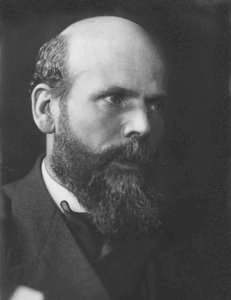
Антониу Теексиера Карейру Жуниор
1872 - 1930 , Португалия
Основные сведения
- Artistic Movement Or Style: Экспрессионизм
- Artists Or Movements Influenced By This Artist: ['Португале́ская экспрессионизм']
- Artists Who Influenced This Artist:
- Жуан Маркес де Оливейра
- Жан-Поль Ларен
- Жан-Жозеф Бенджамин-Констант
- Date Of Birth: 1872
- Date Of Death: 1930
- Full Name: António Teixeira Carneiro Júnior
- Nationality: Португалецо́в
- Notable Artworks:
- Пейзаж – Леса́ да Пальмеира
- Діонісіо Пінхеиро профиль
- Неназвание
- Place Of Birth: Амара́нте, Португа́л