

 Предпросмотр
 Поделиться
 Поделиться
 Детали произведения

 Скачать
 Похожие работы
 Рентгенография
 Слайд-шоу
 Статистика
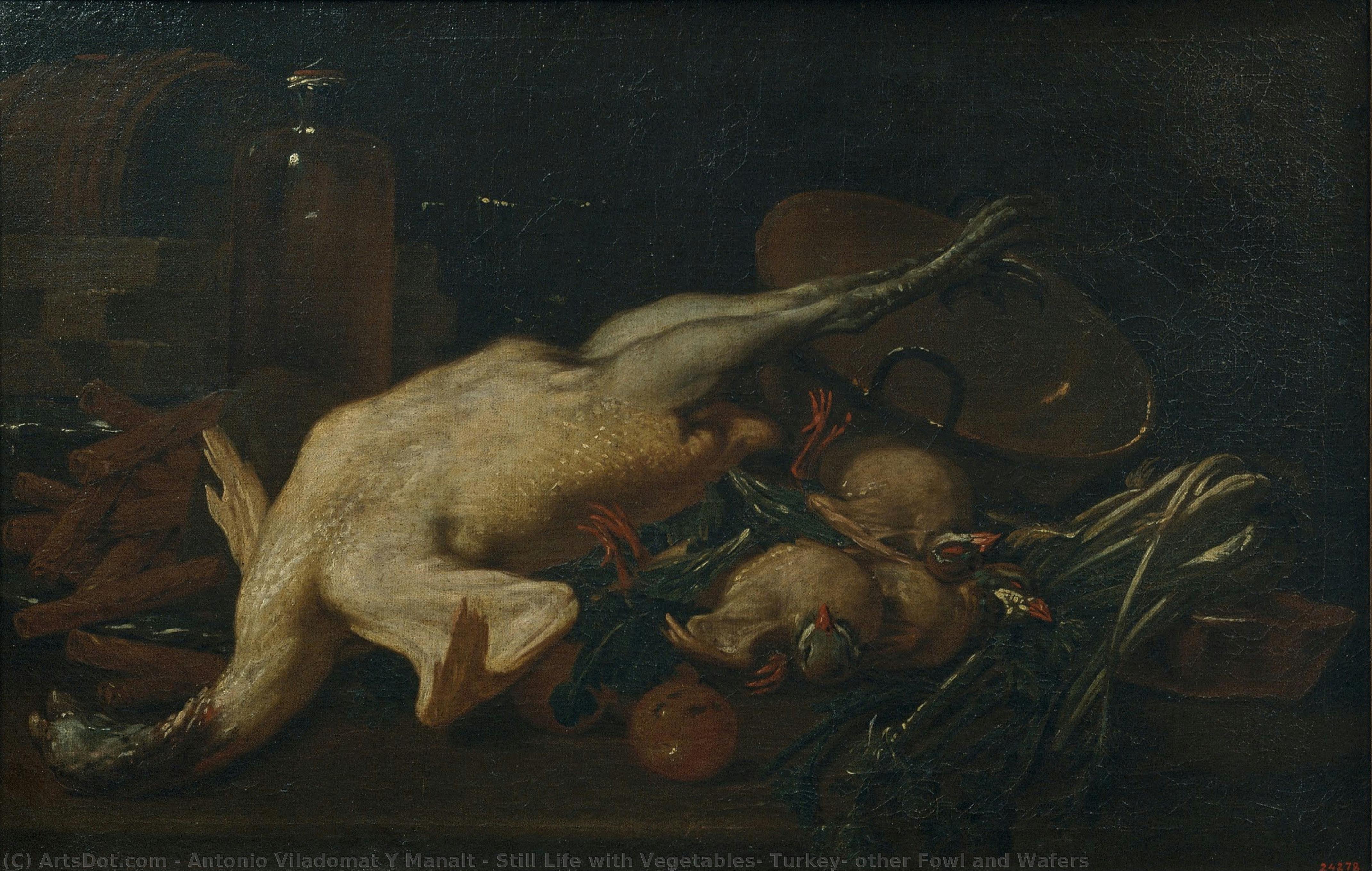
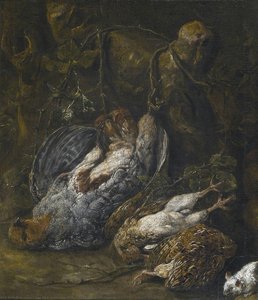
Still Life with Vegetables, Turkey, other Fowl and Wafers
 1700
1700 20.0 x 660.0 cm
 Музей национального искусства Каталонии (MNAC)
 Читать далее
Масляная репродукция ручной работы
Картина маслом на холсте в выбранном вами размере и раме, написанная на заказ нашими художниками. ( Перейти к печати Перейти к цифровым изображениям)
































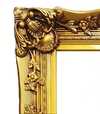
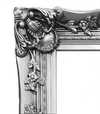
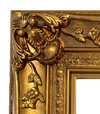
Выберите один из наших стандартных размеров, соответствующих оригинальным пропорциям произведения искусства.

Вы можете указать собственные размеры, чтобы картина идеально вписалась в выбранную раму или пространство. Если выбранный вами размер не соответствует пропорциям оригинала, мы либо обрежем полотно, либо расширим его за счет дополнительных элементов, написанных вручную. Цифровой макет будет отправлен вам на утверждение перед началом производства.
Обратите внимание, что предварительный просмотр на экране не отражает фактическую обрезку или расширение. Только макет точно покажет окончательную композицию.
Хотя доступны индивидуальные размеры, мы рекомендуем выбирать вариант из предопределенного списка, чтобы сохранить исходные пропорции.
После оформления заказа команда ArtsDot.com свяжется с клиентом по электронной почте для уточнения деталей и предоставит предварительный макет
Доставка по всему миру () за 3–4 недели вместо стандартных 5 недель. (13 Сентябрь). Без компромиссов в качестве.

Бесплатная экспресс-доставка по всему миру

Высококачественный льняной холст

Полное страхование доставки

Гарантия возмещения таможенных пошлин

Гарантия точного соответствия цветов

100-дневная политика возврата (только при обнаружении дефектов)

Гарантия возврата 100% средств

Предложение оптовых скидок
 Вариант со стеклом доступен только для размеров менее 110 см

Still Life with Vegetables, Turkey, other Fowl and Wafers
Техника репродукции
Размер репродукции
-


Итоговая стоимость
$ 263
Похожие произведения








Биография художника
A Visionary of the Catalan Baroque
In the vibrant, sun-drenched streets of 17th-century Barcelona, a master was quietly preparing to redefine the spiritual landscape of Catalonia. Antonio Viladomat y Manalt, born in 1678, emerged not merely as a painter, but as a storyteller of the divine. The son of a skilled gilder, Viladomat’s earliest encounters with art were rooted in the tactile brilliance of gold leaf and craftsmanship. This foundational connection to the luster of precious metals would later manifest in his ability to manipulate light, creating canvases that seemed to glow from within. His journey began under the watchful eye of Pasqual Bailon Savall, a master whose workshop provided the essential seeds of technique, before he transitioned into a long and transformative apprenticeship with Joan Baptista Perramon. It was during these formative years that Viladomat began to weave together the technical rigor of his training with an burgeoning emotional depth.
The trajectory of Viladomat’s artistry took a profound turn when his path crossed with the architectural and painterly grandeur of Ferdinando Galli-Bibiena. Working on projects such as the Church of San Miguel, Viladomat was exposed to the sweeping scales and theatrical complexities of Italian art. This encounter acted as a catalyst, pulling his gaze toward the horizons of the Venetian Baroque. He became deeply enamoth with the concept of chiaroscuro—the dramatic, almost rhythmic interplay between profound shadows and piercing light. This influence breathed life into his compositions, allowing him to move beyond mere representation and into the realm of spiritual atmosphere, where every shadow held a secret and every highlight offered a glimpse of the celestial.
Mastery of Light and Sacred Narrative
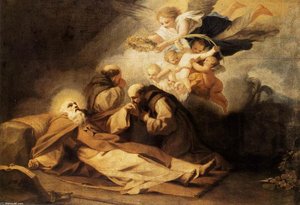
Viladomat’s oeuvre is a testament to the power of religious iconography to evoke profound human emotion. His works were rarely mere decorations; they were windows into the sacred. He possessed a singular ability to render the weight of holiness through the physical details of his subjects. In his celebrated depictions of saints, one can observe an exquisite attention to the texture of heavy fabrics, the delicate translucency of skin, and the symbolic presence of objects like lilies for purity or books for divine wisdom. His masterpiece, The Death of St Anthony the Hermit, serves as a breathtaking example of this mastery. In this work, the artist achieves a sense of profound serenity, using a soft, ethereal light to surround the dying saint with angels, creating a composition that feels both intimately human and cosmically significant.
Beyond individual portraits of sanctity, Viladomat undertook monumental tasks that shaped the very walls of Barcelona’s ecclesiastical institutions. His ambitious projects, including the Stations of the Cross and his sweeping cycles portraying Saint Francis of Assisi for the Franciscan monastery, demonstrate a capacity for large-scale narrative cohesion. These works were not just painted; they were orchestrated to guide the viewer through a spiritual pilgrimage. Through his use of color and composition, he could direct the eye across vast canvases, ensuring that the theological message remained as clear as it was captivating.
Legacy and Historical Significance
The historical importance of Antonio Viladomat y Manalt lies in his role as a bridge between the local traditions of Catalonia and the broader European Baroque movement. While he remained deeply rooted in the spiritual needs of his home city, his aesthetic language was international, shaped by the sophisticated currents of Italian influence. He navigated the complexities of his era—including the legal struggles with the Colegio de Pintores guild—with a determination to maintain the integrity of his craft and his professional standing.
Today, the legacy of this Baroque visionary lives on through the preserved treasures held in institutions such as the Museu Nacional d'Art de Catalunya and the Museo del Prado. His ability to capture the ephemeral nature of light and the eternal nature of faith ensures that his work continues to resonate with modern viewers. To look upon a Viladomat canvas is to experience the heartbeat of the 18th century—a time when art served as the ultimate medium for exploring the intersection of the earthly and the divine.
antonio viladomat y manalt
1678 - 1755 , Spain
Основные сведения
- Artistic Movement Or Style: Baroque
- Artists Or Movements Influenced By This Artist: ['Italian Art']
- Artists Who Influenced This Artist: ['Pasqual Bailon Savall']
- Date Of Birth: March 20, 1678
- Full Name: Antoni Viladomat i Manalt
- Nationality: Spanish
- Notable Artworks:
- Death of St Anthony the Hermit
- Saint Francis Receives the Order from the Crucifix
- Place Of Birth: Barcelona, Spain