Предпросмотр
 Поделиться
 Поделиться
 Детали произведения

 Скачать
 Похожие работы
 Рентгенография
 Слайд-шоу
 Статистика
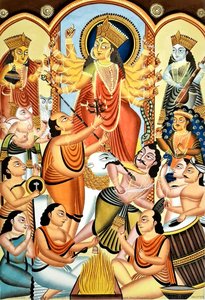
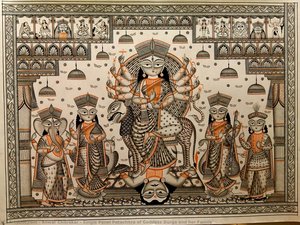
Одиночная панель Патачитра Богини Дурги и поклоняющихсяся верующих


 Читать далее
Масляная репродукция ручной работы
Картина маслом на холсте в выбранном вами размере и раме, написанная на заказ нашими художниками. ( Перейти к печати Перейти к цифровым изображениям)




P118B $10

P118H $10

P118W $10

P438Z $10

P508JH $12

P508YH $12

P805H $10

P805Z $10

P919BZ $10

P919G $10

P919XJ $10

P959ZH $10

P968JZ $12

W106C $8

W218G $10

W218JH $8

W218Y $10

W307PJ $10

W316G $10

W316PJ $8

W316Y $10

W398PJ $8

W4111J $10

W500HY $15

W500JH $15

W692G $12

W849H $8

W940BG $15

W953PJ $8




Выберите один из наших стандартных размеров, соответствующих оригинальным пропорциям произведения искусства.

Вы можете указать собственные размеры, чтобы картина идеально вписалась в выбранную раму или пространство. Если выбранный вами размер не соответствует пропорциям оригинала, мы либо обрежем полотно, либо расширим его за счет дополнительных элементов, написанных вручную. Цифровой макет будет отправлен вам на утверждение перед началом производства.
Обратите внимание, что предварительный просмотр на экране не отражает фактическую обрезку или расширение. Только макет точно покажет окончательную композицию.
Хотя доступны индивидуальные размеры, мы рекомендуем выбирать вариант из предопределенного списка, чтобы сохранить исходные пропорции.
После оформления заказа команда ArtsDot.com свяжется с клиентом по электронной почте для уточнения деталей и предоставит предварительный макет
Доставка по всему миру () за 3–4 недели вместо стандартных 5 недель. (16 Сентябрь). Без компромиссов в качестве.

Бесплатная экспресс-доставка по всему миру

Высококачественный льняной холст

Полное страхование доставки

Гарантия возмещения таможенных пошлин

Гарантия точного соответствия цветов

100-дневная политика возврата (только при обнаружении дефектов)

Гарантия возврата 100% средств

Предложение оптовых скидок
 Вариант со стеклом доступен только для размеров менее 110 см

Одиночная панель Патачитра Богини Дурги и поклоняющихсяся верующих
Техника репродукции
Размер репродукции
-


Итоговая стоимость
$ 263
Ода Божественной Силе и Традициям Западной Бенгалии: Патачитра Анвара Читракара
В мире искусства особое место занимает традиционное индийское искусство, особенно патачитра – яркий пример народного творчества Западной Бенгалии. Эта работа Анвара Читракара не просто изображение религиозного символа, а глубокое погружение в богатую историю и эстетику региональных культурных обычаев. Художник сумел передать дух почитания и благоговение перед божественной сущностью через использование классических техник и выразительных образов.Исторический Контекст и Традиция Патачитра
Патачитра имеет древнюю историю, восходящую к эпохе династии Чола и Маурьев в Индии. Эти картины создаются вручную на тканях из хлопка или джута с использованием натуральных красок – черной туши, красного индиго и желтого охры. Использование этих материалов имеет символическое значение: черный цвет представляет собой энергию смерти и трансформации, красный – силу жизни и защиты, а желтый – свет и мудрость. Патачитра часто использовались для передачи религиозных историй и мифов, особенно связанных с фестивалем Дурги Пуджа – одним из самых важных праздников в индийской культуре. Этот праздник посвящен почитанию божества Дурги, защитницы добра и справедливости, и патачитра являются неотъемлемой частью ритуала празднования этого события.Стиль и Техника Художника
Анвар Читракар мастерски владеет традиционными техниками патачитра и калихатской живописи. Его работы отличаются использованием простых геометрических форм и четких линий, что придает им особую выразительность и элегантность. Особенно впечатляет внимание к деталям – изображение Дурги и ее последователей поражает своей реалистичностью и эмоциональной глубиной. Читракар использует технику нанесения краски на ткань с помощью кисти и трафарета, что позволяет добиться уникального эффекта текстуры и цвета. Этот метод передачи изображения сохраняется из древних времен и является свидетельством непрерывности индийской художественной традиции.Символизм Образа и Эмоциональное Воздействие
Центральным элементом работы является изображение Дурги – божества женской силы и защиты, которая сражается со злом и приносит победу добру. Она держит в руках младенца – символ новой жизни и надежды, что подчеркивает важность сохранения традиций и духовных ценностей. Окружающие Дургу фигуры выражают благоговение и почитание перед божеством, создавая атмосферу религиозного праздника и единства. Патачитра Анвара Читракара не только является прекрасным произведением искусства, но и напоминает о важности сохранения культурного наследия и передаче его из поколения в поколение. Эта работа вдохновляет на размышления о красоте традиций и силе духовной энергии – идеальный выбор для украшения интерьера и выражения любви к искусству индийской культуры.- Размер: Неизвестен
- Дата создания: 2019
Похожие произведения

Биография художника
The Living Lineage of Anwar Chitrakar
In the vibrant heart of West Bengal, where the air is thick with the scent of ancient stories and the rhythmic pulse of tradition, the art of Anwar Chitrakar breathes life into the past. Born in 1980 in the village of Naya, within the Pingla region, Chitrakar is far more than a contemporary painter; he is a custodian of a fading visual language. His journey began not in an academic studio, but under the watchful and guiding eyes of his father, the celebrated Amar Chitrakar. This early immersion into the world of Pattachitra—the traditional scroll painting of Bengal—provided him with a foundation rooted in the very soil of his heritage. As a member of the Patua community, an itinerant group of storytellers who use art to communicate through song and pigment, Chitrakar carries a lineage that transforms simple canvas into a stage for the divine and the mundane alike.
The essence of Chitrakar’s mastery lies in his seamless command over the Kalighat style, a tradition that emerged from the bustling environs of Kolkata's Kali temple. This technique demands a sophisticated reduction of detail, favoring bold, sweeping outlines and a symbolic economy of form that captures the soul of a subject rather than its mere physical likeness. While many artists struggle to bridge the gap between antiquity and modernity, Chitrakar thrives in this intersection. He possesses a unique ability to take the 19th-century aesthetic—characterized by its expressive color palettes and fluid strokes—and infuse it with a contemporary vitality. His work often utilizes natural pigments like turmeric and marigold, yet he is not afraid to experiment with modern mediums such as Italian paper or canvas, ensuring that the ancient pulse of Pattachitra beats strongly in a modern context.
Narrative Vision and Social Resonance
To gaze upon a Chitrakar painting is to enter a world where mythology and reality are inextricably entwined. His canvases serve as windows into the Hindu pantheon, featuring the fierce grace of Goddess Durga and the legendary tales of Krishna and Rama. Yet, his vision extends far beyond the celestial. One of the most profound aspects of his artistry is his commitment to social commentary. Drawing inspiration from the conversations he encounters while walking through village life, Chitrakar weaves contemporary struggles into his traditional framework. He addresses pressing global and local issues with a subtle, often satirical touch, exploring themes such as:
- Environmental degradation and the changing landscape of rural India.
- The complexities of social identity, including narratives surrounding transgender lives and surrogate motherhood.
- The intimate human condition, capturing the tender bonds of maternal love and the nuances of everyday village interactions.
- The intersection of faith and folklore, where religious iconography meets the lived experience of the community.
This duality—the ability to depict a deity with the same reverence and stylistic precision as a social critique—is what elevates his work from mere folk art to significant contemporary fine art. He does not merely replicate the past; he uses it as a lens to examine the present.
A Legacy of Global Recognition
The impact of Anwar Chitrakar’s work has resonated far beyond the borders of West Bengal, earning him a place on the international stage. His career is marked by a series of prestigious milestones that validate his role as a modern master of the Patua tradition. His ability to translate local Bengali narratives into a universal visual language has led to his works being featured in esteemed collections, most notably at the Victoria & Albert Museum in London and within the vibrant halls of the Mumbai International Airport. These placements signify that his art is not just a regional treasure, but a vital contribution to the global contemporary art dialogue.
Throughout his decades-long practice, Chitrakar has participated in significant international exhibitions, including the Berlin Festival and the Namaste India Festival in Japan. His accolades, such as receiving honors from the Rabindra Bharati University and winning a National Award in 2006, underscore his technical excellence and his importance to the preservation of Indian heritage. By signing his works—a rare practice among traditional Patua artists—he asserts his individual identity as an artist within a collective tradition, marking a definitive moment in the evolution of Kalighat painting. Through his hands, the ancient scrolls of the Patuas continue to unfurl, telling stories that are as much about our shared future as they are about our storied past.
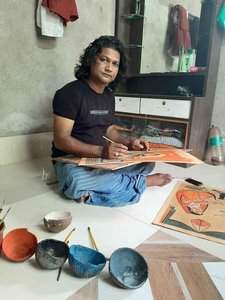
Anwar Chitrakar
1980 - , India
Основные сведения
- Artistic Movement Or Style: Pattachitra & Kalighat Painting
- Artists Who Influenced This Artist: ['Amar Chitrakar']
- Date Of Birth: 1980
- Full Name: Anwar Chitrakar
- Nationality: Indian
- Notable Artworks:
- Single Panel Patachitra of Goddess Durga and Worshippers
- Painting of Kamale Kamini
- Place Of Birth: Naya, India
Похожие статьи
Raja Ravi Varma: Bridging Tradition & Modernity in 19th-Century Indian Art
Explore the life & art of Raja Ravi Varma, a pioneer who fused European techniques with Indian iconography. Discover his iconic paintings, lasting legacy, and influence on modern Indian art at ArtsDot.
Francesco Clemente: Transcendent Narratives & the Alchemy of Identity
Explore the captivating world of Francesco Clemente, a Transavanguardia master blending Italian artistry with Indian spirituality. Discover his evocative paintings & symbolism – a valuable addition to any discerning collection.
Joseph Henry Sharp: Capturing the Spirit of the Plains – Life, Art & Legacy
Explore the life & art of Joseph Henry Sharp, a founding member of the Taos Society of Artists renowned for his realistic depictions of Native American culture and Western landscapes. Discover his legacy with ArtsDot.
Sacred Expressions: A Journey Through Devotional Art Across Cultures & Eras
Explore the rich history of devotional art across cultures & eras with expert insights! Discover iconic masterpieces, symbolism, and artistic techniques. A guide for collectors & enthusiasts.
Shadow Catcher: Edward S. Curtis & the Ethnographic Portraiture of a Vanishing West
Explore the life & work of Edward S. Curtis, the 'Shadow Catcher,' and his groundbreaking photographic documentation of Native American cultures. Discover iconic images from *The North American Indian* and a critical look at his lasting legacy.