

 Предпросмотр
 Поделиться
 Поделиться
 Детали произведения

 Скачать
 Похожие работы
 Рентгенография
 Слайд-шоу
 Статистика
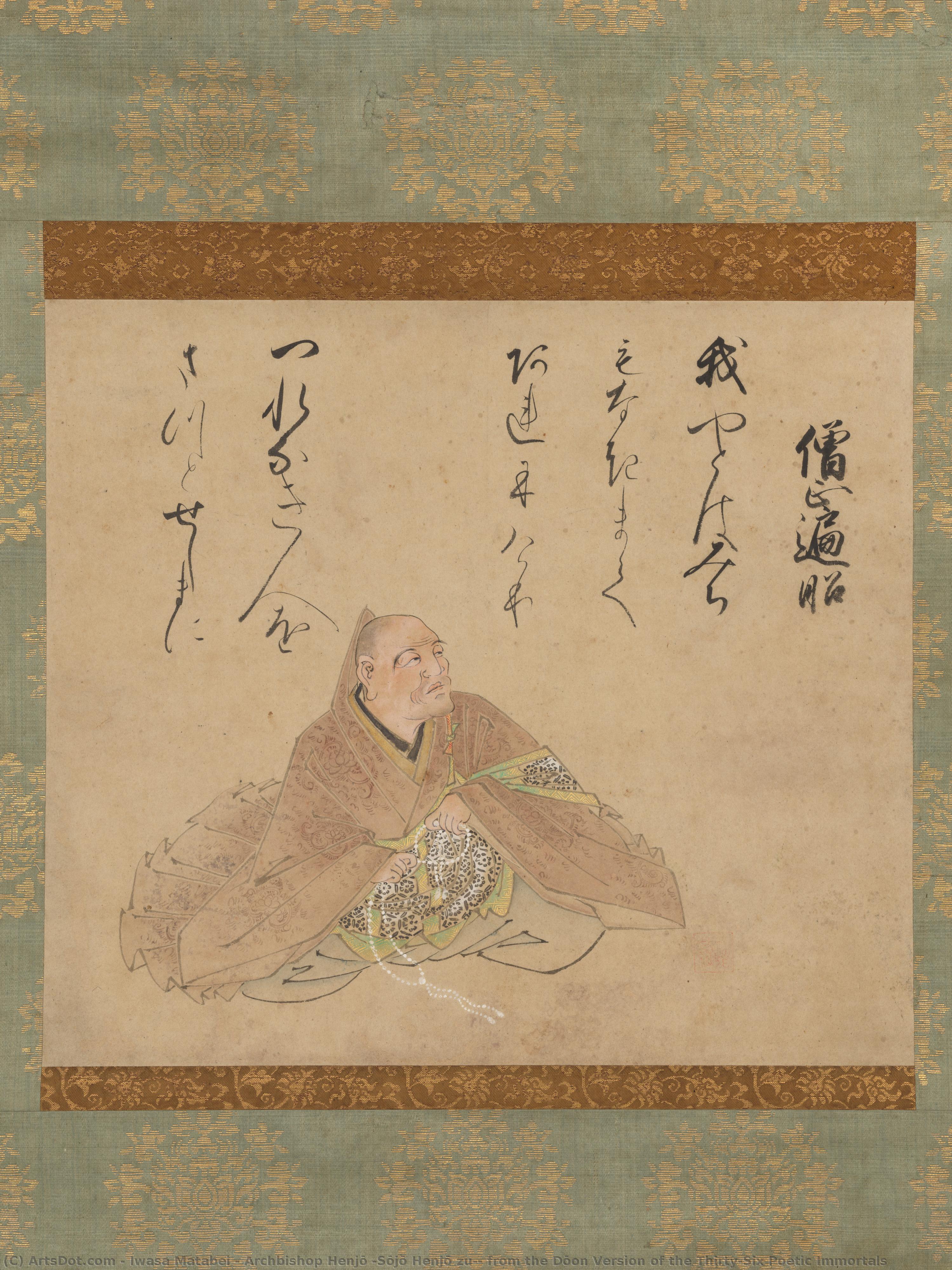
Archbishop Henjō (Sōjō Henjō zu), from the Dōon Version of the Thirty-Six Poetic Immortals
 Ink
Ink- WallArt
- Yamato-e
 1630
1630- Early Modern
 29.0 x 33.0 cm
 Читать далее
Масляная репродукция ручной работы
Картина маслом на холсте в выбранном вами размере и раме, написанная на заказ нашими художниками. ( Перейти к печати Перейти к цифровым изображениям)




P118B $10

P118H $10

P118W $10

P438Z $10

P508JH $12

P508YH $12

P805H $10

P805Z $10

P919BZ $10

P919G $10

P919XJ $10

P959ZH $10

P968JZ $12

W106C $8

W218G $10

W218JH $8

W218Y $10

W307PJ $10

W316G $10

W316PJ $8

W316Y $10

W398PJ $8

W4111J $10

W500HY $15

W500JH $15

W692G $12

W849H $8

W940BG $15

W953PJ $8




Выберите один из наших стандартных размеров, соответствующих оригинальным пропорциям произведения искусства.

Вы можете указать собственные размеры, чтобы картина идеально вписалась в выбранную раму или пространство. Если выбранный вами размер не соответствует пропорциям оригинала, мы либо обрежем полотно, либо расширим его за счет дополнительных элементов, написанных вручную. Цифровой макет будет отправлен вам на утверждение перед началом производства.
Обратите внимание, что предварительный просмотр на экране не отражает фактическую обрезку или расширение. Только макет точно покажет окончательную композицию.
Хотя доступны индивидуальные размеры, мы рекомендуем выбирать вариант из предопределенного списка, чтобы сохранить исходные пропорции.
После оформления заказа команда ArtsDot.com свяжется с клиентом по электронной почте для уточнения деталей и предоставит предварительный макет
Доставка по всему миру () за 3–4 недели вместо стандартных 5 недель. (12 Сентябрь). Без компромиссов в качестве.

Бесплатная экспресс-доставка по всему миру

Высококачественный льняной холст

Полное страхование доставки

Гарантия возмещения таможенных пошлин

Гарантия точного соответствия цветов

100-дневная политика возврата (только при обнаружении дефектов)

Гарантия возврата 100% средств

Предложение оптовых скидок
 Вариант со стеклом доступен только для размеров менее 110 см

Archbishop Henjō (Sōjō Henjō zu), from the Dōon Version of the Thirty-Six Poetic Immortals
Техника репродукции
Размер репродукции
-


Итоговая стоимость
$ 263
Похожие произведения
Биография художника
early life and influences
araki katsumochi, a prominent figure in japan's early tokugawa period, left an indelible mark on the art world with his genre scenes, historical illustrations, and captivating portraits. born in 1578, katsumochi was the son of araki murashige, a notable daimyō who met a tragic end, leading to katsumochi's adoption of his mother's family name, iwasa.artistic style and technique
katsumochi's work is characterized by its distinctive figures, featuring large heads and delicately drawn features. his unique brush technique, blending tosa and kanō elements, allowed him to excel in both color and monochrome ink-wash painting. despite being trained under kanō naizen of the renowned kanō school, katsumochi's style was more heavily influenced by the tosa school.notable works and legacy
one of katsumochi's most celebrated works is the series of portraits of the thirty-six poetry immortals (1640), commissioned by tokugawa iemitsu for a temple. this masterpiece, signed as "the artist matabei of the later current from tosa mitsunobu," showcases katsumochi's skill in capturing historical events and classical literature.- rakuchu rakugai zu byōbu (funaki version), a national treasure, is held by the tokyo national museum and depicts the kyoto landscape around 1615.
- hōkoku sairei zu byōbu, an important cultural property, is housed in the tokugawa art museum and showcases katsumochi's mastery of capturing festive scenes.
- katsumochi's workshop produced magnificent emakimono (picture scrolls) based on jōruri texts, with masterpieces like yamanaka tokiwa monogatari emaki, jōruri monogatari emaki, and horie monogatari emaki being designated as important cultural properties.
controversy and legacy
there is ongoing debate among scholars regarding whether katsumochi's works are indeed ukiyo-e or not. in japan, he is often regarded as the originator of ukiyo-e, while some theories suggest he was an independent tosa school painter due to his high social class patrons. conclusion katsumochi's enigmatic life and artistic contributions have left a lasting impact on japanese art. his unique style, blending traditional techniques with innovative brushwork, continues to fascinate art enthusiasts worldwide.- explore more of katsumochi's works at https://ArtsDot.com/@/araki-katsumochi
- learn about the tosa school and its influence on japanese art at the kanō school style art movement
- discover more about katsumochi's life and works at iwasa matabei - wikipedia
references
- araki katsumochi, wikipedia, https://en.wikipedia.org/wiki/iwasa_matabei
- the kanō school style art movement, ArtsDot.com, https://ArtsDot.com/@@/a@d3cpbv-history-painting-art-movement
- araki katsumochi's paintings, ArtsDot.com, https://ArtsDot.com/@/araki-katsumochi
related artists and movements
- katsushika isai, a japanese artist known for his landscapes and genre scenes, ArtsDot.com, https://ArtsDot.com/@/katsushika-isai
- the tosa school, a style of japanese art characterized by its use of gold leaf and bold colors, ArtsDot.com, https://ArtsDot.com/@@/a@d3cpbv-history-painting-art-movement
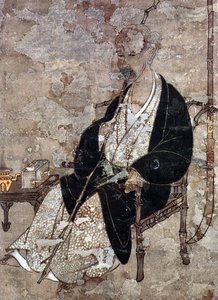
araki katsumochi
1578 - 1650 , Japan
Похожие статьи
Utagawa Kuniyoshi: A Master of Japanese Ukiyo-e – Narrative Innovation & the Fusion of Tradition with Popular Culture
Explore the captivating world of Utagawa Kuniyoshi, a master of Japanese ukiyo-e woodblock prints. Discover his innovative warrior scenes, vibrant landscapes & lasting legacy in 19th-century art history.
Floating World: The Captivating Art and Legacy of Japanese Ukiyo-e
Explore the profound beauty of Japanese Ukiyo-e. Discover the history, masters like Hokusai, and the enduring legacy of the 'Floating World' through an expert art-historical lens.
Léonard Foujita: A Poetic Synthesis of Japanese Sensibility & European Modernism
Discover the captivating world of Léonard Foujita, a master bridging Japanese aesthetics & European Modernism. Explore his signature style, diverse works, and enduring legacy – essential reading for discerning art collectors.

Топ-25 шедевров Кацусики Хокусая: Искусство Японии для вашего интерьера
Погрузитесь в мир гения Кацусики Хокусая! 25 легендарных гравюр укиё-э, включая "Великую волну". История искусства Японии и вдохновение для вашего интерьера. Репродукции высокого качества на ArtsDot.com.
Suzuki Harunobu: Pioneering Ukiyo-e & the Refinement of Edo Period Printmaking
Discover the revolutionary world of Suzuki Harunobu, a pioneer of ukiyo-e printmaking. Explore his exquisite nishiki-e techniques, diverse subjects & lasting impact on Japanese art history. Learn more at ArtsDot.