

 Предпросмотр
 Поделиться
 Поделиться
 Детали произведения

 Скачать
 Похожие работы
 Рентгенография
 Слайд-шоу
 Статистика
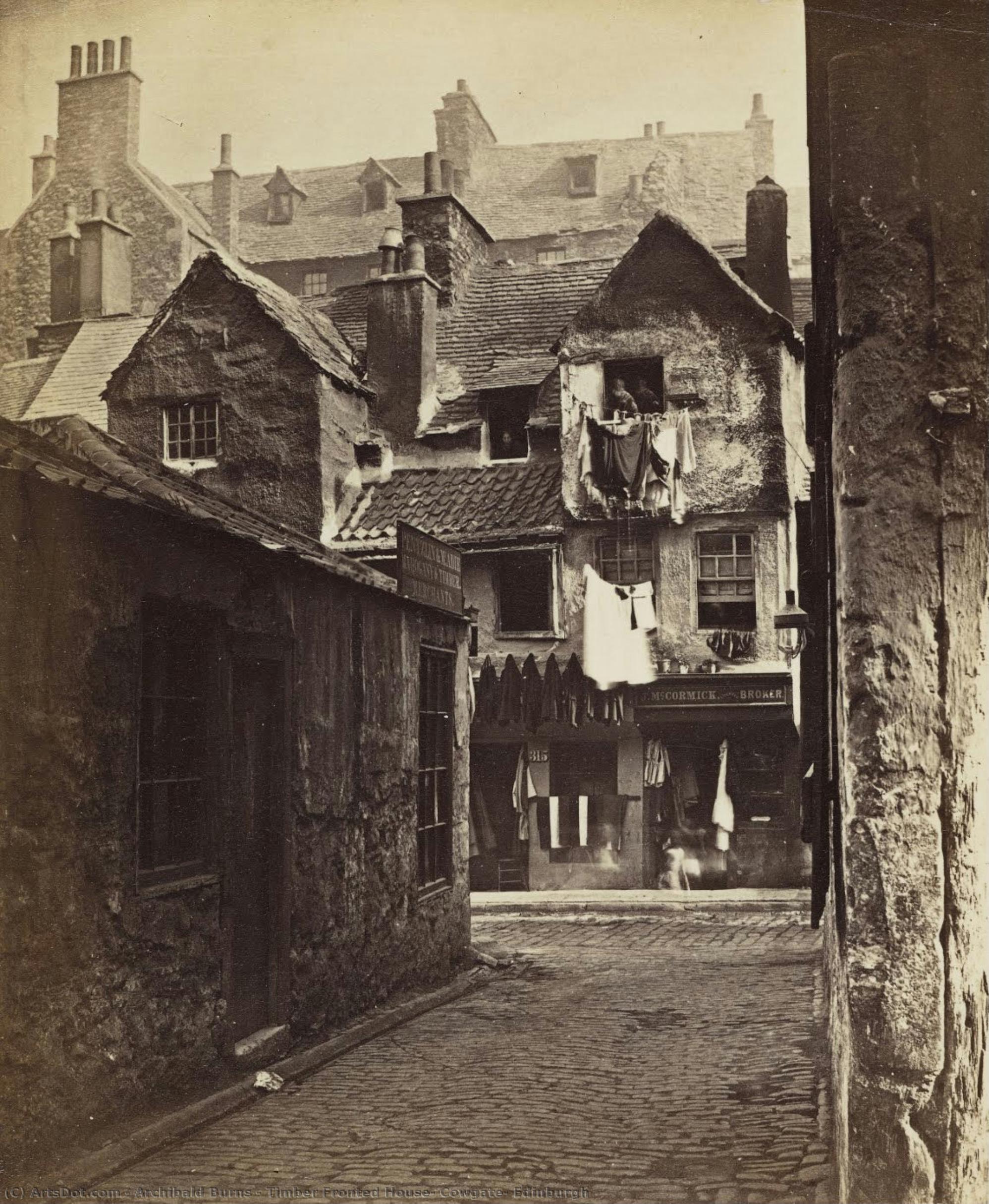
Timber Fronted House, Cowgate, Edinburgh


 Читать далее
Приобретите цифровое изображение высокого разрешения в улучшенном качестве, которое значительно превосходит онлайн-превью.
Каждый файл тщательно подготавливается нашими специалистами с использованием передовых инструментов и экспертной ручной ретуши. Мы гарантируем исключительную четкость, точную цветопередачу и детальную проработку каждого изображения.
Финальный файл доставляется по электронной почте в течение 72 часов и оптимизирован для немедленного использования в профессиональной среде, при верстке и печати. Это тот же уровень качества, которому доверяют ведущие дизайнерские студии, издательства и галереи.
Цифровое изображение
Скачайте файл высокого разрешения для личного использования, печати и творческих проектов. ( Перейти к печати Купить картину ручной работы)
Включено в каждый заказ цифровых изображений
Гарантия экспертной цифровой доставки
Выбирая ArtsDot.com, вы получаете не просто изображение — вы приобретаете профессионально обработанное цифровое произведение искусства, созданное с безупречной точностью и под защитой гарантии качества. Вот всё, что автоматически входит в ваш заказ:

Мгновенная доставка по e-mail
Ваш цифровой файл в высоком разрешении будет отправлен вам по электронной почте в течение 72 часов после оформления заказа — и сразу станет доступен для использования.

Цифровой файл с ИИ-улучшением
Ваше произведение искусства проходит профессиональную оптимизацию с использованием передовых инструментов ИИ и ручной обработки, что гарантирует максимальную детализацию, четкость и точность цветопередачи.

Бессрочная бесплатная повторная доставка
Случайно удалили или потеряли файл? Не беспокойтесь — мы отправим его вам повторно в любое время и совершенно бесплатно.

Без импортных пошлин — навсегда
Наслаждайтесь вашим произведением искусства мгновенно без таможенных пошлин, сборов или затрат на доставку — цифровые загрузки всегда не облагаются налогом.

Гарантия точности цветопередачи
Мы гарантируем, что ваше цифровое изображение максимально точно передает оригинальные цвета благодаря использованию профессиональных инструментов и систем управления цветом.

Гарантия удовлетворенности 100 дней
Если вы не будете удовлетворены своим цифровым изображением, мы внесем правки или вернем 100% стоимости в течение 100 дней — без лишних вопросов.

100% Гарантия возврата средств
Не удовлетворены покупкой? Получите полный возврат средств в течение 100 дней после получения цифрового файла — без лишних вопросов.

Скидки на оптовые заказы
Купите 3 изображения, сэкономьте 10% — Купите 5, сэкономьте 15% — Купите 10+, сэкономьте 20%. Отличное решение для творческих проектов, галерей и агентств.
Похожие произведения








Биография художника
Archibald Burns: Preserving Edinburgh’s Soul Through Light and Shadow
Archibald Burns, a name perhaps less familiar than some of his contemporaries, stands as a quietly significant figure in the history of Scottish photography. Born in Edinburgh in 1831, he wasn't a flamboyant innovator or a revolutionary stylist; instead, he possessed a meticulous eye and an unwavering dedication to documenting the evolving cityscape of his beloved city. His work, primarily focused on architectural details and landscapes, offers a remarkably intimate glimpse into Victorian Edinburgh – a time of rapid transformation, shadowed by the demolition of historic buildings for the sake of progress.
Burns’ early life reveals a man deeply rooted in the artistic traditions of Scotland. He joined the Photographic Society of Scotland in 1858 and later became one of the founding members of the Edinburgh Photographic Society in 1861, signaling his commitment to this nascent art form. Initially, he pursued landscape photography, capturing the rolling hills and dramatic skies surrounding Edinburgh. However, it was his fascination with the city itself that truly defined his career. He established his first studio at 22 Calton Stairs in 1861, a location that would become synonymous with his work for nearly a decade before he moved to Rock House in 1871.
Burns’ photographic practice coincided with a period of intense urban development in Edinburgh. The city was undergoing significant changes – the demolition of historic closes (narrow alleyways) and wynds (street passages) to make way for wider streets and grander buildings. This destruction, while intended to modernize the city, threatened to erase its unique character. Recognizing this impending loss, Burns dedicated himself to meticulously recording these vanishing spaces before they disappeared forever. His most celebrated work from this period is undoubtedly his series of photographs documenting the Cowgate area – a collection that now resides within the Scottish National Portrait Gallery and serves as a poignant reminder of what was lost.
A Master of Salted Paper: Technique and Style
Burns’ photographic style wasn't characterized by dramatic effects or elaborate compositions. Instead, he favored a restrained, almost documentary approach. He primarily utilized the salted paper process, a technique that produced images with a subtle tonal range and a characteristic slightly muted quality. This method, popular at the time, emphasized detail and texture, allowing the inherent character of the buildings and landscapes to shine through. His compositions were often carefully framed, focusing on architectural details – ornate doorways, weathered stonework, and intricate window frames – revealing the beauty in the commonplace.
Crucially, Burns’ work wasn't simply a record of physical structures; it was an attempt to capture the *spirit* of Edinburgh. His photographs convey a sense of melancholy and nostalgia, reflecting the awareness that these historic spaces were being sacrificed for progress. The shadows cast by the buildings, the textures of the stone, and the subtle variations in light all contribute to this evocative atmosphere.
Publications and Legacy: Documenting a City’s Transformation
Beyond his individual prints, Burns played a vital role in documenting Edinburgh through published works. In 1868, he collaborated with Thomas Henderson on “Picturesque Bits from Old Edinburgh,” a book that showcased a selection of his photographs alongside descriptive text. This publication helped to raise awareness about the city’s architectural heritage and cemented Burns' reputation as a skilled documentarian.
Following his death in 1880, his studio contents were sold at auction – a testament to the breadth of his collection and the value he placed on his photographic equipment. The sale offered a fascinating glimpse into the tools of his trade: cameras, lenses, chemicals, and countless prints. His work has since been exhibited widely, including a notable showcase at the Inverness Museum and Art Gallery, further solidifying his place in Scottish art history.
Beyond the Image: A Window into Victorian Edinburgh
Archibald Burns’ legacy extends far beyond the individual photographs he produced. He served as a crucial visual witness to a pivotal moment in Edinburgh's history – a period of rapid transformation that irrevocably altered the city’s landscape. His meticulous documentation provides invaluable insights into the architectural and social fabric of Victorian Scotland, offering a poignant reminder of what was lost and a powerful testament to the importance of preserving our cultural heritage. His photographs are not merely images; they are windows into a bygone era, inviting us to contemplate the relationship between progress and preservation.
Further Resources

Archibald Burns
1831 - 1880 , United Kingdom
Основные сведения
- Artistic Movement Or Style: Landscape/Architectural
- Artists Or Movements Influenced By This Artist: ['Victorian Photography']
- Artists Who Influenced This Artist: ['Hill & Adamson']
- Date Of Birth: 1831 Edinburgh UK
- Date Of Death: 1880
- Full Name: Archibald Burns
- Nationality: Scottish
- Notable Artworks:
- Timber Fronted House, Cowgate
- Princes St Edinburgh
- Place Of Birth: Edinburgh UK