

 Предпросмотр
 Поделиться
 Поделиться
 Детали произведения

 Скачать
 Похожие работы
 Рентгенография
 Слайд-шоу
 Статистика
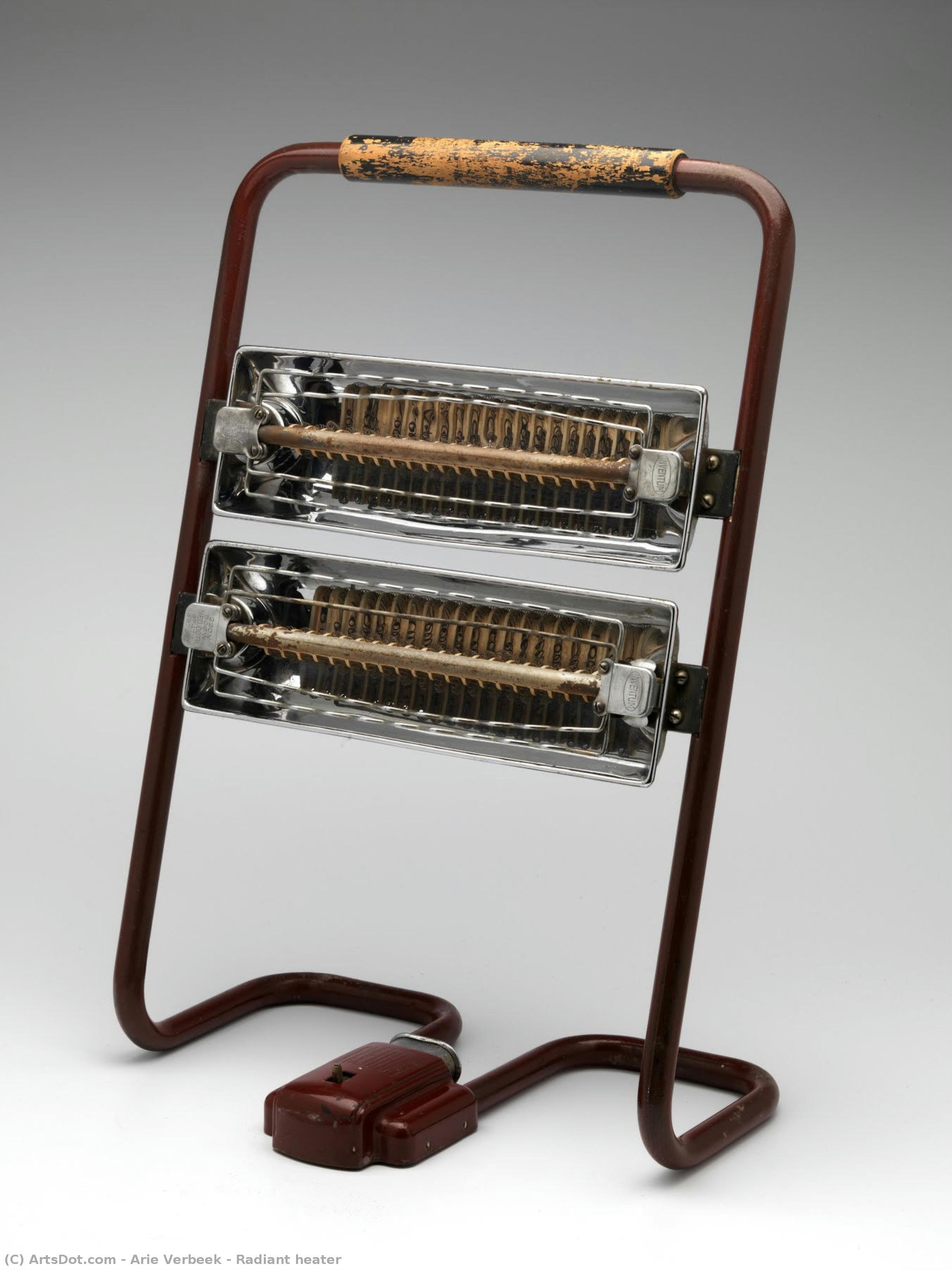
Radiant heater
 Modernism
 1931
1931 5.0 x 21.0 cm
 NEMO Science Museum
 Читать далее
Приобретите цифровое изображение высокого разрешения в улучшенном качестве, которое значительно превосходит онлайн-превью.
Каждый файл тщательно подготавливается нашими специалистами с использованием передовых инструментов и экспертной ручной ретуши. Мы гарантируем исключительную четкость, точную цветопередачу и детальную проработку каждого изображения.
Финальный файл доставляется по электронной почте в течение 72 часов и оптимизирован для немедленного использования в профессиональной среде, при верстке и печати. Это тот же уровень качества, которому доверяют ведущие дизайнерские студии, издательства и галереи.
Цифровое изображение
Скачайте файл высокого разрешения для личного использования, печати и творческих проектов. ( Перейти к печати Купить картину ручной работы)
Включено в каждый заказ цифровых изображений
Гарантия экспертной цифровой доставки
Выбирая ArtsDot.com, вы получаете не просто изображение — вы приобретаете профессионально обработанное цифровое произведение искусства, созданное с безупречной точностью и под защитой гарантии качества. Вот всё, что автоматически входит в ваш заказ:

Мгновенная доставка по e-mail
Ваш цифровой файл в высоком разрешении будет отправлен вам по электронной почте в течение 72 часов после оформления заказа — и сразу станет доступен для использования.

Цифровой файл с ИИ-улучшением
Ваше произведение искусства проходит профессиональную оптимизацию с использованием передовых инструментов ИИ и ручной обработки, что гарантирует максимальную детализацию, четкость и точность цветопередачи.

Бессрочная бесплатная повторная доставка
Случайно удалили или потеряли файл? Не беспокойтесь — мы отправим его вам повторно в любое время и совершенно бесплатно.

Без импортных пошлин — навсегда
Наслаждайтесь вашим произведением искусства мгновенно без таможенных пошлин, сборов или затрат на доставку — цифровые загрузки всегда не облагаются налогом.

Гарантия точности цветопередачи
Мы гарантируем, что ваше цифровое изображение максимально точно передает оригинальные цвета благодаря использованию профессиональных инструментов и систем управления цветом.

Гарантия удовлетворенности 100 дней
Если вы не будете удовлетворены своим цифровым изображением, мы внесем правки или вернем 100% стоимости в течение 100 дней — без лишних вопросов.

100% Гарантия возврата средств
Не удовлетворены покупкой? Получите полный возврат средств в течение 100 дней после получения цифрового файла — без лишних вопросов.

Скидки на оптовые заказы
Купите 3 изображения, сэкономьте 10% — Купите 5, сэкономьте 15% — Купите 10+, сэкономьте 20%. Отличное решение для творческих проектов, галерей и агентств.
Похожие произведения

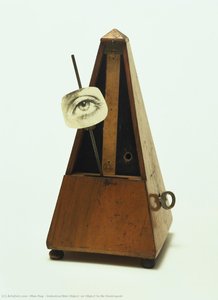
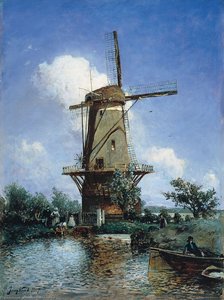
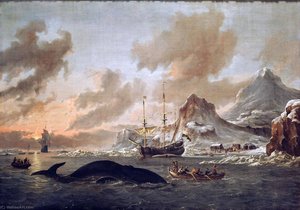

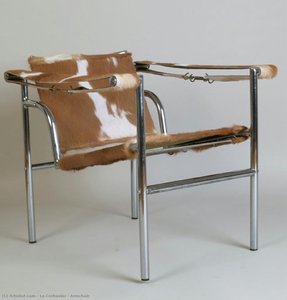
Биография художника
Vincent van Gogh: A Life Painted in Passion
Vincent van Gogh, a name synonymous with turbulent genius and vibrant emotion, remains one of the most recognizable figures in art history. Born in 1853 in Groot-Zundert, Netherlands, his life was tragically short – just thirty-seven years – yet within that brief span he produced over two thousand works: paintings, drawings, and prints that continue to captivate audiences with their raw honesty, intense color palettes, and deeply felt humanity. His journey wasn’t one of deliberate artistic ambition at the outset; rather, it was a relentless pursuit of connection, understanding, and ultimately, self-expression through the transformative power of art.
Van Gogh's early life offered little indication of his future as an artist. He tried various professions – art dealer, teacher, missionary – each attempt proving unsatisfying and leaving him feeling increasingly alienated. A period spent working for Goupil & Cie, a prominent art firm in The Hague and Paris, exposed him to the world of art collecting but also fostered a disillusionment with the commercial aspects of the trade. It was during this time that he began seriously pursuing his own artistic endeavors, initially copying prints by masters like Millet and Daumier, not out of admiration for their style, but as a means to develop his drawing skills and understand composition – a deliberate attempt to master the fundamentals before venturing into original work. His early works, predominantly landscapes and depictions of peasant life, reflect this methodical approach, characterized by careful observation and a desire to capture the essence of everyday subjects.
Parisian Influence and Artistic Transformation
A pivotal moment in Van Gogh’s artistic development arrived in 1886 when he moved to Paris. This relocation proved profoundly influential, exposing him to the revolutionary currents of Impressionism and Post-Impressionism. He encountered artists like Monet, Renoir, Degas, and Pissarro, absorbing their techniques – particularly their use of broken color, capturing fleeting moments of light, and depicting scenes from modern life. However, Van Gogh didn’t simply mimic these styles; he pushed them further, injecting his own intensely personal vision into the borrowed elements. He experimented with brighter colors, bolder brushstrokes, and a more expressive approach to form, moving away from the objective representation favored by many of his contemporaries.
The influence of Japanese prints – *ukiyo-e* – was also significant during this period. Their flattened perspective, bold outlines, and vibrant colors resonated deeply with Van Gogh’s desire for a more direct and emotionally charged style. He began incorporating these elements into his work, creating images that were both visually striking and psychologically revealing. His self-portraits, in particular, became increasingly prominent during this time, offering a raw and unflinching glimpse into his inner turmoil – a reflection of the intense emotional landscape he was navigating.
The Southern France Years: Color and Emotion
Seeking respite from the pressures of Paris and hoping to establish an artist’s colony in Arles, southern France, Van Gogh moved in 1888. This period marked a significant intensification of his artistic output and a deepening exploration of color as a means of conveying emotion. He painted with feverish intensity, capturing the dazzling light, vibrant colors, and rustic beauty of the Provençal landscape. Works like *Sunflowers*, *The Bedroom*, and *Starry Night Over the Rhône* exemplify this shift – each painting pulsating with an almost palpable energy, reflecting his heightened emotional state.
Despite his artistic successes, Van Gogh’s time in Arles was fraught with difficulties. His struggle with mental illness intensified, culminating in a severe episode that led to the infamous incident involving Gauguin and resulted in Van Gogh severing his own ear. This period underscored the profound disconnect between his creative vision and his personal struggles – a tension that would continue throughout his life.
Legacy and Lasting Impact
Van Gogh’s tragically short career left behind a remarkably rich body of work, largely unrecognized during his lifetime. It wasn't until after his death in 1890 that his unique style began to gain recognition, championed by artists like Henri Matisse and Pablo Picasso who saw in his work the seeds of modernism. Today, Van Gogh is celebrated as one of the most influential figures in art history – a pioneer of Expressionism whose emotionally charged brushstrokes and vibrant colors continue to resonate with viewers around the world. His paintings are not merely representations of reality; they are windows into the soul of an artist grappling with profound questions of existence, faith, and the human condition. His legacy lies not just in his artistic innovations but also in his unwavering commitment to expressing himself authentically, a testament to the transformative power of art.
Further resources can be found at The Metropolitan Museum of Art and Wikipedia.

arie verbeek
1880 - 1959 , Netherlands
Основные сведения
- Artistic Movement Or Style: Post-Impressionism
- Artists Or Movements Influenced By This Artist: ['Expressionism']
- Artists Who Influenced This Artist: ['Jean-François Raffaëlli']
- Date Of Birth: March 30, 1853
- Date Of Death: July 29, 1890
- Full Name: Vincent van Gogh
- Nationality: Dutch
- Notable Artworks:
- Sunflowers
- Bedroom in Arles
- Starry Night
- Wheatfield with Crows
- Place Of Birth: Netherlands