

 Предпросмотр
 Поделиться
 Поделиться
 Детали произведения

 Скачать
 Похожие работы
 Рентгенография
 Слайд-шоу
 Статистика
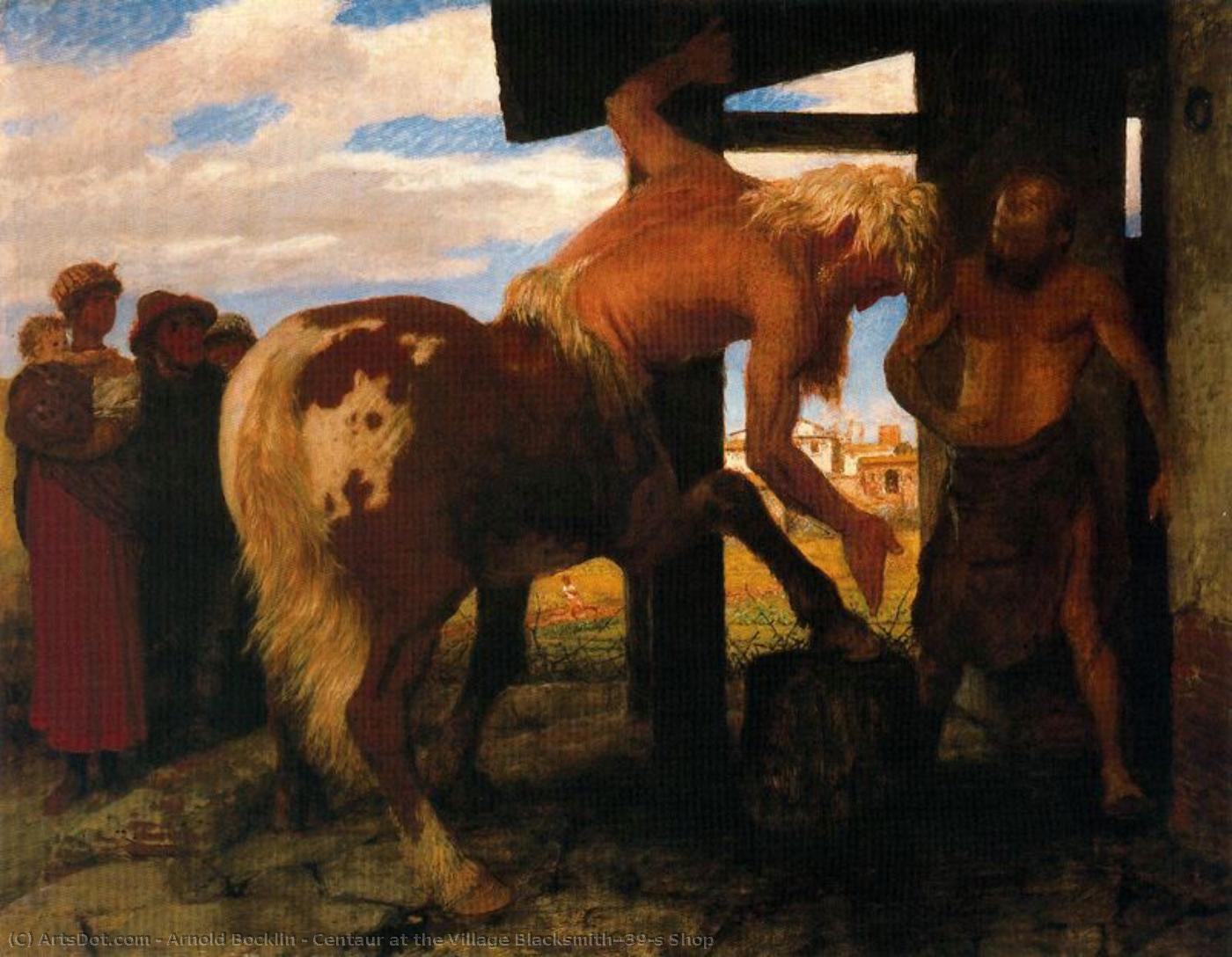
Centaur at the Village Blacksmith's Shop
 Acrylic On Canvas
- WallArt
- Symbolist Painting
 1888
1888 100.0 x 80.0 cm
 Музей искусств Будапешта
 Читать далее
Приобретите цифровое изображение высокого разрешения в улучшенном качестве, которое значительно превосходит онлайн-превью.
Каждый файл тщательно подготавливается нашими специалистами с использованием передовых инструментов и экспертной ручной ретуши. Мы гарантируем исключительную четкость, точную цветопередачу и детальную проработку каждого изображения.
Финальный файл доставляется по электронной почте в течение 72 часов и оптимизирован для немедленного использования в профессиональной среде, при верстке и печати. Это тот же уровень качества, которому доверяют ведущие дизайнерские студии, издательства и галереи.
Цифровое изображение
Скачайте файл высокого разрешения для личного использования, печати и творческих проектов. ( Перейти к печати Купить картину ручной работы)
Включено в каждый заказ цифровых изображений
Гарантия экспертной цифровой доставки
Выбирая ArtsDot.com, вы получаете не просто изображение — вы приобретаете профессионально обработанное цифровое произведение искусства, созданное с безупречной точностью и под защитой гарантии качества. Вот всё, что автоматически входит в ваш заказ:

Мгновенная доставка по e-mail
Ваш цифровой файл в высоком разрешении будет отправлен вам по электронной почте в течение 72 часов после оформления заказа — и сразу станет доступен для использования.

Цифровой файл с ИИ-улучшением
Ваше произведение искусства проходит профессиональную оптимизацию с использованием передовых инструментов ИИ и ручной обработки, что гарантирует максимальную детализацию, четкость и точность цветопередачи.

Бессрочная бесплатная повторная доставка
Случайно удалили или потеряли файл? Не беспокойтесь — мы отправим его вам повторно в любое время и совершенно бесплатно.

Без импортных пошлин — навсегда
Наслаждайтесь вашим произведением искусства мгновенно без таможенных пошлин, сборов или затрат на доставку — цифровые загрузки всегда не облагаются налогом.

Гарантия точности цветопередачи
Мы гарантируем, что ваше цифровое изображение максимально точно передает оригинальные цвета благодаря использованию профессиональных инструментов и систем управления цветом.

Гарантия удовлетворенности 100 дней
Если вы не будете удовлетворены своим цифровым изображением, мы внесем правки или вернем 100% стоимости в течение 100 дней — без лишних вопросов.

100% Гарантия возврата средств
Не удовлетворены покупкой? Получите полный возврат средств в течение 100 дней после получения цифрового файла — без лишних вопросов.

Скидки на оптовые заказы
Купите 3 изображения, сэкономьте 10% — Купите 5, сэкономьте 15% — Купите 10+, сэкономьте 20%. Отличное решение для творческих проектов, галерей и агентств.
A Moment Frozen in Mythic Time: Exploring Arnold Böcklin’s “Centaur at the Village Blacksmith's Shop”
Arnold Böcklin’s “Centaur at the Village Blacksmith’s Shop,” completed in 1888, stands as a cornerstone of Symbolist painting—a genre dedicated to conveying emotion and psychological states rather than merely representing reality. More than just a depiction of an everyday scene infused with fantastical elements, this artwork delves into profound themes of mortality, innocence lost, and the enduring power of primal instincts against the backdrop of classical antiquity. Its haunting beauty continues to captivate audiences today, prompting contemplation on the complexities of human experience.The Scene: Rural Tranquility Disrupted
The painting portrays a solitary centaur—half man, half horse—engaged in the seemingly mundane task of shoeing a horse before a modest village blacksmith’s forge. This juxtaposition is deliberately unsettling. Böcklin eschews grand narratives or dramatic action; instead, he presents a tableau of quiet labor rendered in muted tones – predominantly browns and greys – creating an atmosphere of palpable stillness. The blacksmith's shop itself is depicted with meticulous detail, emphasizing its solidity and permanence, representing the established order of civilization. Yet, this tranquility is immediately undermined by the presence of the centaur, whose gaze directs towards the viewer, conveying a sense of melancholy and hinting at a hidden narrative beneath the surface.Symbolism Rooted in Antiquity
Böcklin’s artistic vision draws heavily from classical mythology, specifically referencing depictions of centaurs as symbols of untamed nature versus civilized intellect. The centaur embodies primal instincts—strength, instinctual knowledge—contrasted with human reason and artistry. This duality is powerfully conveyed through Böcklin's masterful use of chiaroscuro – the dramatic interplay between light and shadow – which sculpts the figures and enhances their emotional impact. The horse represents fertility and vitality, while the blacksmith symbolizes craftsmanship and tradition. These elements intertwine to suggest a confrontation between opposing forces—the natural world versus human endeavor—a theme prevalent throughout Böcklin’s oeuvre.Technique: Delicate Watercolor on Paper
Executed in watercolor on paper, “Centaur at the Village Blacksmith's Shop” exemplifies Böcklin’s signature technique. Watercolor lends itself beautifully to capturing subtle gradations of tone and texture, allowing for an ethereal quality that contributes significantly to the painting’s mood. Böcklin painstakingly layered washes of pigment, achieving remarkable luminosity and blending colors seamlessly—a testament to his meticulous attention to detail. The artist's deliberate restraint in color reinforces the painting’s contemplative spirit, prioritizing atmosphere over precise representation. This technique underscores Böcklin’s commitment to conveying emotion through visual form rather than literal depiction.Emotional Resonance: A Meditation on Loss and Acceptance
Ultimately, “Centaur at the Village Blacksmith’s Shop” transcends its formal elements to evoke a profound emotional response in the viewer. The painting speaks to themes of vulnerability, solitude, and the inevitability of decay—concepts central to Symbolist philosophy. Böcklin's depiction of the centaur’s sorrowful expression invites reflection on mortality and the acceptance of life’s transient nature. It is not merely a visual spectacle but rather an invitation to contemplate existential questions. The painting lingers in the mind long after viewing, prompting viewers to consider the enduring power of mythic imagery to illuminate the human condition—a testament to Böcklin's artistic genius and his ability to capture the essence of emotion within a carefully constructed composition.Похожие произведения
Биография художника
Arnold Böcklin (1827–1901)
Arnold Böcklin, a Swiss Symbolist painter, was born on October 16, 1827, in Basel, Switzerland. His father, Christian Frederick Böcklin, descended from an old family of Schaffhausen and engaged in the silk trade. Ursula Lippe, Arnold’s mother, was a native of the same city. He studied at Düsseldorf Academy under Schirmer, becoming a friend of Anselm Feuerbach. Böcklin is associated with the Düsseldorf school of painting.Early Life and Training
Arnold Böcklin's artistic journey began early in Basel where he received his initial training from Ludwig Adam Kelterborn. Recognizing his exceptional talent, Schirmer encouraged him to pursue studies at Düsseldorf Academy, fostering a connection with Feuerbach that would profoundly influence his worldview. This formative period instilled in him an appreciation for classical art and landscape painting—particularly the brooding grandeur of Caspar David Friedrich—which would permeate his subsequent works. Böcklin’s fascination with German Romanticism served as a cornerstone for his artistic development.Artistic Career and Symbolism
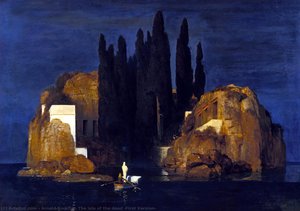
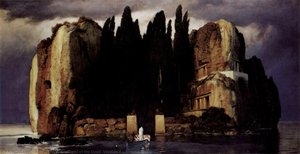
Böcklin's career unfolded across Europe, encompassing Paris, Antwerp, and Rome, where he absorbed the stylistic innovations of the Impressionists and Renaissance masters alike. He established himself as professor at Weimar Art School, honing his skills and experimenting with new techniques. Böcklin’s distinctive style—characterized by dreamlike landscapes infused with mythological imagery—became synonymous with Symbolism. His magnum opus, *The Isle of the Dead* (1880–1886), captivated audiences and inspired composers like Rachmaninoff, cementing his place as a pivotal figure in late Romantic art. Böcklin’s exploration of mortality and subconsciousness resonated deeply with artists of his time and continues to inspire contemplation today.Notable Works
Böcklin's oeuvre is marked by iconic paintings such as *Nymph and Satyr* (1858), *Sappho* (1859), *Self-Portrait with Death Playing the Violin* (1872), and of course, *The Isle of the Dead*, which exists in five versions. These works exemplify Böcklin’s masterful command of composition and color—often employing muted palettes to evoke a sense of melancholy and mystery. His meticulous attention to detail captured the ethereal beauty of nature and conveyed profound psychological themes.Legacy and Influence
Böcklin's influence extended beyond his immediate contemporaries, shaping the artistic sensibilities of subsequent generations. Clement Greenberg hailed Böcklin’s work as “one of the most consummate expressions” of its time, recognizing its pioneering role in bridging Romanticism and Symbolism. His distinctive vision anticipated the surrealist aesthetic of the 20th century, demonstrating an uncanny ability to tap into universal anxieties about death and existence. Böcklin's enduring legacy resides not only in his artistic achievements but also in his contribution to the intellectual discourse surrounding art and symbolism—a testament to his profound understanding of human psychology and the power of imagery. ## Museums and Collections Böcklin’s artworks are housed in prestigious institutions worldwide, including Öffentliche Kunstsammlung Basel (Basel, Switzerland), Kunstmuseum Basel (Switzerland), and Museum Kunsthaus Zürich (Zürich, Switzerland). Visiting these museums offers a valuable opportunity to immerse oneself in the artist's artistic universe and appreciate the enduring fascination with his haunting landscapes and symbolic narratives.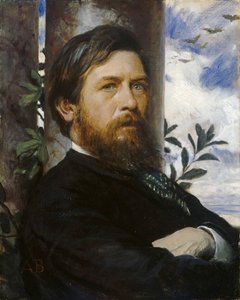
Арнольд Бёклин
1827 - 1901 , Швейцария
Основные сведения
- Artistic Movement Or Style: Символизм
- Artists Or Movements Influenced By This Artist:
- Ганс Фома
- Прерафаэлиты
- Artists Who Influenced This Artist:
- Ширмер
- Фейербах
- Date Of Birth: 16 октября 1827 г.
- Date Of Death: 16 января 1901 г.
- Full Name: Арнольд Бёклин
- Nationality: Швейцарский
- Notable Artworks:
- Остров мёртвых
- Нимфа и сатир
- Сапфо
- Портрет самого себя
- Place Of Birth: Базель, Швейцария