 Предпросмотр
 Поделиться
 Поделиться
 Детали произведения

 Скачать
 Похожие работы
 Рентгенография
 Слайд-шоу
 Статистика
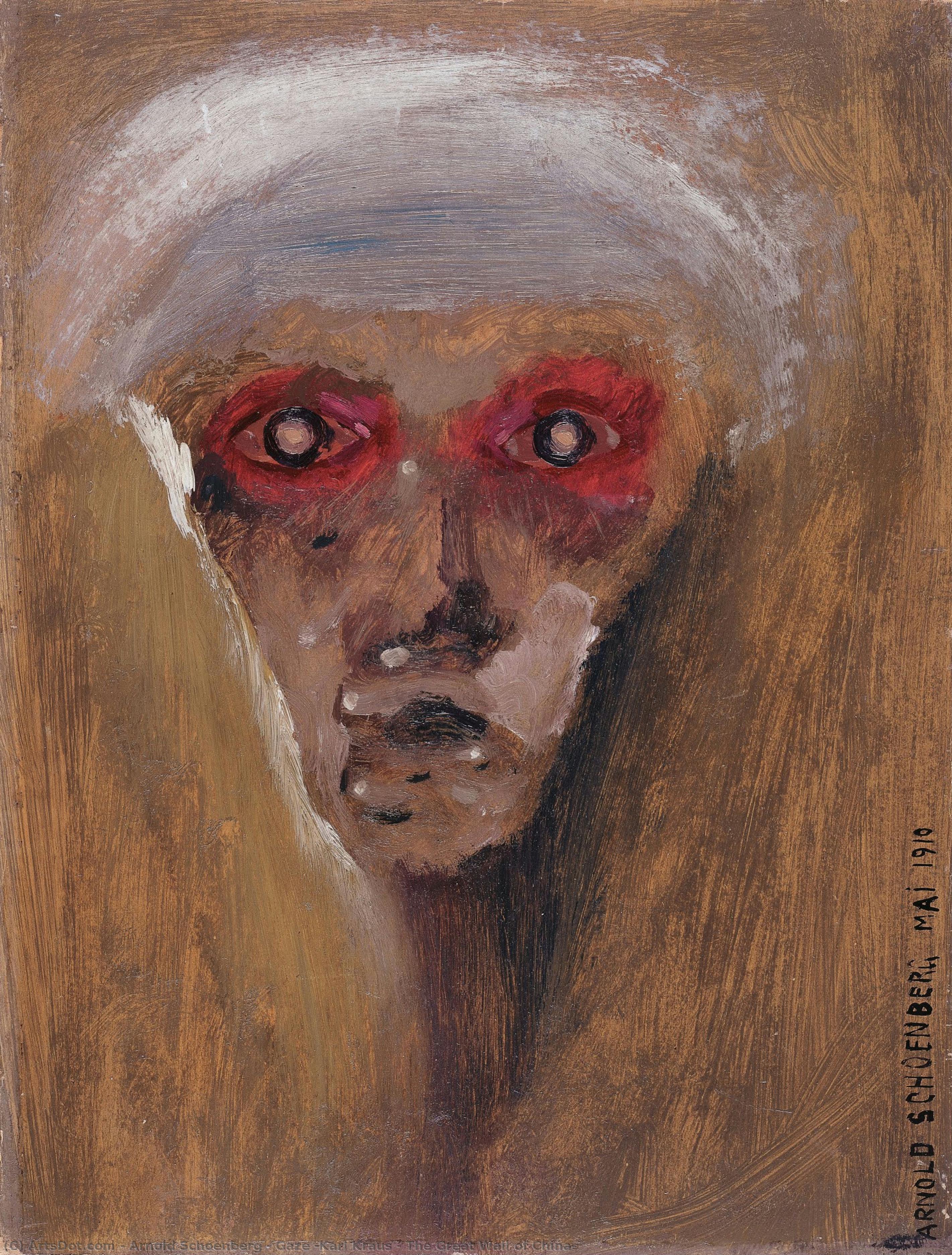
Gaze (Karl Kraus – The Great Wall of China)
 Oil On Board
- Expressionist Abstraction
 1910
1910- 19th Century
 24.0 x 32.0 cm
 Arnold Schönberg Center
 Читать далее
Жикле / Арт-принт
Печать (жикле) или холст музейного качества с быстрыми сроками изготовления и широким выбором вариантов отделки. ( Купить картину ручной работы Перейти к цифровым изображениям)




P118B $10

P118H $10

P118W $10

P438Z $10

P508JH $12

P508YH $12

P805H $10

P805Z $10

P919BZ $10

P919G $10

P919XJ $10

P959ZH $10

P968JZ $12

W106C $8

W218G $10

W218JH $8

W218Y $10

W307PJ $10

W316G $10

W316PJ $8

W316Y $10

W398PJ $8

W4111J $10

W500HY $15

W500JH $15

W692G $12

W849H $8

W940BG $15

W953PJ $8




Выберите один из наших стандартных размеров, соответствующих оригинальным пропорциям произведения искусства.

Вы можете указать свои собственные размеры, чтобы репродукция идеально подошла под конкретную раму или пространство. Если выбранный вами размер не будет соответствовать пропорциям оригинала, мы либо обрежем произведение, либо дополним изображение зеркальным отражением краев или однотонной заливкой. Перед началом производства вам будет отправлен цифровой макет для утверждения.
Пожалуйста, обратите внимание, что предварительный просмотр на экране не отображает фактическую обрезку или расширение изображения. Только макет точно покажет финальную композицию.
Несмотря на возможность заказа индивидуальных размеров, мы рекомендуем выбирать размер из предопределенного списка, чтобы сохранить оригинальные пропорции.
Доставка по всему миру () за 2 недели вместо стандартных 4/5 недель. (13 Сентябрь)

Бесплатная экспресс-доставка по всему миру

Высококачественный льняной холст

Полное страхование доставки

Гарантия возмещения таможенных пошлин

Гарантия точного соответствия цветов

100-дневная политика возврата (только при обнаружении дефектов)

Гарантия возврата 100% средств

Предложение оптовых скидок
 Вариант со стеклом доступен только для размеров менее 110 см

Gaze (Karl Kraus – The Great Wall of China)
Жикле / Арт-принт
Размер репродукции
-


Итоговая стоимость
$ 62
Gaze: A Portrait of Anxiety in Schoenberg's 'The Great Wall of China'
Arnold Schoenberg’s “Gaze,” painted in 1910, is more than just a striking visual; it’s a haunting echo of the anxieties simmering beneath the surface of early 20th-century Vienna. This small oil on board – measuring a mere 24 x 32 cm – captures a moment of profound unease, born from Karl Kraus's controversial lecture, “Die chinesische Mauer” (The Great Wall of China). The lecture itself, delivered in 1910 and inspired by the brutal murder of Elsie Sigel in Chinatown, New York, exposed the dark undercurrents of societal anxieties surrounding immigration, violence, and the perceived ‘other.’ Schoenberg, deeply embedded within Vienna’s artistic circle – a key figure alongside Alban Berg and Anton Webern – responded to this unsettling narrative with an image that refuses easy interpretation.
- Subject & Composition: The painting centers on a distorted face, rendered in jarring hues of red and blue. The subject's gaze is intensely focused, almost predatory, immediately drawing the viewer into its unsettling presence.
- Color Palette: The deliberate use of vibrant red and blue creates an immediate sense of discordance. Red, traditionally associated with passion and danger, amplifies the feeling of threat, while blue evokes a chilling emptiness or perhaps a melancholic reflection on loss.
- Background Detail: A stark yellow wall serves as a backdrop, further isolating the figure and intensifying the overall atmosphere of alienation and confinement.
Historical Context & The Influence of Kraus
Understanding “Gaze” requires acknowledging its genesis within Vienna’s intellectual ferment. Schoenberg was deeply influenced by Karl Kraus's lecture, which interrogated the complexities of race relations and social justice in a rapidly changing world. Kraus’s work challenged prevailing notions of European superiority and exposed the vulnerability of marginalized communities. The murder of Elsie Sigel, a case that captivated the press, became a potent symbol of these anxieties. Schoenberg wasn’t simply depicting a face; he was visually translating the unsettling questions raised by Kraus's words – questions about identity, power, and the potential for violence.
The painting’s creation coincided with Schönberg’s involvement in organizing concerts for the Academic Association for Literature and Music, further cementing his position within Vienna’s artistic elite. This context highlights the work’s engagement with contemporary social and political debates, making it a valuable document of its time.
Technique & Artistic Style
"Gaze" exemplifies Schoenberg's evolving style in the early 20th century. While rooted in his earlier expressionist tendencies – particularly evident in the distorted features and unsettling color palette – the painting demonstrates a growing interest in abstraction. The deliberate manipulation of form and color, rather than a realistic representation, suggests a move towards exploring emotional states through purely visual means. Schoenberg’s use of oil on board allows for rich textures and subtle gradations of tone, contributing to the painting's overall sense of depth and complexity.
The technique employed is characterized by bold brushstrokes and a deliberate lack of blending, creating a fragmented and unsettling effect that mirrors the anxieties conveyed in the subject matter. The surface texture itself adds another layer of visual interest, inviting closer inspection and encouraging viewers to confront the painting’s disturbing imagery.
Symbolism & Emotional Impact
Ultimately, “Gaze” is a powerfully evocative work that transcends its historical context. The distorted face can be interpreted as representing not just an individual but also the anxieties of a society grappling with rapid change and unsettling truths. The intense gaze itself suggests a sense of judgment, accusation, or perhaps even madness. It’s a portrait of psychological distress, rendered in a visually arresting manner. This reproduction offers a unique opportunity to own a piece of art that continues to provoke thought and emotion over a century later.
Похожие произведения
Биография художника
ранние годы и музыкальные истоки
Арнольд Шёнберг, австро-американский композитор, родился 13 сентября 1874 года в Вене, Австрия. Его ранние годы были отмечены скромным происхождением: его отец был владельцем обувного магазина. Несмотря на это, врожденная страсть Шёнберга к музыке побудила его во многом самостоятельно освоить эту сложную область искусства.музыкальная эволюция и выдающиеся произведения
Ранние работы Шёнберга, такие как «Verklärte Nacht» (Преображенная ночь, 1899), демонстрировали синтез традиций Брамса и Вагнера. По мере своего творческого развития он стал центральной фигурой Второй венской школы наряду с Антоном Веберном и Альбаном Бергом. Его композиции, включая Струнный квартет № 2 (1907–1908), «Erwartung» (Ожидание, 1909) и «Pierrot Lunaire» (Лунный Пьеро, 1912), стали воплощением его новаторского подхода к атональности.преподавание, эмиграция и поздние годы
В 1933 году Шёнберг был вынужден покинуть Прусскую академию искусств из-за прихода нацистов к власти, которые заклеймили его музыку как «дегенеративную». Впоследствии он преподавал в США, в том числе в Калифорнийском университете в Лос-Анджелесе (1936–1944), чьи учебные корпуса названы в его честь. [https://ArtsDot.com/@/arnold-schoenberg](узнайте больше о жизни и творчестве Шёнберга на ArtsDot).- Шёнберг исследовал возможности киномузыки и писал более тональную музыку, завершив свою Камерную симфонию № 2 в 1939 году.
- Он сатирически изобразил фашистских тиранов в «Оде Наполеону» (1942), вдохновленной Байроном.
- Послевоенная Вена предложила ему почетное гражданство, но в этот период он был болен, что нашло отражение в его Струнном трио (1946).
наследие и влияние
Когда мир узнал о трагедии Холокоста, Шёнберг увековечил память его жертв в произведении «Выживший из Варшавы» (1947). В 1951 году Израильская консерватория и академия музыки избрала его почетным президентом. [https://ArtsDot.com/@@/a@d3bqc7-the-museum-destroyed-by-fire-(united-states)](узнайте больше о влиянии его творчества на ArtsDot). Ключевые моменты:- Инновационная музыка Шёнберга была одной из самых влиятельных и дискуссионных в классической музыке XX века.
- Как минимум три поколения композиторов развивали её строгие формальные принципы.
- Его эстетические и музыковедческие взгляды оказали глубокое влияние на таких теоретиков, как Теодор В. Адорно и Карл Далхаус.
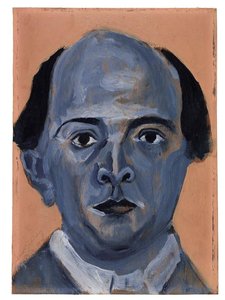
Арнольд Шёнберг
1874 - 1951 , Австрия
Основные сведения
- Artistic Movement Or Style: Двенадцатитоновая техника; Экспрессионизм
- Artists Or Movements Influenced By This Artist:
- Антон Веберн
- Альбан Берг
- Artists Who Influenced This Artist:
- Иоганнес Брамс
- Рихард Вагнер
- Date Of Birth: 13 сентября 1874 г.
- Date Of Death: 1951
- Full Name: Арнольд Шёнберг
- Nationality: Австро-американский
- Notable Artworks:
- Сюита, op. 29
- Музыкальная пишущая машинка
- Staffliner
- Place Of Birth: Вена, Австрия
Похожие статьи
Transforming Spaces: A Comprehensive Exploration of Wall Decor Through Art History & Contemporary Practice
Explore the art of transforming spaces with our comprehensive guide to wall decor. From historical movements to contemporary trends, discover how to curate impactful interiors and commission bespoke artwork for a truly personalized aesthetic.

Giclée Prints: Archival Quality & Aesthetic Nuances for the Discerning Collector
Explore the world of giclée prints with ArtsDot. Learn about archival quality, aesthetic nuances & investment potential. Expert guidance for discerning art collectors seeking museum-quality reproductions and lasting value.
Марианна Норт: 25 Шедевров Художницы и Путешественницы | ArtsDot
Погрузитесь в мир ботанической живописи с Марианной Норт! 25 шедевров викторианской художницы, полных экзотических цветов и тропических пейзажей. Купить репродукции картин онлайн на ArtsDot – вдохновение для вашего интерьера!

Echoes of Time: Exploring the Enduring Appeal & Historical Context of Vintage Art Prints
Explore the captivating world of vintage art prints! Discover their history, collecting tips & enduring appeal. Expert insights on chromolithography and building a legacy collection with ArtsDot.
Топ-25 шедевров Энди Уорхола: Искусство поп-культуры для вашего интерьера
Погрузитесь в мир Энди Уорхола! Топ-25 шедевров поп-арта, от Marilyn Diptych до Campbell's Soup Cans. История искусства, техники и вдохновение для вашего интерьера. Купите репродукции картин высокого качества на ArtsDot.com!