

 Предпросмотр
 Поделиться
 Поделиться
 Детали произведения

 Скачать
 Похожие работы
 Рентгенография
 Слайд-шоу
 Статистика
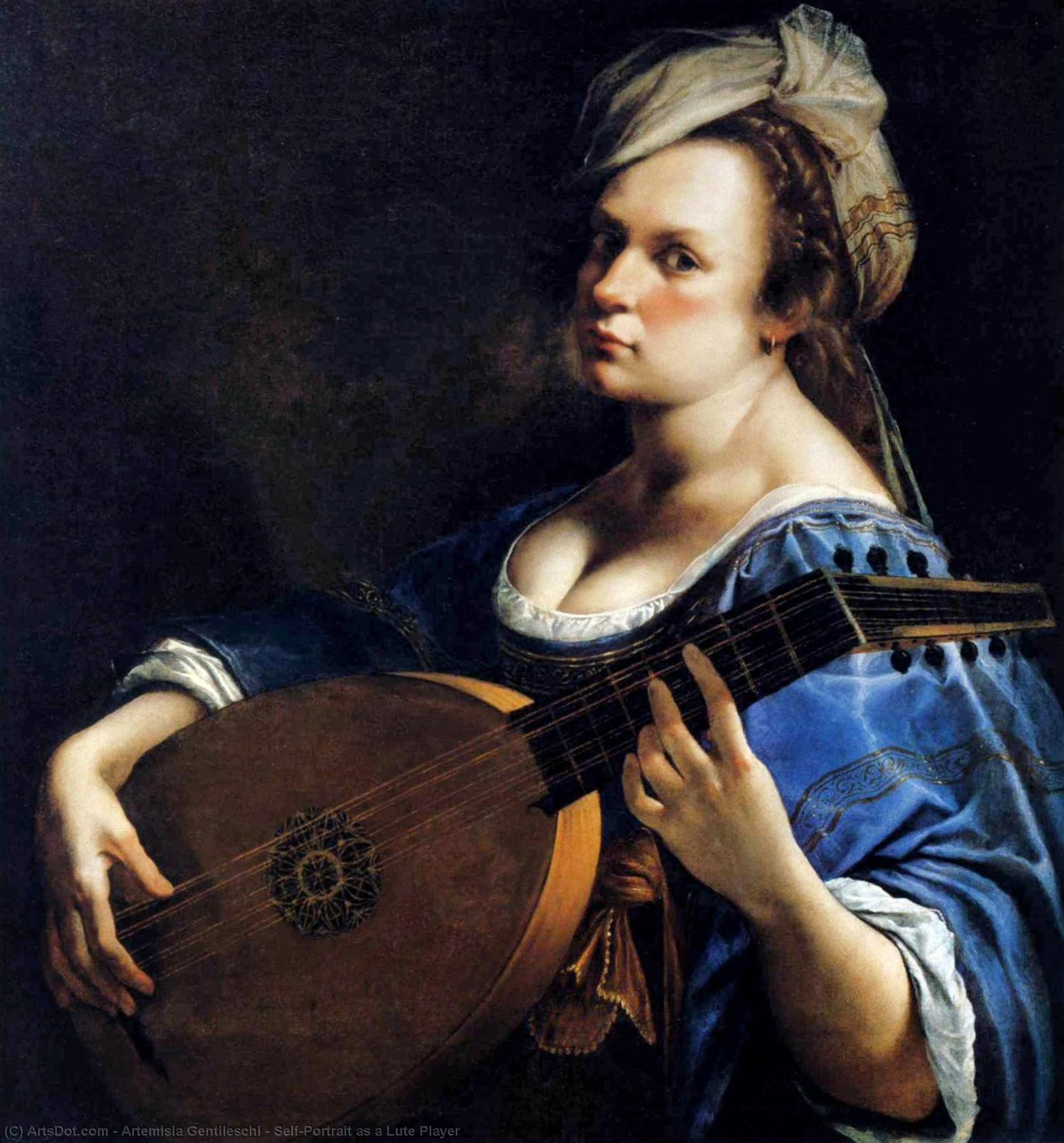
Self-Portrait as a Lute Player


 Читать далее
Приобретите цифровое изображение высокого разрешения в улучшенном качестве, которое значительно превосходит онлайн-превью.
Каждый файл тщательно подготавливается нашими специалистами с использованием передовых инструментов и экспертной ручной ретуши. Мы гарантируем исключительную четкость, точную цветопередачу и детальную проработку каждого изображения.
Финальный файл доставляется по электронной почте в течение 72 часов и оптимизирован для немедленного использования в профессиональной среде, при верстке и печати. Это тот же уровень качества, которому доверяют ведущие дизайнерские студии, издательства и галереи.
Цифровое изображение
Скачайте файл высокого разрешения для личного использования, печати и творческих проектов. ( Перейти к печати Купить картину ручной работы)
Включено в каждый заказ цифровых изображений
Гарантия экспертной цифровой доставки
Выбирая ArtsDot.com, вы получаете не просто изображение — вы приобретаете профессионально обработанное цифровое произведение искусства, созданное с безупречной точностью и под защитой гарантии качества. Вот всё, что автоматически входит в ваш заказ:

Мгновенная доставка по e-mail
Ваш цифровой файл в высоком разрешении будет отправлен вам по электронной почте в течение 72 часов после оформления заказа — и сразу станет доступен для использования.

Цифровой файл с ИИ-улучшением
Ваше произведение искусства проходит профессиональную оптимизацию с использованием передовых инструментов ИИ и ручной обработки, что гарантирует максимальную детализацию, четкость и точность цветопередачи.

Бессрочная бесплатная повторная доставка
Случайно удалили или потеряли файл? Не беспокойтесь — мы отправим его вам повторно в любое время и совершенно бесплатно.

Без импортных пошлин — навсегда
Наслаждайтесь вашим произведением искусства мгновенно без таможенных пошлин, сборов или затрат на доставку — цифровые загрузки всегда не облагаются налогом.

Гарантия точности цветопередачи
Мы гарантируем, что ваше цифровое изображение максимально точно передает оригинальные цвета благодаря использованию профессиональных инструментов и систем управления цветом.

Гарантия удовлетворенности 100 дней
Если вы не будете удовлетворены своим цифровым изображением, мы внесем правки или вернем 100% стоимости в течение 100 дней — без лишних вопросов.

100% Гарантия возврата средств
Не удовлетворены покупкой? Получите полный возврат средств в течение 100 дней после получения цифрового файла — без лишних вопросов.

Скидки на оптовые заказы
Купите 3 изображения, сэкономьте 10% — Купите 5, сэкономьте 15% — Купите 10+, сэкономьте 20%. Отличное решение для творческих проектов, галерей и агентств.
A Symphony of Shadow and Resilience
In the grand tapestry of the Baroque era, few threads shine with as much defiant brilliance as the work of Artemisia Gentileschi. Her Self-Portrait as a Lute Player, executed around 1615, is far more than a mere study of a musician; it is a profound psychological landscape captured in oil on canvas. As the viewer encounters this masterpiece, they are immediately drawn into an intimate dialogue with the artist herself. Gentileschi does not merely pose; she asserts her presence. Clad in a rich, luminous blue dress that catches the light with sculptural precision, she gazes outward with an expression that balances contemplative depth with a certain stern resolve. This is a woman who has mastered the art of being seen on her own terms, using the canvas to carve out a space for female agency in a world that often sought to render women invisible.
The technical brilliance of the piece lies in its masterful command of tenebrism, the dramatic style popularized by Caravaggio. Gentileschi, having been trained within the orbit of her father Orazio’s workshop, utilizes intense contrasts between deep, swallowing shadows and piercing highlights to sculpt the human form. The light does not merely illuminate; it dramatizes. It dances across the intricate textures of her elaborate hairstyle and the delicate shimmer of her necklace, while simultaneously casting much of the background into a mysterious, atmospheric gloom. This interplay of light and dark serves as a powerful metaphor for the artist's own journey—a navigation through the literal and figurative darkness of her era toward the clarity of artistic truth.
Symbolism and the Art of Identity
Every element within the composition is heavy with meaning, designed to resonate with the intellectual and social currents of 17th-century Rome. The lute, held prominently in the foreground, serves as a central protagonist in this visual narrative. In the iconography of the time, musical instruments often symbolized harmony, but they also represented the cultivation of the intellect and the soul—pursuits that were frequently contested for women of the period. By depicting herself as a player of such an instrument, Gentileschi claims her right to intellectual and artistic mastery. The presence of the lute, alongside the subtle depth provided by other figures in the periphery, creates a sense of a lived, breathing world where music and art are the primary languages of existence.
For the discerning collector or interior designer, this painting offers an unparalleled emotional resonance. It is a piece that commands attention through its sophisticated composition and its ability to anchor a room with a sense of historical gravity and quiet strength. Whether placed in a contemporary gallery setting or a classic study, the Self-Portrait as a Lute Player brings with it an aura of elegance and intellectual curiosity. To possess a high-quality reproduction of this work is to invite a conversation about resilience, the beauty of technical perfection, and the enduring power of the female gaze into one's personal space.
Похожие произведения
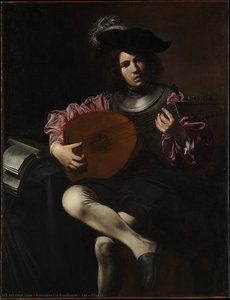
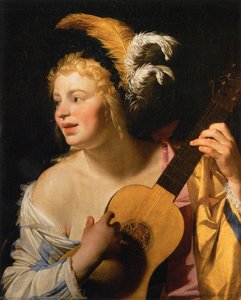

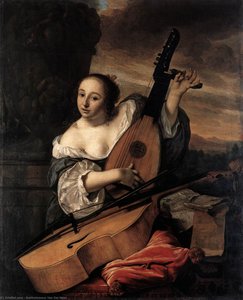
Биография художника
A Daughter of Rome: The Life and Art of Artemisia Gentileschi
Artemisia Gentileschi’s name echoes through the halls of art history, resonating not simply as that of a painter, but as an emblem of resilience, defiance, and extraordinary artistic talent in a world determined to silence female voices. Born in Rome in 1593, she entered a milieu steeped in artistry—her father, Orazio Gentileschi, was a respected painter deeply influenced by the revolutionary realism of Caravaggio. From her earliest years, Artemisia’s gift was undeniable, nurtured within her father's workshop where she absorbed techniques of composition and the dramatic use of light and shadow that would become hallmarks of her distinctive style. This formative training wasn’t merely about mastering brushstrokes; it was an immersion into a world of artistic ambition, one typically closed to women. Recognizing his daughter’s exceptional talent, Orazio provided opportunities unavailable to most females of the era, allowing her to study from life models—a crucial step in developing anatomical accuracy and expressive power.Shadows and Strength: Artistic Development
Gentileschi's artistic development was profoundly shaped by Caravaggio’s tenebrism—the stark contrast between light and darkness that imbued his paintings with an intense emotionality. Yet, she didn’t simply mimic her father or Caravaggio; she forged her own unique voice, characterized by a raw psychological depth and a compelling focus on female subjects often depicted with unprecedented agency and strength. Even in her early works, like *Susanna and the Elders* (1610), a biblical scene depicting Susanna being spied upon by two lecherous old men, Artemisia’s interpretation diverges from traditional portrayals. Here, Susanna isn't passively vulnerable; she displays a quiet dignity and resistance, foreshadowing the powerful female figures that would dominate her later oeuvre. The painting is not merely a depiction of seduction but an assertion of moral fortitude against predatory behavior. But it is *Judith Slaying Holofernes* (existing in multiple versions between 1614-1620) that cemented her reputation as a master of dramatic narrative and psychological realism. This monumental work, often considered her masterpiece, depicts Judith’s decisive act with brutal honesty—a visceral portrayal of violence tempered by the woman's unwavering determination. The composition is dynamic, filled with movement and tension, capturing both the horror of the scene and the righteous fury driving Judith’s actions. Her use of color is particularly striking: deep reds and blacks dominate, creating a sense of drama and foreboding, while subtle highlights draw attention to key details—Judith's focused gaze, Holofernes’s vulnerable posture.A Trial by Fire: Trauma and Triumph
Artemisia’s life was irrevocably altered by a horrific event: her rape at the hands of Agostino Tassi, a fellow painter and colleague of her father. The ensuing trial (1611-1612) became a public spectacle, subjecting Artemisia to grueling questioning and societal scrutiny. The details of the assault were revealed in excruciating detail, fueled by accusations of fabrication and attempts to undermine her credibility. Despite this ordeal, Artemisia bravely testified against Tassi, presenting compelling evidence of his guilt. While she was ultimately acquitted, the trial left an indelible mark on her psyche and her art. The experience fostered a deep-seated distrust of men and a profound understanding of the vulnerability of women in a patriarchal society. Many scholars believe that this trauma is directly reflected in her later works, particularly those depicting female figures facing adversity or asserting their power. It’s important to note that while the trial was a significant event, it's crucial to approach the historical record with sensitivity and acknowledge the complexities surrounding the case. The legal proceedings were deeply flawed, reflecting the biases of the time, but Artemisia’s courage in speaking out against injustice remains an inspiring testament to her resilience.A Pioneer in Florence and Beyond
Following the trial, Artemisia married a little-known Florentine artist named Pietro Antonio di Vicenzo Stiattesi. With her new husband, she relocated to Florence, where she established herself as an independent artist and gained recognition for her skill and originality. In 1616, she achieved another milestone: becoming the first woman admitted to the Accademia del Disegno in Florence—a testament to her talent and perseverance. This achievement was not merely symbolic; it opened doors for future generations of female artists. Gentileschi’s career extended beyond Florence, encompassing commissions in Genoa, Venice, Naples, and even London. She worked for prominent patrons, including the Medici family, and established a thriving workshop, proving that women could not only excel as artists but also succeed in a traditionally male-dominated profession. Her style evolved over time, incorporating influences from various artistic traditions while retaining her distinctive dramatic realism.Legacy of a Revolutionary Artist
Artemisia Gentileschi’s paintings are celebrated today for their emotional depth, dramatic realism, and powerful depictions of women—not as passive objects but as active agents in their own narratives. Her work continues to resonate with audiences worldwide, challenging conventional representations of female characters and offering a glimpse into the life and struggles of a remarkable artist. She painted not just with her hands, but with her soul, leaving an indelible mark on the world of art. Her story serves as a potent reminder of the importance of recognizing and celebrating the contributions of women throughout history—and of ensuring that their voices are never silenced again.Key Works
- Judith Slaying Holofernes (1614-1620): Perhaps her most famous work, showcasing dramatic realism and female empowerment.
- Susanna and the Elders (1610): An early masterpiece demonstrating her unique interpretation of a classic biblical scene.
- Judith and Her Maidservant (1625): A compelling portrayal of female solidarity and strength after a violent act.
- Danaë (c. 1636-1639): A sensual and psychologically complex depiction of the mythological figure.
Джентилески
1593 - 1656 , Италия
Основные сведения
- Artistic Movement Or Style: Барокко
- Artists Or Movements Influenced By This Artist:
- Феминистское искусство
- Барочные художники
- Artists Who Influenced This Artist:
- Караваджо
- Оrazio Джентилески
- Date Of Birth: 1593
- Date Of Death: 1656
- Full Name: Артемизия Джентилески
- Nationality: Итальянская
- Notable Artworks:
- Юдифь и Олоферн
- Сусанна и старцы
- Даная
- Place Of Birth: Рим, Италия