 Предпросмотр
 Поделиться
 Поделиться
 Детали произведения

 Скачать
 Похожие работы
 Рентгенография
 Слайд-шоу
 Статистика
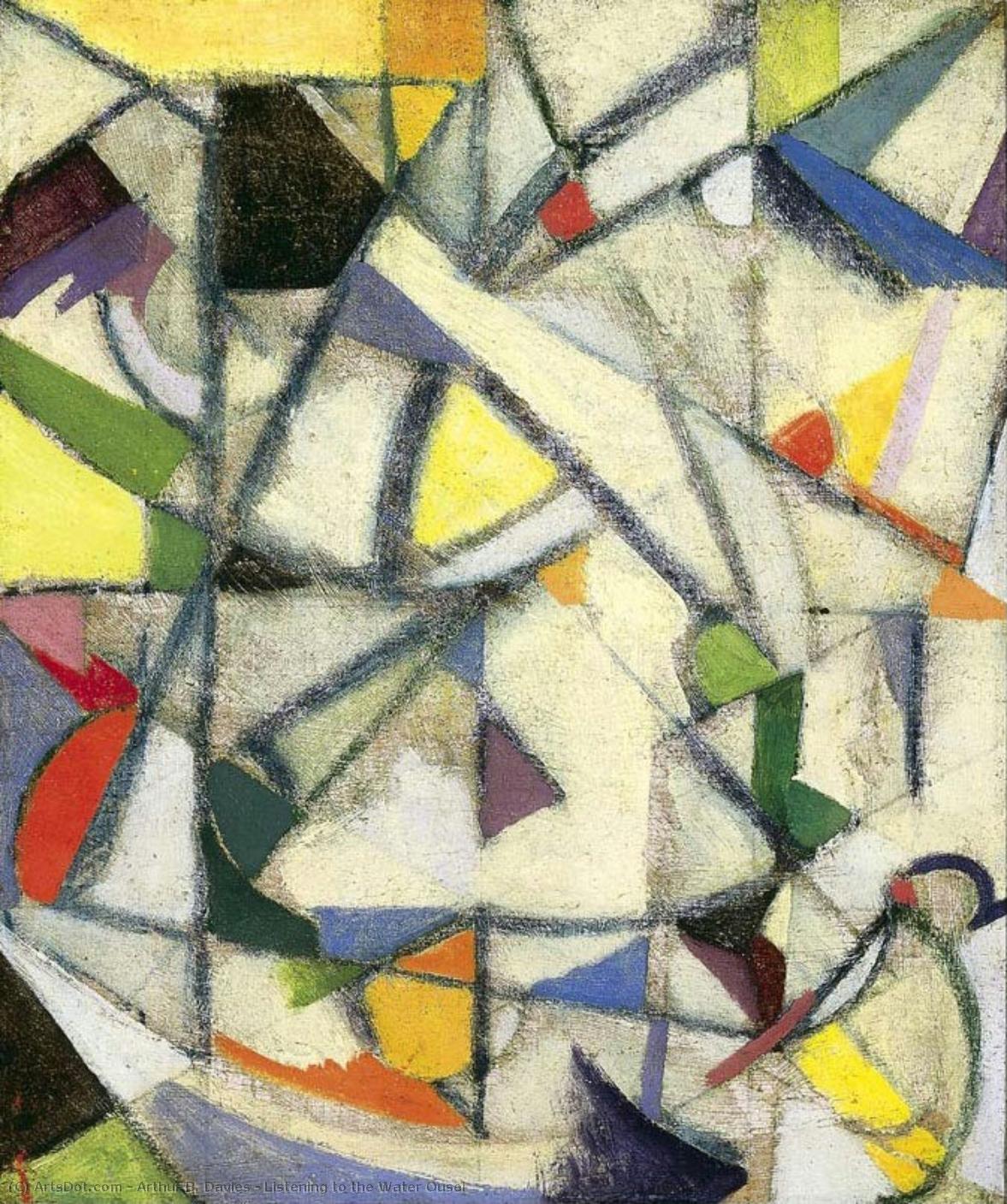
Listening to the Water Ousel
 Oil On Canvas
- WallArt
- American Regionalism
 1915
1915- 19th Century
 33.0 x 27.0 cm
 McNay Art Museum
 Читать далее
Масляная репродукция ручной работы
Картина маслом на холсте в выбранном вами размере и раме, написанная на заказ нашими художниками. ( Перейти к печати Перейти к цифровым изображениям)




P118B $10

P118H $10

P118W $10

P438Z $10

P508JH $12

P508YH $12

P805H $10

P805Z $10

P919BZ $10

P919G $10

P919XJ $10

P959ZH $10

P968JZ $12

W106C $8

W218G $10

W218JH $8

W218Y $10

W307PJ $10

W316G $10

W316PJ $8

W316Y $10

W398PJ $8

W4111J $10

W500HY $15

W500JH $15

W692G $12

W849H $8

W940BG $15

W953PJ $8




Выберите один из наших стандартных размеров, соответствующих оригинальным пропорциям произведения искусства.

Вы можете указать собственные размеры, чтобы картина идеально вписалась в выбранную раму или пространство. Если выбранный вами размер не соответствует пропорциям оригинала, мы либо обрежем полотно, либо расширим его за счет дополнительных элементов, написанных вручную. Цифровой макет будет отправлен вам на утверждение перед началом производства.
Обратите внимание, что предварительный просмотр на экране не отражает фактическую обрезку или расширение. Только макет точно покажет окончательную композицию.
Хотя доступны индивидуальные размеры, мы рекомендуем выбирать вариант из предопределенного списка, чтобы сохранить исходные пропорции.
После оформления заказа команда ArtsDot.com свяжется с клиентом по электронной почте для уточнения деталей и предоставит предварительный макет
Доставка по всему миру () за 3–4 недели вместо стандартных 5 недель. (12 Сентябрь). Без компромиссов в качестве.

Бесплатная экспресс-доставка по всему миру

Высококачественный льняной холст

Полное страхование доставки

Гарантия возмещения таможенных пошлин

Гарантия точного соответствия цветов

100-дневная политика возврата (только при обнаружении дефектов)

Гарантия возврата 100% средств

Предложение оптовых скидок
 Вариант со стеклом доступен только для размеров менее 110 см

Listening to the Water Ousel
Техника репродукции
Размер репродукции
-


Итоговая стоимость
$ 263
Arthur B. Davies’ ‘Listening to the Water Ousel’: A Moment of Quiet Contemplation
Listening to the Water Ousel, painted in 1915 by Arthur B. Davies, is more than a depiction of a bird; it's an invitation to stillness, a poignant meditation on nature’s subtle beauty and the quiet contemplation of the natural world. This intimate scene, rendered with meticulous detail and imbued with a distinctly American sensibility, captures a moment of profound serenity that resonates deeply with viewers even today. Measuring 33 x 27 cm, this artwork offers a window into the artistic vision of Arthur B. Davies, a pivotal figure bridging European modernism and the burgeoning landscape tradition in early 20th-century America.
The Artist’s Vision: Davies and the American Landscape
- A Mystic in the Modern Age: Arthur Bowen Davies (1862-1928), born in Utica, New York, was a complex artist deeply influenced by both European masters like George Inness and the Hudson River School. His work represents a crucial transition point in American art, reflecting a desire to capture not just the outward appearance of nature but also its underlying spirit.
- Technical Mastery: Davies’ technical skill is immediately apparent in the painting's remarkably detailed rendering of the water ouzel – its feathers meticulously layered to convey texture and form. This precision reflects his early training at the Chicago Academy of Design, where he honed his observational abilities and developed a refined approach to landscape painting.
- Beyond Representation: While rooted in traditional landscape techniques, Davies possessed an inner vision, seeking to express something beyond mere representation. He aimed to evoke emotion and contemplation through his art, aligning with the growing interest in symbolism and subjective experience within the artistic community.
A Study in Color and Atmosphere
The painting’s palette – dominated by serene blues, verdant greens, and subtle yellows – creates a profoundly peaceful atmosphere. Davies skillfully employs color not just to depict reality but to evoke mood and emotion. The blue sky, punctuated with delicate clouds, suggests vastness and tranquility, while the green foliage hints at life and renewal. The careful layering of paint allows for a remarkable sense of depth and luminosity, drawing the viewer into the scene.
Symbolism and Emotional Impact
The central figure, the water ouzel, is carefully positioned as if listening intently. This posture invites the viewer to share in its quiet observation, fostering a sense of connection with nature. The inclusion of other birds within the composition adds to the feeling of a vibrant ecosystem, subtly suggesting themes of harmony and interconnectedness. Davies’ work speaks to a desire for escape from the increasingly industrialized world, offering a refuge in the beauty and simplicity of the natural landscape – a sentiment particularly resonant during the early 20th century.
A Timeless Masterpiece: Reproduction Options
ArtsDot.com is proud to offer meticulously crafted hand-painted reproductions of Arthur B. Davies’ Listening to the Water Ousel. Each reproduction captures the essence of the original artwork, ensuring that you can bring this timeless masterpiece into your home or office. Available in a range of sizes, our high-quality reproductions are perfect for art collectors, interior designers, and anyone seeking to infuse their space with beauty and contemplation.
Похожие произведения
Биография художника
A Mystic in the Modern Age: The Life and Art of Arthur B. Davies
Arthur Bowen Davies, born in Utica, New York, in 1862, occupies a uniquely complex position within the narrative of American art. He wasn’t simply *of* his time—the tumultuous era bridging the 19th and 20th centuries—but actively shaped it, serving as both a conduit for European modernism and a champion of distinctly American artistic voices. His journey began with an early fascination for landscape painting, sparked by a touring exhibition that showcased the works of George Inness and the Hudson River School masters. This initial exposure instilled in him a reverence for nature’s beauty and a technical proficiency that would remain hallmarks of his style throughout his career. However, Davies wasn't destined to become merely another practitioner of traditional landscape; he possessed an inner vision, a yearning to express something beyond the purely representational. After studies at the Chicago Academy of Design and the Art Students League in New York, he began to forge a path that blended romantic sensibilities with emerging modernist ideals. His early career involved illustration work, but his true calling lay in painting—in creating worlds imbued with symbolism and emotional resonance.The Ashcan School & The Armory Show: A Catalyst for Change
Davies’s artistic development unfolded against a backdrop of significant social and cultural shifts. He became associated with “The Eight,” a group of artists who challenged the conservative norms of the National Academy of Design in 1908. While often linked to the Ashcan School—a movement known for its gritty depictions of urban life—Davies stood somewhat apart. Where artists like John Sloan focused on the raw realities of city streets, Davies sought refuge in a more ethereal realm. His paintings weren’t about documenting the visible world; they were about evoking moods, dreams, and spiritual longings. Nevertheless, his involvement with The Eight demonstrated his commitment to artistic independence and his willingness to challenge established conventions. This spirit of rebellion culminated in his pivotal role as one of the organizers of the 1913 Armory Show—a watershed moment that introduced European modernism (Cubism, Fauvism, Futurism) to a largely unsuspecting American public. The show was met with both outrage and excitement, irrevocably altering the course of American art history. Davies’s contribution wasn't merely logistical; he possessed an exceptional understanding of contemporary artistic trends and a keen eye for talent, making him instrumental in selecting the works exhibited. He understood that art needed to reflect the changing world, even if that meant embracing radical new forms.A Language of Symbolism & Ethereal Visions
Davies’s mature style is characterized by its lyrical quality, delicate brushwork, and evocative use of color. His paintings often feature figures—often women or mythological beings—immersed in dreamlike landscapes. These aren't portraits in the traditional sense; they are archetypal representations of human emotions and spiritual states. Unicorns: Legend, Sea Calm, perhaps his most famous work, exemplifies this approach. The painting depicts a group of ethereal figures frolicking with unicorns on a tranquil shore—a scene that is both enchanting and deeply symbolic. His works frequently explore themes of longing, loss, and the search for transcendence. He wasn’t interested in depicting reality as it *is*, but rather as it *feels*. This emphasis on subjective experience aligns him with Symbolist painters like Odilon Redon and Pierre Puvis de Chavannes, artists who sought to express inner truths through evocative imagery. Davies's palette is often muted and harmonious, creating a sense of atmosphere and mystery. He masterfully employed techniques such as glazing and scumbling to achieve luminous effects and subtle gradations of tone. **His art invites contemplation**, urging viewers to look beyond the surface and delve into the realm of the imagination.Influences & Artistic Development
Davies’s artistic journey was shaped by a diverse range of influences. His early exposure to George Inness instilled in him a deep appreciation for tonalism—the use of subtle gradations of color to create atmospheric effects. The Hudson River School, with its idealized depictions of American landscapes, provided a foundation for his technical skills. However, he also drew inspiration from European Symbolist painters like Gustave Moreau and Edward Munch, whose works explored themes of mythology, dreams, and the subconscious. The burgeoning modernist movement in Europe—particularly Cubism and Fauvism—also exerted a significant influence on his later work. He experimented with geometric forms and bold colors, though he always retained a distinctly personal style. The impact of Impressionism is also evident in his use of light and color, although he moved beyond mere optical representation to explore emotional and symbolic content. His time spent studying at the Art Students League exposed him to a wider range of artistic techniques and ideas, fostering his experimentation and pushing him towards greater innovation.A Complex Legacy
The life of Arthur B. Davies was marked by contradictions. While publicly advocating for artistic freedom and innovation, he maintained a relatively conservative personal life—at least, the one presented to the world. The revelation after his death in Florence, Italy, in 1928, that he had lived a double life with two families—Virginia Meriwether Davies, whom he married in 1892, and Edna—shocked the art community. This hidden aspect of his biography adds another layer of complexity to his artistic persona. Despite this personal turmoil, or perhaps because of it, Davies left an indelible mark on American art. He was a pivotal figure in the development of American modernism, bridging the gap between traditional aesthetics and avant-garde experimentation. His influence can be seen in the work of subsequent generations of artists who continued to explore themes of spirituality, symbolism, and emotional expression.- He remains a testament to the power of art to transcend boundaries—both artistic and personal.
- His paintings continue to resonate with viewers seeking beauty, mystery, and a glimpse into the hidden depths of the human soul.
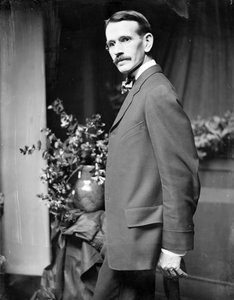
Артур Боуэн Дэвис
1862 - 1928 , США
Основные сведения
- Artistic Movement Or Style: Модернизм, Символизм
- Artists Or Movements Influenced By This Artist:
- Американский модернизм
- Хэппенская школа
- Artists Who Influenced This Artist:
- George Inness
- Корот
- Date Of Birth: 1862
- Date Of Death: 1928
- Full Name: Arthur Bowen Davies
- Nationality: Американский
- Notable Artworks: ['Unicorns: Legend']
- Place Of Birth: Утица, США
Похожие статьи
Хромированный изумруд: 10 шедевров живописи в зеленых тонах | ArtsDot
Погрузитесь в мир хромированного изумруда! 10 знаменитых картин Моне, Ван Гога и других великих художников. Узнайте историю шедевров импрессионизма и постимпрессионизма, вдохновитесь зелеными тонами для вашего интерьера. Купите репродукции высокого качества на ArtsDot.com
Топ-25 шедевров Клода Моне: Искусство света и импрессионизма для вашего интерьера
Погрузитесь в мир Клода Моне! 25 шедевров импрессионизма, от "Водных лилий" до знаменитых пейзажей. Узнайте историю создания картин и вдохновитесь для декора интерьера. Репродукции музейного качества на ArtsDot.com.
The Allure of Azure: Exploring the Symbolic & Aesthetic Depths of Blue in Art History
Explore the rich history of blue in art! Discover its symbolism, from ancient pigments to modern masterpieces by Kandinsky & Seurat. Uncover the psychological impact and cultural meanings behind this captivating hue.
Verdant Visions: Exploring the Symbolism & Aesthetic Impact of Green in Art History
Explore the rich history & symbolism of green in art! Discover iconic paintings, techniques, and how to bring verdant harmony into your home with ArtsDot's expert guide.
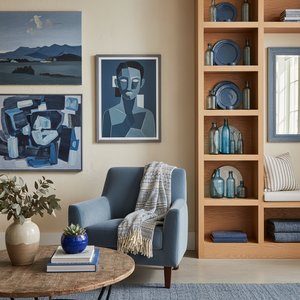
Топ-10 знаменитых картин в оттенках серо-голубого: искусство и декор от ArtsDot
Погрузитесь в мир серо-голубых оттенков! От Моне до Ренуара – 10 знаменитых картин, вдохновляющих на создание уникального интерьера. Репродукции высокого качества от ArtsDot.com. Explore the full collection online!