

 Предпросмотр
 Поделиться
 Поделиться
 Детали произведения

 Скачать
 Похожие работы
 Рентгенография
 Слайд-шоу
 Статистика
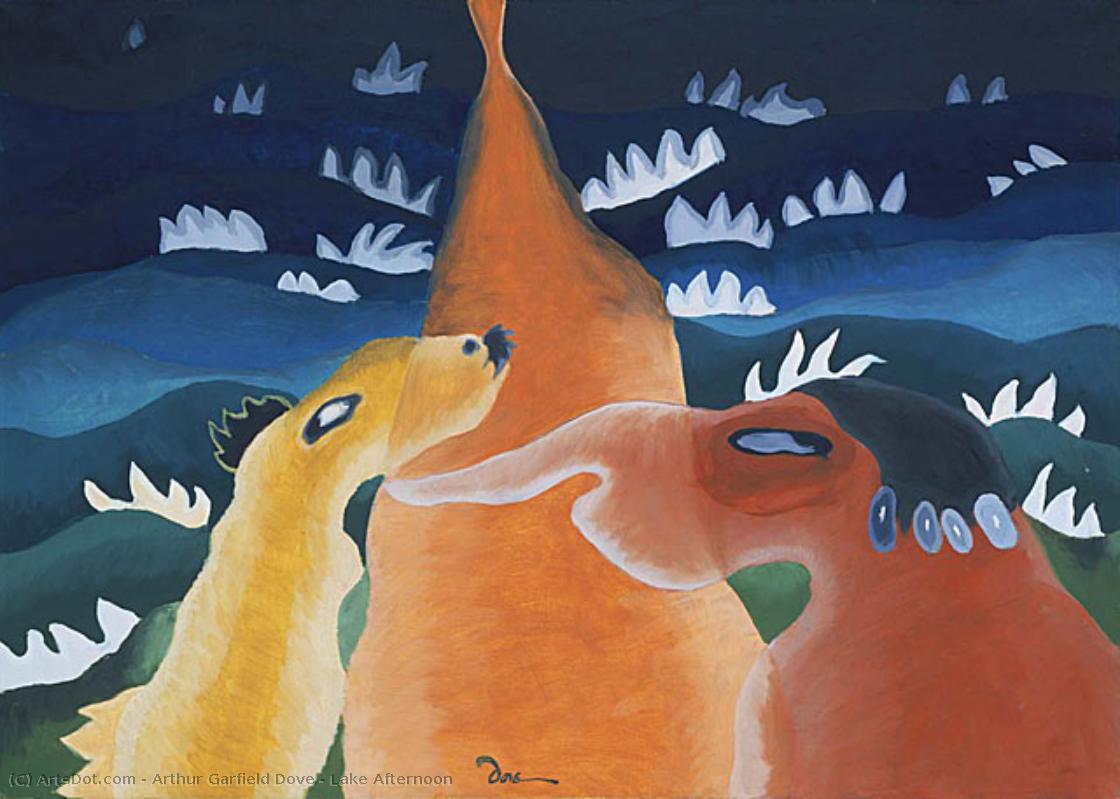
Lake Afternoon


 Читать далее
Жикле / Арт-принт
Печать (жикле) или холст музейного качества с быстрыми сроками изготовления и широким выбором вариантов отделки. ( Купить картину ручной работы Перейти к цифровым изображениям)




P118B $10

P118H $10

P118W $10

P438Z $10

P508JH $12

P508YH $12

P805H $10

P805Z $10

P919BZ $10

P919G $10

P919XJ $10

P959ZH $10

P968JZ $12

W106C $8

W218G $10

W218JH $8

W218Y $10

W307PJ $10

W316G $10

W316PJ $8

W316Y $10

W398PJ $8

W4111J $10

W500HY $15

W500JH $15

W692G $12

W849H $8

W940BG $15

W953PJ $8




Выберите один из наших стандартных размеров, соответствующих оригинальным пропорциям произведения искусства.

Вы можете указать свои собственные размеры, чтобы репродукция идеально подошла под конкретную раму или пространство. Если выбранный вами размер не будет соответствовать пропорциям оригинала, мы либо обрежем произведение, либо дополним изображение зеркальным отражением краев или однотонной заливкой. Перед началом производства вам будет отправлен цифровой макет для утверждения.
Пожалуйста, обратите внимание, что предварительный просмотр на экране не отображает фактическую обрезку или расширение изображения. Только макет точно покажет финальную композицию.
Несмотря на возможность заказа индивидуальных размеров, мы рекомендуем выбирать размер из предопределенного списка, чтобы сохранить оригинальные пропорции.
Доставка по всему миру () за 2 недели вместо стандартных 4/5 недель. (10 Сентябрь)

Бесплатная экспресс-доставка по всему миру

Высококачественный льняной холст

Полное страхование доставки

Гарантия возмещения таможенных пошлин

Гарантия точного соответствия цветов

100-дневная политика возврата (только при обнаружении дефектов)

Гарантия возврата 100% средств

Предложение оптовых скидок
 Вариант со стеклом доступен только для размеров менее 110 см

Lake Afternoon
Жикле / Арт-принт
Размер репродукции
-


Итоговая стоимость
$ 62
A Moment Frozen in Vibrant Motion: Arthur Dove’s ‘Lake Afternoon’
Arthur Garfield Dove's “Lake Afternoon,” painted in 1935, isn't merely a depiction of a lakeside scene; it’s an embodiment of the burgeoning spirit of American Modernism. Created by one of the earliest and most dedicated proponents of abstraction in this country, Dove strips away representational detail to reveal a raw, emotional core within the landscape. This painting, with its bold colors and dynamic composition, offers a compelling glimpse into the artist's unique vision – a vision that prioritized feeling and energy over photographic accuracy.
Composition and Form: A Dialogue of Shapes
The artwork immediately commands attention through its carefully constructed arrangement. Two distinct animal figures—likely dogs—occupy the foreground, their simplified forms acting as anchors within a swirling panorama. Behind them rises an elongated, triangular shape, perhaps a stylized tree or mountain peak, adding to the sense of depth and movement. Dove’s masterful use of overlapping shapes creates a powerful illusion of dynamism; it's not a static snapshot but rather a moment frozen in vibrant motion. The geometric precision of the forms – blocky animals, a defined triangle – contrasts subtly with the organic curves of the water and clouds, reflecting Dove’s fascination with balancing structure and spontaneity.
Color and Light: A Symphony of Contrasts
Dove's palette is undeniably striking. Warm tones—rich oranges, yellows, and reds—dominate, creating a sense of intense heat and energy that is brilliantly juxtaposed against cooler blues and greens in the water and sky. This deliberate contrast isn’t simply aesthetic; it speaks to Dove’s interest in conveying emotional states through color. The application of paint is broad and expressive, with little concern for meticulous blending or subtle gradations. Instead, he employs a technique that favors bold areas of color, creating a somewhat jarring yet undeniably captivating effect. The ambiguous lighting, emanating from multiple directions, further contributes to the painting’s unsettling beauty.
Style and Technique: Precisionism's Precursor
"Lake Afternoon" firmly establishes Dove as a pioneer of American abstraction, anticipating movements like Precisionism that would gain prominence in the following decades. His technique—characterized by broad brushstrokes, simplified forms, and an emphasis on essential qualities—reflects a desire to move beyond traditional representational painting. The smooth texture achieved through this method suggests a deliberate rejection of impasto or thick layering, prioritizing clarity and visual impact. Dove’s approach can be seen as a crucial stepping stone in the development of modern American art, demonstrating a willingness to experiment with form and color that would profoundly influence generations of artists.
Symbolic Resonance: A Reflection of Inner States
Beyond its formal qualities, “Lake Afternoon” evokes a powerful emotional response. The dynamic composition, vibrant colors, and simplified forms suggest a focus on capturing not just the appearance of a landscape but also the underlying energy and mood. It’s a painting that invites contemplation – prompting questions about perception, memory, and the relationship between humanity and nature. Dove's work often resists easy interpretation, encouraging viewers to engage with their own emotions and experiences.
Похожие произведения
Биография художника
A Pioneer of American Abstraction: The Life and Art of Arthur Garfield Dove
Arthur Garfield Dove, born in 1880 in Canandaigua, New York, stands as a pivotal figure in the narrative of American modern art—not merely an artist who embraced abstraction, but arguably its first true champion on American soil. His very name—Arthur Garfield, bestowed upon him by parents captivated by the political fervor of the 1880 presidential election—hints at a life lived amidst shifting currents and bold new directions. Dove’s early years were steeped in privilege, yet his artistic inclinations set him apart from expectations. A childhood filled with piano lessons, baseball, and painting foreshadowed a multifaceted creative spirit that would ultimately reject conventional boundaries. After studying at Hobart and Cornell Universities, he initially pursued commercial illustration in New York City, a pragmatic choice that nonetheless provided valuable experience while fueling an underlying desire for more profound artistic expression.From Illustration to Innovation: The European Awakening
The turning point in Dove’s artistic journey arrived with his move to Paris in 1907. Immersed in the vibrant atmosphere of the European art capital, he encountered the burgeoning modernist movements that would irrevocably shape his aesthetic vision. He befriended Alfred Henry Maurer, another American expatriate artist experimenting with radical new styles, and was profoundly influenced by the Fauvist works of Henri Matisse. The bold colors and expressive brushwork of Matisse liberated Dove from academic constraints, encouraging him to explore the emotional power of pure form and color. Exhibiting at the Salon d’Automne in 1908 and 1909, he began to develop a style that moved away from direct representation towards an increasingly subjective interpretation of nature. This period wasn't simply about adopting new techniques; it was about discovering a personal artistic voice—a quest for authenticity that would define his career. He sought not to *depict* the world but to convey its underlying essence, its emotional resonance. The influence of Matisse’s use of color as an expressive element proved particularly transformative, allowing Dove to prioritize feeling over meticulous observation.Extraction and Essence: Defining an American Abstract Style
Upon returning to America, Dove embarked on a period of intense experimentation, developing what he termed “extraction.” This wasn't about simply simplifying forms; it was a deliberate process of distilling the fundamental elements of a scene—the shapes, colors, and rhythms—to reveal its underlying structure. He worked across a diverse range of media, often combining them in unconventional ways: oil, tempera, watercolor, pastels, even incorporating materials like wood and fabric into his compositions. His paintings weren’t merely abstract; they were deeply rooted in the natural world, reflecting his lifelong fascination with landscapes, plants, and marine life. Works like *Me and the Moon* (1937) exemplify this approach—a lyrical composition that evokes a sense of vastness and tranquility through abstracted forms and luminous colors. He wasn’t interested in photographic realism; he aimed to capture the feeling of being immersed in nature, the sensation of light and air, the subtle shifts in mood and atmosphere. Dove's technique often involved layering paints, creating textured surfaces that added depth and complexity to his compositions. This process allowed him to move beyond mere representation and tap into a more primal, intuitive mode of expression.Collaboration and Legacy: A Champion of Modernism
Dove’s artistic development was significantly shaped by his relationship with Alfred Stieglitz, the influential photographer and gallery owner who championed modern art in America. Stieglitz provided Dove with crucial exposure, hosting his first solo exhibition at the 291 gallery in 1912—a landmark event that marked a turning point in American art history. Through Stieglitz’s support, Dove gained recognition and connected with other progressive artists and collectors. The patronage of Duncan Phillips, founder of the Phillips Collection, was also instrumental to Dove's career, providing financial stability and critical encouragement during challenging times. Despite facing resistance from a public largely unfamiliar with abstract art, Dove remained steadfast in his artistic vision. His influence extended beyond his own paintings; he inspired a generation of American artists, including Georgia O’Keeffe, who acknowledged his profound impact on her work. Dove's willingness to embrace new ideas and challenge conventional notions of beauty paved the way for future generations of abstract expressionists.A Lasting Impact: The Enduring Relevance of Arthur Dove
Arthur Garfield Dove died in 1946, leaving behind a body of work that continues to resonate with audiences today. His pioneering spirit and unwavering commitment to artistic innovation cemented his place as a central figure in the development of American modernism. He wasn’t simply an imitator of European trends; he forged a uniquely American abstract style—one that was deeply connected to the natural world, infused with emotional intensity, and characterized by a remarkable sense of freedom and experimentation. His paintings can be found in major museums around the world, serving as a testament to his enduring legacy. Dove’s work reminds us that true artistic expression requires courage, vision, and an unwavering belief in the power of abstraction to reveal deeper truths about ourselves and the world around us. *He dared to look beyond appearances, to extract the essence of things, and to create something entirely new—a visual language that continues to inspire and challenge us today.*
Артур Гаррисон Доу
1880 - 1946 , Соединенные Штаты Америки
Основные сведения
- Artistic Movement Or Style: Абстрактный модернизм
- Artists Or Movements Influenced By This Artist:
- Фовизм
- Американская модернизм
- Artists Who Influenced This Artist:
- Эдгар Дега
- Генри Матисс
- Date Of Birth: 2 августа 1880 г.
- Date Of Death: 23 ноября 1946 г.
- Full Name: Артур Гаррилд Доу
- Nationality: Американский
- Notable Artworks:
- Me and the Moon
- Tanks
- Grandmother
- Place Of Birth: Канانداгуа, США
Похожие статьи

Геометрическая абстракция: 10 шедевров, изменивших искусство | ArtsDot.com
Погрузитесь в мир геометрической абстракции! От Кандинского до Малевича – 10 шедевров, изменивших искусство. Узнайте историю создания и значение культовых картин. Репродукции музейного качества на ArtsDot.com. Вдохновение для вашего интерьера!
Топ-10 шедевров абстрактного экспрессионизма: искусство для вашего интерьера от ArtsDot.com
Погрузитесь в мир абстрактного экспрессионизма! Откройте для себя 10 шедевров Поллока, Ротко и других гениев. История искусства, техники живописи и вдохновение для вашего интерьера от ArtsDot.com. Explore the full collection online!

25 Шедевров Поля Сезанна: Открывая Новую Эру в Искусстве | ArtsDot
Откройте для себя 25 величайших шедевров Поля Сезанна! Узнайте истории создания картин импрессионизма и постимпрессионизма, технику художника и вдохновение для вашего интерьера. Репродукции картин Сезанна высокого качества на ArtsDot.com.
Топ-25 шедевров Василия Кандинского: Абстрактное искусство для вашего интерьера
Погрузитесь в мир абстрактного искусства с Василием Кандинским! 25 шедевров экспрессионизма, баухауса и русского авангарда. Репродукции картин Кандинского для вдохновения и декора вашего интерьера. Откройте всю коллекцию на ArtsDot.com
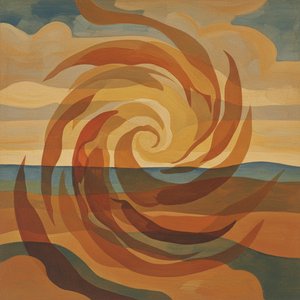
Arthur Dove: Pioneering American Abstraction & the Poetic Language of Modernism
Explore the groundbreaking work of Arthur Dove, a pioneer of American abstraction. Discover his artistic evolution, influences, and investment potential with ArtsDot's expert guide.