

 Предпросмотр
 Поделиться
 Поделиться
 Детали произведения

 Скачать
 Похожие работы
 Рентгенография
 Слайд-шоу
 Статистика
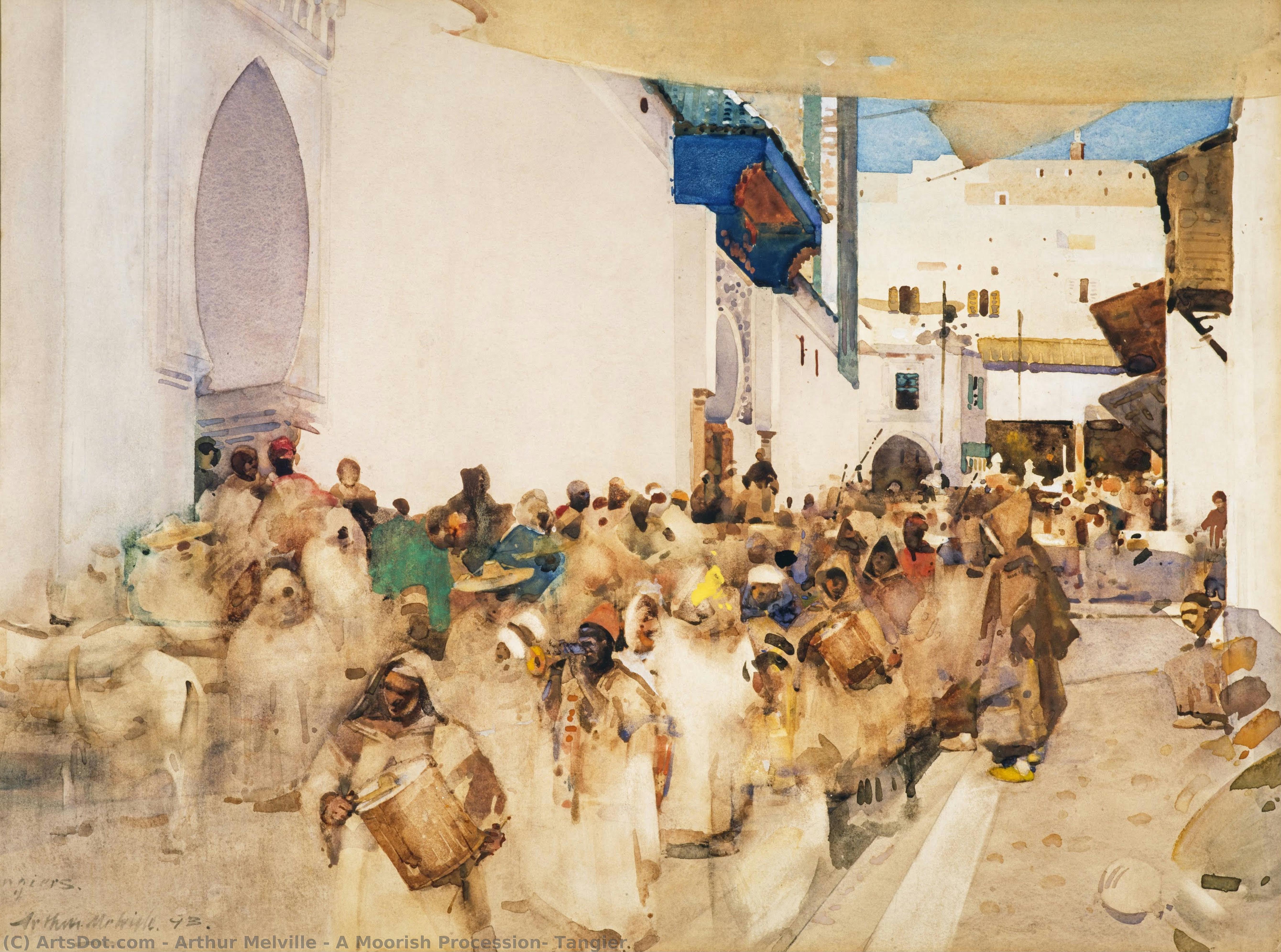
A Moorish Procession, Tangier


 Читать далее
Масляная репродукция ручной работы
Картина маслом на холсте в выбранном вами размере и раме, написанная на заказ нашими художниками. ( Перейти к печати Перейти к цифровым изображениям)




P118B $10

P118H $10

P118W $10

P438Z $10

P508JH $12

P508YH $12

P805H $10

P805Z $10

P919BZ $10

P919G $10

P919XJ $10

P959ZH $10

P968JZ $12

W106C $8

W218G $10

W218JH $8

W218Y $10

W307PJ $10

W316G $10

W316PJ $8

W316Y $10

W398PJ $8

W4111J $10

W500HY $15

W500JH $15

W692G $12

W849H $8

W940BG $15

W953PJ $8




Выберите один из наших стандартных размеров, соответствующих оригинальным пропорциям произведения искусства.

Вы можете указать собственные размеры, чтобы картина идеально вписалась в выбранную раму или пространство. Если выбранный вами размер не соответствует пропорциям оригинала, мы либо обрежем полотно, либо расширим его за счет дополнительных элементов, написанных вручную. Цифровой макет будет отправлен вам на утверждение перед началом производства.
Обратите внимание, что предварительный просмотр на экране не отражает фактическую обрезку или расширение. Только макет точно покажет окончательную композицию.
Хотя доступны индивидуальные размеры, мы рекомендуем выбирать вариант из предопределенного списка, чтобы сохранить исходные пропорции.
После оформления заказа команда ArtsDot.com свяжется с клиентом по электронной почте для уточнения деталей и предоставит предварительный макет
Доставка по всему миру () за 3–4 недели вместо стандартных 5 недель. (11 Сентябрь). Без компромиссов в качестве.

Бесплатная экспресс-доставка по всему миру

Высококачественный льняной холст

Полное страхование доставки

Гарантия возмещения таможенных пошлин

Гарантия точного соответствия цветов

100-дневная политика возврата (только при обнаружении дефектов)

Гарантия возврата 100% средств

Предложение оптовых скидок
 Вариант со стеклом доступен только для размеров менее 110 см

A Moorish Procession, Tangier
Техника репродукции
Размер репродукции
-


Итоговая стоимость
$ 263
The Echoes of a City: Arthur Melville’s “A Moorish Procession, Tangier”
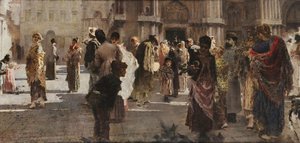
Arthur Melville's "A Moorish Procession, Tangier" isn’t merely a depiction of a street scene; it’s a vibrant portal into the heart of 19th-century Morocco. Painted in 1893, this oil on canvas captures a moment brimming with life and movement within the bustling city of Tangier – then a strategically vital crossroads of Europe, Africa, and the Middle East. The painting immediately draws the eye with its audacious use of color; Melville eschews photographic realism for a heightened, almost feverish palette, dominated by rich ochres, deep blues, and fiery reds. These aren’t simply colors representing reality; they are imbued with an emotional intensity, reflecting the exoticism and allure that Tangier held for European travelers and artists during this period.
The scene unfolds with a remarkable energy. A throng of figures – men in flowing robes, women carrying baskets, children darting through the crowd – navigate the narrow streets. The artist masterfully employs loose brushstrokes to convey a sense of immediacy, as if we’re witnessing this procession unfold before our eyes. Notice how Melville doesn't attempt to render every detail with precision; instead, he focuses on capturing the *feeling* of the scene—the heat, the noise, the vibrant interaction between people and their surroundings. The inclusion of horses adds another layer of dynamism, pulling the eye across the canvas and emphasizing the movement within the composition.
Orientalism and the Glasgow Boys
Melville’s work firmly places him within the context of Orientalist painting – a genre that flourished in Europe during the 19th century. However, Melville transcends simple exoticization; he presents Tangier not as a romanticized fantasy but as a living, breathing city with its own unique character and culture. His approach aligns closely with the burgeoning Glasgow Boys movement, a group of Scottish artists who sought to break away from academic traditions and embrace a more expressive and colorful style. Influenced by the Impressionists and Japanese woodblock prints, Melville developed his own distinctive technique – a bold combination of watercolor on wet paper, layered with gouache for added luminosity and depth.
The use of watercolor is particularly striking. Melville’s signature technique involved applying thin washes of color to damp paper, allowing them to bleed and blend naturally. This created a sense of atmospheric haze and movement, perfectly capturing the shimmering heat and dust of Tangier. The gouache, applied in opaque layers, provided highlights and added richness to the palette, preventing the watercolor from becoming too transparent.
Symbolism and Historical Context
“A Moorish Procession, Tangier” is more than just a picturesque scene; it’s a reflection of the complex historical context in which it was created. Tangier, strategically located at the mouth of the Strait of Gibraltar, had been a contested territory for centuries, changing hands between various European powers and local rulers. In 1923, it became an International Zone, governed by a multinational council, attracting artists, diplomats, and adventurers from around the world. Melville’s painting captures this atmosphere of cosmopolitanism and cultural exchange – a vibrant blend of Moorish traditions, European influences, and the allure of the exotic.
The procession itself is laden with symbolic meaning. It represents not just a daily event but also the flow of commerce, religion, and social life within Tangier. The figures are engaged in various activities – carrying goods, praying, socializing – highlighting the interconnectedness of the city’s diverse population. The painting subtly evokes themes of travel, exploration, and the encounter between cultures—powerful subjects that resonated deeply with 19th-century European audiences.
A Legacy of Color and Light
Arthur Melville's "A Moorish Procession, Tangier" remains a captivating work of art, offering a glimpse into a fascinating period in Moroccan history. Its vibrant colors, dynamic composition, and evocative atmosphere continue to resonate with viewers today. Reproductions of this painting capture the essence of Melville’s artistic vision, allowing us to experience the energy and beauty of Tangier as it was perceived by one of its most perceptive chroniclers. It stands as a testament to the power of art to transport us across time and space, inviting us to contemplate the complexities of human culture and the enduring allure of the exotic.
Похожие произведения

Биография художника
Arthur Melville: Scottish Orientalist Painter
Arthur Melville (1855–1904) stands as a pivotal figure in late 19th-century British painting, recognized primarily for his distinctive watercolor style and profound engagement with the exotic landscapes of Persia, Egypt, and Turkey. Though largely overlooked during his lifetime, Melville’s artistic vision has resonated through subsequent generations, establishing him as an influential precursor to modern watercolor technique and a key contributor to the burgeoning Glasgow Boys movement.Early Life and Artistic Beginnings
Born in Guthrie, Angus, Scotland, Arthur Melville’s formative years were marked by a blend of practicality and artistic curiosity. Initially apprenticed as a grocer—a profession reflecting the economic realities of his time—he possessed an innate inclination towards visual expression that propelled him beyond conventional trades. Recognizing this passion, Melville diligently pursued evening art classes in Edinburgh, simultaneously honing his craft while maintaining his livelihood. This dedication secured him admission to the Royal Scottish Academy Schools, providing invaluable training and fostering connections with fellow artists who would shape his artistic trajectory.Parisian Influences: Embracing Impressionism
A pivotal moment arrived when Melville embarked on a journey to Paris in 1878, immersing himself in the vibrant artistic milieu of the Belle Époque. He enrolled at the Académie Julian, where he encountered and absorbed the stylistic innovations championed by Impressionists like Claude Monet and Pierre-Auguste Renoir—artists who prioritized capturing fleeting moments of light and color over meticulous realism. Melville’s exposure to Impressionism profoundly impacted his approach to painting, encouraging him to experiment with looser brushstrokes and brighter palettes – a departure from the academic conventions prevalent at the time. He particularly admired Manet's bold use of color and compositional daring, recognizing in his work a kindred spirit who challenged established artistic norms.Travels to Persia, Egypt, and Turkey: The Birth of Blottesque Technique
Between 1880 and 1882 Melville undertook an extraordinary expedition into the Middle East—a voyage that irrevocably transformed his artistic sensibilities and cemented his reputation as a pioneer of watercolor painting. Venturing alone into remote regions like Persia, Egypt, and Turkey, he immersed himself in the cultures and landscapes of these unfamiliar territories. Unlike many artists of his era who sought to depict exotic locales with idealized grandeur, Melville approached his subjects with an uncompromising honesty—capturing their atmosphere, light, and textures with remarkable sensitivity. It was during this transformative journey that Melville developed his signature technique: “blottesque,” named after the artist’s penchant for applying paint to wet paper with gouache and blotting it gently with a sponge. This method yielded luminous effects and a sense of spontaneity, allowing Melville to convey the immediacy of experience—the heat of the desert sun, the vibrancy of bustling marketplaces—with unparalleled precision.The Glasgow Boys: A Collaborative Spirit
Melville’s artistic explorations extended beyond individual pursuits; he fostered collaborative relationships with fellow Scottish painters who would become known as the Glasgow Boys—James Guthrie, John Pettie, and George Porden Murison. Recognizing Melville's innovative technique and stylistic vision, Guthrie sought his guidance and inspiration, establishing a dynamic creative partnership that propelled both artists forward. Melville’s influence on the Glasgow Boys was palpable: he championed a rejection of academic conventions in favor of expressive color and atmospheric treatment—a bold assertion of artistic autonomy that challenged the prevailing aesthetic sensibilities of Victorian Britain. His paintings served as a catalyst for experimentation and innovation within the group, fostering a spirit of intellectual exchange and pushing boundaries of artistic expression.Legacy and Artistic Significance
Arthur Melville’s contribution to British art extends far beyond his distinctive watercolor technique; he represents a crucial link between Impressionism and Modern Art. His unwavering commitment to capturing the essence of experience—the beauty of light, color, and atmosphere—established him as a visionary artist who anticipated the stylistic developments of the 20th century. Today, Melville’s paintings are housed in prominent museums across Europe and North America, testament to his enduring artistic legacy. He remains an exemplar of artistic courage and innovation—a Scottish painter who dared to forge his own path amidst the constraints of Victorian society and whose work continues to inspire artists and scholars alike. His influence can be seen in the works of subsequent generations of watercolorists, cementing his place as a cornerstone of British art history.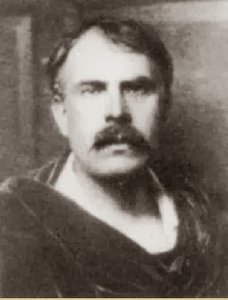
Артур Мелвилл
1855 - 1904 , Великобритания
Основные сведения
- Artistic Movement Or Style: Orientalism, Impressionism
- Artists Or Movements Influenced By This Artist: ['Glasgow Boys']
- Artists Who Influenced This Artist:
- James Campbell Noble
- William McTaggart
- Date Of Birth: 1855
- Date Of Death: 1904
- Full Name: Arthur Melville
- Nationality: Scottish
- Notable Artworks:
- Kurrachee
- Moorish Procession
- Christmas Eve
- Place Of Birth: Angus, UK
Похожие статьи

Ephemeral Visions: Exploring the History & Emotional Resonance of Watercolor Painting
Explore the captivating history of watercolor painting, from ancient techniques to modern masters like Kandinsky & Blake. Discover essential artists, collecting tips & the emotional power of this luminous medium. Expert insights for art enthusiasts.

Ephemeral Visions: Exploring the Artistic Legacy & Contemporary Practice of Watercolor Painting
Explore the captivating world of watercolor painting! Discover its rich history, essential techniques, influential artists & collecting tips. A comprehensive guide for art enthusiasts from ArtsDot.

Топ-10 легендарных акварелей, изменивших искусство навсегда | ArtsDot
Погрузитесь в мир акварели! Откройте топ-10 легендарных картин Turner, Monet и других великих художников. История искусства, техники живописи и вдохновение для вашего интерьера. Репродукции музейного качества на ArtsDot.com.
Акварель: История, Техники и Современная Практика
Узнайте историю акварели от древности до современности, познакомьтесь с техниками и секретами мастеров. Пошаговое руководство для начинающих и вдохновение для опытных художников.

Ephemeral Visions: Exploring the Artistic Legacy & Nuances of Watercolor Painting
Explore the captivating world of watercolor painting! Discover its rich history, essential techniques, influential artists & collecting tips from art experts. A comprehensive guide for enthusiasts.