

 Поделиться
 Поделиться
 Детали произведения

 Скачать
 Похожие работы
 Слайд-шоу
 Статистика
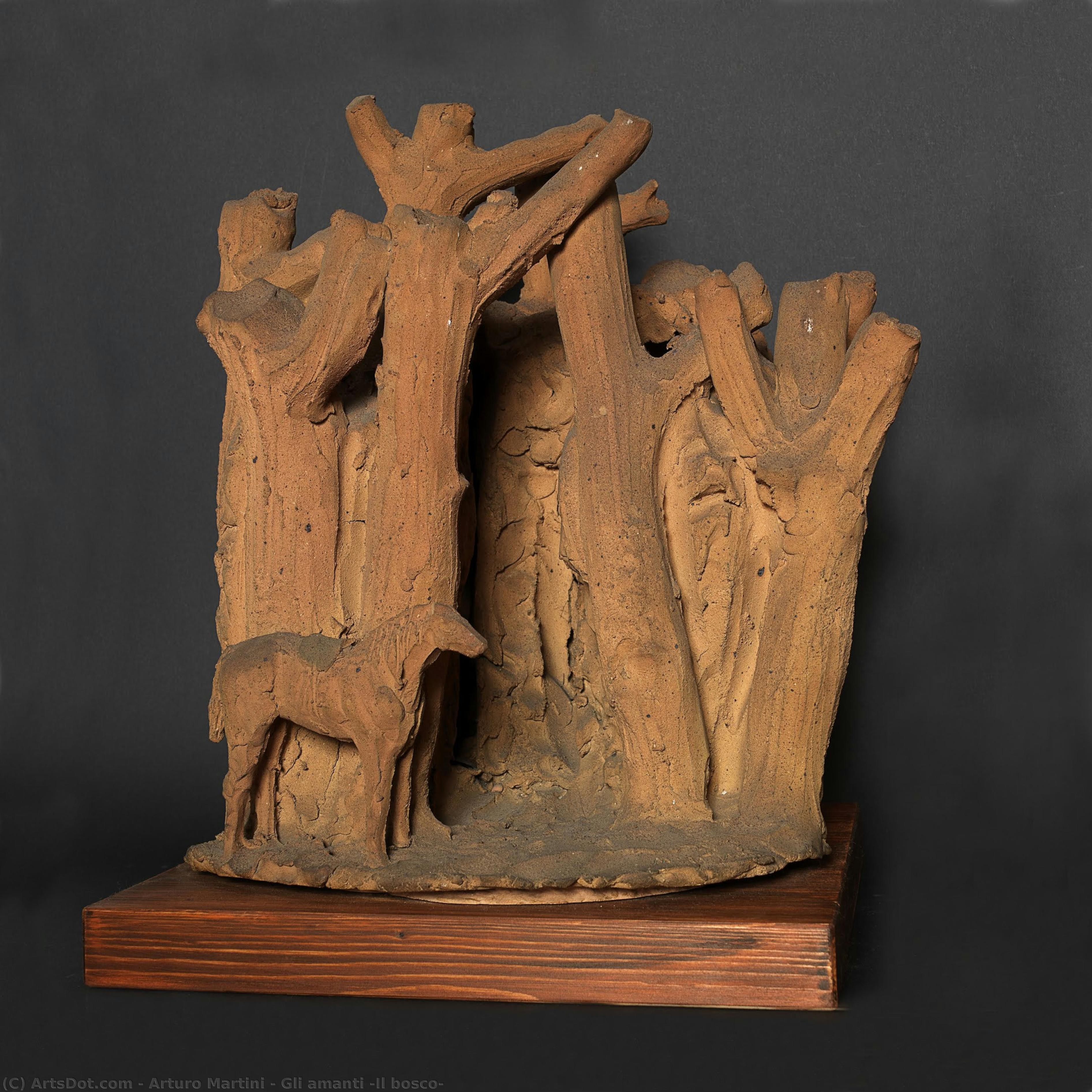
Gli amanti (Il bosco)


 Читать далее
Приобретите цифровое изображение высокого разрешения в улучшенном качестве, которое значительно превосходит онлайн-превью.
Каждый файл тщательно подготавливается нашими специалистами с использованием передовых инструментов и экспертной ручной ретуши. Мы гарантируем исключительную четкость, точную цветопередачу и детальную проработку каждого изображения.
Финальный файл доставляется по электронной почте в течение 72 часов и оптимизирован для немедленного использования в профессиональной среде, при верстке и печати. Это тот же уровень качества, которому доверяют ведущие дизайнерские студии, издательства и галереи.
Цифровое изображение
Скачайте файл высокого разрешения для личного использования, печати и творческих проектов. ( Перейти к печати Купить картину ручной работы)
Включено в каждый заказ цифровых изображений
Гарантия экспертной цифровой доставки
Выбирая ArtsDot.com, вы получаете не просто изображение — вы приобретаете профессионально обработанное цифровое произведение искусства, созданное с безупречной точностью и под защитой гарантии качества. Вот всё, что автоматически входит в ваш заказ:

Мгновенная доставка по e-mail
Ваш цифровой файл в высоком разрешении будет отправлен вам по электронной почте в течение 72 часов после оформления заказа — и сразу станет доступен для использования.

Цифровой файл с ИИ-улучшением
Ваше произведение искусства проходит профессиональную оптимизацию с использованием передовых инструментов ИИ и ручной обработки, что гарантирует максимальную детализацию, четкость и точность цветопередачи.

Бессрочная бесплатная повторная доставка
Случайно удалили или потеряли файл? Не беспокойтесь — мы отправим его вам повторно в любое время и совершенно бесплатно.

Без импортных пошлин — навсегда
Наслаждайтесь вашим произведением искусства мгновенно без таможенных пошлин, сборов или затрат на доставку — цифровые загрузки всегда не облагаются налогом.

Гарантия точности цветопередачи
Мы гарантируем, что ваше цифровое изображение максимально точно передает оригинальные цвета благодаря использованию профессиональных инструментов и систем управления цветом.

Гарантия удовлетворенности 100 дней
Если вы не будете удовлетворены своим цифровым изображением, мы внесем правки или вернем 100% стоимости в течение 100 дней — без лишних вопросов.

100% Гарантия возврата средств
Не удовлетворены покупкой? Получите полный возврат средств в течение 100 дней после получения цифрового файла — без лишних вопросов.

Скидки на оптовые заказы
Купите 3 изображения, сэкономьте 10% — Купите 5, сэкономьте 15% — Купите 10+, сэкономьте 20%. Отличное решение для творческих проектов, галерей и агентств.
A Poetic Encounter in the Shadows of the Woods
In the quiet, evocative realm of Arturo Martini’s Gli amanti (Il bosco), we find ourselves transported to a moment suspended in time. Created in 1932, this profound sculpture invites the viewer into a secluded, arboreal sanctuary where the boundaries between humanity and nature begin to blur. The work captures a group of figures nestled within a skeletal forest, their forms emerging from a landscape of delicate branches and dark recesses. At first glance, the composition presents a sense of stillness, yet there is an underlying tension—a narrative heartbeat that pulses through the arrangement of the figures. The presence of a saddled horse, standing sentinel near a dark opening between the trees, serves as a silent witness to this intimate gathering, suggesting a journey interrupted or perhaps a secret meeting held far from the eyes of the world.
The artistry of Martini is masterfully displayed through his ability to manipulate texture and form to evoke deep emotional resonance. The sculpture possesses an organic, almost primitive quality, as if the figures were birturalized directly from the wood itself. This tactile richness is essential to the piece's charm; the way the light catches the rugged surfaces of the limbs and the slender, stick-like trees creates a play of shadow and depth that mimics the dappled sunlight of a real forest. For the discerning collector or interior designer, this work offers a sophisticated interplay of texture that can serve as a soulful centerpiece, bringing a sense of grounded, earthy elegance to any curated space.
The Mastery of Modern Classicism
Arturo Martini was a sculptor of immense complexity, a man who navigated the turbulent waters of early 20th-century Italian art by bridging the gap between ancient classicism and the avant-garde spirit of modernism. In Gli amanti (Il bosco), we see the culmination of this stylistic journey. While his training as a goldsmith provided him with an unparalleled precision in detail, his mature style embraced a more expressive, simplified form that avoids the excessive ornamentation of the past. Instead, he focuses on the essential essence of his subjects. The figures are not merely representations of people; they are symbols of human connection and vulnerability, stripped down to their most poignant archetypes.
The historical context of 1932 adds a layer of profound meaning to this work. During an era marked by significant political shifts in Italy, Martini’s retreat into the symbolic landscape of the woods can be viewed as an act of artistic preservation—a search for a timeless, universal truth away from the clamor of contemporary ideologies. The symbolism of the "lovers" and the forest suggests themes of sanctuary, intimacy, and the cyclical nature of life. To possess a reproduction of this piece is to hold a fragment of this quiet rebellion, a tribute to the enduring power of the human spirit to find beauty and connection within the wild, untamed corners of existence.
An Inspiration for Refined Interiors
For those looking to infuse their homes or galleries with works of intellectual and aesthetic depth, Gli amanti (Il bosco) offers unparalleled inspiration. The sculpture’s earthy tones and organic composition make it a versatile masterpiece, capable of complementing both minimalist modern settings and more traditional, classical environments. Its ability to evoke a sense of mystery and quiet contemplation makes it an ideal focal point for rooms designed for reflection, such as libraries, studies, or serene lounge areas.
Integrating a high-quality reproduction of Martini’s work allows for the introduction of a narrative element into interior design. It is not merely a decorative object but a conversation starter that invites guests to ponder the stories hidden within the shadows of the trees. Whether placed as a standalone statement or part of a larger collection of fine art, this piece brings with it an aura of historical significance and a timeless, melancholic beauty that continues to captivate the modern soul.
Похожие произведения

Биография художника
Arturo Martini: Bridging Classicism and the Modern Spirit
Arturo Martini (1889 – 1947) remains a compelling figure in Italian sculpture, a testament to an artist who navigated the turbulent currents of his time—from the fervent energy of Futurism through the complexities of Fascist patronage and finally, a poignant return to artistic integrity. Born into modest circumstances in Treviso, Martini’s early life instilled within him a deep appreciation for craftsmanship, initially honed as a goldsmith before he found his true voice in sculpture. This grounding in material and technique would profoundly shape his later work, allowing him to seamlessly blend traditional forms with innovative approaches. His trajectory is marked by a restless exploration of style, reflecting the shifting artistic landscape of early 20th-century Italy.Early Influences and the Embrace of Futurism
Martini’s artistic journey began in Venice and Munich, exposing him to diverse European influences. He initially studied under Adolf von Hildebrand in Munich, absorbing elements of German Expressionism, but it was his encounter with the burgeoning Futurist movement that truly ignited his creative spirit. The dynamism and rejection of academic tradition within Futurism resonated deeply, prompting Martini to experiment with fractured forms, rhythmic lines, and a sense of violent energy—a characteristic vividly displayed in early works like “I Morti di Bligny” (1935). This piece, depicting the aftermath of a train crash, exemplifies his embrace of Futurist principles: a fragmented composition conveying movement and chaos through sharp angles and distorted figures. Correspondence with Umberto Boccioni further solidified his connection to this revolutionary artistic current, resulting in a modernist booklet that documented his exploration of new techniques and ideas.The Shadow of Fascism and Monumental Works
The interwar period witnessed a dramatic shift in Martini’s career. Italy's embrace of Fascism presented both opportunities and challenges. Martini found himself increasingly involved with public sculpture, commissioned to create monumental works that served as symbols of the regime’s power and ideology. He produced impressive bronze sculptures for institutions like La Sapienza University in Rome – notably a colossal figure representing the Roman poet Titus Livius Patavinus – and memorials honoring figures such as Tito Minniti, the Italian aviator. These commissions demanded a shift towards more formal, classical styles, reflecting the aesthetic preferences of the Fascist government. However, beneath this veneer of official patronage, Martini’s artistic integrity remained intact; he subtly infused these monumental pieces with his own unique sensibility, injecting elements of irony and dynamism into traditionally static forms.A Rejection of Sculpture and a Return to Personal Vision
As the Fascist regime crumbled in 1945, Martini experienced a profound disillusionment. He famously denounced sculpture as “a dead language” in his influential essay, *Scultura, lingua morta*, articulating his belief that art should be free from external constraints and driven by genuine emotional expression. This critique marked a decisive break with his previous work, leading him to abandon sculpture altogether. Yet, despite this rejection, Martini’s artistic spirit persisted. In 1946, he created “Masaccio,” a poignant marble tribute to Primo Visentin, a partisan leader killed during the war in Loria. This final masterpiece embodies his enduring commitment to humanism and serves as a powerful testament to the sacrifices made during Italy's struggle for liberation. The sculpture’s raw emotion and understated elegance stand in stark contrast to the grandiosity of his earlier works, reflecting a newfound sense of artistic freedom.Legacy and Enduring Influence
Arturo Martini’s legacy is complex and multifaceted. He was a pivotal figure in bridging the gap between classicism and modernism, demonstrating an extraordinary ability to synthesize diverse influences into a uniquely personal style. His work profoundly impacted subsequent generations of Italian sculptors, including Marino Marini, Emilio Greco, and Marcello Mascherini, who carried forward his innovative spirit and formal experimentation. Martini’s sculptures—ranging from dynamic Futurist compositions to monumental civic monuments and intimate tributes—continue to captivate viewers with their expressive power, technical skill, and enduring relevance. He remains a significant voice in the history of Italian art, a testament to an artist who dared to challenge convention and forge his own path amidst the tumultuous events of the 20th century.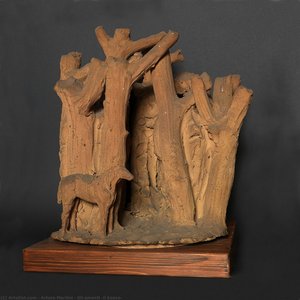
arturo martini
1889 - 1947
Основные сведения
- Artistic Movement Or Style:
- Classicism
- Modernism
- Futurist
- Artists Or Movements Influenced By This Artist:
- Marino Marini
- Emilio Greco
- Artists Who Influenced This Artist: ['Umberto Boccioni']
- Date Of Birth: 1889-08-11
- Date Of Death: 1947-03-22
- Full Name: Arturo Martini
- Nationality: Italian
- Notable Artworks:
- Le Stelle
- Minerva (1935)
- San giorgio e il drago (1926)
- Place Of Birth: Treviso, Italy