

 Поделиться
 Поделиться
 Детали произведения

 Скачать
 Похожие работы
 Слайд-шоу
 Статистика
St Sebastian


 Читать далее
Масляная репродукция ручной работы
Картина маслом на холсте в выбранном вами размере и раме, написанная на заказ нашими художниками. ( Перейти к печати Перейти к цифровым изображениям)




































Выберите один из наших стандартных размеров, соответствующих оригинальным пропорциям произведения искусства.

Вы можете указать собственные размеры, чтобы картина идеально вписалась в выбранную раму или пространство. Если выбранный вами размер не соответствует пропорциям оригинала, мы либо обрежем полотно, либо расширим его за счет дополнительных элементов, написанных вручную. Цифровой макет будет отправлен вам на утверждение перед началом производства.
Обратите внимание, что предварительный просмотр на экране не отражает фактическую обрезку или расширение. Только макет точно покажет окончательную композицию.
Хотя доступны индивидуальные размеры, мы рекомендуем выбирать вариант из предопределенного списка, чтобы сохранить исходные пропорции.
После оформления заказа команда ArtsDot.com свяжется с клиентом по электронной почте для уточнения деталей и предоставит предварительный макет
Доставка по всему миру () за 3–4 недели вместо стандартных 5 недель. (13 Сентябрь). Без компромиссов в качестве.

Бесплатная экспресс-доставка по всему миру

Высококачественный льняной холст

Полное страхование доставки

Гарантия возмещения таможенных пошлин

Гарантия точного соответствия цветов

100-дневная политика возврата (только при обнаружении дефектов)

Гарантия возврата 100% средств

Предложение оптовых скидок
 Вариант со стеклом доступен только для размеров менее 110 см

St Sebastian
Техника репродукции
Размер репродукции
-


Итоговая стоимость
$ 263
The Serene Martyr: Artus Quellinus II’s St. Sebastian
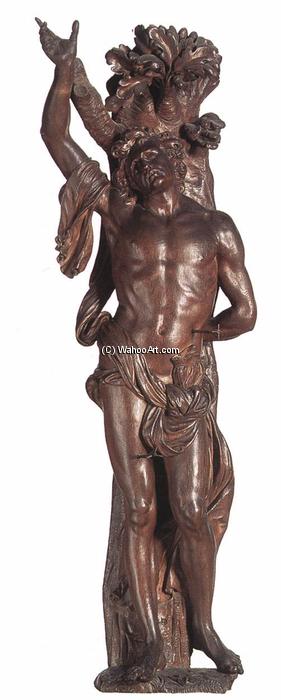
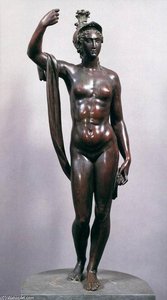
Artus Quellinus II's depiction of Saint Sebastian stands as a poignant testament to Baroque artistry, capturing not merely the physical form of a martyred figure but also the profound emotional weight of his sacrifice. Executed in rich bronze during the mid-17th century, this sculpture transcends its material origins to embody themes of faith, suffering, and ultimately, spiritual resilience. It’s a work that speaks volumes through restraint – a deliberate choice of form and expression that elevates the image beyond mere representation, inviting contemplation on mortality and devotion.
Born into a family steeped in artistic tradition—his father, Artus Quellinus I, was a celebrated sculptor in Antwerp—Quellinus II inherited a legacy of technical skill and an understanding of the power of form. His training within his father’s workshop provided a solid foundation, but it was his relocation to London in 1682 that marked a pivotal shift in his artistic trajectory. This move coincided with a burgeoning community of Flemish artists seeking new opportunities, and crucially, it placed him under the tutelage of Grinling Gibbons, a leading English wood carver whose influence subtly shaped Quellinus’s approach to depicting human anatomy and emotion.
A Study in Baroque Drama
The sculpture itself is a masterclass in Baroque technique. Quellinus II skillfully employs a dynamic contrapposto pose – the weight shifted onto one leg, creating an inherent tension and movement within the figure’s stance. The draped fabric clings to the body with a sense of urgency, mirroring the saint's suffering while simultaneously emphasizing his idealized form. Notice the meticulous detail in the rendering of muscles, tendons, and veins; this isn’t simply a representation of flesh but a deliberate exploration of human anatomy, informed by both classical ideals and the burgeoning scientific interest in the body during the Renaissance.
The arrows piercing Sebastian's skin are not depicted with gratuitous violence. Instead, they serve as a visual shorthand for his martyrdom, subtly integrated into the composition without overwhelming it. The arrangement of the arrows—some appearing to penetrate deeper than others—suggests a protracted and agonizing ordeal, amplifying the sense of pathos. The upward reach of Sebastian’s arms, seemingly in supplication or acceptance, is particularly arresting – a gesture that speaks volumes about his unwavering faith even in the face of death.
Symbolism and Spiritual Resonance
Saint Sebastian's story—a Roman soldier martyred for refusing to succumb to pagan idolatry—is rich with symbolic meaning. He became a popular subject for artists throughout the Middle Ages and Renaissance, representing chastity, purity, and devotion. Quellinus II’s interpretation reinforces these themes through his depiction of Sebastian as a noble figure embodying virtue and sacrifice. The stark simplicity of the background – a plain white surface – directs all attention to the saint himself, emphasizing his isolation and vulnerability.
The choice of bronze as the medium is significant. Bronze possesses an inherent gravitas and durability, lending itself perfectly to portraying figures of religious importance. Furthermore, the patina that develops over time—the subtle shifts in color and texture—adds another layer of depth and history to the sculpture, suggesting a connection to centuries of devotion.
A Legacy of Baroque Elegance
Artus Quellinus II’s St. Sebastian is more than just a beautiful sculpture; it's a window into the artistic and spiritual landscape of 17th-century Europe. His work exemplifies the Baroque style’s emphasis on drama, emotion, and idealized beauty—qualities that continue to resonate with viewers today. The piece stands as a testament to Quellinus II’s skill, his understanding of symbolism, and his ability to capture the essence of human experience within the confines of a single, powerful image.
Похожие произведения
Биография художника
Artus Quellinus II: Life and Legacy
Early Life and Training
Born in St. Trudena, Belgium, in 1625, Artus Quellinus II came from a prominent artistic family. His father, Artus Quellinus I, was a celebrated sculptor, and he had two brothers – Thomas Quellinus, also a sculptor, and Cornelis Quellinus, a painter. He received his initial training in his father’s workshop in Antwerp, laying the foundation for his future career as a Baroque sculptor.
Move to London and Artistic Development
In 1682, Quellinus II relocated to London, joining the growing community of Flemish artists who had emigrated there. This move was likely encouraged by his wife, Frances Siberechts, daughter of the Antwerp-born painter Jan Siberechts. Before establishing himself independently, he briefly worked in the studios of both Hugh May and, more significantly, Grinling Gibbons – a leading English wood carver and sculptor. His collaboration with Gibbons proved particularly influential.
Key Influences
- Artus Quellinus I (Father): Provided foundational training in sculptural techniques and Baroque aesthetics.
- Grinling Gibbons: Exposed him to the intricacies of English wood carving and a more naturalistic approach within the Baroque style.
- Flemish Baroque Tradition: The broader artistic environment of Antwerp shaped his early development, emphasizing dramatic compositions and religious themes.
Major Works and Artistic Style
Quellinus II’s work is characterized by its dynamic energy, detailed craftsmanship, and often monumental scale. He primarily focused on religious sculpture, creating altarpieces, tomb monuments, and decorative elements for churches and palaces.
- God the Father (1682): A striking marble sculpture showcasing classical influences combined with Baroque drama.
- Visitation (1678): A detailed marble relief depicting a biblical scene, demonstrating his skill in narrative representation.
- Tomb of Bishop Marius Ambrose Capello: An elaborate tomb monument exemplifying his ability to create grand and imposing sculptural ensembles.
- Choir Stalls: Intricate carvings for choir stalls, showcasing his mastery of detail and decorative elements.
Collaborations and Later Life
A significant collaboration occurred with Grinling Gibbons on the altarpiece for the Roman Catholic chapel in Whitehall Palace (1685-86). This project highlighted Quellinus II’s ability to work alongside other leading artists. His early death in 1700 marked a loss for the artistic community, and his widow later married his studio assistant, John Nost.
Historical Significance
Artus Quellinus II played an important role in bringing Flemish Baroque sculpture to England. His work helped shape the aesthetic landscape of late 17th-century English art and influenced subsequent generations of sculptors. He bridged the gap between High and Late Baroque styles, contributing significantly to the development of religious sculpture during this period.
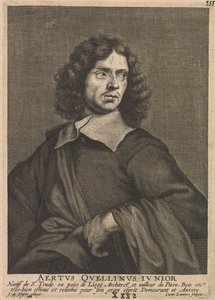
artus ii quellinus
1653 - 1686 , Belgium
Основные сведения
- Birth Date: 1625
- Birth Place: St. Trudena, Belgium
- Death Date: 1700
- Influenced:
- Thomas Quellinus
- Cornelis Quellinus
- Influenced By: Artus Quellinus I
- Movement: Baroque
- Name: Artus Quellinus II
- Nationality: Flemish
- Notable Works:
- God the Father
- Visitation
- Tomb of Bishop Marius Ambrose Capello
Похожие статьи

10 легендарных бронзовых скульптур, изменивших искусство навсегда | ArtsDot
Погрузитесь в мир великих бронзовых скульптур! От Давида Микеланджело до работ Родена – история искусства, техники и вдохновения. Купите репродукции шедевров для вашего интерьера на ArtsDot.com

Theatricality & Triumph: Baroque Drama in Painting & Sculpture
Explore the dramatic world of Baroque art! Discover its history, defining characteristics, & lasting influence on painting & sculpture. Expert insights into Caravaggio, Zurbarán, and Bernini – plus high-quality reproductions at ArtsDot.

The Enduring Form: Exploring Themes & Techniques in Sculpture Across Historical Periods
Explore the rich history of sculpture from ancient masterpieces to contemporary innovations. Discover key techniques, influential artists & investment potential for discerning art collectors.

10 легендарных бронзовых шедевров, изменивших искусство | ArtsDot
Погрузитесь в мир великих бронзовых шедевров! От Давида Донателло до Мыслителя Родена – узнайте историю создания, технику и значение легендарных скульптур. Вдохновение для интерьера и музейное качество репродукций на ArtsDot.com.

The Enduring Form: Sculpture Across History, Technique & Emotional Resonance
Explore the rich history of sculpture with ArtsDot. Discover key techniques, influential artists & investment potential for discerning collectors. Expert insights into valuing and collecting timeless masterpieces.