

 Поделиться
 Поделиться
 Детали произведения

 Скачать
 Похожие работы
 Слайд-шоу
 Статистика
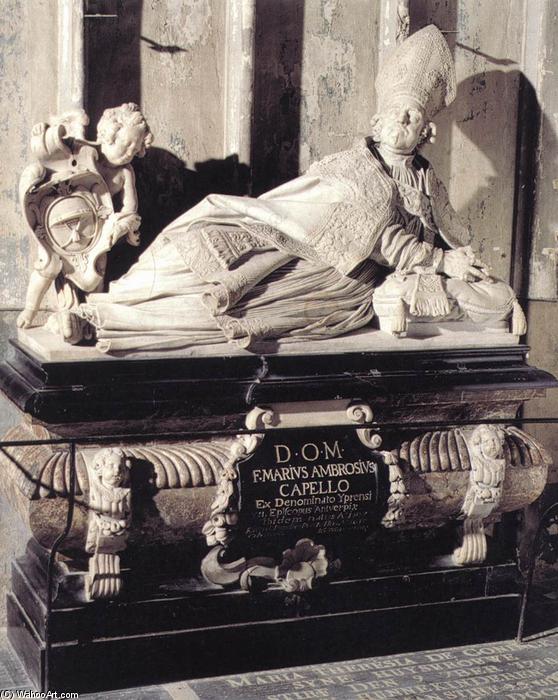
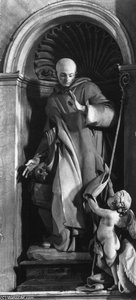
Tomb of Bishop Marius Ambrose Capello


 Читать далее
Приобретите цифровое изображение высокого разрешения в улучшенном качестве, которое значительно превосходит онлайн-превью.
Каждый файл тщательно подготавливается нашими специалистами с использованием передовых инструментов и экспертной ручной ретуши. Мы гарантируем исключительную четкость, точную цветопередачу и детальную проработку каждого изображения.
Финальный файл доставляется по электронной почте в течение 72 часов и оптимизирован для немедленного использования в профессиональной среде, при верстке и печати. Это тот же уровень качества, которому доверяют ведущие дизайнерские студии, издательства и галереи.
Цифровое изображение
Скачайте файл высокого разрешения для личного использования, печати и творческих проектов. ( Перейти к печати Купить картину ручной работы)
Включено в каждый заказ цифровых изображений
Гарантия экспертной цифровой доставки
Выбирая ArtsDot.com, вы получаете не просто изображение — вы приобретаете профессионально обработанное цифровое произведение искусства, созданное с безупречной точностью и под защитой гарантии качества. Вот всё, что автоматически входит в ваш заказ:

Мгновенная доставка по e-mail
Ваш цифровой файл в высоком разрешении будет отправлен вам по электронной почте в течение 72 часов после оформления заказа — и сразу станет доступен для использования.

Цифровой файл с ИИ-улучшением
Ваше произведение искусства проходит профессиональную оптимизацию с использованием передовых инструментов ИИ и ручной обработки, что гарантирует максимальную детализацию, четкость и точность цветопередачи.

Бессрочная бесплатная повторная доставка
Случайно удалили или потеряли файл? Не беспокойтесь — мы отправим его вам повторно в любое время и совершенно бесплатно.

Без импортных пошлин — навсегда
Наслаждайтесь вашим произведением искусства мгновенно без таможенных пошлин, сборов или затрат на доставку — цифровые загрузки всегда не облагаются налогом.

Гарантия точности цветопередачи
Мы гарантируем, что ваше цифровое изображение максимально точно передает оригинальные цвета благодаря использованию профессиональных инструментов и систем управления цветом.

Гарантия удовлетворенности 100 дней
Если вы не будете удовлетворены своим цифровым изображением, мы внесем правки или вернем 100% стоимости в течение 100 дней — без лишних вопросов.

100% Гарантия возврата средств
Не удовлетворены покупкой? Получите полный возврат средств в течение 100 дней после получения цифрового файла — без лишних вопросов.

Скидки на оптовые заказы
Купите 3 изображения, сэкономьте 10% — Купите 5, сэкономьте 15% — Купите 10+, сэкономьте 20%. Отличное решение для творческих проектов, галерей и агентств.
The Reverent Portrait of Faith: An Examination of Artus Quellinus II’s Tomb of Bishop Marius Ambrose Capello
The sculpture of Tomb of Bishop Marius Ambrose Capello by QUELLINUS, Artus II stands as a testament to the Baroque artistic fervor that gripped Europe in the mid-17th century. Created by Flemish sculptor Artus Quellinus II in 1682, this monumental piece resides within St. Trudena Cathedral, Belgium, serving not merely as funerary memorial but as an embodiment of spiritual devotion and masterful craftsmanship. Its enduring appeal lies in its ability to convey profound emotion through meticulously rendered detail—a feat achieved with remarkable skill by Quellinus II during his formative years alongside the celebrated Grinling Gibbons.A Synthesis of Baroque Style and Flemish Tradition
Quellinus II’s artistic vision firmly rooted itself within the dominant stylistic currents of the Baroque period, characterized by dramatic contrasts of light and shadow, opulent ornamentation, and an emphasis on emotional expression. However, he skillfully blended these influences with the traditions of Flemish sculpture—particularly the meticulous carving techniques honed in Antwerp’s workshops—resulting in a harmonious fusion that distinguishes his oeuvre from purely Italian precedents. The sculptor's dedication to capturing human form with anatomical accuracy combined with expressive gestures speaks volumes about the artistic sensibilities of the time.Detailed Anatomical Representation and Symbolic Significance
The sculpture depicts Bishop Marius Ambrose Capello lying upon a sarcophagus adorned with intricate carvings reflecting Christian iconography. Quellinus II’s meticulous attention to anatomical detail—evident in the depiction of the bishop's posture and musculature—reflects the humanist ideals prevalent during the Baroque, prioritizing observation and realism alongside spiritual contemplation. Furthermore, the inclusion of angelic figures flanking the tomb underscores the belief in divine guardianship and resurrection—central themes within Catholic dogma. The angel’s outstretched hand holding a book symbolizes knowledge and scripture, reinforcing the bishop's role as a conduit for religious enlightenment.Technique and Material Considerations
The sculpture is executed primarily in alabaster, a stone prized for its translucency and ability to capture subtle tonal variations—a characteristic favored by Quellinus II and Gibbons alike. The sculptor skillfully employed chiseling and polishing techniques to achieve a surface finish that rivals the finest examples of Baroque artistry. Careful consideration was given to the placement of light, creating dramatic shadows that heighten the sculpture’s emotional impact and accentuate its sculptural form. This masterful manipulation of material and technique contributes significantly to the tomb's solemn beauty and enduring legacy.Emotional Resonance and Artistic Legacy
More than just a depiction of a deceased clergyman, Tomb of Bishop Marius Ambrose Capello embodies the spiritual fervor of its era. The sculpture’s serene countenance and dignified pose convey a sense of peace and acceptance—a poignant reminder of mortality tempered by faith. Artus Quellinus II's contribution to Baroque sculpture is undeniable; his collaboration with Gibbons solidified his reputation as one of the foremost sculptors of his generation, establishing him as an artist whose work continues to inspire admiration for its technical brilliance and emotive power. Its presence within St. Trudena Cathedral ensures that this masterpiece will endure for generations to come, serving as a beacon of artistic excellence and spiritual contemplation.Похожие произведения

Биография художника
Artus Quellinus II: Life and Legacy
Early Life and Training
Born in St. Trudena, Belgium, in 1625, Artus Quellinus II came from a prominent artistic family. His father, Artus Quellinus I, was a celebrated sculptor, and he had two brothers – Thomas Quellinus, also a sculptor, and Cornelis Quellinus, a painter. He received his initial training in his father’s workshop in Antwerp, laying the foundation for his future career as a Baroque sculptor.
Move to London and Artistic Development
In 1682, Quellinus II relocated to London, joining the growing community of Flemish artists who had emigrated there. This move was likely encouraged by his wife, Frances Siberechts, daughter of the Antwerp-born painter Jan Siberechts. Before establishing himself independently, he briefly worked in the studios of both Hugh May and, more significantly, Grinling Gibbons – a leading English wood carver and sculptor. His collaboration with Gibbons proved particularly influential.
Key Influences
- Artus Quellinus I (Father): Provided foundational training in sculptural techniques and Baroque aesthetics.
- Grinling Gibbons: Exposed him to the intricacies of English wood carving and a more naturalistic approach within the Baroque style.
- Flemish Baroque Tradition: The broader artistic environment of Antwerp shaped his early development, emphasizing dramatic compositions and religious themes.
Major Works and Artistic Style
Quellinus II’s work is characterized by its dynamic energy, detailed craftsmanship, and often monumental scale. He primarily focused on religious sculpture, creating altarpieces, tomb monuments, and decorative elements for churches and palaces.
- God the Father (1682): A striking marble sculpture showcasing classical influences combined with Baroque drama.
- Visitation (1678): A detailed marble relief depicting a biblical scene, demonstrating his skill in narrative representation.
- Tomb of Bishop Marius Ambrose Capello: An elaborate tomb monument exemplifying his ability to create grand and imposing sculptural ensembles.
- Choir Stalls: Intricate carvings for choir stalls, showcasing his mastery of detail and decorative elements.
Collaborations and Later Life
A significant collaboration occurred with Grinling Gibbons on the altarpiece for the Roman Catholic chapel in Whitehall Palace (1685-86). This project highlighted Quellinus II’s ability to work alongside other leading artists. His early death in 1700 marked a loss for the artistic community, and his widow later married his studio assistant, John Nost.
Historical Significance
Artus Quellinus II played an important role in bringing Flemish Baroque sculpture to England. His work helped shape the aesthetic landscape of late 17th-century English art and influenced subsequent generations of sculptors. He bridged the gap between High and Late Baroque styles, contributing significantly to the development of religious sculpture during this period.
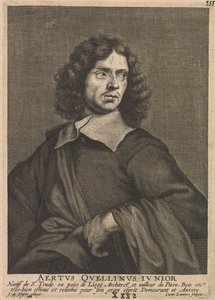
artus ii quellinus
1653 - 1686 , Belgium
Основные сведения
- Birth Date: 1625
- Birth Place: St. Trudena, Belgium
- Death Date: 1700
- Influenced:
- Thomas Quellinus
- Cornelis Quellinus
- Influenced By: Artus Quellinus I
- Movement: Baroque
- Name: Artus Quellinus II
- Nationality: Flemish
- Notable Works:
- God the Father
- Visitation
- Tomb of Bishop Marius Ambrose Capello