

 Предпросмотр
 Поделиться
 Поделиться
 Детали произведения

 Скачать
 Похожие работы
 Рентгенография
 Слайд-шоу
 Статистика
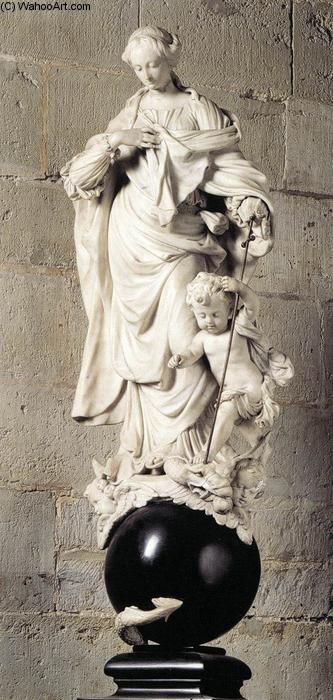
Virgin of the Immaculate Conception


 Читать далее
Приобретите цифровое изображение высокого разрешения в улучшенном качестве, которое значительно превосходит онлайн-превью.
Каждый файл тщательно подготавливается нашими специалистами с использованием передовых инструментов и экспертной ручной ретуши. Мы гарантируем исключительную четкость, точную цветопередачу и детальную проработку каждого изображения.
Финальный файл доставляется по электронной почте в течение 72 часов и оптимизирован для немедленного использования в профессиональной среде, при верстке и печати. Это тот же уровень качества, которому доверяют ведущие дизайнерские студии, издательства и галереи.
Цифровое изображение
Скачайте файл высокого разрешения для личного использования, печати и творческих проектов. ( Перейти к печати Купить картину ручной работы)
Включено в каждый заказ цифровых изображений
Гарантия экспертной цифровой доставки
Выбирая ArtsDot.com, вы получаете не просто изображение — вы приобретаете профессионально обработанное цифровое произведение искусства, созданное с безупречной точностью и под защитой гарантии качества. Вот всё, что автоматически входит в ваш заказ:

Мгновенная доставка по e-mail
Ваш цифровой файл в высоком разрешении будет отправлен вам по электронной почте в течение 72 часов после оформления заказа — и сразу станет доступен для использования.

Цифровой файл с ИИ-улучшением
Ваше произведение искусства проходит профессиональную оптимизацию с использованием передовых инструментов ИИ и ручной обработки, что гарантирует максимальную детализацию, четкость и точность цветопередачи.

Бессрочная бесплатная повторная доставка
Случайно удалили или потеряли файл? Не беспокойтесь — мы отправим его вам повторно в любое время и совершенно бесплатно.

Без импортных пошлин — навсегда
Наслаждайтесь вашим произведением искусства мгновенно без таможенных пошлин, сборов или затрат на доставку — цифровые загрузки всегда не облагаются налогом.

Гарантия точности цветопередачи
Мы гарантируем, что ваше цифровое изображение максимально точно передает оригинальные цвета благодаря использованию профессиональных инструментов и систем управления цветом.

Гарантия удовлетворенности 100 дней
Если вы не будете удовлетворены своим цифровым изображением, мы внесем правки или вернем 100% стоимости в течение 100 дней — без лишних вопросов.

100% Гарантия возврата средств
Не удовлетворены покупкой? Получите полный возврат средств в течение 100 дней после получения цифрового файла — без лишних вопросов.

Скидки на оптовые заказы
Купите 3 изображения, сэкономьте 10% — Купите 5, сэкономьте 15% — Купите 10+, сэкономьте 20%. Отличное решение для творческих проектов, галерей и агентств.
A Marble Meditation on Grace: The Virgin of the Immaculate Conception
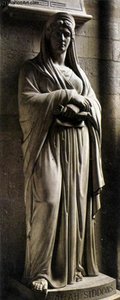
Artus Quellinus II’s “Virgin of the Immaculate Conception” is more than just a sculpture; it's a profound distillation of faith, artistry, and the enduring power of symbolism. Completed around 1682 during his time in London, this magnificent marble figure embodies the High Baroque style while subtly foreshadowing the emerging Rococo aesthetic – a testament to Quellinus’s versatility and artistic evolution. The work immediately commands attention with its scale—a commanding presence that speaks to both the Virgin Mary's revered status and the sculptor’s mastery of monumental form. Yet, it is not merely imposing; within this grandeur lies an intimate portrayal of maternal grace and divine protection.
The sculpture depicts the Virgin Mary holding the infant Jesus in a pose that simultaneously conveys serenity and quiet strength. Her posture is upright, radiating dignity, while her gaze is gentle and compassionate. The drapery—richly detailed folds cascading from her robes—is not merely decorative; it’s meticulously sculpted to create an illusion of movement and volume, adding depth and drama to the composition. Notice how Quellinus expertly captures the weight of fabric, the subtle shifts in light and shadow, and the delicate texture of skin – all hallmarks of his refined technique.
Baroque Drama and Classical Influence
Quellinus’s style is a fascinating blend of influences. He was deeply rooted in the traditions of Flemish Baroque sculpture, inheriting from his father, Artus Quellinus I, a penchant for dramatic lighting, dynamic poses, and emotionally charged narratives. However, his time in Rome exposed him to the classical ideals of antiquity, particularly evident in the idealized proportions of Mary’s figure and the restrained elegance of her drapery. This fusion creates a unique visual language—a harmonious marriage of spiritual intensity and refined beauty.
The sculpture's composition is carefully balanced, drawing inspiration from both Renaissance and Baroque principles. The central focus remains on the Virgin and Child, but the surrounding elements – the crescent moon beneath them, the two cherubs’ heads supporting her—contribute to a sense of cosmic significance. Quellinus skillfully employs chiaroscuro, using light and shadow to sculpt volume and create a three-dimensional effect that is both captivating and emotionally resonant.
Symbolism and Spiritual Resonance
The “Virgin of the Immaculate Conception” is laden with symbolic meaning. The crescent moon beneath Mary’s feet represents her divine origin, while the two cherubs symbolize protection and guardianship. Crucially, the depiction of Jesus nestled within her arms carries profound theological weight—he embodies both humanity and divinity, representing the incarnation of God in human form. The serpent trampled underfoot is a potent symbol of evil, vanquished by Mary’s purity and grace.
The sculpture's enduring appeal lies not only in its technical brilliance but also in its ability to evoke a sense of reverence and contemplation. It speaks to themes of faith, hope, and redemption—core tenets of Christian belief. The image resonates with viewers on an emotional level, offering a glimpse into the profound mystery of Mary’s Immaculate Conception.
A Legacy of Marble and Faith
Artus Quellinus II's “Virgin of the Immaculate Conception” stands as a remarkable achievement in Baroque sculpture. It reflects his artistic skill, his deep understanding of symbolism, and his ability to capture the essence of faith through marble. His work continues to inspire awe and admiration, serving as a powerful reminder of the enduring beauty and spiritual significance of this iconic image.
Похожие произведения


Биография художника
Artus Quellinus II: Life and Legacy
Early Life and Training
Born in St. Trudena, Belgium, in 1625, Artus Quellinus II came from a prominent artistic family. His father, Artus Quellinus I, was a celebrated sculptor, and he had two brothers – Thomas Quellinus, also a sculptor, and Cornelis Quellinus, a painter. He received his initial training in his father’s workshop in Antwerp, laying the foundation for his future career as a Baroque sculptor.
Move to London and Artistic Development
In 1682, Quellinus II relocated to London, joining the growing community of Flemish artists who had emigrated there. This move was likely encouraged by his wife, Frances Siberechts, daughter of the Antwerp-born painter Jan Siberechts. Before establishing himself independently, he briefly worked in the studios of both Hugh May and, more significantly, Grinling Gibbons – a leading English wood carver and sculptor. His collaboration with Gibbons proved particularly influential.
Key Influences
- Artus Quellinus I (Father): Provided foundational training in sculptural techniques and Baroque aesthetics.
- Grinling Gibbons: Exposed him to the intricacies of English wood carving and a more naturalistic approach within the Baroque style.
- Flemish Baroque Tradition: The broader artistic environment of Antwerp shaped his early development, emphasizing dramatic compositions and religious themes.
Major Works and Artistic Style
Quellinus II’s work is characterized by its dynamic energy, detailed craftsmanship, and often monumental scale. He primarily focused on religious sculpture, creating altarpieces, tomb monuments, and decorative elements for churches and palaces.
- God the Father (1682): A striking marble sculpture showcasing classical influences combined with Baroque drama.
- Visitation (1678): A detailed marble relief depicting a biblical scene, demonstrating his skill in narrative representation.
- Tomb of Bishop Marius Ambrose Capello: An elaborate tomb monument exemplifying his ability to create grand and imposing sculptural ensembles.
- Choir Stalls: Intricate carvings for choir stalls, showcasing his mastery of detail and decorative elements.
Collaborations and Later Life
A significant collaboration occurred with Grinling Gibbons on the altarpiece for the Roman Catholic chapel in Whitehall Palace (1685-86). This project highlighted Quellinus II’s ability to work alongside other leading artists. His early death in 1700 marked a loss for the artistic community, and his widow later married his studio assistant, John Nost.
Historical Significance
Artus Quellinus II played an important role in bringing Flemish Baroque sculpture to England. His work helped shape the aesthetic landscape of late 17th-century English art and influenced subsequent generations of sculptors. He bridged the gap between High and Late Baroque styles, contributing significantly to the development of religious sculpture during this period.
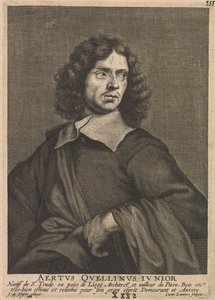
artus ii quellinus
1653 - 1686 , Belgium
Основные сведения
- Birth Date: 1625
- Birth Place: St. Trudena, Belgium
- Death Date: 1700
- Influenced:
- Thomas Quellinus
- Cornelis Quellinus
- Influenced By: Artus Quellinus I
- Movement: Baroque
- Name: Artus Quellinus II
- Nationality: Flemish
- Notable Works:
- God the Father
- Visitation
- Tomb of Bishop Marius Ambrose Capello