

 Предпросмотр
 Поделиться
 Поделиться
 Детали произведения

 Скачать
 Похожие работы
 Рентгенография
 Слайд-шоу
 Статистика
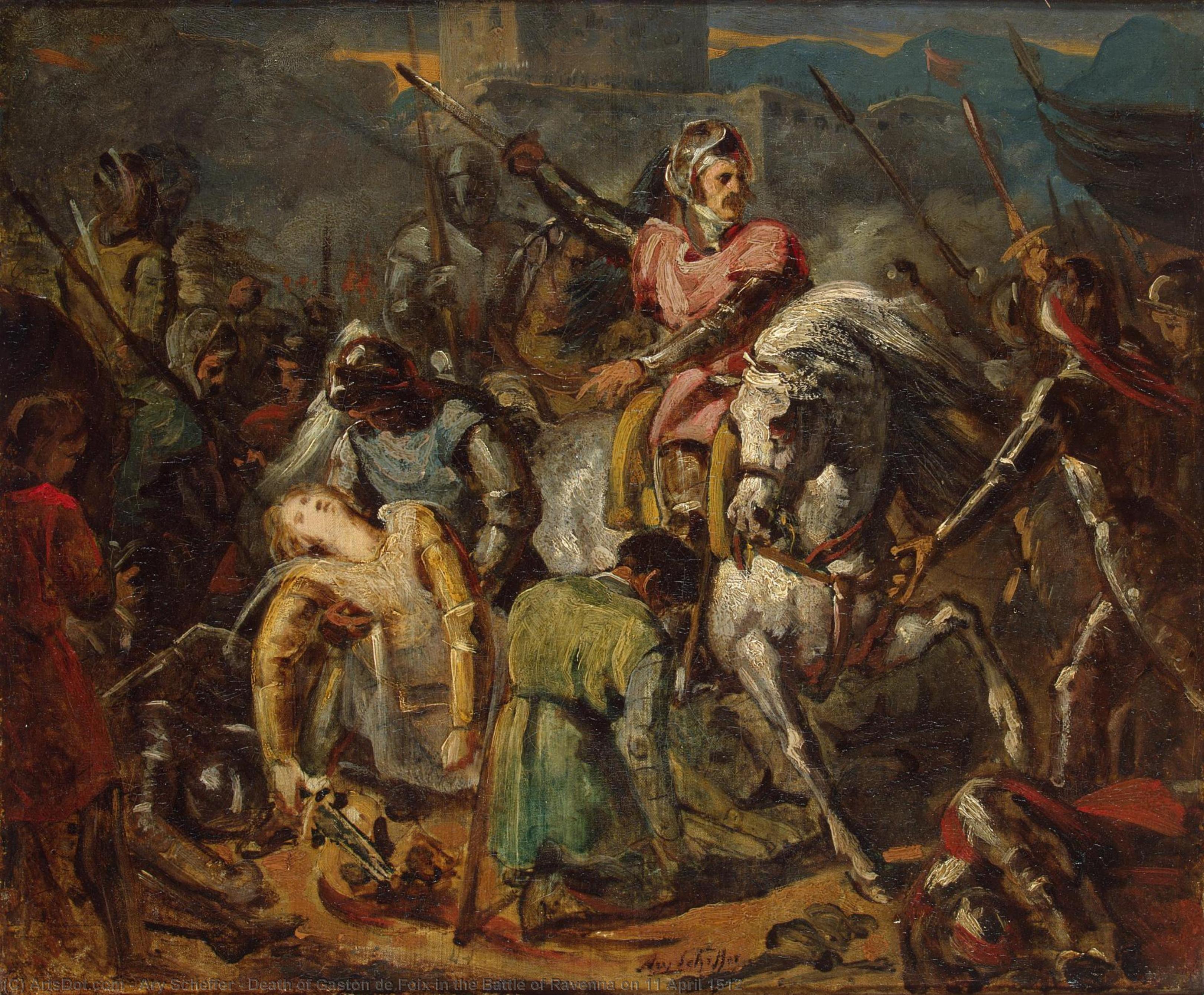
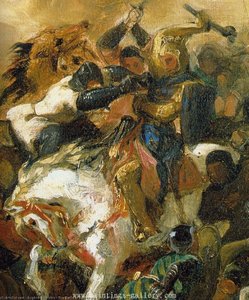
Death of Gaston de Foix in the Battle of Ravenna on 11 April 1512
 Oil On Canvas
- WallArt
- Romanticism
 1824
1824- 19th Century
 38.0 x 46.0 cm
 Эрмитаж
 Читать далее
Масляная репродукция ручной работы
Картина маслом на холсте в выбранном вами размере и раме, написанная на заказ нашими художниками. ( Перейти к печати Перейти к цифровым изображениям)




P118B $10

P118H $10

P118W $10

P438Z $10

P508JH $12

P508YH $12

P805H $10

P805Z $10

P919BZ $10

P919G $10

P919XJ $10

P959ZH $10

P968JZ $12

W106C $8

W218G $10

W218JH $8

W218Y $10

W307PJ $10

W316G $10

W316PJ $8

W316Y $10

W398PJ $8

W4111J $10

W500HY $15

W500JH $15

W692G $12

W849H $8

W940BG $15

W953PJ $8

Выберите один из наших стандартных размеров, соответствующих оригинальным пропорциям произведения искусства.

Вы можете указать собственные размеры, чтобы картина идеально вписалась в выбранную раму или пространство. Если выбранный вами размер не соответствует пропорциям оригинала, мы либо обрежем полотно, либо расширим его за счет дополнительных элементов, написанных вручную. Цифровой макет будет отправлен вам на утверждение перед началом производства.
Обратите внимание, что предварительный просмотр на экране не отражает фактическую обрезку или расширение. Только макет точно покажет окончательную композицию.
Хотя доступны индивидуальные размеры, мы рекомендуем выбирать вариант из предопределенного списка, чтобы сохранить исходные пропорции.
После оформления заказа команда ArtsDot.com свяжется с клиентом по электронной почте для уточнения деталей и предоставит предварительный макет
Доставка по всему миру () за 3–4 недели вместо стандартных 5 недель. (13 Сентябрь). Без компромиссов в качестве.

Бесплатная экспресс-доставка по всему миру

Высококачественный льняной холст

Полное страхование доставки

Гарантия возмещения таможенных пошлин

Гарантия точного соответствия цветов

100-дневная политика возврата (только при обнаружении дефектов)

Гарантия возврата 100% средств

Предложение оптовых скидок
 Вариант со стеклом доступен только для размеров менее 110 см

Death of Gaston de Foix in the Battle of Ravenna on 11 April 1512
Техника репродукции
Размер репродукции
-


Итоговая стоимость
$ 263
Ary Scheffer’s “Death of Gaston de Foix in the Battle of Ravenna on 11 April 1512” – A Dramatic Echo of Renaissance Tragedy
Ary Scheffer's "Death of Gaston de Foix in the Battle of Ravenna on 11 April 1512" stands as a cornerstone of Romantic painting, capturing not merely an historical event but also the profound emotional currents that defined its era. Created in 1824, this monumental canvas—measuring 38 x 46 cm and housed at The Hermitage Museum in St. Petersburg—captures the tragic demise of Gaston de Foix, Duke of Nemours, during the Battle of Ravenna on April 11th, 1512, a pivotal moment in the Italian Wars and a cornerstone of Romantic art history. Ary Scheffer’s sketch for a monumental painting embodies the spirit of his era—a fervent embrace of dramatic narrative and emotional expression—marking a decisive departure from the neoclassical preoccupation with idealized form and rational order.The Subject Matter: Gaston de Foix and the Battle of Ravenna
Ary Scheffer's depiction centers on Gaston de Foix, Duke of Nemours – a figure whose military prowess captivated the imagination of his contemporaries and whose untimely demise resonated throughout Europe. The artist meticulously portrays him astride a horse, wielding a sword with unwavering resolve, embodying the heroic spirit emblematic of the Renaissance era. Surrounding him are fellow soldiers clad in armor, reflecting the grandeur and solemnity of medieval warfare. Two swords dominate the composition—one held by Gaston de Foix himself, symbolizing courage and leadership, and another positioned centrally, representing the decisive confrontation between opposing forces. The painting’s stylistic approach aligns seamlessly with the Romantic movement's emphasis on dramatic emotion and expressive brushwork. Ary Scheffer skillfully employs loose, swirling strokes to convey the urgency of the battlefield scene—a deliberate departure from the precise realism favored by Neoclassical painters. The artist’s palette is dominated by muted browns, ochres, and reds, reflecting the grim realities of war while simultaneously capturing the grandeur of historical narrative.The Artist: Ary Scheffer
Ary Scheffer (1795-1858) stands as a pivotal figure in Romantic art—a movement characterized by fervent emotion, individualism, and an embrace of imagination over strict academic conventions. Born in Dordrecht, Netherlands, he inherited artistic talent from his parents, Johan Bernard Scheffer and Cornelia Lamme, both accomplished portraitists. This early exposure instilled in him a meticulous attention to detail and a profound understanding of visual representation—qualities that would characterize his entire oeuvre. His father’s influence was particularly notable; John Bernard Scheffer practiced the art of portraiture with unwavering precision, capturing likenesses with remarkable accuracy while simultaneously conveying subtle nuances of character. This dedication to realism would become a cornerstone of Ary Scheffer's artistic vision.The Birth of Romantic Painting: Gaston de Foix and Ary Scheffer’s Dramatic Vision
Ary Scheffer’s “Death of Gaston de Foix in the Battle of Ravenna on 11 April 1512” stands as a pivotal artwork, marking a decisive shift away from the rigid formalism of Neoclassicism toward the expressive fervor of Romanticism. Ary Scheffer's depiction captures not merely a historical event—the final confrontation between France and Spain during the War of the League of Cambrai—but also embodies the psychological complexities inherent in portraying mortality and heroism.The Scene: Ravenna, 1512 – A Moment Frozen in Time
Scheffer’s canvas portrays Gaston de Foix, Duke of Nemours, a young French military leader at the height of his ambition, facing imminent defeat during the Battle of Ravenna. The painting depicts him astride a horse, clutching a sword—a posture symbolizing courage and defiance—but with his head bowed in sorrow or resignation. Surrounding him are fellow soldiers clad in armor, creating a dramatic tableau that captures the tension and peril of warfare. Two swords dominate the composition: one held by Gaston de Foix himself, representing leadership and martial prowess, and another positioned prominently near the center, symbolizing victory and perhaps impending doom. The artist’s meticulous attention to detail—the textures of armor, the expressions on the faces of the figures—contributes to a dramatic portrayal of the event. Ary Scheffer's masterful brushstrokes convey both the physicality of battle and the psychological intensity of the moment.The Battle of Ravenna: A Pivotal Moment in Renaissance History
The painting “Death of Gaston de Foix in the Battle of Ravenna on 11 April 1512” by Ary Scheffer isn’t merely a depiction of a military event; it's a profound meditation on mortality and heroism within the turbulent backdrop of the Italian Wars. Created in 1824, this monumental canvas—measuring approximately 38 x 46 centimeters—holds its place prominently at The Hermitage Museum in St. Petersburg, Russia, cementing its status as an iconic representation of Romantic artistic expression.The Subject Matter: Gaston de Foix and the Battle of Ravenna
Ary Scheffer’s “Death of Gaston de Foix in the Battle of Ravenna on 11 April 1512” isn't merely a depiction of a military event; it’s an embodiment of Romantic drama. The painting portrays Gaston de Foix, Duke of Nemours—a young French commander who spearheaded a daring campaign against the Holy League during the Italian Wars—in his final moments. Captured in a dynamic pose atop a horse, he holds aloft a sword, symbolizing courage and leadership, while his head bows downwards, conveying defeat and sorrow. The scene unfolds amidst a backdrop of armored figures representing the opposing forces, emphasizing the drama of battle and highlighting the artist's masterful depiction of human emotion.The Battle of Ravenna: A Moment Frozen in Time
Ary Scheffer’s “Death of Gaston de Foix in the Battle of Ravenna on 11 April 1512” isn’t merely a historical painting; it’s an embodiment of the Romantic spirit—a visceral reaction to tragedy and a celebration of human emotion. Ary Scheffer, commissioned by Louis XIV for Versailles, captured not just a battlefield scene but also the profound sorrow of loss against a backdrop of political upheaval.The Battle of Ravenna: A Moment Frozen in Time
Scheffer’s “Death of Gaston de Foix in the Battle of Ravenna on 11 April 1512” isn't merely a depiction of a military event; it’s an encapsulation of Renaissance drama and aristocratic tragedy. The painting captures the final moments of Gaston de Foix, Duke of Nemours—a young commander who had ignited the Italian Wars with his audacious campaigns—as he succumbed to a fatal wound during the Battle of Ravenna on April 11th, 1512. Ary Scheffer’s sketch for this monumental composition encapsulates not merely a historical event but also embodies the spirit of Romantic art, marking a pivotal moment in European artistic history.The Scene: A Moment Frozen in Time
Ary Scheffer's "Death of Gaston de Foix in the Battle of Ravenna on 11 April 1512" depicts a dramatic confrontation between French and Spanish forces during the tumultuous Wars of Religion. The painting captures a pivotal moment—the fatal wounding of Gaston de Foix, Duke of Nemours—a young military leader who had spearheaded France’s ambitious campaign against Spain in Italy. Ary Scheffer's masterful depiction transcends mere historical record; it embodies the Romantic spirit, prioritizing emotional resonance over strict realism.The Scene: Drama and Symbolism Embodied
Scheffer captures a pivotal moment – the death of Gaston de Foix at Ravenna on April 11th, 1512 – not as a clinical recounting of battle but as a dramatic tableau brimming with emotion. The painting depicts Gaston riding his horse, sword in hand, head bowed in defeat, surrounded by fellow soldiers. This posture immediately conveys vulnerability and tragedy, reflecting the Romantic preoccupation with human suffering and mortality—a stark contrast to the idealized figures favored by Neoclassical artists. Scheffer’s masterful use of chiaroscuro – dramatic contrasts between light and dark – amplifies the emotional intensity of the scene, mirroring the turbulent spirit of the era. The composition itself is carefully balanced, guiding the viewer's eye towards Gaston de Foix, positioned centrally on horseback, conveying both nobility and vulnerability. His posture embodies courage yet also foreshadows his tragic fate—a poignant reminder of mortality amidst grandeur.The Artist’s Vision: Ary Scheffer and Romantic Expression
Ary Scheffer (1795-1858) stands as a pivotal figure in the transition from Neoclassicism to Romanticism, embodying the spirit of artistic innovation that characterized the early 19th century. Unlike his predecessors who prioritized rational idealism and formal precision—traits prevalent in the dominant aesthetic sensibilities of the time—Scheffer championed emotional expression and dramatic realism, marking a decisive break with neoclassical conventions. His canvases pulsated with palpable energy, conveying not merely visual information but profound psychological depth. This approach resonated powerfully with audiences eager for art that mirrored the complexities of human experience.The Birth of Romantic Painting: Ary Scheffer's Vision
Ary Scheffer’s “Death of Gaston de Foix in the Battle of Ravenna on 11 April 1512” stands as a pivotal moment in artistic history—the undisputed herald of French Romantic painting. Emerging from the shadow of NeПохожие произведения

Биография художника
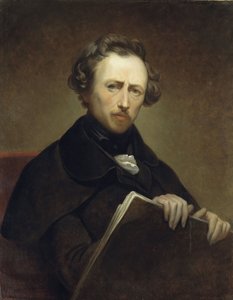
Ари Шеффер (1795–1858): Мост Между Мирами
Имя Ари Шеффера, возможно, не столь сразу вспоминается как у таких современников, как Делакруа или Жерико, тем не менее, он занимает значимое и увлекательное место в ландшафте европейского искусства XIX века. Родился в Доккарте, Нидерланды, в 1795 году, он был фигурой, глубоко сформированной как нидерландскими художественными традициями, так и нарастающим романтическим движением во Франции. Его история – это не только географическая миграция из Голландии в Париж вместе с матерью после смерти отца в 1809 году, но и художественная, перемещаясь между тщательной детализацией, унаследованной от родителей, как художников, и эмоциональной интенсивностью, определявшей новое эстетическое чувство. Его отец, Иоганн Бернард Шеффер, был портретистом, а его мать, Корнелия Ламмэ, специализировалась на миниатюрных портретах; это раннее знакомство instilled в Ари уважение к техническому мастерству и точности изображения. Однако именно в Париже, где он учился у Пьер-Нарсис Гюрена в École des Beaux-Arts, Шеффер обрел свой художественный голос, усваивая влияния Жакса Сигалона, Огюста Делакруа и Теодара Жерико, одновременно создавая стиль, уникальный для него – часто описываемый как “холодный классицизм”, намекающий на основной внутренний конфликт его работ.
- Ранние годы и образование: Шеффер получил свое первое художественное образование от своих родителей в Доккарте, где они занимались живописью.
- Переезд в Париж: После смерти отца в 1809 году семья переехала в Париж, где Ари продолжил обучение у Пьер-Нарсис Гюрена.
Литературный Канон: Темы и Художественное Развитие
Карьера Шеффера разворачивалась на протяжении нескольких десятилетий, отмеченная постоянным исследованием тем, взятых из литературы, мифологии, религии и портретов. Он не просто иллюстрировал истории; он пытался *визуализировать* эмоциональный центр этих повествований, переводя сложные психологические состояния на холст. Это особенно заметно в его повторяющихся изображениях Франческой да Римини Данте – трагической истории запретной любви, которую он переосмысливал несколько раз на протяжении своей карьеры. Каждая интерпретация предлагала нюансированное исследование печали, страсти и отчаяния. Не менее впечатляющими являются его картины, вдохновленные поэмой Гофмана *Вилгельма Майстера*, особенно персонажем Миньон, чья тоска по дому и раю глубоко резонировала с собственным ощущением дисгармонии и духовного стремления Шеффера. Христос-Утешитель, мощная работа, демонстрирующая его вовлеченность в религиозные темы, создает мистическую атмосферу, которая еще больше отличает его стиль. Он не просто изображал библейские сцены; он стремился передать глубокий эмоциональный и духовный опыт веры.
- Франческа да Римини: Повторяющиеся изображения Франческой да Римини демонстрируют его способность исследовать темы любви, предательства и печали.
- Миньон: Изображения Миньон отражают его стремление к дому, раю и духовной чистоте.
Стиль, Определенный Тональностью: Слияние Классицизма и Романтизма
Определение стиля Шеффера не является простым делом; он существует в увлекательном взаимодействии противоположных сил. Хотя безусловно подверженный эмоциональному подъему романтизма, его работы постоянно сохраняют формальность и классическую структуру, отличающую его от более радикальных художников того времени. Его композиции тщательно продуманы, демонстрируя утонченную технику и выразительное использование света и тени для создания атмосферы и глубины. Он обладал поразительным вниманием к деталям, особенно в изображении костюмов и пейзажей, что добавляет слой исторической достоверности его картинам. Однако эта тщательность никогда не кажется холодной или стерильной; она служит усилению эмоционального воздействия сцены. Отличительная черта стиля Шеффера – это тенденция к сентиментальным и даже мелодраматическим изображениям литературных и религиозных тем. Он не боялся принимать эмоции, но часто представлял их через призму сдержанности и изысканности. Его предпочтение приглушенным цветовым палитрам также способствует созданию ощущения контролируемой эмоциональности, создавая картины, которые одновременно визуально впечатляют и эмоционально резонируют.
- Классическая структура: Шеффер сохраняет классическую структуру в своих работах.
- Эмоциональное выражение: Его работы наполнены эмоциями, но они представлены через призму сдержанности и изысканности.
Наследие и Непреходящая Привлекательность
Несмотря на то, что популярность Шеффера несколько утихла в 20 веке, его влияние на последующие поколения художников неоспоримо. Его уникальное сочетание романтизма и классицизма предложило убедительную альтернативу более радикальным подходам некоторых его современников. Сегодня его работы хранятся в музеях по всему миру, включая Музей Доккарта – свидетельство его голландских корней – и Бостонский музей изобразительных искусств, демонстрирующий его международное признание. Музей романтической жизни в Париже содержит специальную коллекцию, посвященную Шефферу и Джордж Санд, подчеркивающую его значимость в интеллектуальном и художественном ландшафте романтизма. Предлагая возможность приобретать репродукции его картин маслом, как это делает платформа ArtsDot, искусство Шеффера продолжает вдохновлять и очаровывать аудиторию сегодня. Наследие Шеффера заключается не только в красоте его картин, но и в его способности соединять миры – между традицией и инновациями, между разумом и эмоциями и между голландским художественным наследием и ярким культурным ландшафтом XIX века. Он остается убедительной фигурой для тех, кто стремится понять сложности и нюансы романтического искусства.
Ари Шеффер
1795 - 1858 , Нидерланды
Основные сведения
- Artistic Movement Or Style: Романтизм и классицизм
- Artists Or Movements Influenced By This Artist: ['Последующие поколения']
- Artists Who Influenced This Artist:
- Гуérin
- Делакруа
- Жерико
- Date Of Birth: 1795-02-10
- Date Of Death: 1858-06-15
- Full Name: Ary Scheffer
- Nationality: Нидерландско-французский
- Notable Artworks:
- Francesca da Rimini
- Mignon
- Christus Consolator
- Place Of Birth: Дордрехт, Нидерланды
Похожие статьи

Топ-25 шедевров Гойи: от придворного портрета до мрачных пророчеств | ArtsDot
Погрузитесь в мир гения Франсиско Гойи! 🎨 От придворных портретов до мрачных "Капричос" – исследуйте топ-25 шедевров испанского романтизма. Купите репродукции картин Гойи музейного качества на ArtsDot.com и украсьте свой интерьер искусством.
Philip James de Loutherbourg: Romantic Visions of Maritime Life & the Sublime
Explore the dramatic naval scenes & landscapes of Philip James de Loutherbourg (1740-1812), a key figure in Romantic painting. Discover his legacy, theatrical innovations & iconic works like 'The Battle of the Nile' at ArtsDot.

О нас
Откройте для себя нашу историю! Мы привносим искусство мирового класса в вашу жизнь благодаря экспертному отбору, индивидуальным заказам и бесплатным обзорам. Одобрено частными лицами и компаниями с 2000 года.

Romantic Realism's Finest: 10 Masterpieces for Your Home | ArtsDot
Explore 10 defining masterpieces of Romantic Realism! Discover Courbet, Millet & Daumier's powerful paintings—capturing emotion and social realities. Find museum-quality reproductions for your home at ArtsDot.com.
Águeda Ruiz de la Prada: A Study of Eclecticism & Emotional Resonance in Contemporary Spanish Painting
Discover the vibrant world of Ágatha Ruiz de la Prada, a leading figure in contemporary Spanish art. Explore her eclectic style, emotional depth & legacy – a must-read for discerning collectors.