

 Предпросмотр
 Поделиться
 Поделиться
 Детали произведения

 Скачать
 Похожие работы
 Рентгенография
 Слайд-шоу
 Статистика
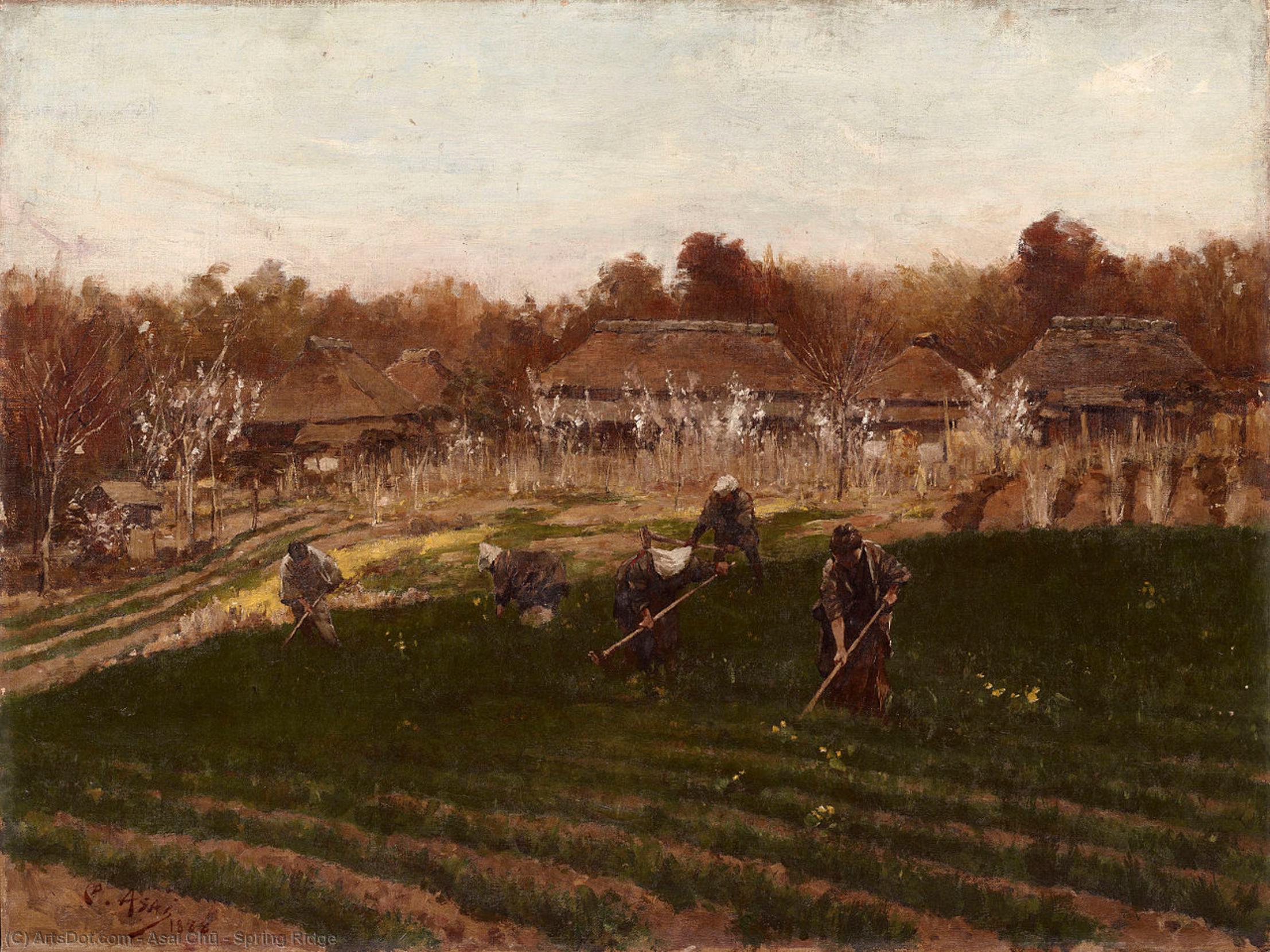
Spring Ridge
 1889
1889 84.0 x 103.0 cm
 Читать далее
Масляная репродукция ручной работы
Картина маслом на холсте в выбранном вами размере и раме, написанная на заказ нашими художниками. ( Перейти к печати Перейти к цифровым изображениям)




































Выберите один из наших стандартных размеров, соответствующих оригинальным пропорциям произведения искусства.

Вы можете указать собственные размеры, чтобы картина идеально вписалась в выбранную раму или пространство. Если выбранный вами размер не соответствует пропорциям оригинала, мы либо обрежем полотно, либо расширим его за счет дополнительных элементов, написанных вручную. Цифровой макет будет отправлен вам на утверждение перед началом производства.
Обратите внимание, что предварительный просмотр на экране не отражает фактическую обрезку или расширение. Только макет точно покажет окончательную композицию.
Хотя доступны индивидуальные размеры, мы рекомендуем выбирать вариант из предопределенного списка, чтобы сохранить исходные пропорции.
После оформления заказа команда ArtsDot.com свяжется с клиентом по электронной почте для уточнения деталей и предоставит предварительный макет
Доставка по всему миру () за 3–4 недели вместо стандартных 5 недель. (11 Сентябрь). Без компромиссов в качестве.

Бесплатная экспресс-доставка по всему миру

Высококачественный льняной холст

Полное страхование доставки

Гарантия возмещения таможенных пошлин

Гарантия точного соответствия цветов

100-дневная политика возврата (только при обнаружении дефектов)

Гарантия возврата 100% средств

Предложение оптовых скидок
 Вариант со стеклом доступен только для размеров менее 110 см

Spring Ridge
Техника репродукции
Размер репродукции
-


Итоговая стоимость
$ 263
The Artist's Background
Asai Chū, born in 1856, was a prominent Western-style painter of the Meiji era. He learned oil painting from the Italian artist Antonio Fontanesi at the Kobu Bijutsu Gakko (the Art School of the Ministry of Public Works) and achieved a naturalistic style that blended Japanese sensibilities with European techniques.The Painting
"CITE>Spring Ridge" presents a glamorous world full of nature from Asai's original perspective, influenced by Fontanesi. The foreground is a barley field in early spring, where a farm family is working hard. The soil of the field, containing moisture, is black and soft. Farmhouses with straw-thatched roofs stand in a row in the background, and white plum blossoms begin to bloom here and there. This piece gently captures the tranquil rural scenery with the smell of the earth.Artistic Significance
This painting belongs to the early period of Asai's career and was submitted to the first Meiji Bijutsu-kai (Meiji Art Society) Exhibition. Asai became a major painter in the Meiji Bijutsu-kai and later stayed in France to study. After returning to Japan, he taught many painters of the next generation as an authority in the Western art circle of the Kansai region.Relevance in Modern Times
"CITE>Spring Ridge" is not only a beautiful piece of art but also a reflection of the changing times during the Meiji period. It represents the blending of traditional Japanese life with modern influences, showcasing the adaptability and resilience of the Japanese people.Conclusion
Asai Chū's "Spring Ridge" is a masterpiece that encapsulates the essence of rural Japan in the late 19th century. Its serene beauty and historical significance make it a valuable piece in the world of art. For those interested in exploring more works by Asai Chū or similar artists, Spring Ridge by Asai Chū and other paintings can be found on ArtsDot.Related Paintings
- Vincent Van Gogh: Ploughed Field - Vincent Van Gogh: Valley with Ploughman Seen from Above - Vincent Van Gogh: Enclosed Field with Ploughman These paintings, like "Spring Ridge," capture the essence of rural life and the beauty of nature. They are available as handmade oil painting reproductions on ArtsDot.Further Reading
- The Tokyo National Museum (Japan) and its Artworks - List of Cultural Properties of Japan – paintings (Tokyo) These resources provide more information on the Tokyo National Museum and the cultural significance of Japanese paintings.Похожие произведения










Биография художника
Asai Chū: Pioneer of Western-Style Painting in Japan
Early Life and Education
- Born: 1856, Chiba City, Japan.
- Asai Chū was born into an ex-samurai class household in Sakura, Kantō region of Japan. His father served as a retainer of the Sakura domain and also acted as principal of the domain school.
- He initially pursued English language studies in Tokyo in 1873 but soon became captivated by the arts.
- In 1876, he enrolled at the Kobubijutsu Gakkō (Technical Fine Arts School), one of the first institutions to offer Western-style art training in Japan.
- Crucially, he studied under Antonio Fontanesi, an Italian artist hired by the Meiji government to introduce oil painting techniques.
Artistic Development and Influences
- Asai Chū’s early work reflected a blend of traditional Japanese aesthetics with newly acquired Western techniques.
- Key Influence: Antonio Fontanesi played a pivotal role in shaping his understanding of oil painting, composition, and light.
- He embraced plein air painting – working outdoors directly from nature – a hallmark of Impressionism.
- A later trip to France (1902-1904) allowed him to immerse himself in the Impressionist school, further refining his style.
Major Achievements and Artistic Contributions
- In 1889, Asai Chū founded the Meiji Bijutsukai (Meiji Art Society), a landmark organization that brought together Western-style painters in Japan.
- He became a professor at the Tokyo School of Fine Arts (now Tokyo University of the Arts) in 1898, contributing to art education.
- Following his return from France, he established the Kansai Bijutsu-in (Kansai Arts Institute) and took a professorship at the Kyoto Kōtō Kōgei Gakkō (Kyoto School of Arts and Crafts).
- Notable Works: Include “Spring Ridge,” “Woman Sewing,” “Morning Sun”, “Le Village de Kotaba” and "Pulling Boat". These paintings showcase his mastery of Impressionistic techniques applied to Japanese landscapes and scenes.
Legacy and Historical Significance
- Asai Chū was instrumental in bridging the gap between traditional Japanese art and Western artistic movements.
- He trained numerous students who went on to become prominent figures in the Japanese art world, including Sōtarō Yasui and Ryuzaburo Umehara.
- He also tutored the celebrated poet Masaoka Shiki in Western art techniques.
- Interestingly, he served as a model for a character in Natsume Sōseki’s novel, *Sanshirō*, highlighting his cultural impact.
- Several of his works have been designated as Important Cultural Properties by the Japanese government's Agency for Cultural Affairs, recognizing their artistic and historical value.
Themes and Style
- Themes: Asai Chū frequently depicted landscapes, village life, and domestic scenes. His work often captures the serene beauty of rural Japan.
- Style: He is known for his Impressionistic style characterized by loose brushwork, a focus on light and atmosphere, and a vibrant color palette.
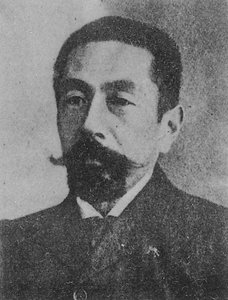
Asai Chū
1856 - 1907 , Japan
Основные сведения
- Birth Date: 1856
- Birth Place: Chiba City, Japan
- Death Date: 1907
- Influenced:
- Sōtarō Yasui
- Ryuzaburo Umehara
- Masaoka Shiki
- Influenced By: Antonio Fontanesi
- Movement: Yōga (Western-style painting)
- Name: Asai Chū
- Nationality: Japanese
- Notable Works:
- Spring Ridge
- Woman Sewing
- Morning Sun
- Le Village de Kotaba