

 Предпросмотр
 Поделиться
 Поделиться
 Детали произведения

 Скачать
 Похожие работы
 Рентгенография
 Слайд-шоу
 Статистика
Mors et Amor (
 Drawing
- WallArt
- American Folk Art
 1865
1865- 19th Century
 25.0 x 36.0 cm
 Национальная галерея Канады
 Читать далее
Масляная репродукция ручной работы
Картина маслом на холсте в выбранном вами размере и раме, написанная на заказ нашими художниками. ( Перейти к печати Перейти к цифровым изображениям)




P118B $10

P118H $10

P118W $10

P438Z $10

P508JH $12

P508YH $12

P805H $10

P805Z $10

P919BZ $10

P919G $10

P919XJ $10

P959ZH $10

P968JZ $12

W106C $8

W218G $10

W218JH $8

W218Y $10

W307PJ $10

W316G $10

W316PJ $8

W316Y $10

W398PJ $8

W4111J $10

W500HY $15

W500JH $15

W692G $12

W849H $8

W940BG $15

W953PJ $8




Выберите один из наших стандартных размеров, соответствующих оригинальным пропорциям произведения искусства.

Вы можете указать собственные размеры, чтобы картина идеально вписалась в выбранную раму или пространство. Если выбранный вами размер не соответствует пропорциям оригинала, мы либо обрежем полотно, либо расширим его за счет дополнительных элементов, написанных вручную. Цифровой макет будет отправлен вам на утверждение перед началом производства.
Обратите внимание, что предварительный просмотр на экране не отражает фактическую обрезку или расширение. Только макет точно покажет окончательную композицию.
Хотя доступны индивидуальные размеры, мы рекомендуем выбирать вариант из предопределенного списка, чтобы сохранить исходные пропорции.
После оформления заказа команда ArtsDot.com свяжется с клиентом по электронной почте для уточнения деталей и предоставит предварительный макет
Доставка по всему миру () за 3–4 недели вместо стандартных 5 недель. (12 Сентябрь). Без компромиссов в качестве.

Бесплатная экспресс-доставка по всему миру

Высококачественный льняной холст

Полное страхование доставки

Гарантия возмещения таможенных пошлин

Гарантия точного соответствия цветов

100-дневная политика возврата (только при обнаружении дефектов)

Гарантия возврата 100% средств

Предложение оптовых скидок
 Вариант со стеклом доступен только для размеров менее 110 см

Mors et Amor (
Техника репродукции
Размер репродукции
-


Итоговая стоимость
$ 263
A Tender Encounter in Monochrome
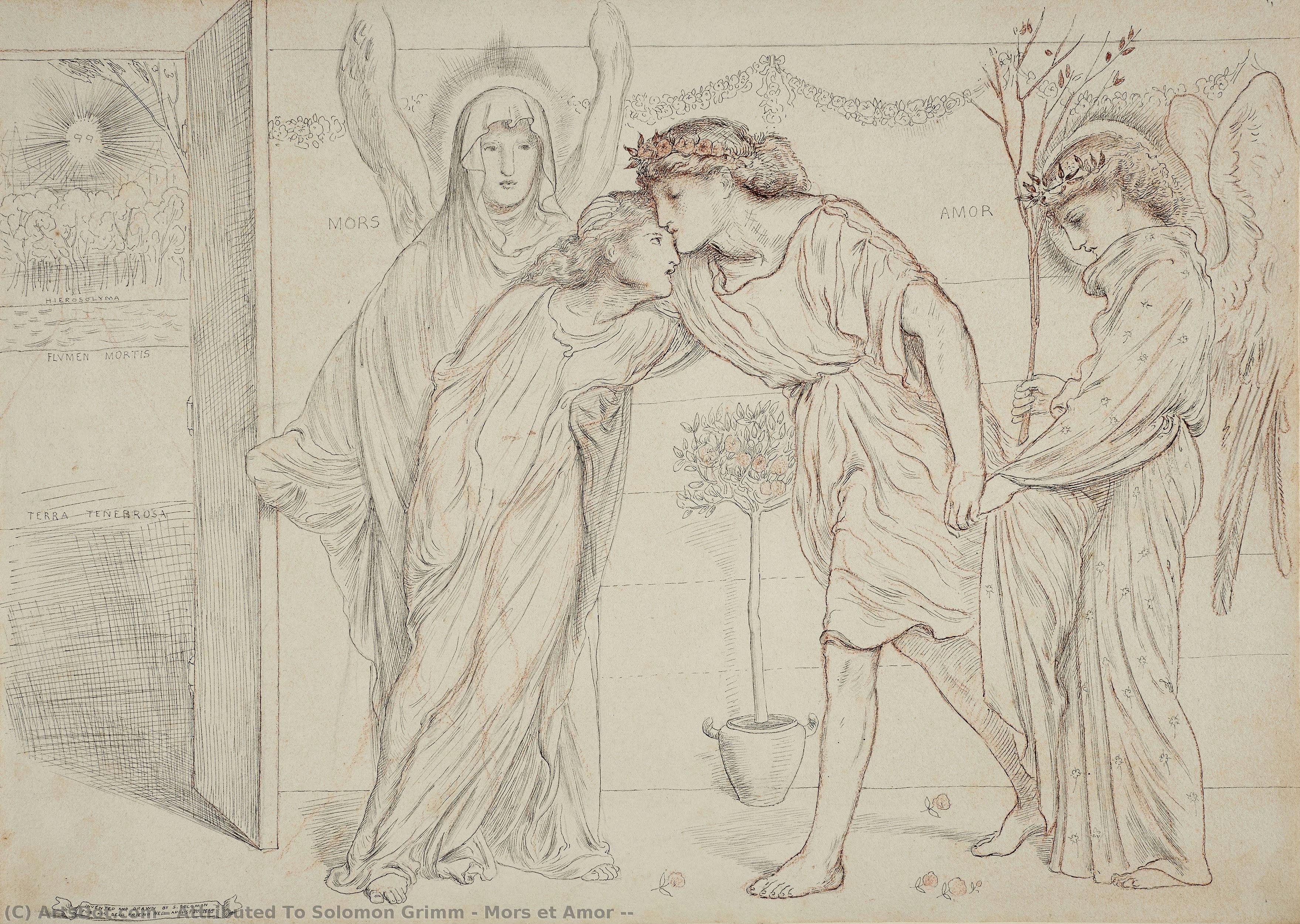
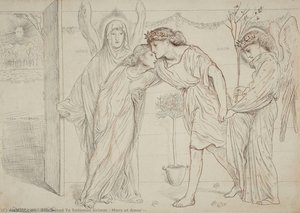
In the delicate interplay of shadow and light, Mors et Amor invites the viewer into a private, whispered moment frozen in time. This evocative work, attributed to the visionary hand of Solomon Grimm, presents a scene of profound intimacy that transcends its monochromatic medium. At the heart of the composition, a man and a woman are locked in a tender embrace, their faces drawn together in a kiss that serves as the emotional anchor of the piece. The surrounding figures—observers caught in the periphery of this romantic union—add a layer of narrative complexity, suggesting that while the passion is private, it exists within the shared gaze of a community. The presence of a solitary potted plant near the center-right introduces an element of domestic stillness, grounding the ethereal romance in a tangible, earthly setting.
The artistry of this piece lies in its masterful use of contrast and line. Executed with a precision that speaks to the artist's deep connection to form, the drawing utilizes the starkness of black and white to sculpt the figures from the void. There is a rhythmic quality to the way the limbs and gazes are positioned, creating a visual flow that guides the eye from the central lovers to the watchful onlookers on the flanks. This technique does more than merely define shapes; it imbues the characters with a sense of weight and presence, making their silent interaction feel remarkably alive. For the collector or interior designer, this piece offers a sophisticated focal point, capable of adding a layer of historical depth and soulful elegance to any curated space.
Symbolism and the Duality of Existence
The title itself, Mors et Amor—Death and Love—serves as a profound philosophical gateway to understanding the work. In the tradition of mid-19th-century romanticism, the juxtaposition of these two primal forces suggests that love is the only true defiance against the inevitability of mortality. The figures in the drawing are not merely subjects of a romantic vignette; they are symbols of the human condition. The act of kissing becomes a celebration of life's fleeting beauty, while the surrounding observers and the quiet, still environment hint at the passage of time and the watchful eye of fate. This duality creates an emotional resonance that is both melancholic and uplifting, making the artwork a deeply contemplative piece for those who appreciate art with intellectual and spiritual substance.
For those seeking to integrate this reproduction into a modern or classical interior, Mors et Amor provides a versatile aesthetic advantage. Its monochromatic palette allows it to harmonize seamlessly with minimalist decors, while its rich historical narrative complements more traditional, ornate settings. It is more than a mere decoration; it is an invitation to reflect on the enduring power of human connection. Whether displayed in a quiet study or as a centerpiece in a grand salon, this work continues to evoke the same sense of wonder and intimacy that first captured the imagination in 1865.
Похожие произведения


Биография художника
A Pennsylvania Potter of Singular Vision: The World of Solomon Grimm
Solomon Grimm (1787-1847), a name whispered with reverence among collectors of American folk art, stands as one of the most compelling and enigmatic figures in the history of Pennsylvania redware. While biographical details remain scarce—a common fate for many early American artisans—the enduring power and distinctive beauty of his pottery speak volumes about a man deeply connected to his craft and community. Grimm’s work transcends mere utility; it is an expression of cultural identity, personal artistry, and a uniquely American aesthetic sensibility born from the rich traditions of German immigrant craftsmanship.
Early Life and Context: The Berks County Crucible
Born in Berks County, Pennsylvania, a region steeped in the heritage of early German settlers, Solomon Grimm inherited a landscape brimming with ceramic tradition. The area’s abundant clay deposits provided the raw material for a thriving industry, and generations of potters had honed techniques passed down from the Rhineland. These traditions emphasized practicality—vessels for storage, cooking, and daily life—but also allowed for increasing levels of decorative expression. Grimm's family background remains largely undocumented, but it is reasonable to assume he was immersed in this world from a young age, learning the fundamentals of clay preparation, wheel throwing, firing, and glazing within a close-knit network of potters. The early 19th century saw a burgeoning sense of national identity in America, and while Grimm’s work clearly reflects his German roots, it also embodies a distinctly American spirit—a willingness to experiment with form and decoration.
The Art of Sgraffito: A Signature Style
Grimm distinguished himself through his mastery of the *sgraffito* technique. This intricate process involves applying a layer of slip (liquid clay) – often a contrasting color like yellow or manganese brown – over a leather-hard clay body, then carefully carving through the slip to reveal the red earthenware beneath. His designs are remarkably complex and varied, featuring stylized floral motifs—tulips, stars, hearts—and occasionally incorporating dates and even initials. The precision of his lines, the exuberance of his compositions, and the dynamic interplay between positive and negative space set his work apart from that of his contemporaries. Unlike many redware potters who favored simple geometric patterns or basic sgraffito bands, Grimm embraced a level of detail rarely seen in utilitarian ceramics. The application of slip wasn’t merely decorative; it added depth and texture to the surface, creating a tactile experience as compelling as the visual one.
Motifs and Symbolism: Decoding the Language of Clay
The symbolism embedded within Grimm's pottery offers tantalizing clues to his worldview. The recurring presence of stars may have held religious connotations—representing divine guidance or hope—or simply served as decorative elements reflecting popular motifs of the period. Tulips, a beloved flower in Pennsylvania German culture, often symbolized love and prosperity. Hearts, frequently adorned with dates, likely commemorated personal events – births, marriages, anniversaries – transforming everyday objects into cherished keepsakes. The inclusion of dates on many pieces suggests that Grimm catered to a local clientele seeking personalized items for special occasions. His work wasn’t simply about creating beautiful forms; it was about imbuing those forms with meaning and connecting them to the lives of his patrons. The careful arrangement of these symbols, often within elaborate geometric frameworks, reveals a sophisticated understanding of composition and visual balance.
Legacy and Historical Significance: A Lasting Impression
Although he operated on a relatively small scale, Solomon Grimm’s influence on American folk art is undeniable. His pottery represents the pinnacle of Pennsylvania redware artistry—a testament to the skill, creativity, and cultural heritage of German immigrant craftsmen. Today, his pieces are highly sought after by collectors and museums alike, including prominent examples held within The Metropolitan Museum of Art. While the details of his life remain shrouded in mystery, the enduring beauty and expressive power of his work continue to captivate and inspire. Grimm’s legacy lies not only in the exquisite objects he created but also in the preservation of a unique artistic tradition—a vibrant expression of American identity forged from the rich soil of Pennsylvania.
Основные сведения
- Artistic Movement Or Style: Sgraffito pottery
- Date Of Death: Living
- Full Name: Solomon Grimm
- Notable Artworks:
- Sgraffito plate
- Mors et Amor
- Plate
Похожие статьи

Монохромная магия интерьера: исследование роли чёрного, белого и серого в создании атмосферы современного пространства
Изучите силу монохромного дизайна! Экспертные советы по созданию элегантных интерьеров в черном, белом и сером цветах. Вдохновение, тренды и практические решения для вашего дома.

Белые шедевры: 10 знаменитых картин, покоривших мир (репродукции, декор)
Откройте для себя 10 знаменитых картин, где белый цвет – главный герой! Моне, Дега и другие мастера. История искусства, техники живописи и вдохновение для вашего интерьера. Репродукции высокого качества на ArtsDot.com

Топ-10 знаменитых картин в черных тонах: шедевры искусства для вашего интерьера
Погрузитесь в мир темных шедевров! Топ-10 знаменитых картин в черных тонах от Гойи, Рембрандта и Мунка. История искусства, техники живописи и вдохновение для вашего интерьера. Купите репродукции высокого качества на ArtsDot.com

Monochrome Visions: Exploring the Aesthetic & Historical Significance of Black & White Photography
Explore the rich history & artistic power of black and white photography. From early techniques to iconic masters like Ansel Adams, discover why monochrome continues to captivate art lovers today. Expert insights for collectors.

Chromatic Absence: Exploring the Aesthetic Power of Black & White Art
Explore the captivating world of monochrome art! Discover its rich history, influential artists like Malevich & Klein, and profound emotional impact. Expert insights for collectors & design enthusiasts.