

 Предпросмотр
 Поделиться
 Поделиться
 Детали произведения

 Скачать
 Похожие работы
 Рентгенография
 Слайд-шоу
 Статистика
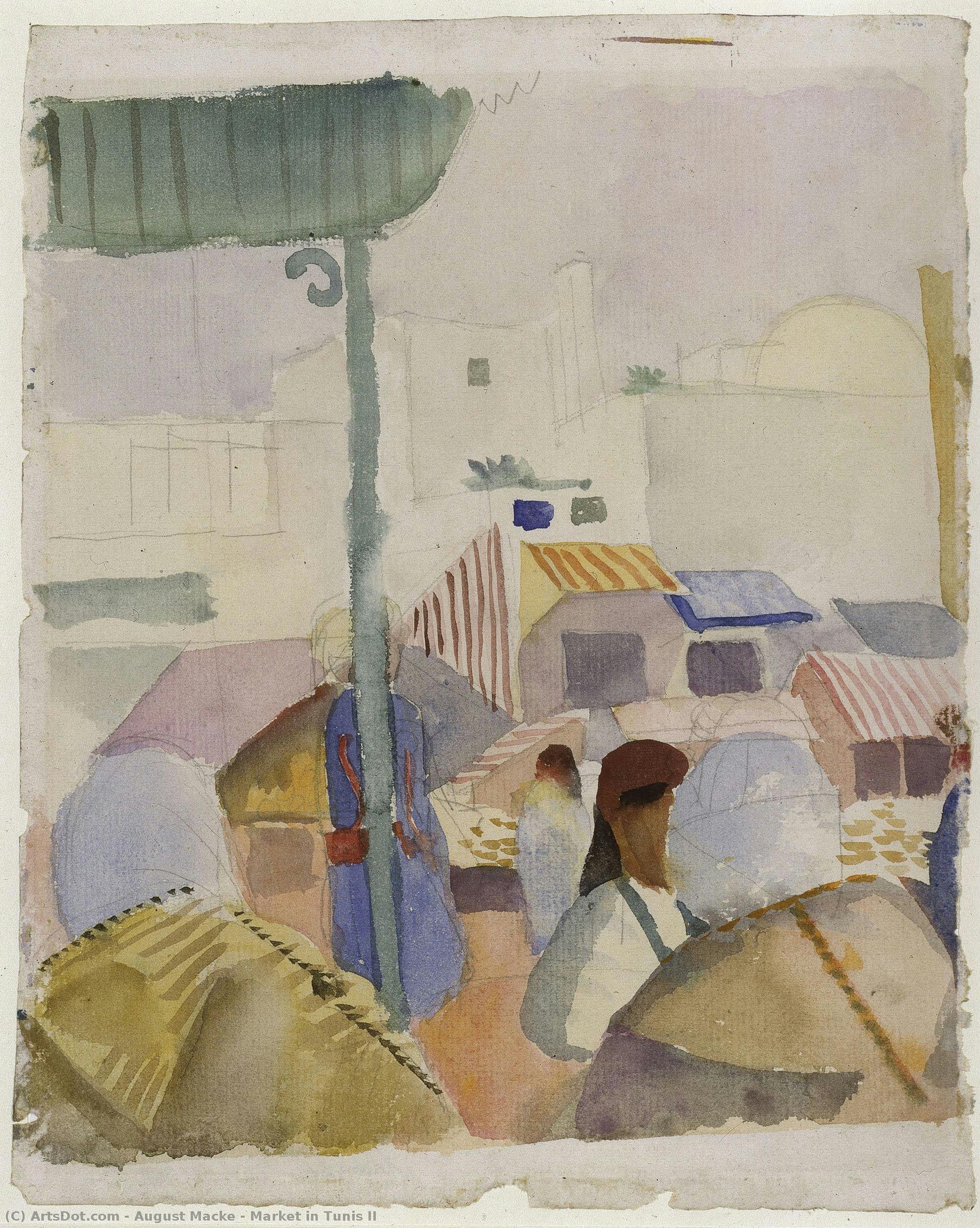
Market in Tunis II
 Acrylic On Canvas
- WallArt
- German Expressionism
 20.0 x 25.0 cm
 Кюпперстихкабинетт
 Читать далее
Приобретите цифровое изображение высокого разрешения в улучшенном качестве, которое значительно превосходит онлайн-превью.
Каждый файл тщательно подготавливается нашими специалистами с использованием передовых инструментов и экспертной ручной ретуши. Мы гарантируем исключительную четкость, точную цветопередачу и детальную проработку каждого изображения.
Финальный файл доставляется по электронной почте в течение 72 часов и оптимизирован для немедленного использования в профессиональной среде, при верстке и печати. Это тот же уровень качества, которому доверяют ведущие дизайнерские студии, издательства и галереи.
Цифровое изображение
Скачайте файл высокого разрешения для личного использования, печати и творческих проектов. ( Перейти к печати Купить картину ручной работы)
Включено в каждый заказ цифровых изображений
Гарантия экспертной цифровой доставки
Выбирая ArtsDot.com, вы получаете не просто изображение — вы приобретаете профессионально обработанное цифровое произведение искусства, созданное с безупречной точностью и под защитой гарантии качества. Вот всё, что автоматически входит в ваш заказ:

Мгновенная доставка по e-mail
Ваш цифровой файл в высоком разрешении будет отправлен вам по электронной почте в течение 72 часов после оформления заказа — и сразу станет доступен для использования.

Цифровой файл с ИИ-улучшением
Ваше произведение искусства проходит профессиональную оптимизацию с использованием передовых инструментов ИИ и ручной обработки, что гарантирует максимальную детализацию, четкость и точность цветопередачи.

Бессрочная бесплатная повторная доставка
Случайно удалили или потеряли файл? Не беспокойтесь — мы отправим его вам повторно в любое время и совершенно бесплатно.

Без импортных пошлин — навсегда
Наслаждайтесь вашим произведением искусства мгновенно без таможенных пошлин, сборов или затрат на доставку — цифровые загрузки всегда не облагаются налогом.

Гарантия точности цветопередачи
Мы гарантируем, что ваше цифровое изображение максимально точно передает оригинальные цвета благодаря использованию профессиональных инструментов и систем управления цветом.

Гарантия удовлетворенности 100 дней
Если вы не будете удовлетворены своим цифровым изображением, мы внесем правки или вернем 100% стоимости в течение 100 дней — без лишних вопросов.

100% Гарантия возврата средств
Не удовлетворены покупкой? Получите полный возврат средств в течение 100 дней после получения цифрового файла — без лишних вопросов.

Скидки на оптовые заказы
Купите 3 изображения, сэкономьте 10% — Купите 5, сэкономьте 15% — Купите 10+, сэкономьте 20%. Отличное решение для творческих проектов, галерей и агентств.
A Snapshot of Tunisian Life: August Macke’s Vibrant Market Scene
August Macke's “Market in Tunis II,” painted just months before his untimely death in 1914, isn’t merely a depiction of a bustling marketplace; it’s an immersive experience. Created during a pivotal journey with Paul Klee and Louis Moilliet to the North African city of Tunis, the painting captures a fleeting moment of vibrant energy and social interaction against a backdrop of intense light and color. Macke, already experimenting with Fauvist techniques – bold, non-naturalistic colors – found himself utterly captivated by the sensory overload of Tunis, translating this experience onto canvas with remarkable immediacy.
The scene unfolds within a tightly packed market square, dominated by a complex interplay of figures and structures. Buildings lean precariously, their facades rendered in planar segments that deliberately clash with the traditional perspective, hinting at Macke’s experimentation with geometric abstraction. This deliberate disruption of linear space isn't about creating illusion; it’s about conveying the overwhelming density and dynamism of the market itself – a feeling of being enveloped by movement and sound.
Color as Emotion: The Fauvist Influence
Macke’s masterful use of color is arguably the painting’s most striking feature. He abandons naturalistic hues, opting instead for intense, saturated tones—deep blues, fiery oranges, vibrant reds, and yellows—that seem to pulse with life. These aren't colors that simply describe; they evoke emotion. The warm palette dominates the foreground, drawing the eye towards the central figures while simultaneously suggesting a sense of heat and activity. Notice how the deep greens and browns of the surrounding buildings provide a grounding contrast, anchoring the scene within its Tunisian context.
The influence of Fauvism is undeniable here. Macke, like his contemporaries, sought to liberate color from its descriptive function, using it purely for expressive effect. This bold approach aligns with the broader artistic currents of the early 20th century, reflecting a desire to capture subjective experience rather than objective reality.
Details and Storytelling: A Moment Frozen in Time
Despite the flattened perspective and vibrant colors, Macke meticulously renders details that bring the scene to life. The richly textured camel-hair coats worn by the two Arab figures in the foreground are particularly noteworthy – their thick seams and deep hues immediately conveying a sense of warmth and practicality. The inclusion of episodic events, such as the man leaning on a column, adds layers of narrative complexity, suggesting that this is not simply a snapshot but a carefully constructed tableau.
Furthermore, the painting’s composition subtly guides the viewer's eye through the scene. The diagonal lines created by the stalls and figures create a sense of movement, while the central figure acts as a focal point, drawing attention to the heart of the market activity. Macke’s ability to capture both the overall atmosphere and individual details is a testament to his artistic skill.
A Legacy of Light and Emotion
“Market in Tunis II” stands as a powerful example of August Macke's unique artistic vision. It’s a painting that transcends its subject matter, offering viewers a glimpse into the vibrant culture and sensory experience of early 20th-century Tunisia. The painting’s emotional intensity, combined with Macke’s innovative use of color and perspective, continues to resonate with audiences today, cementing its place as a significant work in the history of modern art. Reproductions capture only a fraction of the original's impact, but offer an accessible way to appreciate this remarkable artist’s ability to translate fleeting moments into enduring works of beauty.
Похожие произведения
Биография художника
A Life Cut Short: The Vibrant World of August Macke
August Robert Ludwig Macke, a name forever intertwined with the brief but intensely brilliant flowering of German Expressionism, lived a life tragically curtailed by the horrors of the First World War. Born in 1887 in Meschede, a small town nestled within the Westphalian countryside, his artistic journey was one of rapid evolution and profound exploration – a relentless pursuit to capture not just what he *saw*, but how he *felt* about it. Macke’s early years were marked by a quiet determination, a yearning for creative expression that propelled him from his hometown to Bonn, where he began to hone his nascent talent under the guidance of local educators. Though formally trained at the Düsseldorf Art Academy between 1904 and 1906, under the tutelage of Adolf Maennchen, it was through independent study, travel, and a deep immersion in the artistic currents of the time that his unique voice truly began to emerge. These formative years were characterized by an absorption of Impressionist and Post-Impressionist techniques – a careful study of light, color, and brushwork – laying a foundation for the bolder, more emotionally charged expressions he would later develop. He supplemented his income with stage design work, a demanding profession that sharpened his compositional skills and cultivated a keen eye for visual harmony.Influences and Artistic Development: A Synthesis of Styles
Macke’s artistic trajectory was profoundly shaped by encounters with key figures and movements of the early 20th century – a confluence of influences that ultimately forged his distinctive style. A pivotal moment arrived in Paris in 1912, where he met Robert Delaunay, a leading proponent of Orphism – a branch of Cubism focused on pure abstraction and vibrant color harmonies. This encounter proved transformative, introducing Macke to the concept of simultaneous contrast and influencing his work towards a more dynamic and non-representational approach. He began experimenting with broken planes of color and abstracted forms, seeking to convey not just what he saw, but how he *felt* about what he saw – a core tenet of Expressionism. Simultaneously, his close friendship with Franz Marc, a fellow artist and member of the influential group Der Blaue Reiter (The Blue Rider), drew him into the orbit of Wassily Kandinsky and other avant-garde thinkers. While Macke’s style remained distinct from Kandinsky's more purely abstract explorations, he embraced the group’s spirit of artistic freedom and spiritual inquiry. His paintings began to reflect a growing interest in depicting the emotional resonance of landscapes and everyday life, imbued with a sense of joy and optimism. The influence of Matisse was also significant; Macke adopted the Fauves’ bold use of color and expressive brushstrokes, injecting energy and vitality into his compositions. He wasn't simply copying these styles; he was synthesizing them, creating something entirely new – a visual language uniquely his own.The Blue Rider and Beyond: A Unique Expressionist Vision
As an integral member of Der Blaue Reiter, Macke contributed significantly to the group’s exhibitions and publications, helping to disseminate its radical ideas about art and spirituality. However, he wasn't simply a follower; he forged his own unique path within the movement. Unlike some of his colleagues who leaned towards darker, more angst-ridden themes – often reflecting the anxieties of the time – Macke consistently sought to portray beauty and harmony in the world around him. His paintings, such as Bathing Girls with Town in the Background, exemplify this approach – vibrant colors, simplified forms, and a sense of idyllic tranquility characterize his work. He masterfully blended elements of Fauvism, Cubism, and Futurism into a distinctly personal style, creating compositions that are both visually striking and emotionally resonant. Woman in a Green Jacket, painted in 1913, is another prime example – a portrait radiating warmth and vitality through its bold color palette and confident brushwork. His later works, like Türkisches Café, demonstrate his luminist approach, capturing the play of light and shadow with remarkable sensitivity. The artist’s job, he wrote, was to explore and express the human soul - our inner life - via representation of form and use of (non-naturalistic) color.Major Achievements: A Legacy of Color and Emotion
August Macke's artistic achievements are characterized by a remarkable ability to capture the essence of modern experience through vibrant color, dynamic composition, and an underlying sense of optimism. His paintings – landscapes, portraits, still lifes, and scenes of everyday life – are imbued with a palpable energy that reflects both the beauty and the anxieties of his time. He was particularly adept at depicting the natural world, transforming ordinary landscapes into evocative expressions of emotion. Bathing Girls with Town in the Background is perhaps his most famous work, a testament to his ability to capture the fleeting moments of joy and connection within the urban landscape. His portraits, such as Woman in a Green Jacket, are equally compelling, radiating warmth and vitality through their bold color palettes and confident brushwork. Macke’s influence extended beyond Germany, inspiring artists across Europe who were seeking new ways to express themselves in the wake of World War I. His work continues to be exhibited and studied today, serving as a reminder of the power of art to illuminate the human condition.A Tragic End and Lasting Legacy
The outbreak of World War I brought a sudden and devastating end to Macke’s promising career. Driven by patriotic fervor, he volunteered for military service in 1914. Tragically, he was killed in action just weeks later, on September 26th, at the front near Champagne, France, at the young age of 27. His final painting, Farewell, poignantly captures the somber mood that descended upon Europe as war engulfed the continent. Despite his untimely death, August Macke’s legacy endures. He remains a significant figure in the history of Expressionism, celebrated for his vibrant colors, dynamic compositions, and optimistic vision. His paintings offer a glimpse into a world on the cusp of change, imbued with a sense of beauty and hope amidst growing uncertainty. Exploring his works today reveals an artist who not only captured the spirit of his time but also created timeless images that continue to resonate with viewers across generations.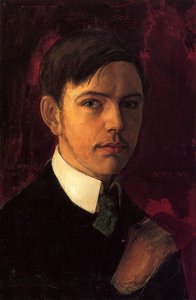
Август Макке
1887 - 1914 , Германия
Основные сведения
- Artistic Movement Or Style: Экспрессионизм
- Artists Or Movements Influenced By This Artist: ['Синий рыцарь']
- Artists Who Influenced This Artist:
- Роберт Делаunay
- Франц Марк
- Date Of Birth: 3 января 1887 г.
- Date Of Death: 26 сентября 1914 г.
- Full Name: August Robert Ludwig Macke
- Nationality: Немецкий
- Notable Artworks:
- Женщина в зеленом пальто
- Батающие девушки на фоне города
- Турецкий кафе
- Place Of Birth: Ме́схеде, Германия