


 Предпросмотр
 Поделиться
 Поделиться
 Детали произведения

 Скачать
 Похожие работы
 Рентгенография
 Слайд-шоу
 Статистика
Golden Temple, Amritsar

 Читать далее
Приобретите цифровое изображение высокого разрешения в улучшенном качестве, которое значительно превосходит онлайн-превью.
Каждый файл тщательно подготавливается нашими специалистами с использованием передовых инструментов и экспертной ручной ретуши. Мы гарантируем исключительную четкость, точную цветопередачу и детальную проработку каждого изображения.
Финальный файл доставляется по электронной почте в течение 72 часов и оптимизирован для немедленного использования в профессиональной среде, при верстке и печати. Это тот же уровень качества, которому доверяют ведущие дизайнерские студии, издательства и галереи.
Цифровое изображение
Скачайте файл высокого разрешения для личного использования, печати и творческих проектов. ( Перейти к печати Купить картину ручной работы)
Включено в каждый заказ цифровых изображений
Гарантия экспертной цифровой доставки
Выбирая ArtsDot.com, вы получаете не просто изображение — вы приобретаете профессионально обработанное цифровое произведение искусства, созданное с безупречной точностью и под защитой гарантии качества. Вот всё, что автоматически входит в ваш заказ:

Мгновенная доставка по e-mail
Ваш цифровой файл в высоком разрешении будет отправлен вам по электронной почте в течение 72 часов после оформления заказа — и сразу станет доступен для использования.

Цифровой файл с ИИ-улучшением
Ваше произведение искусства проходит профессиональную оптимизацию с использованием передовых инструментов ИИ и ручной обработки, что гарантирует максимальную детализацию, четкость и точность цветопередачи.

Бессрочная бесплатная повторная доставка
Случайно удалили или потеряли файл? Не беспокойтесь — мы отправим его вам повторно в любое время и совершенно бесплатно.

Без импортных пошлин — навсегда
Наслаждайтесь вашим произведением искусства мгновенно без таможенных пошлин, сборов или затрат на доставку — цифровые загрузки всегда не облагаются налогом.

Гарантия точности цветопередачи
Мы гарантируем, что ваше цифровое изображение максимально точно передает оригинальные цвета благодаря использованию профессиональных инструментов и систем управления цветом.

Гарантия удовлетворенности 100 дней
Если вы не будете удовлетворены своим цифровым изображением, мы внесем правки или вернем 100% стоимости в течение 100 дней — без лишних вопросов.

100% Гарантия возврата средств
Не удовлетворены покупкой? Получите полный возврат средств в течение 100 дней после получения цифрового файла — без лишних вопросов.

Скидки на оптовые заказы
Купите 3 изображения, сэкономьте 10% — Купите 5, сэкономьте 15% — Купите 10+, сэкономьте 20%. Отличное решение для творческих проектов, галерей и агентств.
The Painting of the Golden Temple, Amritsar
One of Schoefft's most famous works is his painting of the "Golden Temple, Amritsar". This stunning oil painting depicts Maharaja Ranjit Singh sitting in devotion on a balcony overlooking the Darbar Sahib complex at Amritsar. The painting is both a visual masterpiece and a historical document that captures the essence of the Sikh Empire at its height of power under the Lion of Punjab.Historical Context
Schoefft's painting is a work of historical imagination and artistic license, as he never had the opportunity to meet Maharaja Ranjit Singh or witness this scene at Darbar Sahib. However, Schoefft was a keen observer, artist, and historian who effectively blended reality with imagination into a cohesive grand epic on canvas that is both believable and realistic in its rendition.Significance of the Painting
The "Golden Temple, Amritsar" painting by August Schoefft is a significant work of art that captures the beauty and grandeur of the Sikh Empire at its peak. The painting is a testament to Schoefft's artistic skill and his ability to create a believable and realistic scene that reflects the historical context of the time.Hand-Made Oil Paintings Reproductions
At ArtsDot.com, we offer hand-made oil paintings reproductions of August Schoefft's masterpiece, the "Golden Temple, Amritsar". Our skilled artists use high-quality materials and techniques to create a faithful reproduction that captures the beauty and detail of the original painting. Whether you are an art collector, a history buff, or simply someone who appreciates beautiful art, our hand-made oil paintings reproductions are an excellent addition to any collection.Conclusion
August Schoefft's "Golden Temple, Amritsar" is a masterpiece of 19th-century Hungarian painting that captures the beauty and grandeur of the Sikh Empire at its peak. The painting is a testament to Schoefft's artistic skill and his ability to create a believable and realistic scene that reflects the historical context of the time. At ArtsDot.com, we are proud to offer hand-made oil paintings reproductions of this stunning work of art, allowing you to enjoy its beauty and detail in your own home or office.- For more information about August Schoefft and his works, visit our August Schoefft Art Page.
- To learn more about the history of the Sikh Empire and its significance, visit our Sikh Empire History Page.
Похожие произведения








Биография художника
The Painter of Exotic Splendor: The Life and Legacy of August Schoefft
In the grand tapestry of nineteenth-century art, few threads are as vibrant or as evocative as those woven by August Theodor Schoefft. A master of the Orientalist tradition, Schoefft possessed a rare ability to transport his audience from the classical sensibilities of Europe to the opulent, sun-drenched courts of the East. Born in 1809 into an artistic lineage in Pest, Hungary, his very foundation was steeped in the rigorous discipline of fine art. As the son of the renowned sculptor József Károly Schöfft, August grew up within the walls of a family atelier, absorbing the nuances of form, light, and shadow from a tender age. This early immersion in classical aesthetics, influenced by the prestigious traditions of the Vienna Academy of Fine Arts, provided him with the technical precision that would later allow him to document the grandeur of empires with breathtaking accuracy.
While his early years were dedicated to mastering the landscapes and portraits of his Hungarian homeland, a restless, adventurous spirit eventually beckoned him toward horizons far beyond the borders of Europe. In 1838, Schoefft embarked upon a transformative journey that would define his artistic identity forever. Traversing through Turkey and arriving in Bombay, he found himself amidst the swirling complexities of a changing India. This expedition was not merely a voyage of discovery but a professional pilgrimage; by seeking out the patronage of Mughal royalty—most notably under the reign of Bahadur Shah Zafar—Schoefft transitioned from a talented European painter to a vital chronicler of the Sikh Empire and the Mughal courts.
A Visionary Chronicler of the Sikh Empire
The period between 1838 and 1842 marked the zenith of Schoefft’s creative evolution. Settling within the vibrant atmosphere of the Sikh kingdom during the reign of Maharaja Sher Singh, he became an eyewitness to a golden era of Indian history. His work from this period is characterized by a magnificent blend of meticulous realism and romanticized storytelling. He did not merely paint figures; he captured the very essence of power, devotion, and cultural splendor. Through his brush, the viewer can almost feel the heat of the Punjab sun and hear the rustle of silk within the Lahore Fort.
One of his most enduring achievements lies in his ability to render historical scenes that serve as both art and document. His depictions of the Sikh court are legendary for their grand scale and intricate detail, featuring works such as:
- The Court of Lahore: A sweeping composition that captures the political and social gravity of the era.
- Maharaja Sher Singh seated on the golden throne: An opulent portrait showcasing the regal power and majesty of the Sikh monarch.
- Golden Temple, Amritsar: Perhaps his most evocative masterpiece, where he depicts Maharaja Ranjit Singh in a moment of profound spiritual devotion overlooking the Darbar Sahib complex.
In these works, Schoefft utilized a technique that balanced the rigid anatomical accuracy learned in his youth with an imaginative flair. While some of his scenes were reconstructions of historical moments he had not personally witnessed, his deep familiarity with the local customs, attire, and architecture allowed him to create a cohesive, believable epic on canvas. He possessed a unique talent for integrating the architectural grandeur of the Mughal style with the human element, ensuring that every jewel, textile, and architectural flourish contributed to a larger narrative of exotic splendor.
Historical Significance and Artistic Endurance
The legacy of August Schoefft extends far beyond the borders of the territories he painted. As an Orientalist, he played a crucial role in shaping the Western imagination regarding the East during the Victorian era. His paintings offered a window into a world that seemed, to many Europeans, both incredibly distant and tantalizingly beautiful. By documenting the Sikh Empire at its height, he provided a visual record of a period of immense historical significance, preserving the likenesses of rulers and the splendor of courts that would soon face the tides of colonial change.
Today, Schoefft’s oeuvre continues to fascinate scholars, historians, and art collectors alike. His ability to marry the precision of a trained European academician with the soul of an explorer makes his work uniquely captivating. He remains a pivotal figure in the history of nineteenth-century painting, remembered not just as a painter of scenes, but as a storyteller who captured the fleeting glory of empires through the lens of meticulous observation and imaginative brilliance.
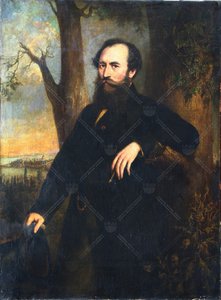
august schoefft
1809 - 1888
Основные сведения
- Artistic Movement Or Style: Orientalism
- Artists Or Movements Influenced By This Artist: ['Vienna School']
- Artists Who Influenced This Artist:
- Heinrich Friedrich Füger
- Franz Caucig
- Date Of Birth: 1809
- Full Name: August Theodor Schoefft
- Nationality: Hungarian
- Notable Artworks:
- The Court of Lahore
- Maharaja Sher Singh at Darbar Sahib
- Place Of Birth: Pest, Hungary