

 Поделиться
 Поделиться
 Детали произведения

 Скачать
 Похожие работы
 Слайд-шоу
 Статистика
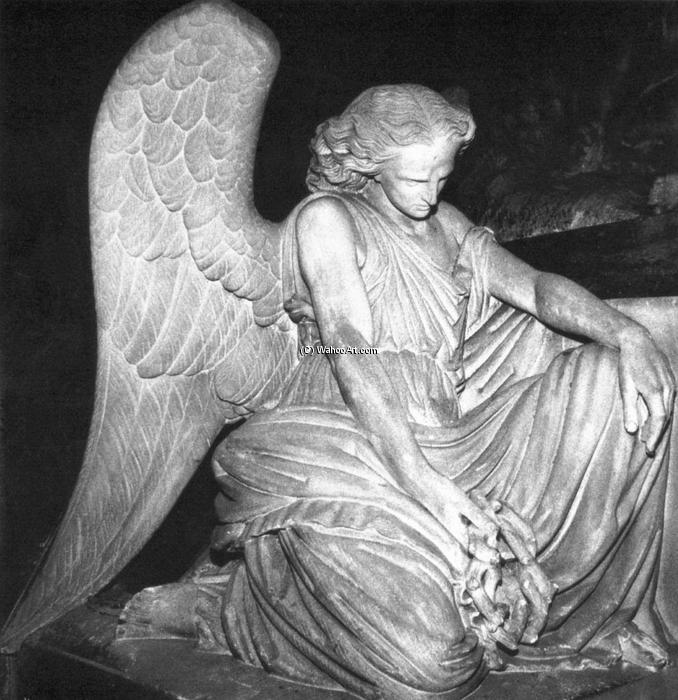
Angel of Grief


 Читать далее
Приобретите цифровое изображение высокого разрешения в улучшенном качестве, которое значительно превосходит онлайн-превью.
Каждый файл тщательно подготавливается нашими специалистами с использованием передовых инструментов и экспертной ручной ретуши. Мы гарантируем исключительную четкость, точную цветопередачу и детальную проработку каждого изображения.
Финальный файл доставляется по электронной почте в течение 72 часов и оптимизирован для немедленного использования в профессиональной среде, при верстке и печати. Это тот же уровень качества, которому доверяют ведущие дизайнерские студии, издательства и галереи.
Цифровое изображение
Скачайте файл высокого разрешения для личного использования, печати и творческих проектов. ( Перейти к печати Купить картину ручной работы)
Включено в каждый заказ цифровых изображений
Гарантия экспертной цифровой доставки
Выбирая ArtsDot.com, вы получаете не просто изображение — вы приобретаете профессионально обработанное цифровое произведение искусства, созданное с безупречной точностью и под защитой гарантии качества. Вот всё, что автоматически входит в ваш заказ:

Мгновенная доставка по e-mail
Ваш цифровой файл в высоком разрешении будет отправлен вам по электронной почте в течение 72 часов после оформления заказа — и сразу станет доступен для использования.

Цифровой файл с ИИ-улучшением
Ваше произведение искусства проходит профессиональную оптимизацию с использованием передовых инструментов ИИ и ручной обработки, что гарантирует максимальную детализацию, четкость и точность цветопередачи.

Бессрочная бесплатная повторная доставка
Случайно удалили или потеряли файл? Не беспокойтесь — мы отправим его вам повторно в любое время и совершенно бесплатно.

Без импортных пошлин — навсегда
Наслаждайтесь вашим произведением искусства мгновенно без таможенных пошлин, сборов или затрат на доставку — цифровые загрузки всегда не облагаются налогом.

Гарантия точности цветопередачи
Мы гарантируем, что ваше цифровое изображение максимально точно передает оригинальные цвета благодаря использованию профессиональных инструментов и систем управления цветом.

Гарантия удовлетворенности 100 дней
Если вы не будете удовлетворены своим цифровым изображением, мы внесем правки или вернем 100% стоимости в течение 100 дней — без лишних вопросов.

100% Гарантия возврата средств
Не удовлетворены покупкой? Получите полный возврат средств в течение 100 дней после получения цифрового файла — без лишних вопросов.

Скидки на оптовые заказы
Купите 3 изображения, сэкономьте 10% — Купите 5, сэкономьте 15% — Купите 10+, сэкономьте 20%. Отличное решение для творческих проектов, галерей и агентств.
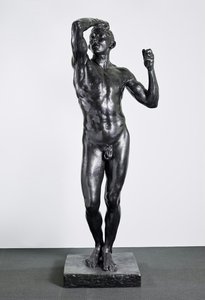
Auguste Clésinger’s Angel of Grief: A Baroque Echo in Marble
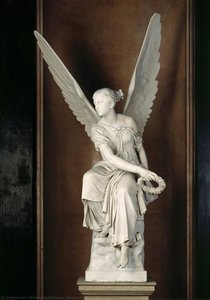
The sculpture “Angel of Grief,” created by Auguste Clésinger in 1850, stands as a poignant testament to the artist's mastery of Baroque aesthetics translated into Neo-classical form. Commissioned for the tomb of Euterpe, the muse of music, Frédéric Chopin’s beloved wife, this monumental marble piece embodies profound sorrow and spiritual contemplation—themes deeply rooted in the artistic sensibilities of its time. Located within Staglieno Cemetery in Genoa, Italy, it remains a celebrated exemplar of Victorian funerary sculpture and continues to captivate viewers with its expressive power.- Subject Matter & Narrative: Clésinger’s vision centers on grief—a palpable emotion conveyed through the angel's posture: head bowed, hands clasped in prayerful supplication. The figure embodies a universal experience of loss and mourning, mirroring the profound sorrow felt by Chopin upon his wife’s passing. This deliberate choice aligns with the Baroque tradition of portraying emotional intensity within religious iconography.
- Style & Technique: While firmly anchored in Neo-classical principles—characterized by idealized forms and restrained elegance—the sculpture possesses a remarkable dynamism that harkens back to Baroque grandeur. Clésinger skillfully employs drapery folds, meticulously sculpted to create an illusion of movement and texture, mirroring the dramatic gestures typical of Baroque artists. The technique is stone carving, utilizing marble or similar material with exceptional precision to achieve breathtaking detail.
- Historical Context: Created during the Second Empire in France, “Angel of Grief” reflects the broader artistic currents of its era—a period marked by a revival of classical ideals alongside Romantic fervor. Clésinger’s work exemplifies the desire for beauty and solemnity within memorial art, responding to the prevailing cultural preoccupation with mortality and spiritual reflection.
- Symbolism & Emotion: The angel's drooping wings symbolize humility and vulnerability—a visual representation of grief’s crushing weight. The trumpet held aloft signifies judgment and remembrance, reminding viewers of the eternal significance of human life and loss. Clésinger’s masterful rendering captures the essence of pathos—the profound sadness associated with bereavement—creating an artwork that resonates deeply with its audience.
- Notable Features: The sculpture's shallow depth of field emphasizes the intricate details of the sculpted form, highlighting the drapery folds and facial features. Lines are predominantly flowing and curved, contributing to the organic feel of the piece. Texture is meticulously rendered through stone carving, creating a palpable sense of materiality and conveying the sculptor’s dedication to capturing the essence of his subject matter.
Further Exploration & Artistic Legacy
The Monteverde Angel, as it's known, stands apart from many other funerary sculptures of its time due to its remarkable sensual quality—a characteristic that surprised critics and cemented Clésinger’s reputation for artistic innovation. Giulio Monteverde’s masterpiece exemplifies the Baroque influence on Neo-classical art, demonstrating how artists could simultaneously honor tradition while pushing stylistic boundaries. Its enduring beauty continues to inspire admiration and serves as a poignant reminder of the transformative power of art to express profound emotion and contemplate existential themes.Resources for Viewing & Learning
To experience “Angel of Grief” firsthand, visit Staglieno Cemetery in Genoa (Italy). Alternatively, high-quality reproductions are available at museums worldwide, including the Musée d'Orsay in Paris. Detailed information about Auguste Clésinger and his artistic oeuvre can be found on numerous scholarly websites and art databases—a valuable resource for deepening your understanding of this iconic sculpture and its place within Victorian artistic history.Похожие произведения


Биография художника
Auguste Clésinger: Life and Legacy
Early Life and Training
- Born: October 22, 1814, in Besançon, France.
- Auguste Clésinger came from an artistic family; his father, Georges-Philippe Clésinger, was a sculptor who provided Auguste with his initial training.
- This early exposure instilled in him a foundational understanding of sculptural techniques and aesthetics.
Artistic Development and Style
- Clésinger’s artistic style evolved through the 19th century, initially embracing Neoclassical principles but gradually incorporating elements of Realism and Romanticism.
- He skillfully blended technical precision with emotional intensity in his works.
- His sculptures often depict dramatic narratives and sensuous figures, showcasing a mastery of anatomy and form.
Major Works and Achievements
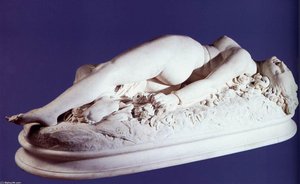
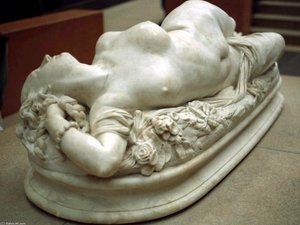
- Woman Bitten by a Serpent (1847): This sculpture caused a sensation at the Paris Salon due to its dramatic realism and erotic undertones. It was modeled from life casts of Apollonie Sabatier.
- Madame Sabatier (1847): A marble portrait of his model, Apollonie Sabatier, further establishing Clésinger’s reputation for capturing beauty and sensuality.
- Chopin's Funerary Monument (1850): Commissioned after the composer Frédéric Chopin’s death, this white marble monument at Père Lachaise Cemetery is a poignant tribute to the musician.
- Angel of Grief: A deeply moving sculpture embodying Baroque drama and pathos.
- He also created busts of prominent figures like Rachel Félix and Théophile Gautier, and a statue of Louise of Savoy.
Influences and Relationships
- Influenced by: His father, Georges-Philippe Clésinger, provided his initial artistic foundation.
- Clésinger’s association with Apollonie Sabatier, a salonnière and mistress of several prominent artists including Charles Baudelaire, exposed him to intellectual and artistic circles.
- His marriage in 1847 to Solange Dudevant, daughter of George Sand, further connected him to literary society.
Historical Significance and Legacy
- Clésinger’s work reflects the artistic currents of 19th-century France, bridging Neoclassicism with emerging Realist tendencies.
- Recognition: He received the Knight's Cross of the Légion d'honneur in 1849 and was promoted to Officer in 1864.
- His sculptures continue to be admired for their technical skill, emotional depth, and dramatic impact. His works are displayed at prominent museums such as the Musée d’Orsay.
- Death: He died on January 5, 1883, in Paris, and is buried in Père Lachaise Cemetery.
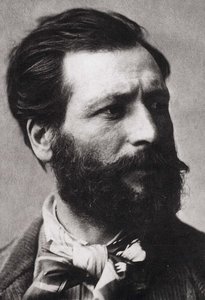
auguste clésinger
1814 - 1883 , France
Основные сведения
- Birth Date: 1814-10-22
- Birth Place: Besançon, France
- Death Date: 1883-01-05
- Influenced: None, 'influenced by': 'Georges-Philippe Clésinger (father)', 'movement': ['Realism', 'Romanticism'], 'name': 'Auguste Clésinger', 'nationality': 'French', 'notable works': ['Woman Bitten by a Serpent', 'Angel of Grief', 'Madame Sabatier',