

 Поделиться
 Поделиться
 Детали произведения

 Скачать
 Похожие работы
 Слайд-шоу
 Статистика
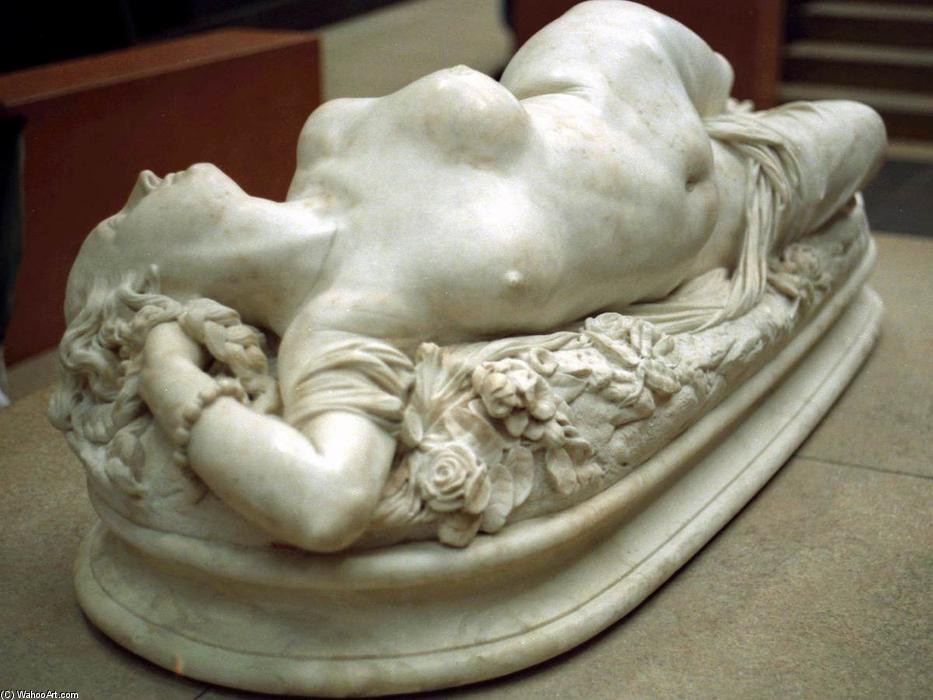
Woman Bitten by a Snake (Femme piquée par un serpent)
 Marble
- Sculpture
- Romantic Realism
 1847
1847- 19th Century
 56.0 x 180.0 cm
 Музей Орсе
 Читать далее
Жикле / Арт-принт
Печать (жикле) или холст музейного качества с быстрыми сроками изготовления и широким выбором вариантов отделки. ( Купить картину ручной работы Перейти к цифровым изображениям)




































Выберите один из наших стандартных размеров, соответствующих оригинальным пропорциям произведения искусства.

Вы можете указать свои собственные размеры, чтобы репродукция идеально подошла под конкретную раму или пространство. Если выбранный вами размер не будет соответствовать пропорциям оригинала, мы либо обрежем произведение, либо дополним изображение зеркальным отражением краев или однотонной заливкой. Перед началом производства вам будет отправлен цифровой макет для утверждения.
Пожалуйста, обратите внимание, что предварительный просмотр на экране не отображает фактическую обрезку или расширение изображения. Только макет точно покажет финальную композицию.
Несмотря на возможность заказа индивидуальных размеров, мы рекомендуем выбирать размер из предопределенного списка, чтобы сохранить оригинальные пропорции.
Доставка по всему миру () за 2 недели вместо стандартных 4/5 недель. (13 Сентябрь)

Бесплатная экспресс-доставка по всему миру

Высококачественный льняной холст

Полное страхование доставки

Гарантия возмещения таможенных пошлин

Гарантия точного соответствия цветов

100-дневная политика возврата (только при обнаружении дефектов)

Гарантия возврата 100% средств

Предложение оптовых скидок
 Вариант со стеклом доступен только для размеров менее 110 см

Woman Bitten by a Snake (Femme piquée par un serpent)
Жикле / Арт-принт
Размер репродукции
-


Итоговая стоимость
$ 62
A Scandal in Marble: The Sensuous Drama of Clésinger
In the grand, gilded halls of the 1847 Paris Salon, few works ignited as much fervent debate and whispered scandal as Auguste Clésinger’s Woman Bitten by a Snake (*Femme piquée par un serpent*). This breathtaking marble masterpiece does not merely sit in stillness; it writhes with a visceral, almost cinematic energy that captures the viewer in a moment of sudden, sharp agony and profound ecstasy. The sculpture depicts a nude woman, her body contorted in a dramatic reflex of pain as a small serpent latches onto her wrist. It is a work that transcends the boundaries of traditional sculpture, moving beyond mere representation to embody a profound exploration of vulnerability, physical sensation, and the intoxicating tension between suffering and desire.
The genesis of this provocative piece lies in Clésinger’s collaboration with Apollonie Sabatier, a Parisian courtesan who served as a muse to the era's most celebrated bohemian figures. To achieve an unparalleled level of realism, Clés_inger utilized life casts of Sabatier, a technique that allowed him to capture the precise contours and even the subtle dimples of human flesh. This commitment to anatomical accuracy ensured that the sculpture possessed a palpable, living quality, making the sudden strike of the serpent feel all the more startling to the 19th-century spectator.
Mastery of Form and Technique
Clésinger’s masterful manipulation of Carrara marble is evident in every curve and fold of the composition. The artist painstakingly achieved subtle variations in texture and luminosity, mirroring the nuances of human skin and conveying the palpable sensation of a body reacting to trauma. One cannot help but notice the meticulous attention to detail—from the way the hair cascades down the figure's back to the delicate modeling of the muscles in her thighs. The marble, though cold and hard, appears soft and yielding under his chisel, creating an illusion of warmth and life that was revolutionary for its time.
The sculpture’s style marks a decisive departure from the restrained elegance of Neoclassicism toward a more emotionally charged Realism and Romanticism. While the pose alludes to classical ideals of beauty, the subject matter is decidedly modern and visceral. The interplay of light across the polished surfaces highlights the tension in her limbs and the serene yet pained expression on her face, inviting the viewer into a private, intense moment of physical experience.
An Eternal Inspiration for the Modern Collector
For the discerning art lover or interior designer, a high-quality reproduction of this masterpiece offers more than just decoration; it provides a focal point of profound narrative depth. The sculpture’s ability to command attention through its dramatic movement and emotional complexity makes it an ideal centerpiece for spaces that celebrate classical elegance infused with a bold, contemporary edge. Whether placed in a sunlit gallery or a sophisticated study, the work serves as a conversation piece that bridges the gap between historical scandal and timeless aesthetic beauty.
Integrating such a piece into a curated collection allows one to honor the legacy of the 19th-century French masters while adding a layer of sculptural drama to an environment. It is a tribute to the era when art dared to be provocative, capturing the eternal dance between the beauty of the human form and the unpredictable forces of nature.
Похожие произведения

Биография художника
Auguste Clésinger: Life and Legacy
Early Life and Training
- Born: October 22, 1814, in Besançon, France.
- Auguste Clésinger came from an artistic family; his father, Georges-Philippe Clésinger, was a sculptor who provided Auguste with his initial training.
- This early exposure instilled in him a foundational understanding of sculptural techniques and aesthetics.
Artistic Development and Style
- Clésinger’s artistic style evolved through the 19th century, initially embracing Neoclassical principles but gradually incorporating elements of Realism and Romanticism.
- He skillfully blended technical precision with emotional intensity in his works.
- His sculptures often depict dramatic narratives and sensuous figures, showcasing a mastery of anatomy and form.
Major Works and Achievements
- Woman Bitten by a Serpent (1847): This sculpture caused a sensation at the Paris Salon due to its dramatic realism and erotic undertones. It was modeled from life casts of Apollonie Sabatier.
- Madame Sabatier (1847): A marble portrait of his model, Apollonie Sabatier, further establishing Clésinger’s reputation for capturing beauty and sensuality.
- Chopin's Funerary Monument (1850): Commissioned after the composer Frédéric Chopin’s death, this white marble monument at Père Lachaise Cemetery is a poignant tribute to the musician.
- Angel of Grief: A deeply moving sculpture embodying Baroque drama and pathos.
- He also created busts of prominent figures like Rachel Félix and Théophile Gautier, and a statue of Louise of Savoy.
Influences and Relationships
- Influenced by: His father, Georges-Philippe Clésinger, provided his initial artistic foundation.
- Clésinger’s association with Apollonie Sabatier, a salonnière and mistress of several prominent artists including Charles Baudelaire, exposed him to intellectual and artistic circles.
- His marriage in 1847 to Solange Dudevant, daughter of George Sand, further connected him to literary society.
Historical Significance and Legacy
- Clésinger’s work reflects the artistic currents of 19th-century France, bridging Neoclassicism with emerging Realist tendencies.
- Recognition: He received the Knight's Cross of the Légion d'honneur in 1849 and was promoted to Officer in 1864.
- His sculptures continue to be admired for their technical skill, emotional depth, and dramatic impact. His works are displayed at prominent museums such as the Musée d’Orsay.
- Death: He died on January 5, 1883, in Paris, and is buried in Père Lachaise Cemetery.
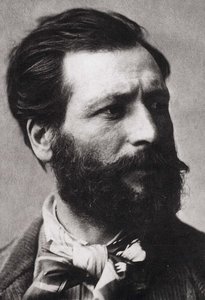
auguste clésinger
1814 - 1883 , France
Основные сведения
- Birth Date: 1814-10-22
- Birth Place: Besançon, France
- Death Date: 1883-01-05
- Influenced: None, 'influenced by': 'Georges-Philippe Clésinger (father)', 'movement': ['Realism', 'Romanticism'], 'name': 'Auguste Clésinger', 'nationality': 'French', 'notable works': ['Woman Bitten by a Serpent', 'Angel of Grief', 'Madame Sabatier',
Похожие статьи
The Enduring Allure of Marble in Art History: From Classical Sculpture to Modern Abstraction
Explore the captivating history of marble sculpture from ancient Greece to modern art. Discover renowned artists like Canova & Michelangelo, carving techniques, and investment insights at ArtsDot.

The Enduring Form: Exploring Themes & Techniques in Sculpture Across Historical Periods
Explore the rich history of sculpture from ancient masterpieces to contemporary innovations. Discover key techniques, influential artists & investment potential for discerning art collectors.

The Enduring Form: Sculpture Across History, Technique & Emotional Resonance
Explore the rich history of sculpture with ArtsDot. Discover key techniques, influential artists & investment potential for discerning collectors. Expert insights into valuing and collecting timeless masterpieces.

10 легендарных бронзовых скульптур, изменивших искусство навсегда | ArtsDot
Погрузитесь в мир великих бронзовых скульптур! От Давида Микеланджело до работ Родена – история искусства, техники и вдохновения. Купите репродукции шедевров для вашего интерьера на ArtsDot.com

10 легендарных бронзовых шедевров, изменивших искусство | ArtsDot
Погрузитесь в мир великих бронзовых шедевров! От Давида Донателло до Мыслителя Родена – узнайте историю создания, технику и значение легендарных скульптур. Вдохновение для интерьера и музейное качество репродукций на ArtsDot.com.