

 Поделиться
 Поделиться
 Детали произведения

 Скачать
 Похожие работы
 Слайд-шоу
 Статистика
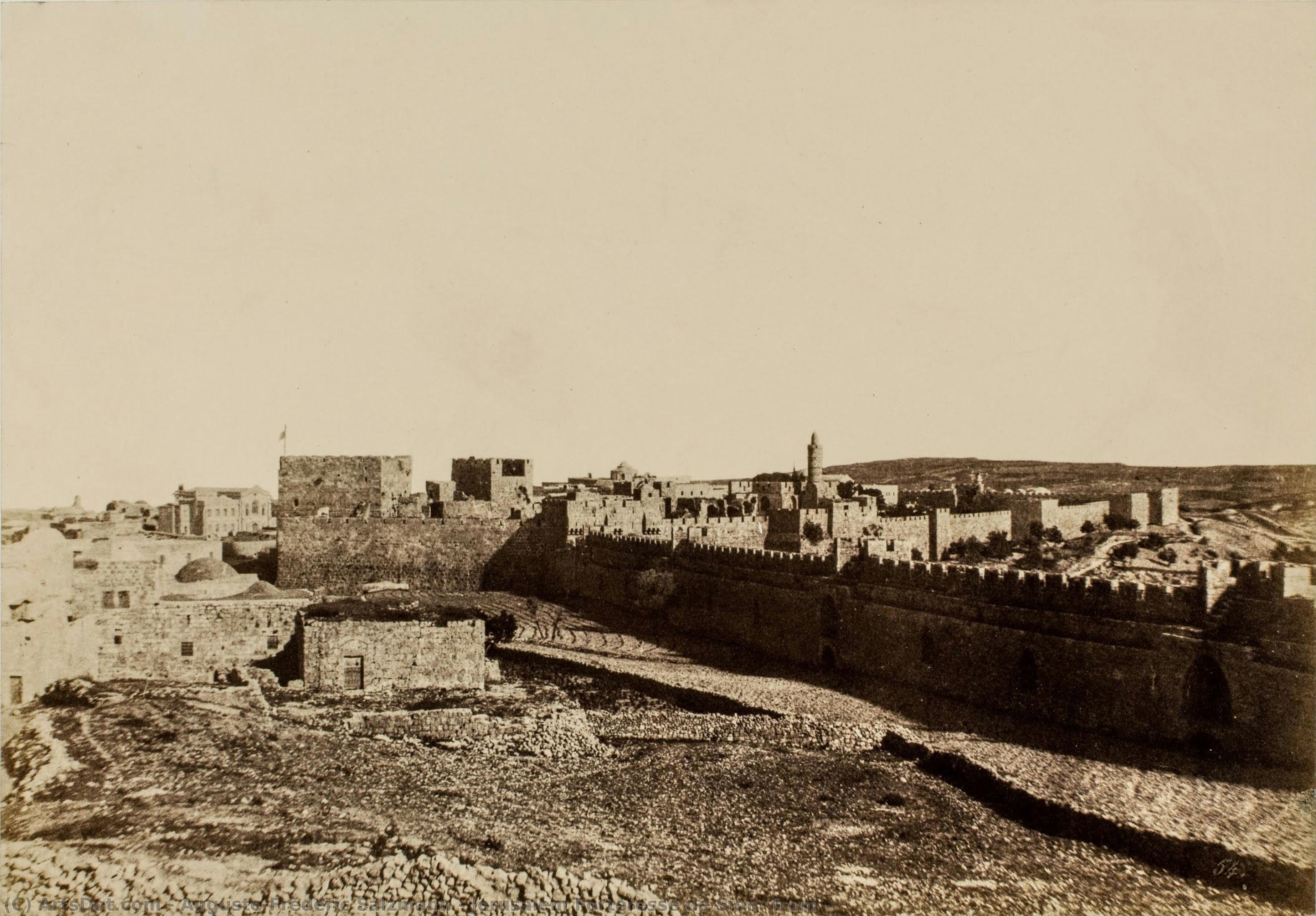
Jerusalem Forteresse de Sion, from


 Читать далее
Масляная репродукция ручной работы
Картина маслом на холсте в выбранном вами размере и раме, написанная на заказ нашими художниками. ( Перейти к печати Перейти к цифровым изображениям)




































Выберите один из наших стандартных размеров, соответствующих оригинальным пропорциям произведения искусства.

Вы можете указать собственные размеры, чтобы картина идеально вписалась в выбранную раму или пространство. Если выбранный вами размер не соответствует пропорциям оригинала, мы либо обрежем полотно, либо расширим его за счет дополнительных элементов, написанных вручную. Цифровой макет будет отправлен вам на утверждение перед началом производства.
Обратите внимание, что предварительный просмотр на экране не отражает фактическую обрезку или расширение. Только макет точно покажет окончательную композицию.
Хотя доступны индивидуальные размеры, мы рекомендуем выбирать вариант из предопределенного списка, чтобы сохранить исходные пропорции.
После оформления заказа команда ArtsDot.com свяжется с клиентом по электронной почте для уточнения деталей и предоставит предварительный макет
Доставка по всему миру () за 3–4 недели вместо стандартных 5 недель. (13 Сентябрь). Без компромиссов в качестве.

Бесплатная экспресс-доставка по всему миру

Высококачественный льняной холст

Полное страхование доставки

Гарантия возмещения таможенных пошлин

Гарантия точного соответствия цветов

100-дневная политика возврата (только при обнаружении дефектов)

Гарантия возврата 100% средств

Предложение оптовых скидок
 Вариант со стеклом доступен только для размеров менее 110 см

Jerusalem Forteresse de Sion, from
Техника репродукции
Размер репродукции
-


Итоговая стоимость
$ 263
A Window into Antiquity: The Silent Majesty of Jerusalem
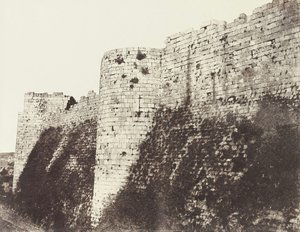
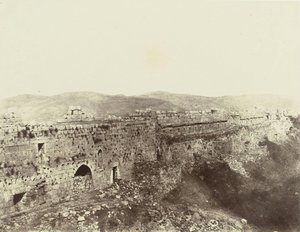
In this evocative monochrome photograph from 1856, titled Jerusalem Forteresse de Sion, the viewer is transported back to a pivotal moment in the nineteenth century when the boundaries between art and scientific documentation began to blur. The image captures a breathtaking vista of an ancient cityscape, where the heavy, stone-clad architecture of Jerusalem rises with a sense of eternal permanence. At the heart of the composition lies the imposing fortress of Zion, a structure that serves as both a physical anchor for the landscape and a symbolic gateway to the past. Through the lens of Auguste-Frédéric Salzmann, we do not merely see a city; we witness a living chronicle of human history, where every weathered stone and shadowed alleyway whispers tales of bygone eras.
The photograph’s aesthetic power is derived from its masterful use of light and shadow, a hallmark of early photographic pioneers. Without the luxury of color, Salzmann relies on a rich spectrum of grayscale tones to define the textures of the urban fabric. The stark contrast between the sun-drenched surfaces of the rooftops and the deep, mysterious recesses of the narrow streets creates a profound sense of depth and volume. This interplay of light lends a sculptural quality to the buildings, making the church spires and clock towers appear as if they are emerging from the very mist of time itself. The presence of a solitary figure, caught in a moment of quiet observation, provides a vital sense of scale and human connection, grounding the monumental architecture within the rhythm of daily life.
The Intersection of Art and Archaeology
To understand this work is to understand the unique genius of Auguste-Frédéric Salzmann. As a figure who bridged the gap between the delicate sensibilities of a Parisian painter and the rigorous precision of an archaeologist, Salzmann approached his subjects with a dual gaze. This photograph is more than a mere record; it is a carefully composed vision informed by his training in landscape painting. He utilizes the emerging technology of photography not just to capture facts, but to evoke the atmosphere of the Holy Land. The composition directs the eye upward toward the fortress, inviting a sense of awe and reverence that mirrors the spiritual significance of the location.
For the discerning collector or interior designer, this piece offers an unparalleled opportunity to introduce a sense of historical gravity and intellectual depth into a space. The monochromatic palette makes it a versatile choice for sophisticated decor, pairing exquisitely with both classical and contemporary settings. Whether framed as a centerpiece in a library or used to add a layer of contemplative stillness to a modern living area, Jerusalem Forteresse de Sion serves as a profound conversation piece. It is an invitation to pause, to look closely, and to reconnect with the enduring legacy of human civilization through one of the most transformative mediums in art history.
Похожие произведения

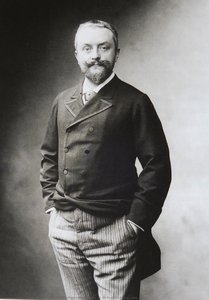
Биография художника
Auguste Salzmann: Bridging Art and Science in the Dawn of Archaeological Photography
Auguste Salzmann (1824–1872) stands as a singular figure in 19th-century art history—a painter who simultaneously championed scientific observation and revolutionized how we perceive and record the past. Born in Paris, France, Salzmann’s artistic inclinations intertwined seamlessly with his fervent passion for archaeology, propelling him to become one of the earliest practitioners of archaeological photography and establishing a lasting legacy as a visual storyteller of antiquity.- Early Life and Artistic Training:
- The Jerusalem Expedition: Pioneering Photographic Documentation
- Salzmann’s Paintings: Landscape Visions Informed by Scientific Curiosity
- Recognition and Legacy: A Founder of Archaeological Imaging
Early Life and Artistic Training
Auguste Salzmann's formative years were steeped in Parisian artistic culture. He received a comprehensive education encompassing drawing, painting, and sculpture—skills that would prove invaluable to his future endeavors. While biographical details remain somewhat sparse, Salzmann’s dedication to mastering the visual arts undoubtedly instilled within him a meticulous eye for detail and an appreciation for capturing nuanced representations of the natural world. This foundational artistic sensibility would later translate into his groundbreaking photographic explorations.The Jerusalem Expedition: Pioneering Photographic Documentation
Salzmann's most celebrated achievement stemmed from his ambitious expedition to Jerusalem in 1856. Recognizing the limitations of traditional sketching and watercolor techniques for accurately portraying the monumental ruins of the Holy Land, Salzmann embraced photography as a transformative tool—a method that allowed him to meticulously document the architectural grandeur and spiritual significance of sites like the Church of the Holy Sepulchre and the Dome of the Rock. His photographic prints, published in “Jerusalem etude et reproduction photographique des monuments de la ville sainte depuis l’époque judaique jusqu’à nos jours,” were unprecedented for their time, offering viewers a visceral glimpse into ancient Jerusalem unlike anything previously achieved. Salzmann's innovative approach fundamentally altered the landscape of archaeological research and cemented his place as a visionary innovator.Salzmann’s Paintings: Landscape Visions Informed by Scientific Curiosity
Beyond his photographic endeavors, Salzmann was also a prolific painter—primarily focused on landscapes imbued with a distinctive blend of Romantic idealism and scientific observation. Influenced by the burgeoning field of geology and botany, Salzmann's canvases depict serene vistas populated by meticulously rendered flora and fauna—a testament to his belief that artistic expression could be enriched by informed understanding of natural phenomena. His paintings aren’t merely aesthetically pleasing; they convey a profound respect for the environment and reflect Salzmann’s conviction that beauty and scientific accuracy could coexist harmoniously.Recognition and Legacy: A Founder of Archaeological Imaging
Auguste Salzmann's pioneering work in archaeological photography garnered considerable acclaim during his lifetime, though he tragically succumbed to tuberculosis at a young age in 1872. Nevertheless, Salzmann’s contribution to the field endured—establishing photographic documentation as an indispensable component of archaeological investigation. Today, his images continue to inspire scholars and artists alike, serving as enduring reminders of the transformative potential of combining artistic vision with scientific rigor. His legacy lives on through reproductions available at ArtsDot.com and collections housed in institutions such as the Musée d’Orsay and the Bibliothèque nationale de France—a testament to Salzmann's indelible mark on both art history and the pursuit of knowledge.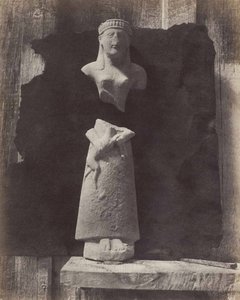
auguste-frédéric salzmann
1824 - 1872 , France
Основные сведения
- Artistic Movement Or Style: Archaeological Photography
- Date Of Birth: Paris, France (1824)
- Full Name: Auguste Frédéric Salzmann
- Nationality: French
- Notable Artworks: ['Jerusalem Forteresse de Sion']
- Place Of Birth: Paris
Похожие статьи
Возвращение фрески: почему настенные росписи становятся новым символом роскоши
Узнайте о возрождении фрески как символа роскоши! Экспертные статьи о технике, дизайне и применении в интерьере отелей. Закажите уникальную фреску с .
Transforming Spaces: A Comprehensive Exploration of Wall Decor Through Art History & Contemporary Practice
Explore the art of transforming spaces with our comprehensive guide to wall decor. From historical movements to contemporary trends, discover how to curate impactful interiors and commission bespoke artwork for a truly personalized aesthetic.
Искусство акцента: масштабирование произведений искусства для создания эффектных интерьеров отелей
Создайте эффектные интерьеры отелей с помощью масштабного искусства! Экспертные советы по выбору, установке и интеграции произведений искусства для незабываемого впечатления гостей. Практические рекомендации и вдохновение.
Urban Visions: A Historical & Artistic Exploration of the Cityscape in Painting
Explore the evolution of cityscape painting from historical maps to Impressionist masterpieces. Discover artists like Caillebotte, Utrillo & Matsumoto Shunsuke. Find museum-quality reproductions at ArtsDot.
Топ-10 знаменитых картин в каменных тонах: искусство и декор от ArtsDot
Откройте для себя 10 знаменитых картин, где камень становится главным героем! Изучите историю искусства, технику живописи и вдохновитесь шедеврами импрессионизма и реализма. Репродукции высокого качества на ArtsDot.com – преобразите интерьер с искусством!