

 Предпросмотр
 Поделиться
 Поделиться
 Детали произведения

 Скачать
 Похожие работы
 Рентгенография
 Слайд-шоу
 Статистика
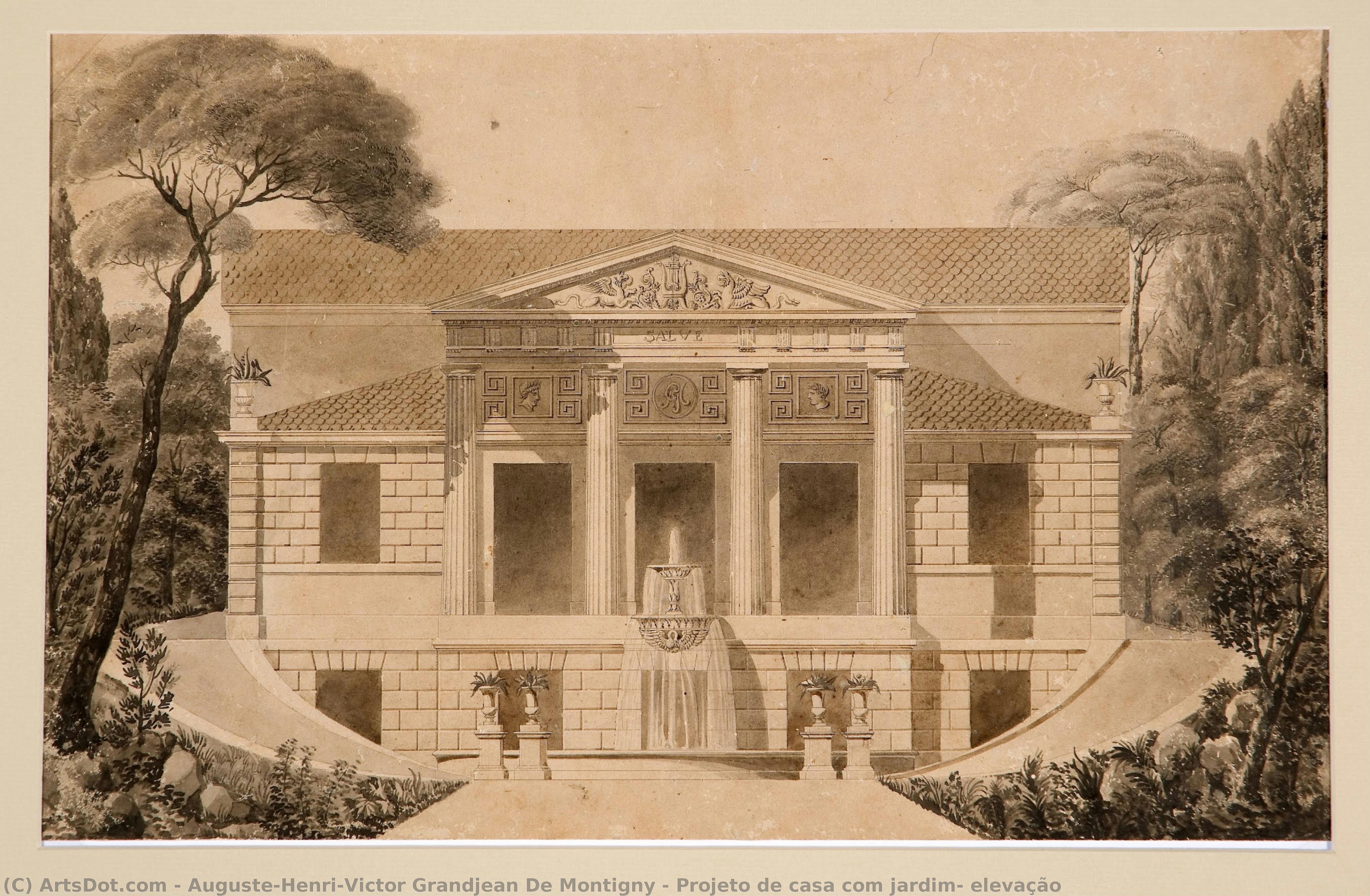
Projeto de casa com jardim: elevação

 Читать далее
Приобретите цифровое изображение высокого разрешения в улучшенном качестве, которое значительно превосходит онлайн-превью.
Каждый файл тщательно подготавливается нашими специалистами с использованием передовых инструментов и экспертной ручной ретуши. Мы гарантируем исключительную четкость, точную цветопередачу и детальную проработку каждого изображения.
Финальный файл доставляется по электронной почте в течение 72 часов и оптимизирован для немедленного использования в профессиональной среде, при верстке и печати. Это тот же уровень качества, которому доверяют ведущие дизайнерские студии, издательства и галереи.
Цифровое изображение
Скачайте файл высокого разрешения для личного использования, печати и творческих проектов. ( Перейти к печати Купить картину ручной работы)
Включено в каждый заказ цифровых изображений
Гарантия экспертной цифровой доставки
Выбирая ArtsDot.com, вы получаете не просто изображение — вы приобретаете профессионально обработанное цифровое произведение искусства, созданное с безупречной точностью и под защитой гарантии качества. Вот всё, что автоматически входит в ваш заказ:

Мгновенная доставка по e-mail
Ваш цифровой файл в высоком разрешении будет отправлен вам по электронной почте в течение 72 часов после оформления заказа — и сразу станет доступен для использования.

Цифровой файл с ИИ-улучшением
Ваше произведение искусства проходит профессиональную оптимизацию с использованием передовых инструментов ИИ и ручной обработки, что гарантирует максимальную детализацию, четкость и точность цветопередачи.

Бессрочная бесплатная повторная доставка
Случайно удалили или потеряли файл? Не беспокойтесь — мы отправим его вам повторно в любое время и совершенно бесплатно.

Без импортных пошлин — навсегда
Наслаждайтесь вашим произведением искусства мгновенно без таможенных пошлин, сборов или затрат на доставку — цифровые загрузки всегда не облагаются налогом.

Гарантия точности цветопередачи
Мы гарантируем, что ваше цифровое изображение максимально точно передает оригинальные цвета благодаря использованию профессиональных инструментов и систем управления цветом.

Гарантия удовлетворенности 100 дней
Если вы не будете удовлетворены своим цифровым изображением, мы внесем правки или вернем 100% стоимости в течение 100 дней — без лишних вопросов.

100% Гарантия возврата средств
Не удовлетворены покупкой? Получите полный возврат средств в течение 100 дней после получения цифрового файла — без лишних вопросов.

Скидки на оптовые заказы
Купите 3 изображения, сэкономьте 10% — Купите 5, сэкономьте 15% — Купите 10+, сэкономьте 20%. Отличное решение для творческих проектов, галерей и агентств.
Похожие произведения









Биография художника
The Architect of a New World: The Legacy of Grandjean de Montigny
In the grand tapestry of nineteenth-century architectural history, few figures possess a legacy as geographically transformative as Auguste Henri Victor Grandjean de Montigny. Born in Paris in 1776, amidst the intellectual ferment of the Enlightenment, Grandjean was a child of the French classical tradition. His early years were defined by rigorous academic discipline at the prestigious École des Beaux-Arts, where he studied under the masters Charles Percier and Pierre-François-Léonard Fontaine. This lineage of Neoclassicism—a style rooted in the symmetry, order, and grandeur of antiquity—would become the very language through which he would eventually reshape the urban identity of a continent.
His ascent within the European architectural hierarchy was marked by early brilliance, notably winning the Prix de Rome in 1799. This prestigious accolade granted him access to the profound classical heritage of Italy, where he worked on the preparation of the Villa Medici. His talent even caught the eye of royalty; during his tenure in Europe, he served as the architect to Jérôme Bonaparte, King of Westphalia, contributing to the splendor of the Bellevue Palace. Yet, destiny beckoned him far from the established courts of Europe toward the burgeoning landscapes of South America.
A Mission of Artistic Renewal in Brazil
The year 1816 marked a seismic shift in Grandjean’s life and the history of Brazilian architecture. Invited to Brazil by King John VI of Portugal, he arrived as a vital component of the French Artistic Mission. This group of exiled intellectuals and artists sought to elevate the cultural prestige of the Portuguese colony, transforming Rio de Janeiro from a colonial outpost into a sophisticated metropolitan center. Grandjean did not merely arrive as a builder, but as a visionary tasked with introducing a new aesthetic vocabulary to the tropics.
As the primary architect and the sole professor of architecture at the newly established Academy of Fine Arts, his influence was both structural and pedagogical. He breathed life into the concept of urban renewal, moving beyond individual monuments to consider the harmony of the cityscape itself. His work was characterized by an eclectic classical style that sought to marry European monumentalism with the specific needs and context of Brazil. Through his designs, the rigid lines of Neoclassicism provided a sense of permanence and civic order to a rapidly evolving society.
Monuments of Stone and Spirit
The physical manifestations of Grandjean’s genius remain etched into the urban fabric of Brazil, serving as enduring witnesses to his mastery. His most profound contribution was undoubtedly the design for the Academy of Fine Arts in Rio de Janeiro. This structure, embodying the principles of symmetry and classical proportion, became a sanctuary for the arts and a symbol of intellectual progress. Beyond the Academy, his hand can be seen in the creation of the Roman Arch and various urban interventions such as the Praça do Comércio, which sought to organize the chaos of colonial streets into dignified public spaces.
To understand the depth of his impact, one must look at the elements that defined his architectural language:
- Classical Rigor: The use of Corinthian columns and symmetrical facades to evoke the timelessness of Roman temples.
- Urban Vision: A commitment to wide boulevards and harmonious ensembles that prioritized civic pride and movement.
- Cultural Synthesis: The ability to translate European Neoclassical ideals into a format that could flourish within the Brazilian landscape.
Grandjean de Montigny passed away in 1850, but his departure did not signal the end of his influence. He had successfully planted the seeds of a new architectural era. By bridging the gap between the refined traditions of Paris and the ambitious spirit of Brazil, he ensured that the language of Neoclassicism would become a foundational element of Brazilian national identity, leaving behind a legacy of stone, order, and enduring beauty.
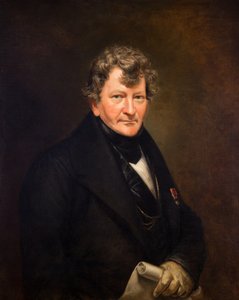
auguste-henri-victor grandjean de montigny
1776 - 1850 , France
Основные сведения
- Artistic Movement Or Style: Neoclassical
- Artists Or Movements Influenced By This Artist: ['Classical architecture']
- Artists Who Influenced This Artist: ['Jacques-Nicolas Dubois']
- Date Of Birth: July 15, 1776
- Date Of Death: March 2, 1850
- Full Name: Auguste Henri Victor Grandjean de Montigny
- Nationality: French
- Notable Artworks:
- Academy of Fine Arts
- Urban planning Brazil
- Place Of Birth: Paris, France