

 Предпросмотр
 Поделиться
 Поделиться
 Детали произведения

 Скачать
 Похожие работы
 Рентгенография
 Слайд-шоу
 Статистика
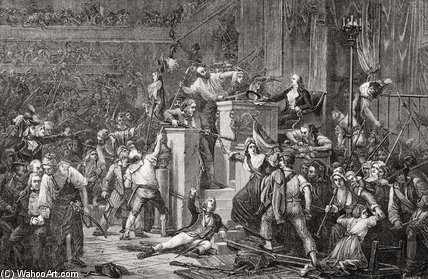
The Head Of Feraud At The Tribunal, 20 May


 Читать далее
Приобретите цифровое изображение высокого разрешения в улучшенном качестве, которое значительно превосходит онлайн-превью.
Каждый файл тщательно подготавливается нашими специалистами с использованием передовых инструментов и экспертной ручной ретуши. Мы гарантируем исключительную четкость, точную цветопередачу и детальную проработку каждого изображения.
Финальный файл доставляется по электронной почте в течение 72 часов и оптимизирован для немедленного использования в профессиональной среде, при верстке и печати. Это тот же уровень качества, которому доверяют ведущие дизайнерские студии, издательства и галереи.
Цифровое изображение
Скачайте файл высокого разрешения для личного использования, печати и творческих проектов. ( Перейти к печати Купить картину ручной работы)
Включено в каждый заказ цифровых изображений
Гарантия экспертной цифровой доставки
Выбирая ArtsDot.com, вы получаете не просто изображение — вы приобретаете профессионально обработанное цифровое произведение искусства, созданное с безупречной точностью и под защитой гарантии качества. Вот всё, что автоматически входит в ваш заказ:

Мгновенная доставка по e-mail
Ваш цифровой файл в высоком разрешении будет отправлен вам по электронной почте в течение 72 часов после оформления заказа — и сразу станет доступен для использования.

Цифровой файл с ИИ-улучшением
Ваше произведение искусства проходит профессиональную оптимизацию с использованием передовых инструментов ИИ и ручной обработки, что гарантирует максимальную детализацию, четкость и точность цветопередачи.

Бессрочная бесплатная повторная доставка
Случайно удалили или потеряли файл? Не беспокойтесь — мы отправим его вам повторно в любое время и совершенно бесплатно.

Без импортных пошлин — навсегда
Наслаждайтесь вашим произведением искусства мгновенно без таможенных пошлин, сборов или затрат на доставку — цифровые загрузки всегда не облагаются налогом.

Гарантия точности цветопередачи
Мы гарантируем, что ваше цифровое изображение максимально точно передает оригинальные цвета благодаря использованию профессиональных инструментов и систем управления цветом.

Гарантия удовлетворенности 100 дней
Если вы не будете удовлетворены своим цифровым изображением, мы внесем правки или вернем 100% стоимости в течение 100 дней — без лишних вопросов.

100% Гарантия возврата средств
Не удовлетворены покупкой? Получите полный возврат средств в течение 100 дней после получения цифрового файла — без лишних вопросов.

Скидки на оптовые заказы
Купите 3 изображения, сэкономьте 10% — Купите 5, сэкономьте 15% — Купите 10+, сэкономьте 20%. Отличное решение для творческих проектов, галерей и агентств.
Похожие произведения
Биография художника
A Life Bridging Eras: The Artistic Journey of Auguste Jean Baptiste Vinchon
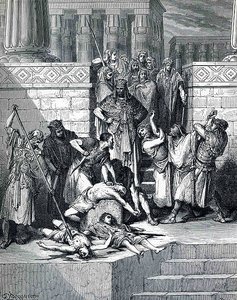
Auguste Jean Baptiste Vinchon, born in Paris in 1789, lived a life deeply interwoven with the shifting currents of French art and politics. His career spanned the grandeur of the Napoleonic era, the delicate restoration of the Bourbon monarchy, and the burgeoning dynamism of the July Monarchy – a testament to his adaptability and enduring talent. Vinchon wasn’t merely a painter; he was a visual chronicler, capturing the spirit of an age in transition through historical scenes, masterful frescoes, and innovative contributions to printmaking. His early artistic training under Gioacchino Giuseppe Serangeli laid a solid foundation in classical techniques, but it was his triumph in the prestigious Prix de Rome competition – securing second place in 1813 and first in 1814 with “The Death of Diagoras” – that truly propelled him onto the path to artistic renown. This victory granted him the invaluable opportunity to study at the French Academy in Rome, a period of immersion in classical art and Italian culture that would profoundly shape his aesthetic sensibilities.Imperial Commissions and the ‘Juste Milieu’
During the First French Empire, Vinchon collaborated with Nicolas Gosse on a significant project for the Louvre Museum. Together they created a series of grayscale scenes drawn from the ancient world, based on plates from “Antichità di Ercolano.” This undertaking showcased his skill in translating complex visual information into accessible and compelling artistic representations, demonstrating an early aptitude for historical subjects. Vinchon’s style began to coalesce around what would become known as the *juste milieu* – a school of art that sought a harmonious balance between the rigorous order of Neoclassicism and the burgeoning emotional expressiveness of Romanticism. He wasn't wholly devoted to either extreme, instead forging a path that embraced classical principles while incorporating elements of narrative storytelling and dramatic flair. This nuanced approach allowed him to appeal to diverse tastes within a rapidly changing society.Frescoes, Honors, and a Lost Masterpiece
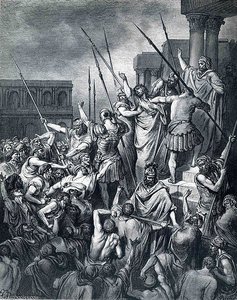
Following his time in Rome, Vinchon continued to receive important commissions that solidified his reputation as a leading artist of the Restoration period. In 1822, he undertook the creation of frescoes for a chapel at the Church of Saint-Sulpice in Paris – a testament to his mastery of large-scale decorative painting and his ability to imbue sacred spaces with visual splendor. Recognition came swiftly; in 1827, he was appointed a Knight of the Legion of Honor, acknowledging his contributions to French art and culture. However, perhaps his most significant achievement arrived after the July Revolution of 1830 when he won a competition to create paintings for the meeting room of the newly formed Chamber of Deputies. His winning submission depicted a pivotal moment from 1795: François Antoine de Boissy d'Anglas bravely confronting a mob, symbolizing resistance against tyranny and sedition. Sadly, this powerful work was lost in the devastating fire of 1871, leaving only descriptions as evidence of its impact. It remains considered one of his most important creations, embodying the spirit of republican ideals.Later Life and Enduring Legacy
In later years, Vinchon’s interests expanded beyond painting to encompass the world of printing. He became head of a leading Parisian printing house, Impr. de Vinchon et C. de Mourgues, demonstrating his entrepreneurial spirit and adaptability. This venture allowed him to further contribute to the dissemination of visual culture, albeit in a different form. He passed away in 1855 at the bathing resort of Ems, leaving behind a legacy that reflects both artistic talent and commercial acumen. His funeral at Père Lachaise Cemetery was marked by tributes from colleagues and friends, underscoring his standing within both the artistic and business communities. Vinchon’s work exemplifies the *juste milieu* movement, skillfully bridging classical ideals with emerging romantic sensibilities. His ability to secure commissions from successive regimes – imperial, royal, and revolutionary – speaks volumes about his adaptability and enduring recognition within French society. His paintings offer a window into a pivotal era of French history, capturing not only the grand narratives but also the subtle nuances of a nation in constant flux.Key Influences & Notable Works
- Influences: Jacques-Louis David, Gioacchino Giuseppe Serangeli, Classical Art and Italian Renaissance.
- Major Works: “The Death of Diagoras,” scenes from "Antichità di Ercolano" for the Louvre, frescoes at Saint-Sulpice, painting depicting Boissy d'Anglas confronting the mob, *Propertius and Cynthia at Tivoli*, *Lake Vietri*.
- Historical Significance: Vinchon’s work embodies the artistic spirit of his time, navigating the transition between Neoclassicism and Romanticism with grace and skill. His contributions to both painting and printmaking cemented his place as a significant figure in 19th-century French art.
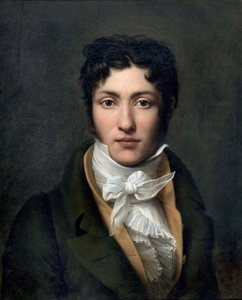
Auguste Jean Baptiste Vinchon
1789 - 1855 , France
Основные сведения
- Artistic Movement Or Style: Juste Milieu
- Artists Who Influenced This Artist:
- Jacques-Louis David
- Gioacchino Serangeli
- Date Of Birth: 1789
- Date Of Death: 1855
- Full Name: Auguste Jean Baptiste Vinchon
- Nationality: French
- Notable Artworks:
- The Death of Diagoras
- Antichità di Ercolano scenes
- Saint-Sulpice frescoes
- Boissy d'Anglas painting
- Place Of Birth: Paris, France