


 Предпросмотр
 Поделиться
 Поделиться
 Детали произведения

 Скачать
 Похожие работы
 Рентгенография
 Слайд-шоу
 Статистика
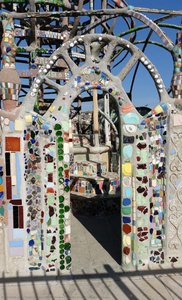
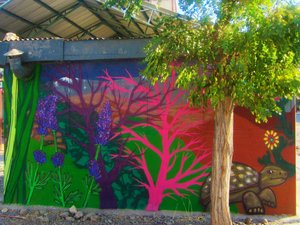
Watts Towers / Nuestro Pueblo (neighborhood art)


 Читать далее
Приобретите цифровое изображение высокого разрешения в улучшенном качестве, которое значительно превосходит онлайн-превью.
Каждый файл тщательно подготавливается нашими специалистами с использованием передовых инструментов и экспертной ручной ретуши. Мы гарантируем исключительную четкость, точную цветопередачу и детальную проработку каждого изображения.
Финальный файл доставляется по электронной почте в течение 72 часов и оптимизирован для немедленного использования в профессиональной среде, при верстке и печати. Это тот же уровень качества, которому доверяют ведущие дизайнерские студии, издательства и галереи.
Цифровое изображение
Скачайте файл высокого разрешения для личного использования, печати и творческих проектов. ( Перейти к печати Купить картину ручной работы)
Включено в каждый заказ цифровых изображений
Гарантия экспертной цифровой доставки
Выбирая ArtsDot.com, вы получаете не просто изображение — вы приобретаете профессионально обработанное цифровое произведение искусства, созданное с безупречной точностью и под защитой гарантии качества. Вот всё, что автоматически входит в ваш заказ:

Мгновенная доставка по e-mail
Ваш цифровой файл в высоком разрешении будет отправлен вам по электронной почте в течение 72 часов после оформления заказа — и сразу станет доступен для использования.

Цифровой файл с ИИ-улучшением
Ваше произведение искусства проходит профессиональную оптимизацию с использованием передовых инструментов ИИ и ручной обработки, что гарантирует максимальную детализацию, четкость и точность цветопередачи.

Бессрочная бесплатная повторная доставка
Случайно удалили или потеряли файл? Не беспокойтесь — мы отправим его вам повторно в любое время и совершенно бесплатно.

Без импортных пошлин — навсегда
Наслаждайтесь вашим произведением искусства мгновенно без таможенных пошлин, сборов или затрат на доставку — цифровые загрузки всегда не облагаются налогом.

Гарантия точности цветопередачи
Мы гарантируем, что ваше цифровое изображение максимально точно передает оригинальные цвета благодаря использованию профессиональных инструментов и систем управления цветом.

Гарантия удовлетворенности 100 дней
Если вы не будете удовлетворены своим цифровым изображением, мы внесем правки или вернем 100% стоимости в течение 100 дней — без лишних вопросов.

100% Гарантия возврата средств
Не удовлетворены покупкой? Получите полный возврат средств в течение 100 дней после получения цифрового файла — без лишних вопросов.

Скидки на оптовые заказы
Купите 3 изображения, сэкономьте 10% — Купите 5, сэкономьте 15% — Купите 10+, сэкономьте 20%. Отличное решение для творческих проектов, галерей и агентств.
Похожие произведения








Биография художника
Robert Delaunay: A Pioneer of Color and Rhythm
Robert Delaunay, born Robert-Victor-Felix Delaunay in Paris on April 12, 1885, stands as a pivotal figure in the evolution of modern art. His journey from theatrical design to groundbreaking abstraction reflects a relentless pursuit of capturing the essence of light, movement, and emotion through color and geometric form. Initially apprenticed to a theatrical designer, Delaunay’s artistic inclinations soon led him to painting, profoundly influenced by the burgeoning movements of Neo-Impressionism and Cubism. This early exposure laid the groundwork for his distinctive style – one characterized by vibrant hues, dynamic rhythms, and an exploration of spatial relationships that would ultimately define his legacy as a founder of Orphism.Early Influences and the Rise of Orphism
Delaunay’s artistic development was inextricably linked to his marriage to Sonia Terk in 1910, who became not only his wife but also his crucial collaborator and fellow artist. Together, they embarked on a radical exploration of color theory, moving beyond the muted palettes of traditional painting. Inspired by Paul Signac's Neo-Impressionism, which emphasized the scientific study of light and color, Delaunay and Sonia developed their own unique approach – Orphism. This movement sought to liberate color from its representational function, using it instead as an independent expressive element. They employed a technique of “simultaneous contrast,” applying pure, unmixed colors side-by-side to create optical effects that intensified the perception of each hue. Their canvases became pulsating fields of vibrant reds, yellows, blues, and greens, arranged in dynamic rhythms reminiscent of musical scores – hence the name "Orphism," referencing the Greek god of music and art.Key Works and Artistic Evolution
Delaunay’s artistic output spanned several decades, evolving alongside his theoretical explorations. Early works like “Saint-Séverin” (1914-15) demonstrate a careful balance between architectural representation and the burgeoning abstraction of color fields. Later, he moved towards increasingly abstract compositions, particularly during the 1930s, creating monumental panels and reliefs that utilized circular discs and rhythmic patterns. These works, often executed with assistants, were intended to evoke a sense of movement and energy, reflecting Delaunay’s fascination with both visual and auditory experiences. Notable pieces from this period include “Endless Rhythm” (1932) and the large-scale panels for the Aeronautics pavilion at the 1937 Paris International Exhibition, which showcased his mastery of color and spatial arrangement. His work during World War II saw him exploring themes of light and spirituality, often incorporating religious imagery within his abstract compositions.Connections to Cubism and Beyond
While Delaunay’s Orphism is often considered a distinct movement, it shares significant connections with Cubism. Like the Cubists, he deconstructed forms into geometric shapes and explored multiple perspectives simultaneously. However, unlike the Cubists' focus on representing objects realistically through fragmented forms, Delaunay prioritized color and rhythm as primary expressive elements. His work also influenced other artists, including Piet Mondrian, who adopted a more austere approach to abstraction based on Delaunay’s principles of pure color and geometric harmony. Furthermore, his exploration of light and its effects resonated with the principles of Simultanism, championed by František Kupka, another key figure in early 20th-century abstract art.Legacy and Historical Significance
Robert Delaunay’s contribution to modern art is undeniable. He not only developed a groundbreaking visual language based on color and rhythm but also challenged conventional notions of representation and artistic expression. His work paved the way for later developments in Abstract Expressionism and Color Field painting, demonstrating the power of color as an independent artistic force. His legacy extends beyond his paintings; he was a passionate theorist who actively promoted his ideas through writings and lectures, shaping the discourse around abstract art. Today, Delaunay’s works are held in major museums worldwide, including the Tate Gallery in London and the Musée d'Art Moderne de la Ville de Paris, solidifying his place as one of the most important figures in the history of 20th-century art. He died in Montpellier on October 25, 1941, leaving behind a vibrant and influential body of work that continues to inspire artists and viewers alike.
augustine aguirre, watts towers arts center
1941 - , United States of America
Основные сведения
- Artistic Movement Or Style:
- Divisionism
- Cubism
- Orphic Cubism
- Simultanism
- Artists Or Movements Influenced By This Artist:
- Klee
- Marc
- Apolinaire
- Artists Who Influenced This Artist:
- Neo-Impressionism
- Cézanne
- Date Of Birth: 1885-04-12
- Date Of Death: 1941-10-25
- Full Name: Robert Delaunay
- Nationality: French
- Notable Artworks:
- Endless Rhythm
- The Eiffel Tower
- City
- Place Of Birth: Paris, France