

 Предпросмотр
 Поделиться
 Поделиться
 Детали произведения

 Скачать
 Похожие работы
 Рентгенография
 Слайд-шоу
 Статистика
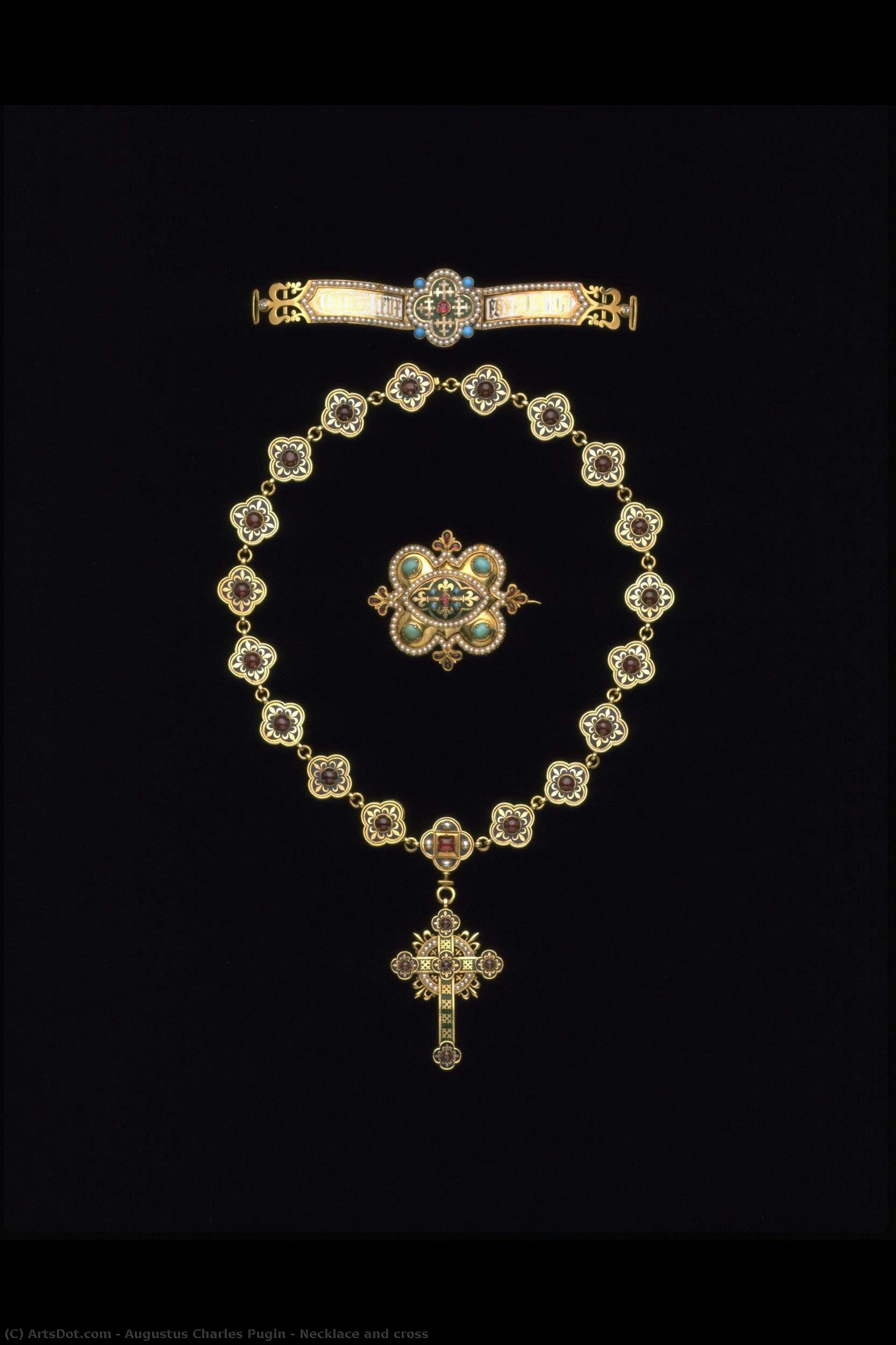
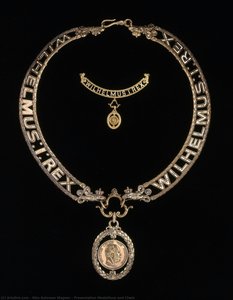
Necklace and cross


 Читать далее
Жикле / Арт-принт
Печать (жикле) или холст музейного качества с быстрыми сроками изготовления и широким выбором вариантов отделки. ( Купить картину ручной работы Перейти к цифровым изображениям)




P118B $10

P118H $10

P118W $10

P438Z $10

P508JH $12

P508YH $12

P805H $10

P805Z $10

P919BZ $10

P919G $10

P919XJ $10

P959ZH $10

P968JZ $12

W106C $8

W218G $10

W218JH $8

W218Y $10

W307PJ $10

W316G $10

W316PJ $8

W316Y $10

W398PJ $8

W4111J $10

W500HY $15

W500JH $15

W692G $12

W849H $8

W940BG $15

W953PJ $8




Выберите один из наших стандартных размеров, соответствующих оригинальным пропорциям произведения искусства.

Вы можете указать свои собственные размеры, чтобы репродукция идеально подошла под конкретную раму или пространство. Если выбранный вами размер не будет соответствовать пропорциям оригинала, мы либо обрежем произведение, либо дополним изображение зеркальным отражением краев или однотонной заливкой. Перед началом производства вам будет отправлен цифровой макет для утверждения.
Пожалуйста, обратите внимание, что предварительный просмотр на экране не отображает фактическую обрезку или расширение изображения. Только макет точно покажет финальную композицию.
Несмотря на возможность заказа индивидуальных размеров, мы рекомендуем выбирать размер из предопределенного списка, чтобы сохранить оригинальные пропорции.
Доставка по всему миру () за 2 недели вместо стандартных 4/5 недель. (11 Сентябрь)

Бесплатная экспресс-доставка по всему миру

Высококачественный льняной холст

Полное страхование доставки

Гарантия возмещения таможенных пошлин

Гарантия точного соответствия цветов

100-дневная политика возврата (только при обнаружении дефектов)

Гарантия возврата 100% средств

Предложение оптовых скидок
 Вариант со стеклом доступен только для размеров менее 110 см

Necklace and cross
Жикле / Арт-принт
Размер репродукции
-


Итоговая стоимость
$ 62
A Victorian Jewel: Unveiling Pugin’s ‘Necklace and Cross’
The image before us presents more than just a collection of gold, enamel, and gemstones; it's a window into the opulent aesthetic sensibilities of 19th-century Britain. Specifically, this exquisite necklace and pendant, crafted by Augustus Charles Pugin around 1843 for Louisa Burton – the second wife of the renowned architect A.W.N. Pugin – embodies the Victorian era’s fascination with Gothic Revival design, a movement that sought to recapture the perceived grandeur and spiritual depth of medieval architecture and art. The stark black background serves not as an absence of color, but rather as a dramatic stage highlighting the necklace's intricate details and vibrant hues, drawing the viewer into its meticulously constructed beauty.
Pugin’s design is deeply rooted in the principles of Gothic Revival, a style he essentially pioneered. The repeating quatrefoil motifs – stylized lozenge shapes – are not merely decorative; they echo the architectural elements found in medieval churches and cathedrals, creating a sense of continuity with the past. Each link of the chain, meticulously crafted from gold, is punctuated by small pearls, adding subtle points of light and texture. The pendant cross, with its own quatrefoil ends, further reinforces this connection to religious symbolism, reflecting Pugin’s devout Catholicism and his belief in the transformative power of art. The use of enamel—a technique involving fusing powdered glass into molten metal—allowed for a dazzling array of colors – deep reds from garnets, blues and greens subtly interwoven throughout the design – creating a richness and depth rarely achieved with purely metallic materials.
Materials, Technique, and Craftsmanship
The construction of this necklace is a testament to Victorian craftsmanship. Each quatrefoil was likely stamped out in two parts, then snapped together—a process that ensured precision and uniformity across the entire chain. The garnets, carefully set within the enamel, catch and reflect light with an almost jewel-like intensity, while the pearls contribute a delicate shimmer. The choice of materials – gold, precious stones, and enamel – speaks to the wealth and status associated with such a lavish piece, intended as a treasured possession for a prominent Victorian lady. The meticulous attention to detail, from the smooth surfaces of the gold to the precisely placed gemstones, demonstrates the skill and dedication of the artisans involved.
Symbolism and Context
Beyond its aesthetic beauty, this necklace is laden with symbolic meaning. The cross itself represents Christian faith and devotion, a central theme in Pugin’s life and work. The quatrefoils, frequently associated with the Virgin Mary, further emphasize this religious connection. Considering that Pugin was designing for Louisa Burton, who later became his third wife after a tumultuous marriage to Helen Lumsdaine, the necklace can be interpreted as a symbol of both personal affection and a deliberate attempt to create a harmonious domestic setting reflecting his artistic vision. The fact that it was intended for display at the Great Exhibition of 1851—an event celebrating British industry and innovation—underscores its significance as a showcase of Victorian artistry and design.
A Legacy of Gothic Revival
This necklace and cross is more than just a beautiful object; it’s a tangible representation of a pivotal moment in architectural history. Pugin's work profoundly influenced the design of numerous buildings, including the iconic Palace of Westminster (Houses of Parliament), where his distinctive Gothic style continues to inspire awe today. Reproductions of this piece offer a unique opportunity to bring a touch of Victorian elegance and spiritual depth into any setting, reminding us of the enduring power of art to evoke emotion, tell stories, and connect us to the past. It stands as a testament to Pugin’s genius—a master craftsman who not only designed buildings but also shaped an entire aesthetic movement.
Похожие произведения
Биография художника
The Architect of Shadows: The Life and Legacy of Augustus Charles Pugin
In the grand tapestry of nineteenth-century design, few threads are as intricate or as influential as those woven by Augustus Charles Pugin. A figure whose work bridged the gap between meticulous scientific observation and the romanticized grandeur of the past, Pugin emerged as a pivotal force in the Gothic Revival movement. Though his name may not always command the immediate recognition of the great masters of oil painting, his impact on the very fabric of British architecture and decorative arts remains profound. Born into an era of rapid industrial transformation, he dedicated his life to capturing the soul of the Gothic style, ensuring that the elegance of medieval craftsmanship was not lost to the encroaching shadows of modernity.
Pugin’s journey was one defined by a deep, scholarly devotion to the structural and ornamental nuances of history. As a French-born British artist, draughtsman, and writer, he possessed a unique dual perspective—the precision of a continental trained eye paired with an intense passion for the English architectural heritage. His early mastery of the draughtsman’s craft allowed him to document the complexities of stone, wood, and glass with an accuracy that was both artistic and educational. Through his detailed illustrations, he did more than merely record buildings; he breathed life into their forgotten details, inviting a new generation to rediscover the spiritual and aesthetic power of the Gothic form.
A Visionary of the Gothic Revival
The true significance of Pugin’s contribution lies in his ability to translate historical motifs into a functional language for contemporary design. He was not merely a nostalgic observer but a visionary who understood that for an architectural style to survive, it must be documented, studied, and then re-applied to the living world. His seminal work, Specimens of Gothic Architecture, serves as a testament to this dedication. In these pages, his pen traced the delicate tracery of windows, the strength of pointed arches, and the intricate patterns of medieval ornamentation, providing a blueprint for the architects who would follow in his footsteps.
His influence extended far beyond the printed page, permeating the realms of:
- Architectural Illustration: Creating highly detailed records that served as essential references for the reconstruction and preservation of historic structures.
- Decorative Arts: Designing patterns and motifs that could be integrated into everything from furniture to metalwork, ensuring a cohesive Gothic aesthetic across various media.
- Design Theory: Promoting the idea that beauty in design is inextricably linked to structural honesty and historical continuity.
Through his tireless work as a designer and writer, Pugin helped shape the visual identity of an era. His ability to blend the technical rigor of a draughtsman with the poetic sensibility of an artist allowed him to influence not just the way buildings looked, but the way people perceived the relationship between history, art, and the built environment. He remains a cornerstone figure for anyone seeking to understand the resurgence of medievalism in the nineteenth century, leaving behind a legacy of intricate beauty that continues to inspire awe and reverence.
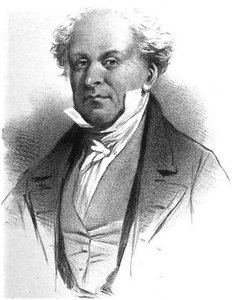
augustus charles pugin
1812 - 1852 , France
Основные сведения
- Artistic Movement Or Style: Literary nonsense; Illustration
- Artists Or Movements Influenced By This Artist:
- Lewis Carroll
- Victorian Illustration
- Artists Who Influenced This Artist:
- William Blake
- John Tenniel
- Date Of Birth: May 12, 1812
- Date Of Death: January 29, 1888
- Full Name: Edward Lear
- Nationality: English
- Notable Artworks:
- The Fortress of San George
- Limner's Book of Nonsense
- Place Of Birth: England
Похожие статьи
Beyond Borders: The Spiritual & Stylistic Innovations of International Gothic Art
Explore the exquisite beauty & spiritual depth of International Gothic art. Discover key artists like Simone Martini & Pol de Limbourg, its origins, symbolism, and lasting influence on European painting. Expert insights at ArtsDot.
The Refined Aesthetic of Victorian Illustration: A Study in Narrative & Technique
Explore the captivating world of Victorian illustration! Discover Pre-Raphaelite influences, key artists like Rossetti & Stephens, and the era's rich narrative detail. A deep dive for art enthusiasts.

The Radiant Dusk of Medieval Vision: Exploring Late Gothic Art's Synthesis of Faith, Form & Emotionality (c. 1300-1500)
Explore the exquisite beauty & spiritual depth of Late Gothic art (c. 1300-1500). Discover key artists, symbolism, and its lasting influence on the Renaissance. Expert insights at ArtsDot.
The Shadow of Faith: Exploring Gothic Art's Spiritual Intensity & Architectural Innovation
Explore the spiritual intensity & architectural innovation of Gothic art! Discover the symbolism behind cathedrals, stained glass & master artists like Giotto and Monet. A deep dive into medieval history & artistic expression.
25 Шедевров Данте Габриэля Россетти: Искусство, Символизм и Декор для Вашего Дома
Погрузитесь в мир Данте Габриэля Россетти! 25 шедевров прерафаэлитов, полных символизма и страсти. Узнайте истории создания культовых картин и найдите идеальный декор для вашего дома на ArtsDot.com – музейное качество, вдохновение и искусство онлайн.