 Поделиться
 Поделиться
 Детали произведения

 Скачать
 Похожие работы
 Слайд-шоу
 Статистика
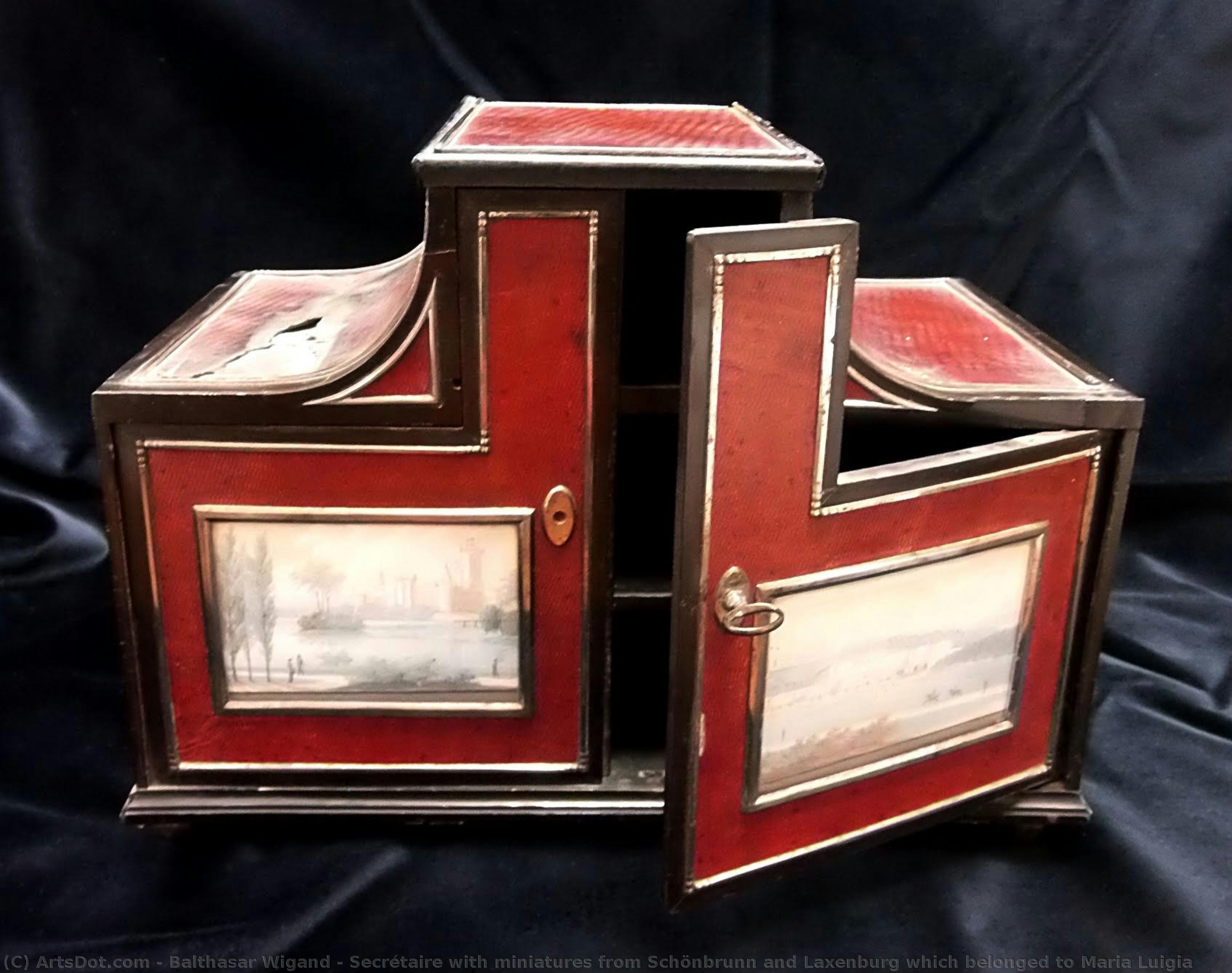
Secrétaire with miniatures from Schönbrunn and Laxenburg which belonged to Maria Luigia


 Читать далее
Масляная репродукция ручной работы
Картина маслом на холсте в выбранном вами размере и раме, написанная на заказ нашими художниками. ( Перейти к печати Перейти к цифровым изображениям)




































Выберите один из наших стандартных размеров, соответствующих оригинальным пропорциям произведения искусства.

Вы можете указать собственные размеры, чтобы картина идеально вписалась в выбранную раму или пространство. Если выбранный вами размер не соответствует пропорциям оригинала, мы либо обрежем полотно, либо расширим его за счет дополнительных элементов, написанных вручную. Цифровой макет будет отправлен вам на утверждение перед началом производства.
Обратите внимание, что предварительный просмотр на экране не отражает фактическую обрезку или расширение. Только макет точно покажет окончательную композицию.
Хотя доступны индивидуальные размеры, мы рекомендуем выбирать вариант из предопределенного списка, чтобы сохранить исходные пропорции.
После оформления заказа команда ArtsDot.com свяжется с клиентом по электронной почте для уточнения деталей и предоставит предварительный макет
Доставка по всему миру () за 3–4 недели вместо стандартных 5 недель. (13 Сентябрь). Без компромиссов в качестве.

Бесплатная экспресс-доставка по всему миру

Высококачественный льняной холст

Полное страхование доставки

Гарантия возмещения таможенных пошлин

Гарантия точного соответствия цветов

100-дневная политика возврата (только при обнаружении дефектов)

Гарантия возврата 100% средств

Предложение оптовых скидок
 Вариант со стеклом доступен только для размеров менее 110 см

Secrétaire with miniatures from Schönbrunn and Laxenburg which belonged to Maria Luigia
Техника репродукции
Размер репродукции
-


Итоговая стоимость
$ 263
A Treasury of Memories: The Empress's Secret Cabinet
In the quiet corners of history, certain objects serve as more than mere furniture; they act as vessels for memory and portals to a bygone era. The Secrétaire with miniatures from Schönbrunn and Laxenburg is precisely such an object. This exquisite red wooden cabinet, once belonging to the hands of Maria Luigia, transcends its functional purpose to become a curated sanctuary of visual storytelling. At first glance, the deep, resonant crimson of the wood commands attention, but it is the intricate design—crowned by a symbolic cross—that invites the viewer into a more intimate dialogue with the past. The cabinet does not merely hold items; it preserves a narrative of movement, travel, and the romanticized landscapes of the Austrian Empire.
< Reserving the soul of the piece within its doors, the secretary reveals a delicate arrangement of miniatures that transform the interior into a miniature gallery. Each small painting or photograph acts as a window into a specific moment in time. To the left, a serene boat scene captures the gentle rhythm of water and wind; in the center, the emergence of the train scene speaks to the dawn of a new industrial age and the changing pace of human connection; and to the right, a horse-drawn carriage evokes the elegance of traditional travel. Together, these vignettes create a rhythmic progression of transportation, reflecting a world in transition between the classical grace of the past and the mechanical momentum of the future.Craftsmanship and the Art of Miniature Detail
The artistry of this piece lies in the seamless marriage of fine woodworking and the meticulous precision of miniature painting. The cabinet's structure provides a bold, architectural frame for the delicate scenes contained within, creating a striking contrast between the heavy, protective exterior and the fragile, luminous world inside. For collectors and lovers of fine decor, this work represents the pinnacle of 19th-century decorative arts, where every hinge, door, and miniature was designed to evoke wonder. The technique required to present such diverse scenes—ranging from maritime tranquility to the kinetic energy of a locomotive—within such a confined space demands an extraordinary level of compositional skill.
For the discerning interior designer or art enthusiast, incorporating a reproduction of this secretary offers a profound opportunity to introduce a sense of historical depth and narrative complexity into a modern space. It is not merely a decorative element but a conversation starter that brings the regal atmosphere of Schönbrunn and Laxenburg into the contemporary home. The emotional impact of the piece is one of nostalgia and discovery; it encourages the viewer to slow down, to peer closely, and to rediscover the magic found in the smallest of details. Owning such a piece is an invitation to curate one's own history, surrounded by the enduring beauty of imperial craftsmanship.
Похожие произведения

Биография художника
John Henning: The Sculptor of Miniature Wonders
John Henning (1771–1851) wasn’t a name etched in the annals of grand historical sculpture, yet his legacy resides in an astonishing feat of artistic dedication and meticulous detail. Born in Paisley, Scotland, into a family rooted in carpentry, Henning’s journey from craftsman to miniature master is a testament to his singular vision and unwavering commitment. He didn't seek fame through monumental works; instead, he dedicated twelve years to painstakingly recreating the iconic Parthenon and Bassae friezes – colossal marble panels depicting scenes of ancient Greek life – on a scale that defied belief: tiny replicas just two inches high yet stretching over twenty-four feet in length. This remarkable achievement offers a unique window into the artistic sensibilities of early 19th-century Britain, revealing a fascination with classical antiquity and a burgeoning interest in accurate reproduction.
Henning’s early life provided a solid foundation for his future endeavors. Trained by his father, he initially honed his skills as a carpenter, developing an appreciation for the properties of wood and its potential for intricate detail. It was through portraiture that he truly discovered his artistic voice, creating cameos of friends and family that showcased his burgeoning talent for capturing likenesses with remarkable precision. This early success paved the way for him to pursue more ambitious projects, ultimately leading him to the monumental task of replicating the ancient friezes.
The Inspiration: Elgin’s Marbles and a Royal Patron
The catalyst for Henning's extraordinary undertaking was his encounter with the newly arrived Parthenon marbles in Burlington House. Witnessing these fragments of classical history, he became captivated by their beauty and complexity. Crucially, he secured permission from Lord Elgin to study and draw them, an opportunity that proved invaluable. It was during this period that Henning conceived the idea of using his drawings as a basis for creating slate molds – miniature versions capable of producing remarkably detailed replicas. This innovative approach, combined with the patronage of Princess Charlotte, provided him with the resources and encouragement he needed to embark on his ambitious project.
The Princess’s interest in Henning's work stemmed from her own fascination with classical art and literature. She commissioned a medallion portrait of the sculptor himself, an event that not only boosted his confidence but also exposed him to a wider circle of influential figures. This royal connection undoubtedly played a significant role in securing funding and recognition for his extraordinary endeavor.
The Process: A Labor of Love
Henning’s process was nothing short of obsessive. He meticulously studied the original friezes, painstakingly recreating every detail – from the folds of drapery to the expressions on the faces of the figures. He utilized a complex system of slate molds, each requiring countless iterations and adjustments to achieve the desired level of accuracy. The sheer scale of the project demanded immense patience and unwavering dedication; it was a labor of love that consumed his life for twelve years. His work wasn’t simply copying; he aimed to recreate the essence of the originals, capturing their spirit and grandeur in miniature.
Interestingly, Henning didn't attempt to copyright his creations, recognizing the impossibility of protecting the work of long-dead artists. This reflects a broader attitude towards artistic ownership during that era, where inspiration and imitation were often seen as integral parts of the creative process. The Bassae frieze, added later to the project, further extended this period of intense dedication.
Legacy and Significance
John Henning’s miniature replicas of the Parthenon and Bassae friezes represent a remarkable achievement in the history of art reproduction. They demonstrate not only his exceptional technical skill but also his deep appreciation for classical antiquity. His work influenced subsequent generations of artists and craftsmen, contributing to the development of techniques for accurate reproduction and inspiring a renewed interest in ancient Greek culture. While he may not be as widely celebrated as some of his contemporaries, Henning’s legacy endures through these exquisite miniature masterpieces – tangible testaments to his dedication, ingenuity, and profound respect for the past.
Today, fragments of these remarkable creations can be viewed at the Musée du Louvre in Paris. They stand as a poignant reminder of a solitary artist who dedicated his life to capturing the beauty and grandeur of ancient Greece on a scale that defied imagination.
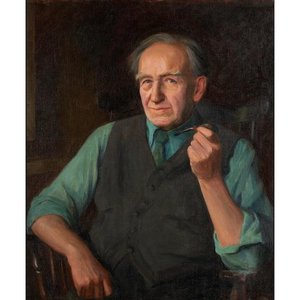
balthasar wigand
1771 - 1846 , Austria
Основные сведения
- Artistic Movement Or Style: Sculpture, Miniatures
- Artists Who Influenced This Artist: ['None],\n "Artists or movements influenced by this artist": [None']
- Date Of Birth: 1771
- Date Of Death: 1851
- Full Name: John Henning
- Nationality: Scottish
- Notable Artworks:
- Parthenon frieze
- Bassae frieze
- Place Of Birth: Paisley, Scotland
Похожие статьи
Топ-10 шедевров искусства о лодках: история, художники и декор для дома
Откройте для себя 10 величайших шедевров искусства о лодках! Узнайте истории Ван Гога, Моне и других художников. Репродукции картин высокого качества для вашего интерьера на ArtsDot.com.
Navigating Symbolism & Sentiment: A Comprehensive Exploration of Boats in Art History
Explore the rich history of boats in art! Discover symbolism & style from ancient myths to Impressionist masterpieces. Expert insights for collectors at ArtsDot.

Crimson Threads of Narrative: Exploring Symbolism & Representation in Artworks Featuring the Red Dress
Explore the rich symbolism of the red dress in art history! From ancient power displays to iconic portraits like Cézanne’s 'Madame Cezanne', discover the cultural and artistic significance behind this captivating color. Expert analysis & insights.

Марк Ротко: 25 шедевров абстрактного экспрессионизма для вашего интерьера | ArtsDot
Погрузитесь в мир Марка Ротко! 25 шедевров абстрактного экспрессионизма, полных эмоций и цвета. Узнайте историю создания культовых картин и найдите идеальную репродукцию для вашего интерьера на ArtsDot.com.
Топ-25 шедевров Анри Матисса: Цвет и форма в интерьере с ArtsDot
Погрузитесь в мир Анри Матисса! 25 шедевров фовизма, ярких красок и новаторских техник. Узнайте историю создания культовых картин художника и вдохновитесь для интерьера с ArtsDot.com – музейное качество репродукций.