

 Поделиться
 Поделиться
 Детали произведения

 Скачать
 Похожие работы
 Слайд-шоу
 Статистика
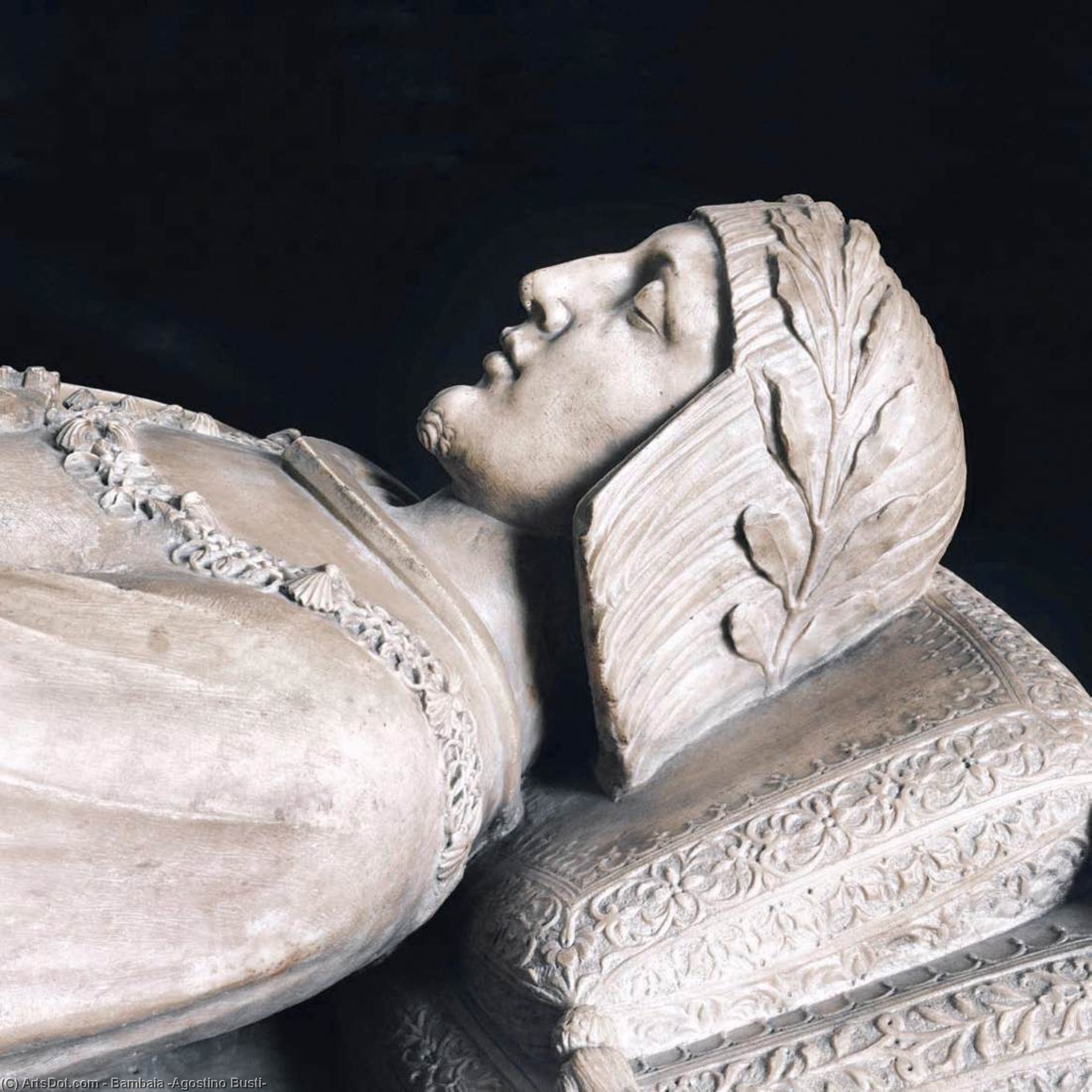
Effigy of Gaston de Foix (detail)


 Читать далее
Жикле / Арт-принт
Печать (жикле) или холст музейного качества с быстрыми сроками изготовления и широким выбором вариантов отделки. ( Купить картину ручной работы Перейти к цифровым изображениям)




































Выберите один из наших стандартных размеров, соответствующих оригинальным пропорциям произведения искусства.

Вы можете указать свои собственные размеры, чтобы репродукция идеально подошла под конкретную раму или пространство. Если выбранный вами размер не будет соответствовать пропорциям оригинала, мы либо обрежем произведение, либо дополним изображение зеркальным отражением краев или однотонной заливкой. Перед началом производства вам будет отправлен цифровой макет для утверждения.
Пожалуйста, обратите внимание, что предварительный просмотр на экране не отображает фактическую обрезку или расширение изображения. Только макет точно покажет финальную композицию.
Несмотря на возможность заказа индивидуальных размеров, мы рекомендуем выбирать размер из предопределенного списка, чтобы сохранить оригинальные пропорции.
Доставка по всему миру () за 2 недели вместо стандартных 4/5 недель. (13 Сентябрь)

Бесплатная экспресс-доставка по всему миру

Высококачественный льняной холст

Полное страхование доставки

Гарантия возмещения таможенных пошлин

Гарантия точного соответствия цветов

100-дневная политика возврата (только при обнаружении дефектов)

Гарантия возврата 100% средств

Предложение оптовых скидок
 Вариант со стеклом доступен только для размеров менее 110 см

Effigy of Gaston de Foix (detail)
Жикле / Арт-принт
Размер репродукции
-


Итоговая стоимость
$ 62
Effigy of Gaston de Foix (detail) – A Renaissance Reverie
- This exquisite detail captures a poignant moment in history through the masterful sculpting of Agostino Busti, known as Bambaia. Executed in 1515, this marble effigy represents Gaston de Foix, a figure steeped in symbolism and rendered with the meticulous realism characteristic of the High Renaissance. The photograph itself offers a compelling glimpse into the sculpture’s surface – a study in subtle gradations of white and grey, meticulously carved to evoke the smooth, cool texture of polished marble.
- Bambaia's skill is immediately apparent in the rendering of the figure’s anatomy, reflecting his training under Giovanni Battista Falcone. The pose, with the head resting peacefully on a closed hand, suggests either slumber or death – themes frequently explored in Renaissance art as meditations on mortality and the afterlife. The delicate folds of the bedding beneath the figure are rendered with remarkable precision, adding to the overall sense of quiet contemplation.
A Master’s Technique: Subtractive Sculpture
- Bambaia's technique exemplifies the subtractive process inherent in marble carving. Starting with a solid block of stone, he painstakingly removed material – chip by chip – to reveal the form within. This demanding craft required not only technical skill but also an acute understanding of anatomy and perspective. The shallow depth of field in the photograph emphasizes this three-dimensional quality, inviting the viewer to appreciate the sculptor’s dedication to capturing the nuances of human form.
- The use of line is integral to the sculpture's design; it defines every contour – from the delicate curve of the face and neck to the intricate patterns within the crown. The geometric elements within the foliage, a recurring motif in Renaissance art, likely symbolize victory or divine authority, further enriching the effigy’s symbolic meaning.
Historical Context & Symbolism
- Created during the early 16th century, this effigy reflects the artistic and intellectual currents of the Italian Renaissance. Bambaia's work aligns with the humanist movement, which emphasized human potential and celebrated classical ideals. The inclusion of a crown adorned with foliage speaks to the importance of heraldry and lineage in the era – Gaston de Foix was a prominent figure within the French nobility.
- The closed eyes evoke powerful themes of rest, death, and eternal sleep, common subjects in Renaissance art that sought to explore the human condition. The overall composition suggests a deliberate attempt to create a timeless portrait, one that transcends its specific historical context and speaks to universal concerns about mortality and legacy.
Emotional Impact & Artistic Significance
- This detailed reproduction offers more than just an image; it provides a window into the artistic sensibilities of a master sculptor. The serene expression, the smooth texture of the marble, and the subtle play of light and shadow combine to create a powerfully evocative piece. It’s a testament to Bambaia's skill and vision – a work that continues to resonate with viewers centuries later.
- Whether displayed in a private collection or incorporated into an interior design scheme, this effigy offers a touch of timeless elegance and historical significance. Its classical style and meticulous craftsmanship make it a valuable addition to any discerning art lover’s portfolio.
Похожие произведения

Биография художника
Agostino Busti (1483 – 1548): Sculptor of Milanese Splendor
Agostino Busti, often referred to as Bambaia, stands as a pivotal figure in the artistic landscape of Renaissance Lombardy. Born around 1483 in Busto Arsizio, nestled within Northern Italy, he emerged from humble beginnings to become arguably the most celebrated sculptor of his era – a testament to talent nurtured by circumstance and propelled forward by unwavering dedication. While biographical details remain somewhat sparse compared to contemporaries like Michelangelo or Leonardo da Vinci, surviving documentation paints a portrait of an artist deeply rooted in Milanese civic pride and profoundly impacted by humanist ideals circulating throughout Europe.- Early Life & Training: Busti’s formative years were spent honing his craft under the tutelage of Giovanni Battista Falcone, a prominent sculptor whose workshop served as a crucible for artistic innovation. This mentorship instilled in Busti a mastery of marble carving and a sensitivity to classical forms – influences that would permeate his subsequent oeuvre.
- Milanese Patronage & Artistic Flourishing: Busti’s career ascended rapidly thanks to the patronage of influential Milanese families, notably Ludovico Sforza. During Sforza's reign, Busti achieved unparalleled renown for executing monumental sculptures and architectural embellishments that solidified Milan’s reputation as a cultural powerhouse.
Sculptural Achievements: Epitaphs & Monumental Sculpture
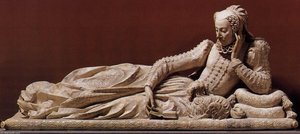
Busti’s fame rests primarily on his extraordinary funerary effigies – intricately sculpted portraits commemorating deceased dignitaries and nobility. These works exemplify the humanist preoccupation with capturing the essence of human individuality, skillfully conveying emotion and psychological depth through nuanced anatomical detail and expressive drapery. Perhaps his most enduring legacy resides in the magnificent tomb of Gaston de Foix, Count Palatine of Toulouse—a collaborative effort with Giovanni Battista Falcone—which remains a breathtaking exemplar of Renaissance sculptural technique and artistic ambition. The effigy itself is considered one of the finest representations of human anatomy achieved during the period.Religious Frescoes: A Synthesis of Style
Beyond monumental sculpture, Busti demonstrated considerable versatility as a painter, producing frescoes that showcased his stylistic prowess. His contribution to San Gimignano’s Collegiata exemplifies the Florentine Renaissance's influence on Lombard art—characterized by vibrant color palettes and dynamic compositions infused with classical ideals. The frescoes depict scenes from biblical narratives with remarkable clarity and emotional resonance, reflecting Busti’s commitment to conveying spiritual truths through artistic excellence.Influence & Legacy
Busti's sculptural innovations profoundly impacted subsequent generations of artists in Lombardy and beyond. His meticulous attention to anatomical accuracy and his masterful manipulation of marble—particularly the use of veining and polishing techniques—established new standards for sculptural realism. Furthermore, Busti’s humanist sensibilities resonated with the broader intellectual currents of his time, shaping artistic representations of human experience and elevating sculpture as a medium for conveying profound psychological insight. Although he died in 1548, Agostino Busti's influence continues to inspire artists today—a testament to his enduring contribution to the history of art.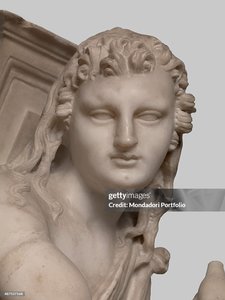
bambaia (agostino busti)
1483 - 1548 , Italy
Основные сведения
- Artistic Movement Or Style: Renaissance Painting
- Artists Or Movements Influenced By This Artist: ['Early Renaissance']
- Artists Who Influenced This Artist: ['Leonardo da Vinci']
- Date Of Birth: c. 1483
- Date Of Death: 1548
- Full Name: Agostino Busti
- Nationality: Italian
- Notable Artworks:
- The Flagellation of Christ
- St Catherine of Alexandria
- Effigy of Gaston de Foix
- Place Of Birth: Milan, Italy
Похожие статьи

10 легендарных бронзовых скульптур, изменивших искусство навсегда | ArtsDot
Погрузитесь в мир великих бронзовых скульптур! От Давида Микеланджело до работ Родена – история искусства, техники и вдохновения. Купите репродукции шедевров для вашего интерьера на ArtsDot.com

Топ-25 шедевров Гойи: от придворного портрета до мрачных пророчеств | ArtsDot
Погрузитесь в мир гения Франсиско Гойи! 🎨 От придворных портретов до мрачных "Капричос" – исследуйте топ-25 шедевров испанского романтизма. Купите репродукции картин Гойи музейного качества на ArtsDot.com и украсьте свой интерьер искусством.

The Enduring Form: Sculpture Across History, Technique & Emotional Resonance
Explore the rich history of sculpture with ArtsDot. Discover key techniques, influential artists & investment potential for discerning collectors. Expert insights into valuing and collecting timeless masterpieces.
The Enduring Allure of Marble in Art History: From Classical Sculpture to Modern Abstraction
Explore the captivating history of marble sculpture from ancient Greece to modern art. Discover renowned artists like Canova & Michelangelo, carving techniques, and investment insights at ArtsDot.

The Enduring Form: Exploring Themes & Techniques in Sculpture Across Historical Periods
Explore the rich history of sculpture from ancient masterpieces to contemporary innovations. Discover key techniques, influential artists & investment potential for discerning art collectors.