 Поделиться
 Поделиться
 Детали произведения

 Скачать
 Похожие работы
 Слайд-шоу
 Статистика
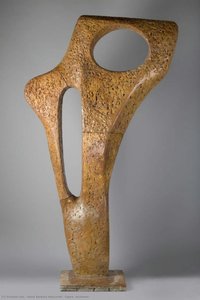
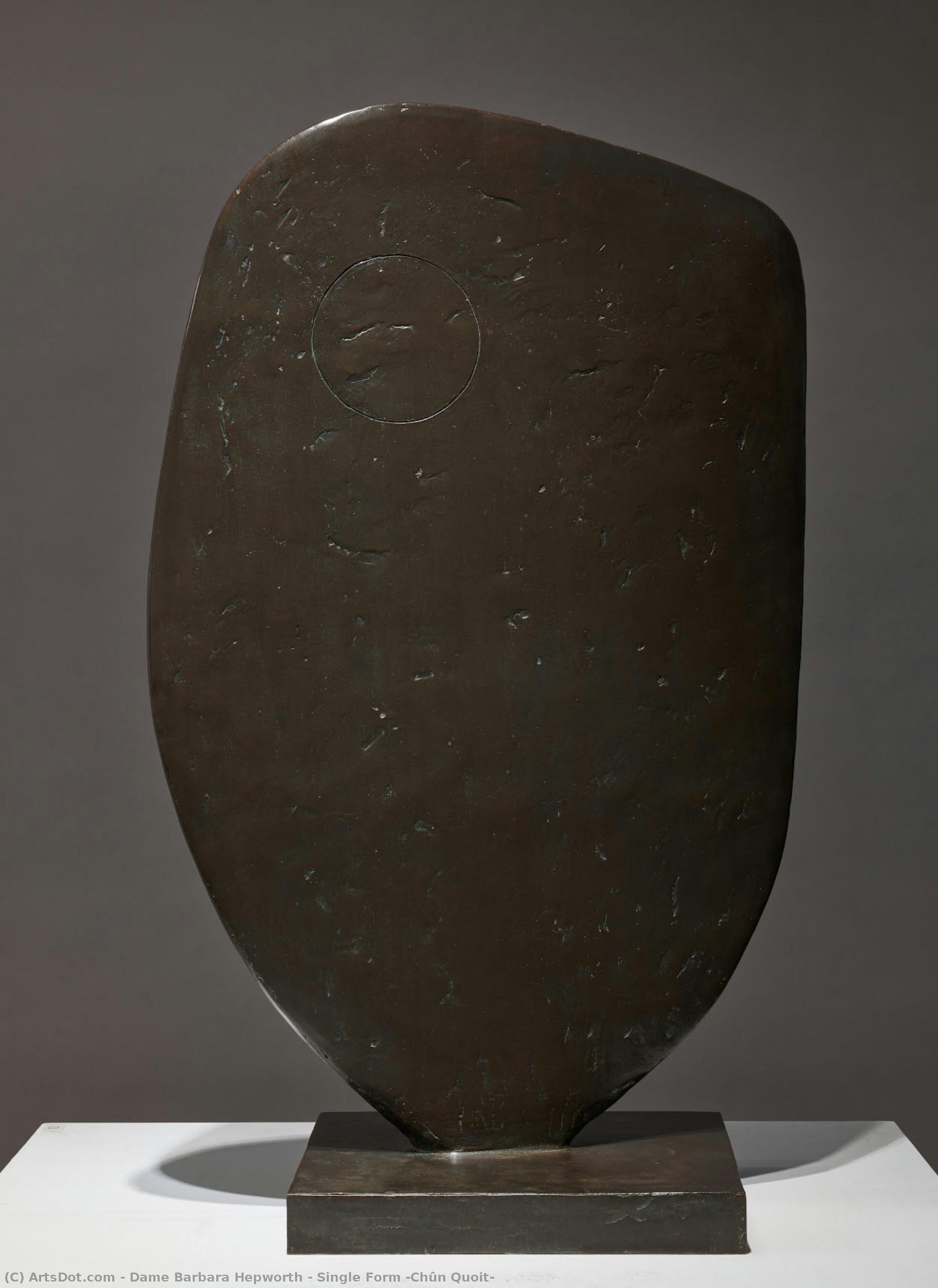
Single Form (Chûn Quoit)
 Bronze
- Sculpture
- Modernism
 1961
1961 106.0 x 66.0 cm
 The Hepworth Wakefield
 Читать далее
Жикле / Арт-принт
Печать (жикле) или холст музейного качества с быстрыми сроками изготовления и широким выбором вариантов отделки. ( Купить картину ручной работы Перейти к цифровым изображениям)




































Выберите один из наших стандартных размеров, соответствующих оригинальным пропорциям произведения искусства.

Вы можете указать свои собственные размеры, чтобы репродукция идеально подошла под конкретную раму или пространство. Если выбранный вами размер не будет соответствовать пропорциям оригинала, мы либо обрежем произведение, либо дополним изображение зеркальным отражением краев или однотонной заливкой. Перед началом производства вам будет отправлен цифровой макет для утверждения.
Пожалуйста, обратите внимание, что предварительный просмотр на экране не отображает фактическую обрезку или расширение изображения. Только макет точно покажет финальную композицию.
Несмотря на возможность заказа индивидуальных размеров, мы рекомендуем выбирать размер из предопределенного списка, чтобы сохранить оригинальные пропорции.
Доставка по всему миру () за 2 недели вместо стандартных 4/5 недель. (10 Сентябрь)

Бесплатная экспресс-доставка по всему миру

Высококачественный льняной холст

Полное страхование доставки

Гарантия возмещения таможенных пошлин

Гарантия точного соответствия цветов

100-дневная политика возврата (только при обнаружении дефектов)

Гарантия возврата 100% средств

Предложение оптовых скидок
 Вариант со стеклом доступен только для размеров менее 110 см

Single Form (Chûn Quoit)
Жикле / Арт-принт
Размер репродукции
-


Итоговая стоимость
$ 62
Single Form (Chûn Quoit): A Meditation on Neolithic Echoes
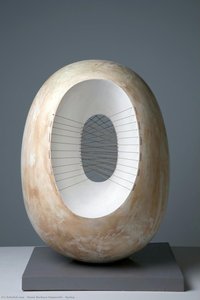
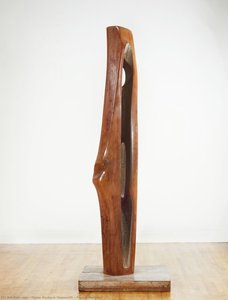
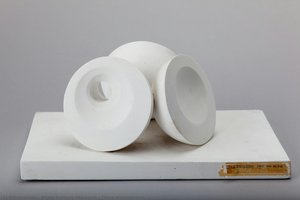
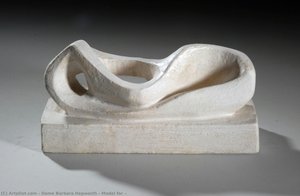
Barbara Hepworth’s “Single Form (Chûn Quoit),” crafted in 1961, isn't merely a sculpture; it’s an invitation to contemplate the enduring resonance of ancient ritual and the fundamental geometry of human experience. This remarkable piece, rendered in textured plaster and presented on a subtly shaded wooden base, embodies Hepworth’s signature style – a masterful blend of abstraction and deeply rooted connection to the natural world. The work immediately draws the eye with its deceptively simple form: a broad, gently curving plane punctuated by a single, precisely incised circle. Yet, within this apparent stillness lies a profound complexity, hinting at layers of meaning derived from both the artist’s personal vision and the evocative power of prehistoric sites.
The title itself offers a crucial key to understanding the sculpture's genesis. “Chûn Quoit” refers to a specific type of Neolithic chamber tomb found in Cornwall – megalithic structures built as sacred spaces, often associated with ancestor veneration and rites of passage. Hepworth’s choice of this name suggests an intentional dialogue between the modern world and the ancient past. The smooth, almost polished surface of the plaster evokes the cool, grey stone of these prehistoric monuments, while the incised circle acts as a visual echo – a subtle reminder of the circularity of life, death, and rebirth, a motif frequently explored in Neolithic art.
The Sculptor’s Process: A Dialogue with Material
Hepworth's approach to sculpture was deeply rooted in a tactile engagement with her materials. She rarely worked from detailed drawings or preparatory sketches, preferring instead to begin with a block of stone or wood and allow the form to emerge through a process of intuitive manipulation. “Single Form (Chûn Quoit)” exemplifies this method perfectly. The plaster was likely sculpted directly from a rough block, guided by Hepworth’s sensitivity to its inherent qualities. The subtle variations in texture – the slight undulations, the delicate scoring – are not accidental; they represent the artist's deliberate interaction with the material, imbuing it with her own energy and vision.
Interestingly, the sculpture was created during a period of intense personal reflection for Hepworth. Following the death of Dag Hammarskjöld, Secretary-General of the United Nations, she sought to create a work that honored his memory while simultaneously exploring themes of human connection and timelessness. The circular incision, mirroring the shape of a tomb entrance, can be interpreted as a symbolic portal – a gateway between the earthly realm and something beyond.
A Legacy of Form and Space
“Single Form (Chûn Quoit)” is more than just an object; it’s a carefully considered arrangement of form and space. The sculpture's placement within its environment—whether in a museum, a private collection, or even as part of an interior design scheme—significantly impacts its overall effect. The subtle contrast between the smooth surface of the plaster and the warm tones of the wooden base creates a visual tension that draws the eye inward, inviting contemplation. The work’s inherent simplicity belies its profound emotional resonance, making it a timeless addition to any setting.
Hepworth's influence extends far beyond her own lifetime. Her pioneering approach to abstraction and her deep respect for the natural world continue to inspire artists today. Reproductions of “Single Form (Chûn Quoit)” offer a remarkable opportunity to bring this powerful work into your home or office, allowing you to experience its beauty and complexity firsthand.
Technical Details & Historical Context
The sculpture is crafted from plaster, painted in a muted brown hue, and presented on a walnut base. It measures 106 cm (height) x 66.5 cm (width) x 45 cm (depth). Created in 1961, it’s part of a series of works Hepworth produced during this period, exploring themes of memory, ritual, and the relationship between humanity and the landscape. The work was commissioned as a memorial to Dag Hammarskjöld, Secretary-General of the United Nations, reflecting Hepworth's commitment to social justice and her belief in the importance of human connection.
Further research reveals that this piece is closely related to another sculpture from the same year, “Single Form (September),” which also features a circular indentation. Both works were created during a period of intense personal reflection for Hepworth following Hammarskjöld’s death and are considered key examples of her mature style.
Похожие произведения
Биография художника
Ранние годы и образование
Дама Барбара Хэпворд, выдающаяся английская художница и скульптор, родилась 10 января 1903 года в Уэйкфилде, Йоркшир. Ее путь в мир искусства начался с обучения в Лидской школе искусств в 1920 году, а позже она получила престижную окружную стипендию для учебы в Королевском колледже искусств (RCA) в Лондоне, где занималась с 1enc1921 года и успешно завершила обучение, получив диплом в 1924 году.Творческая карьера
- Творчество дамы Барбары Хэпворд является воплощением модернизма, особенно в его скульптурном проявлении; она стала одной из немногих женщин-художниц, достигших мирового признания.
- В 1933 году она выступила соосновательницей художественного движения «Unit One» вместе с Беном Николсоном, Полом Нэшем и другими коллегами, стремясь объединить сюрреализм и абстракцию в британском искусстве.
- Ранние работы Хэпворд отличались выраженной абстрактностью и были тесно связаны с ее участием в парижском художественном движении «Abstraction-Création».
Знаковые произведения и выставки
- Бронзовая скульптура «Овальная форма (Trezion)» входит в коллекцию Музея искусств Кимбелл в Форт-Уорте, США. (просмотреть на ArtsDot)
- Скульптура «Две формы» экспонируется в музее Хэпворд Уэйкфилд в Уэйкфилде, Великобритания. (просмотреть на ArtsDot)
- Мраморная скульптура «Тотем» также является частью коллекции Хэпворд Уэйкфилд. (просмотреть на ArtsDot)
Наследие и музейные коллекции
Работы Барбары Хэпворд получили всеобщее признание, а ее скульптуры и живопись стали важной частью различных музейных собраний по всему миру. Музей Хэпворд Уэйкфилд, названный в честь самой художницы, хранит многочисленные шедевры прославленных мастеров, включая собственные работы Хэпворд. (узнать больше о музее Хэпворд Уэйкфилд на ArtsDot)Заключение
Дама Барбара Хэпворд своим новаторским трудом в современной британской скульптуре оставила неизгладимый след в истории искусства. Ее наследие продолжает вдохновлять художников и ценителей прекрасного, а ее произведения остаются живым свидетельством ее новаторского духа и художественного гения. узнать больше о Барбаре Хэпворд на Wikipedia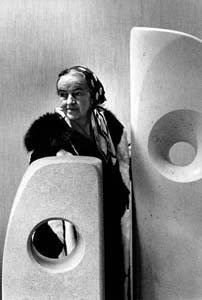
Барбара Хэпворд
1903 - 1975 , Великобритания
Основные сведения
- Artistic Movement Or Style: Модернизм
- Artists Or Movements Influenced By This Artist: ['Абстракция']
- Artists Who Influenced This Artist:
- Генри Мор
- Наум Габо
- Date Of Birth: 10 января 1903 г.
- Date Of Death: 20 мая 1975 г.
- Full Name: Jocelyn Barbara Hepworth
- Nationality: Английская
- Notable Artworks:
- Овальная форма
- Две формы
- Place Of Birth: Уикфорд, Англия
Похожие статьи

10 легендарных бронзовых скульптур, изменивших искусство навсегда | ArtsDot
Погрузитесь в мир великих бронзовых скульптур! От Давида Микеланджело до работ Родена – история искусства, техники и вдохновения. Купите репродукции шедевров для вашего интерьера на ArtsDot.com

The Enduring Legacy of Bronze Sculpture: A Collector's Guide to Form & Cultural Significance
Explore the rich history & enduring appeal of bronze sculpture with expert insights for collectors at ArtsDot. Learn about casting techniques, iconic artists, and collecting tips to build a discerning art collection.

10 легендарных бронзовых шедевров, изменивших искусство | ArtsDot
Погрузитесь в мир великих бронзовых шедевров! От Давида Донателло до Мыслителя Родена – узнайте историю создания, технику и значение легендарных скульптур. Вдохновение для интерьера и музейное качество репродукций на ArtsDot.com.

The Enduring Legacy of Bronze: A Historical & Artistic Exploration for the Collector
Explore the rich history & enduring appeal of bronze sculpture with expert insights for collectors at ArtsDot. Learn about casting techniques, iconic artists, collecting tips & contemporary interpretations.
Barbara Hepworth: A Sculptural Dialogue with Form, Space & the Human Condition
Explore the profound world of Barbara Hepworth's sculpture. Discover her artistic evolution, iconic forms, and lasting influence on modern art. A guide for collectors & enthusiasts.