

 Предпросмотр
 Поделиться
 Поделиться
 Детали произведения

 Скачать
 Похожие работы
 Рентгенография
 Слайд-шоу
 Статистика
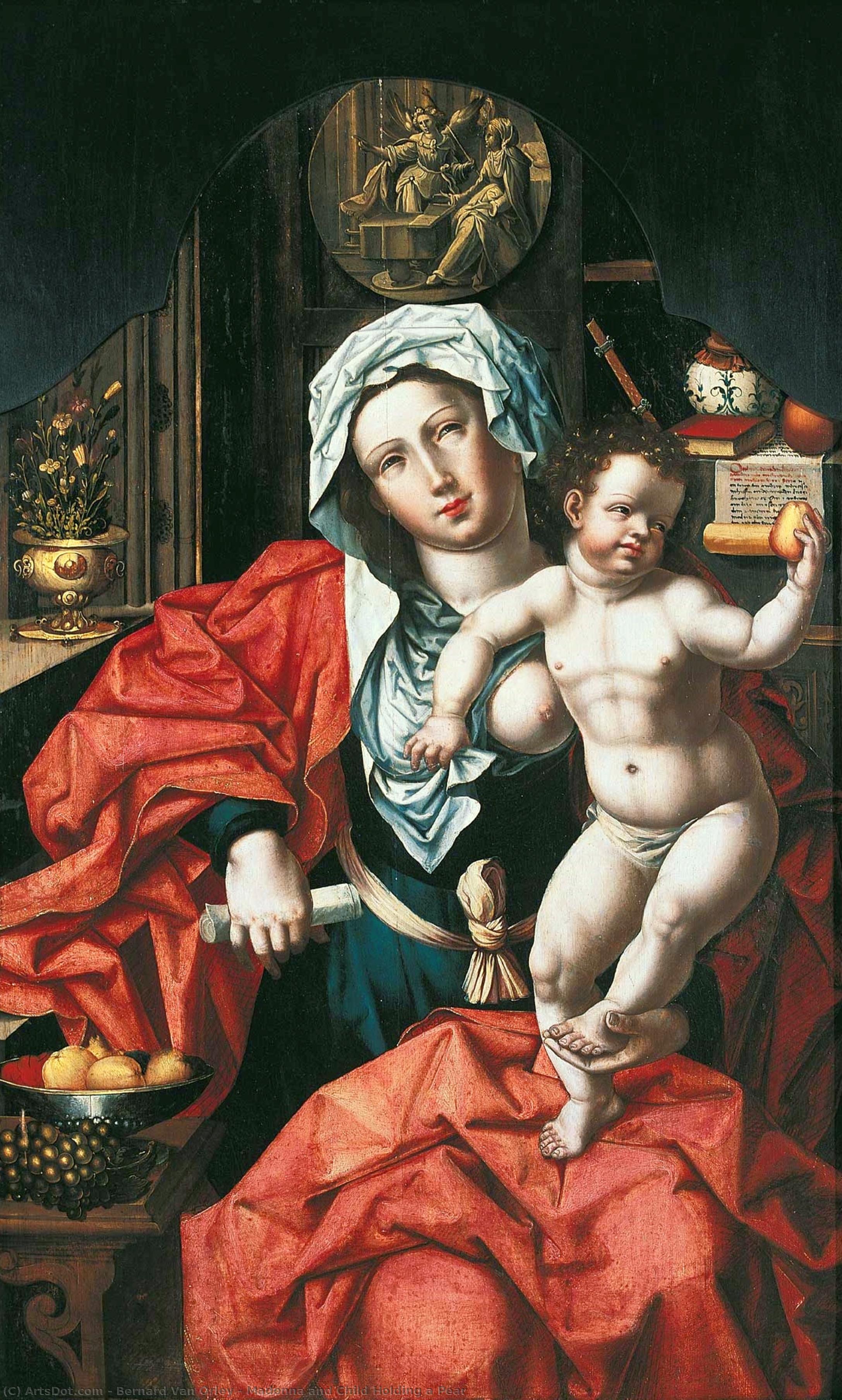
Madonna and Child Holding a Pear
 Northern Renaissance
 57.0 x 85.0 cm
 Читать далее
Жикле / Арт-принт
Печать (жикле) или холст музейного качества с быстрыми сроками изготовления и широким выбором вариантов отделки. ( Купить картину ручной работы Перейти к цифровым изображениям)




































Выберите один из наших стандартных размеров, соответствующих оригинальным пропорциям произведения искусства.

Вы можете указать свои собственные размеры, чтобы репродукция идеально подошла под конкретную раму или пространство. Если выбранный вами размер не будет соответствовать пропорциям оригинала, мы либо обрежем произведение, либо дополним изображение зеркальным отражением краев или однотонной заливкой. Перед началом производства вам будет отправлен цифровой макет для утверждения.
Пожалуйста, обратите внимание, что предварительный просмотр на экране не отображает фактическую обрезку или расширение изображения. Только макет точно покажет финальную композицию.
Несмотря на возможность заказа индивидуальных размеров, мы рекомендуем выбирать размер из предопределенного списка, чтобы сохранить оригинальные пропорции.
Доставка по всему миру () за 2 недели вместо стандартных 4/5 недель. (13 Сентябрь)

Бесплатная экспресс-доставка по всему миру

Высококачественный льняной холст

Полное страхование доставки

Гарантия возмещения таможенных пошлин

Гарантия точного соответствия цветов

100-дневная политика возврата (только при обнаружении дефектов)

Гарантия возврата 100% средств

Предложение оптовых скидок
 Вариант со стеклом доступен только для размеров менее 110 см

Madonna and Child Holding a Pear
Жикле / Арт-принт
Размер репродукции
-


Итоговая стоимость
$ 62
Похожие произведения








Биография художника
The Renaissance Soul of Brussels
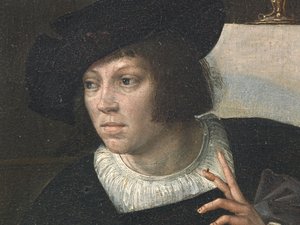
In the heart of a burgeoning Brussels, where the scent of damp wool and the rhythmic clatter of looms defined the urban landscape, Barend van Orley emerged as a titan of the Flemish Renaissance. Born into an era of profound artistic transition, his very lineage was woven into the fabric of the arts; as the son of the esteemed tapestry designer Valentin van Orley, his childhood was likely an immersive education in the intricate textures and grand narratives required for the great tapestries of Europe. This early exposure to the meticulous craftsmanship of the Brussels workshops provided a foundation that would eventually allow him to transcend the boundaries of mere decoration, elevating the medium of tapestry to a level of painterly sophistication previously unseen in the Low Countries.
A Synthesis of Northern Realism and Italian Grace
While many of his contemporaries embarked on arduous pilgrimages to the sun-drenched studios of Italy, van Orley achieved a remarkable feat of artistic osmosis, absorbing the revolutionary aesthetics of Raphael’s Rome from afar. He became a leading figure of the Romanist movement, a stylistic bridge that married the unflinching, microscopic realism characteristic of the Netherlandish tradition with the idealized proportions and classical grandeur of the Italian Renaissance. In his hands, the heavy, tactile world of Flemish painting—where every fold of velvet and glint of gold could be felt through the gaze—met the harmonious compositions and balanced grace of the South. This synthesis created a visual language that was both intimately familiar to Northern patrons and breathlessly modern, characterized by a profound command over light, shadow, and the human form.
A Legacy Woven in Paint and Thread
Van Orley’s genius lay in his extraordinary versatility, an ability to command the brush, the loom, and the stained-glass window with equal mastery. His oeuvre is a testament to a creator who saw no distinction between the monumental scale of a tapestry design and the delicate intimacy of a religious oil painting. Whether depicting the profound gravity of the Last Judgement or the tender grace of a Virgin and Child, his work consistently radiated a sense of divine order and earthly beauty. Beyond his individual masterpieces, his historical significance is cemented by his role as a pivotal link in the evolution of Northern art, ensuring that the traditions of his ancestors were not merely preserved but transformed for a new age. Through his prolific output and the continuation of his family’s artistic lineage, Barend van Orley left an indelible mark on the cultural identity of the Flemish Renaissance, leaving behind a legacy as enduring as the very tapestries he helped to define.
Основные сведения
- Artistic Movement Or Style: Italianizing Flemish Renaissance
- Artists Or Movements Influenced By This Artist: ['Romanists']
- Artists Who Influenced This Artist: ['Raphael']
- Date Of Birth: c.1487
- Date Of Death: January 6, 1541
- Full Name: Bernard van Orley
- Nationality: Flemish
- Notable Artworks:
- The Haneton Triptych
- Portrait of Margareta van Oostenrijk
- Altarpiece of Calvary
- Place Of Birth: Brussels, Belgium