

 Предпросмотр
 Поделиться
 Поделиться
 Детали произведения

 Скачать
 Похожие работы
 Рентгенография
 Слайд-шоу
 Статистика
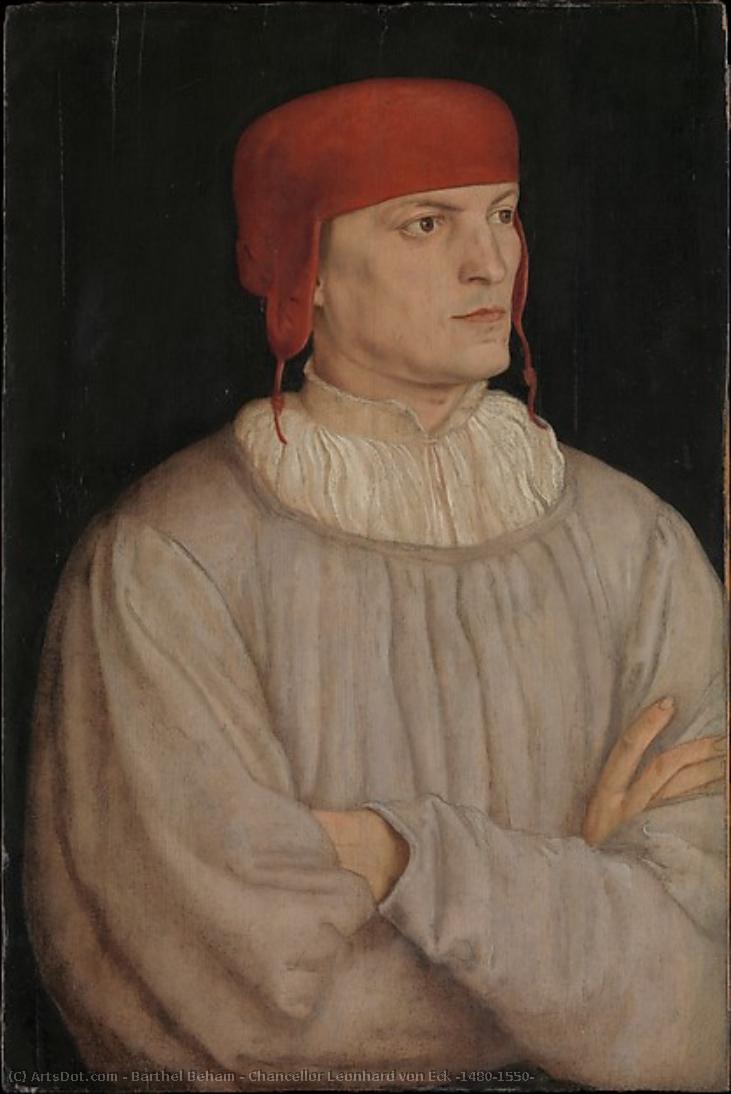
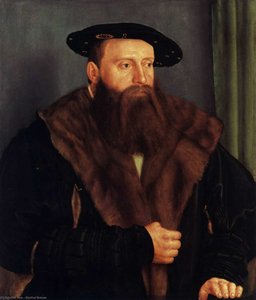
Chancellor Leonhard von Eck (1480–1550)
 Painting
- WallArt
- German Renaissance Printmaking Tradition
 1527
1527- Renaissance
 56.0 x 38.0 cm
 Музей Метрополитен
 Читать далее
Жикле / Арт-принт
Печать (жикле) или холст музейного качества с быстрыми сроками изготовления и широким выбором вариантов отделки. ( Купить картину ручной работы Перейти к цифровым изображениям)




P118B $10

P118H $10

P118W $10

P438Z $10

P508JH $12

P508YH $12

P805H $10

P805Z $10

P919BZ $10

P919G $10

P919XJ $10

P959ZH $10

P968JZ $12

W106C $8

W218G $10

W218JH $8

W218Y $10

W307PJ $10

W316G $10

W316PJ $8

W316Y $10

W398PJ $8

W4111J $10

W500HY $15

W500JH $15

W692G $12

W849H $8

W940BG $15

W953PJ $8




Выберите один из наших стандартных размеров, соответствующих оригинальным пропорциям произведения искусства.

Вы можете указать свои собственные размеры, чтобы репродукция идеально подошла под конкретную раму или пространство. Если выбранный вами размер не будет соответствовать пропорциям оригинала, мы либо обрежем произведение, либо дополним изображение зеркальным отражением краев или однотонной заливкой. Перед началом производства вам будет отправлен цифровой макет для утверждения.
Пожалуйста, обратите внимание, что предварительный просмотр на экране не отображает фактическую обрезку или расширение изображения. Только макет точно покажет финальную композицию.
Несмотря на возможность заказа индивидуальных размеров, мы рекомендуем выбирать размер из предопределенного списка, чтобы сохранить оригинальные пропорции.
Доставка по всему миру () за 2 недели вместо стандартных 4/5 недель. (12 Сентябрь)

Бесплатная экспресс-доставка по всему миру

Высококачественный льняной холст

Полное страхование доставки

Гарантия возмещения таможенных пошлин

Гарантия точного соответствия цветов

100-дневная политика возврата (только при обнаружении дефектов)

Гарантия возврата 100% средств

Предложение оптовых скидок
 Вариант со стеклом доступен только для размеров менее 110 см

Chancellor Leonhard von Eck (1480–1550)
Жикле / Арт-принт
Размер репродукции
-


Итоговая стоимость
$ 62
A Gaze Across Centuries: The Presence of Chancellor Leonhard von Eck
In the quiet intensity of Barthel Beham’s 1527 portrait, Chancellor Leonhard von Eck emerges from the shadows of the German Renaissance with a presence that is both commanding and deeply personal. To look upon this work is to encounter a man defined by the weight of his office and the steadfastness of his convictions. The sitter, a powerful Bavarian nobleman and a formidable opponent of the Reformation, does not merely pose; he confronts the viewer. His expression, captured with the meticulous precision that earned Beham the title of "Little Master," vibrates with an intellectual rigor and a palpable sense of authority. The way his eyes lock onto the observer creates an immediate, almost unsettling emotional connection, bridging the five centuries that separate his era from our own.
The composition is a masterclass in focused portraiture, stripping away the distractions of landscape or ornate background to concentrate entirely on the character of the subject. Clad in a pristine white robe that suggests both purity and high status, von Eck’s hands are crossed in a gesture of composed strength. The striking contrast between the starkness of his attire and the rich, crimson hue of his feathered hat draws the eye upward, framing a face etched with the wisdom and gravity of a seasoned statesman. For the discerning collector or interior designer, this piece offers a profound focal point—a work that commands attention in any gallery-style setting through its sheer psychological depth.
The Precision of the Little Master
The technical brilliance of this portrait lies in Beham’s ability to translate the delicate nuances of engraving into the medium of painting. Having been trained under the legendary Albrecht Dürer, Beham possessed an unparalleled understanding of texture and light. In this work, one can observe the artist's obsession with detail: the soft, organic texture of the feather atop the chancellor's hat, the heavy, sculptural folds of the white drapery, and the subtle tonal gradations that give the skin a lifelike, breathing quality. This level of craftsmanship is what makes a high-quality reproduction of this piece so transformative for a living space; it brings with it an era of technical perfection where every stroke served to heighten the realism of the subject.
Beyond mere representation, the painting serves as a window into the socio-political landscape of 16th-century Nuremberg and Bavaria. The portrait captures the tension of a world in flux, where the old structures of power were being challenged by new religious ideologies. Through Beham’s lens, we see Leonhard von Eck not just as an individual, but as a symbol of the enduring strength of the established order. The interplay of light and shadow—the chiaroscuro effect—does more than define form; it symbolizes the struggle between clarity and uncertainty, a theme that remains eternally resonant. For those seeking to infuse their interiors with art that possesses both historical gravity and aesthetic elegance, this portrait stands as an incomparable choice.
Похожие произведения
Биография художника
Barthel Beham (1502–1540): The Little Master of Nuremberg
Barthel Beham (1502–1540) stands as a pivotal figure in the German Renaissance printmaking tradition, earning him the moniker “Little Master” – a testament to his extraordinary skill and meticulous detail. Born in Nuremberg, Germany, he was steeped in artistic heritage from birth, inheriting talent from his elder brother Hans Sebald Beham and absorbing invaluable lessons from Albrecht Dürer himself. This formative influence shaped his distinctive style and propelled him to become one of the most celebrated engravers of his era.- Early Life & Training: Barthel’s artistic journey commenced under the tutelage of Hans Sebald, who instilled in him a profound understanding of engraving techniques – a craft that would define Beham's career. Dürer’s workshop served as another crucible for innovation and stylistic refinement, fostering Beham’s fascination with realism and compositional complexity.
- Engraving Mastery: Beham quickly established himself as a prodigious engraver, producing stunningly precise miniature prints that captivated audiences across Europe. His output during the 1520s exemplifies the “Little Masters” school – characterized by unparalleled accuracy and artistic ambition. Subjects ranged from biblical narratives to portraits of noblemen and humanist scholars, demonstrating his versatility and technical prowess.
- The Godless Painters & Exile: Beham’s unwavering skepticism regarding Lutheran dogma led to his expulsion from Nuremberg in 1525 alongside Hans Sebald and Georg Pencz – a controversial decision that nonetheless spurred him toward intellectual exploration and artistic experimentation. This exile fostered connections with humanist circles and broadened his horizons beyond the confines of Nuremberg’s religious conservatism.
- Munich & Patronage: Following papal pardon, Beham relocated to Munich where he found favor with Duke William IV and Ludwig X – securing lucrative commissions that allowed him to hone his artistic skills further. He became renowned for his portraiture, capturing the dignity and grandeur of Bavarian royalty with remarkable sensitivity and detail.
- Legacy & Influence: Barthel Beham died in Italy during a diplomatic mission under the patronage of William IV, marking the end of an illustrious career. His work continues to inspire admiration for its technical brilliance and humanist vision—a lasting contribution to German art history and a cornerstone of Renaissance printmaking.
Notable Works & Artistic Style
Beham’s artistic style is instantly recognizable by its meticulous realism, achieved through painstaking engraving processes. He prioritized capturing subtle nuances of expression and anatomical accuracy—a hallmark of Dürer's influence. His prints often incorporated complex compositions and dramatic lighting effects, elevating them beyond mere reproductions to become independent works of art. Consider his depiction of Chancellor Leonhard von Eck (1480–1550), a masterpiece showcasing the artist’s ability to convey psychological depth through portraiture. Similarly, “Portrait of a Man” exemplifies Beham's dedication to capturing human form with unparalleled precision and artistic sensitivity.Connections & Collaborations
Barthel Beham benefited greatly from collaborations with prominent artists of his time, notably Marcantonio Raimondi—with whom he worked in Bologna and Rome during the early 1530s. These partnerships exposed him to innovative techniques and broadened his artistic repertoire. Furthermore, his brother Hans Sebald’s involvement ensured a shared artistic vision and fostered a dynamic creative environment within Nuremberg's artistic community.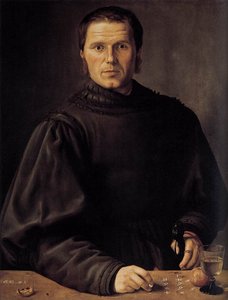
barthel beham
1502 - 1540 , Germany
Основные сведения
- Artistic Movement Or Style: Little Masters
- Artists Or Movements Influenced By This Artist: ['Marcantonio Raimondi']
- Artists Who Influenced This Artist: ['Albrecht Dürer']
- Date Of Birth: 1502
- Full Name: Barthel Beham
- Nationality: German
- Notable Artworks:
- Portrait of a Man
- Portrait of Duke Ludwig X of Bavaria
- Place Of Birth: Nuremberg, Germany
Похожие статьи
The Northern Awakening: Artistic Innovation & Cultural Transformation in the German Renaissance
Explore the artistic innovation of the German Renaissance! Discover Dürer, the Danube School & Reformation art. Learn about techniques, materials & lasting influence. Find museum-quality reproductions at ArtsDot.
Engraving: A Historical Survey of Technique, Artistic Expression & Enduring Legacy
Explore the rich history of engraving with ArtsDot. Discover techniques, iconic artists like Dürer & Callot, collecting tips, and expert guidance for preserving your art investment. Learn about intaglio printing & more!
10 шедевров гравюры, изменивших искусство навсегда | ArtsDot
Откройте для себя 10 легендарных шедевров гравюры от Дюрера, Гойи и Рембрандта! Узнайте историю создания этих культовых работ и их влияние на искусство. Репродукции высокого качества для вашего интерьера – ArtsDot.
The Intricate World of Engraving: A Historical Survey of Technique, Artistic Expression & Enduring Legacy
Explore the rich history of engraving with ArtsDot. Discover techniques, iconic artists like Dürer & Callot, collecting tips, and expert guidance for preserving your art investment. Learn about intaglio printing & more!
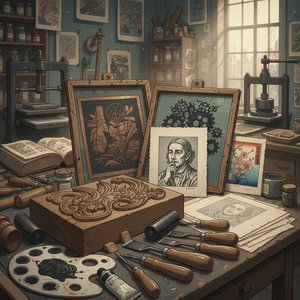
The Enduring Legacy of Printmaking: Techniques, Themes & Artistic Innovation Across Centuries
Explore the rich history of printmaking with ArtsDot. Discover techniques from intaglio to lithography, learn about collecting valuable prints & find museum-quality reproductions. Expert insights for art enthusiasts and collectors.