

 Предпросмотр
 Поделиться
 Поделиться
 Детали произведения

 Скачать
 Похожие работы
 Рентгенография
 Слайд-шоу
 Статистика
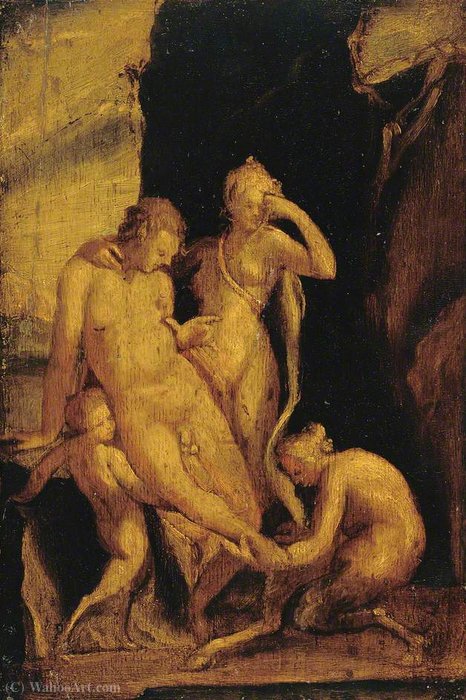
Faun with Wounded Foot

 Читать далее
Приобретите цифровое изображение высокого разрешения в улучшенном качестве, которое значительно превосходит онлайн-превью.
Каждый файл тщательно подготавливается нашими специалистами с использованием передовых инструментов и экспертной ручной ретуши. Мы гарантируем исключительную четкость, точную цветопередачу и детальную проработку каждого изображения.
Финальный файл доставляется по электронной почте в течение 72 часов и оптимизирован для немедленного использования в профессиональной среде, при верстке и печати. Это тот же уровень качества, которому доверяют ведущие дизайнерские студии, издательства и галереи.
Цифровое изображение
Скачайте файл высокого разрешения для личного использования, печати и творческих проектов. ( Перейти к печати Купить картину ручной работы)
Включено в каждый заказ цифровых изображений
Гарантия экспертной цифровой доставки
Выбирая ArtsDot.com, вы получаете не просто изображение — вы приобретаете профессионально обработанное цифровое произведение искусства, созданное с безупречной точностью и под защитой гарантии качества. Вот всё, что автоматически входит в ваш заказ:

Мгновенная доставка по e-mail
Ваш цифровой файл в высоком разрешении будет отправлен вам по электронной почте в течение 72 часов после оформления заказа — и сразу станет доступен для использования.

Цифровой файл с ИИ-улучшением
Ваше произведение искусства проходит профессиональную оптимизацию с использованием передовых инструментов ИИ и ручной обработки, что гарантирует максимальную детализацию, четкость и точность цветопередачи.

Бессрочная бесплатная повторная доставка
Случайно удалили или потеряли файл? Не беспокойтесь — мы отправим его вам повторно в любое время и совершенно бесплатно.

Без импортных пошлин — навсегда
Наслаждайтесь вашим произведением искусства мгновенно без таможенных пошлин, сборов или затрат на доставку — цифровые загрузки всегда не облагаются налогом.

Гарантия точности цветопередачи
Мы гарантируем, что ваше цифровое изображение максимально точно передает оригинальные цвета благодаря использованию профессиональных инструментов и систем управления цветом.

Гарантия удовлетворенности 100 дней
Если вы не будете удовлетворены своим цифровым изображением, мы внесем правки или вернем 100% стоимости в течение 100 дней — без лишних вопросов.

100% Гарантия возврата средств
Не удовлетворены покупкой? Получите полный возврат средств в течение 100 дней после получения цифрового файла — без лишних вопросов.

Скидки на оптовые заказы
Купите 3 изображения, сэкономьте 10% — Купите 5, сэкономьте 15% — Купите 10+, сэкономьте 20%. Отличное решение для творческих проектов, галерей и агентств.
Похожие произведения
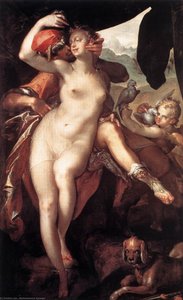
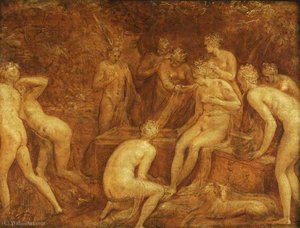
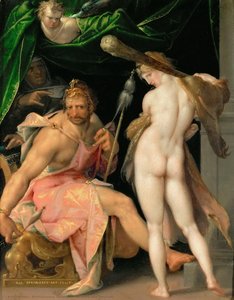
Биография художника
Bartholomaeus Spranger: A Master of Sensuality and Northern Mannerism
Bartholomäus Spranger (1546-1611), a name often whispered in the halls of art history, remains a figure of captivating complexity. Born into a trading family in Antwerp, he wasn’t destined for a life of artistic renown initially, yet his innate talent and relentless pursuit of aesthetic excellence propelled him to become one of the most influential artists of the late 16th and early 17th centuries – a master of Northern Mannerism, renowned particularly for his exquisitely rendered nudes and allegorical scenes. Spranger’s legacy isn't simply that of a painter; he was a sculptor, designer, and printmaker, leaving an indelible mark on the artistic landscape of Europe, primarily through the dissemination of his work via meticulously crafted engravings.
His early life offered little indication of the artistic path he would ultimately forge. Initially apprenticed to Jan Mandijn, followed by brief studies with Frans Mostaert and Cornelis van Dalem – masters largely focused on landscape painting – Spranger’s trajectory shifted dramatically when he traveled to Paris in 1565. This period exposed him to the burgeoning influence of Italian Mannerism, particularly the work of Francesco Primaticcio and Niccolò dell'Abate, shaping his understanding of composition, dynamism, and the expressive potential of line. Crucially, it was during this time that he began to develop a distinctive style – one characterized by elongated figures, subtly unsettling smiles, and a remarkable attention to texture and surface detail.
The Imperial Court of Rudolf II
Spranger’s artistic fortunes dramatically altered when he arrived in Prague in 1581, summoned by the Holy Roman Emperor Rudolf II. This appointment proved to be transformative, establishing Spranger as the court painter and a close confidante of the eccentric and intensely discerning ruler. Rudolf II, a passionate collector of art, science, and esoteric knowledge, fostered an environment where artistic experimentation flourished – and where Spranger’s unique brand of Mannerism found its most receptive audience. The emperor's patronage wasn’t merely financial; it was deeply personal, with the two men engaging in lengthy conversations about philosophy, alchemy, and the nature of beauty.
Spranger responded to Rudolf II’s aesthetic preferences by creating a vast body of work that reflected both the emperor’s interests and his own artistic vision. These paintings predominantly featured mythological nudes – often depicted from behind, lending them an air of enigmatic allure – arranged in complex, elegant poses. Alongside these sensual depictions were allegorical scenes, frequently incorporating elements of propaganda designed to glorify Rudolf II's reign. A prime example is *Allegory of the Virtues of Rudolf II*, a monumental work that seamlessly blends eroticism with political messaging, showcasing Bellona (the Roman goddess of war) surrounded by Venus, Amor, Athene and Baccus – emblems representing Hungary and the Croatian river Sava – all reinforcing the message of Rudolf’s secure rule. The emperor's influence extended beyond mere subject matter; he bestowed upon Spranger titles and privileges, solidifying his position as a leading artist in Europe.
A Synthesis of Styles
Spranger’s artistic style was remarkably complex, representing a synthesis of influences from the Netherlands, Italy, and France. He drew heavily on the Roman Mannerists – particularly Parmigianino – adopting their elongated figures, subtle distortions, and emphasis on elegant poses. However, he tempered this Italian influence with the dynamism and expressive quality characteristic of Netherlandish painting. His use of color was often restrained, favoring muted tones and a shimmering, brittle texture that contributed to the otherworldly atmosphere of his works. Furthermore, Spranger’s meticulous attention to detail – particularly in rendering fabrics and skin – set him apart from many of his contemporaries.
His work wasn't confined solely to large-scale paintings; he was also a prolific printmaker, producing hundreds of engravings that disseminated his images throughout Europe. Hendrik Goltzius, one of the most prominent engravers of the era, played a crucial role in popularizing Spranger’s style through his faithful reproductions. This ensured that his art reached a wider audience than would have been possible through direct commissions alone.
Legacy and Influence
Despite his considerable success during his lifetime, Bartholomaeus Spranger's artistic legacy remained somewhat obscured for centuries. However, in recent decades, scholars have increasingly recognized the significance of his work, acknowledging its innovative approach to depicting the human form and its profound influence on subsequent generations of artists. His emphasis on sensuality, combined with a masterful command of technique and composition, continues to resonate today. Spranger’s impact can be seen in the works of Dutch masters such as Rembrandt and Frans Hals, who were undoubtedly influenced by his elegant figures and dramatic lighting. He remains a testament to the power of patronage, artistic experimentation, and the enduring allure of beauty – a true master of Northern Mannerism whose legacy continues to captivate and inspire.
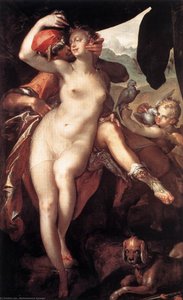
bartholomaeus spranger
1546 - 1611 , Belgium
Основные сведения
- Artistic Movement Or Style: Northern Mannerism
- Artists Or Movements Influenced By This Artist: ['Dutch Republic']
- Artists Who Influenced This Artist:
- Parmigianino
- Correggio
- Date Of Birth: March 21, 1546
- Date Of Death: June 27, 1611
- Full Name: Bartholomeus Spranger
- Nationality: Flemish
- Notable Artworks:
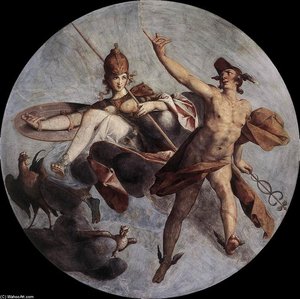
- Hermes and Athena
- Allegorie de la Justice
- Place Of Birth: Antwerp, Belgium