

 Предпросмотр
 Поделиться
 Поделиться
 Детали произведения

 Скачать
 Похожие работы
 Рентгенография
 Слайд-шоу
 Статистика
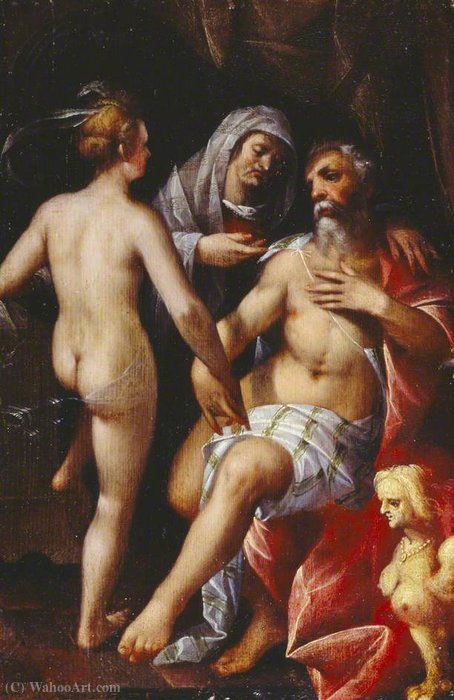
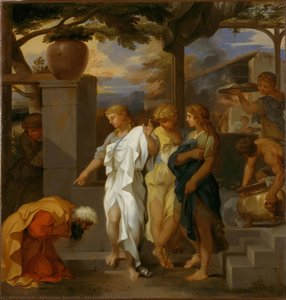
Sarah Presenting Hagar to Abraham

 Читать далее
Жикле / Арт-принт
Печать (жикле) или холст музейного качества с быстрыми сроками изготовления и широким выбором вариантов отделки. ( Купить картину ручной работы Перейти к цифровым изображениям)




P118B $10

P118H $10

P118W $10

P438Z $10

P508JH $12

P508YH $12

P805H $10

P805Z $10

P919BZ $10

P919G $10

P919XJ $10

P959ZH $10

P968JZ $12

W106C $8

W218G $10

W218JH $8

W218Y $10

W307PJ $10

W316G $10

W316PJ $8

W316Y $10

W398PJ $8

W4111J $10

W500HY $15

W500JH $15

W692G $12

W849H $8

W940BG $15

W953PJ $8




Выберите один из наших стандартных размеров, соответствующих оригинальным пропорциям произведения искусства.

Вы можете указать свои собственные размеры, чтобы репродукция идеально подошла под конкретную раму или пространство. Если выбранный вами размер не будет соответствовать пропорциям оригинала, мы либо обрежем произведение, либо дополним изображение зеркальным отражением краев или однотонной заливкой. Перед началом производства вам будет отправлен цифровой макет для утверждения.
Пожалуйста, обратите внимание, что предварительный просмотр на экране не отображает фактическую обрезку или расширение изображения. Только макет точно покажет финальную композицию.
Несмотря на возможность заказа индивидуальных размеров, мы рекомендуем выбирать размер из предопределенного списка, чтобы сохранить оригинальные пропорции.
Доставка по всему миру () за 2 недели вместо стандартных 4/5 недель. (11 Сентябрь)

Бесплатная экспресс-доставка по всему миру

Высококачественный льняной холст

Полное страхование доставки

Гарантия возмещения таможенных пошлин

Гарантия точного соответствия цветов

100-дневная политика возврата (только при обнаружении дефектов)

Гарантия возврата 100% средств

Предложение оптовых скидок
 Вариант со стеклом доступен только для размеров менее 110 см

Sarah Presenting Hagar to Abraham
Жикле / Арт-принт
Размер репродукции
-


Итоговая стоимость
$ 62
Похожие произведения
Биография художника
Bartholomaeus Spranger: A Master of Sensuality and Northern Mannerism
Bartholomäus Spranger (1546-1611), a name often whispered in the halls of art history, remains a figure of captivating complexity. Born into a trading family in Antwerp, he wasn’t destined for a life of artistic renown initially, yet his innate talent and relentless pursuit of aesthetic excellence propelled him to become one of the most influential artists of the late 16th and early 17th centuries – a master of Northern Mannerism, renowned particularly for his exquisitely rendered nudes and allegorical scenes. Spranger’s legacy isn't simply that of a painter; he was a sculptor, designer, and printmaker, leaving an indelible mark on the artistic landscape of Europe, primarily through the dissemination of his work via meticulously crafted engravings.
His early life offered little indication of the artistic path he would ultimately forge. Initially apprenticed to Jan Mandijn, followed by brief studies with Frans Mostaert and Cornelis van Dalem – masters largely focused on landscape painting – Spranger’s trajectory shifted dramatically when he traveled to Paris in 1565. This period exposed him to the burgeoning influence of Italian Mannerism, particularly the work of Francesco Primaticcio and Niccolò dell'Abate, shaping his understanding of composition, dynamism, and the expressive potential of line. Crucially, it was during this time that he began to develop a distinctive style – one characterized by elongated figures, subtly unsettling smiles, and a remarkable attention to texture and surface detail.
The Imperial Court of Rudolf II
Spranger’s artistic fortunes dramatically altered when he arrived in Prague in 1581, summoned by the Holy Roman Emperor Rudolf II. This appointment proved to be transformative, establishing Spranger as the court painter and a close confidante of the eccentric and intensely discerning ruler. Rudolf II, a passionate collector of art, science, and esoteric knowledge, fostered an environment where artistic experimentation flourished – and where Spranger’s unique brand of Mannerism found its most receptive audience. The emperor's patronage wasn’t merely financial; it was deeply personal, with the two men engaging in lengthy conversations about philosophy, alchemy, and the nature of beauty.
Spranger responded to Rudolf II’s aesthetic preferences by creating a vast body of work that reflected both the emperor’s interests and his own artistic vision. These paintings predominantly featured mythological nudes – often depicted from behind, lending them an air of enigmatic allure – arranged in complex, elegant poses. Alongside these sensual depictions were allegorical scenes, frequently incorporating elements of propaganda designed to glorify Rudolf II's reign. A prime example is *Allegory of the Virtues of Rudolf II*, a monumental work that seamlessly blends eroticism with political messaging, showcasing Bellona (the Roman goddess of war) surrounded by Venus, Amor, Athene and Baccus – emblems representing Hungary and the Croatian river Sava – all reinforcing the message of Rudolf’s secure rule. The emperor's influence extended beyond mere subject matter; he bestowed upon Spranger titles and privileges, solidifying his position as a leading artist in Europe.
A Synthesis of Styles
Spranger’s artistic style was remarkably complex, representing a synthesis of influences from the Netherlands, Italy, and France. He drew heavily on the Roman Mannerists – particularly Parmigianino – adopting their elongated figures, subtle distortions, and emphasis on elegant poses. However, he tempered this Italian influence with the dynamism and expressive quality characteristic of Netherlandish painting. His use of color was often restrained, favoring muted tones and a shimmering, brittle texture that contributed to the otherworldly atmosphere of his works. Furthermore, Spranger’s meticulous attention to detail – particularly in rendering fabrics and skin – set him apart from many of his contemporaries.
His work wasn't confined solely to large-scale paintings; he was also a prolific printmaker, producing hundreds of engravings that disseminated his images throughout Europe. Hendrik Goltzius, one of the most prominent engravers of the era, played a crucial role in popularizing Spranger’s style through his faithful reproductions. This ensured that his art reached a wider audience than would have been possible through direct commissions alone.
Legacy and Influence
Despite his considerable success during his lifetime, Bartholomaeus Spranger's artistic legacy remained somewhat obscured for centuries. However, in recent decades, scholars have increasingly recognized the significance of his work, acknowledging its innovative approach to depicting the human form and its profound influence on subsequent generations of artists. His emphasis on sensuality, combined with a masterful command of technique and composition, continues to resonate today. Spranger’s impact can be seen in the works of Dutch masters such as Rembrandt and Frans Hals, who were undoubtedly influenced by his elegant figures and dramatic lighting. He remains a testament to the power of patronage, artistic experimentation, and the enduring allure of beauty – a true master of Northern Mannerism whose legacy continues to captivate and inspire.
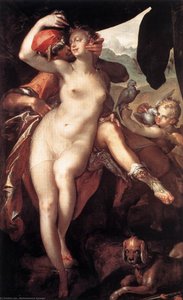
bartholomaeus spranger
1546 - 1611 , Belgium
Основные сведения
- Artistic Movement Or Style: Northern Mannerism
- Artists Or Movements Influenced By This Artist: ['Dutch Republic']
- Artists Who Influenced This Artist:
- Parmigianino
- Correggio
- Date Of Birth: March 21, 1546
- Date Of Death: June 27, 1611
- Full Name: Bartholomeus Spranger
- Nationality: Flemish
- Notable Artworks:
- Hermes and Athena
- Allegorie de la Justice
- Place Of Birth: Antwerp, Belgium
Похожие статьи

Oil on Canvas: A Historical & Technical Exploration of a Timeless Artistic Medium
Explore the rich history & enduring techniques of oil painting on canvas. Discover the science behind its longevity, conservation practices, and contemporary relevance. Expert insights for art enthusiasts.

10 Шедевров Неоклассицизма: Искусство, Определившее Эпоху | ArtsDot
Погрузитесь в мир неоклассицизма! 10 шедевров от Давида, Канновы и других великих художников. Узнайте историю создания культовых картин и вдохновитесь для интерьера. Репродукции музейного качества на ArtsDot.com
The Enduring Legacy of Classicism: Principles, Evolution & Influence in Western Art
Explore the enduring legacy of Classicism in Western art! Discover its historical context, key principles, iconic masterpieces & lasting influence. Learn about Renaissance and Neoclassical movements with ArtsDot.
Timeless Elegance: The Ultimate Buyer's Guide to Choosing Classical Portraits for Sophisticated Interiors
Discover how to select the perfect classical portrait for your home. Our expert guide explores matching art styles to interiors, choosing between hand-painted oils and Giclée prints, and transforming personal photos into timeless masterpieces with professional artistry.

The Enduring Legacy of Oil on Canvas: Technique, History & Aesthetic Impact
Explore the rich history & techniques of oil painting – from Renaissance masters to Impressionism. Discover pigments, layering methods, and why this timeless medium endures. Expert insights for artists & art enthusiasts.