 Предпросмотр
 Поделиться
 Поделиться
 Детали произведения

 Скачать
 Похожие работы
 Рентгенография
 Слайд-шоу
 Статистика
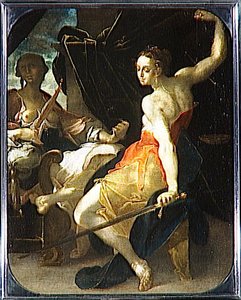
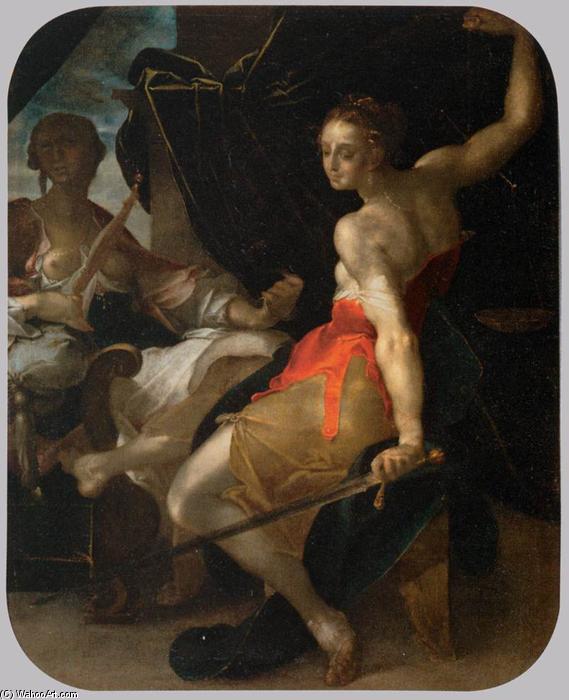
Allegory of Justice and Prudence
 Oil On Canvas
- WallArt
- Baroque
 1599
1599- Early Modern
 131.0 x 106.0 cm
 Лувр
Лувр
 Читать далее
Масляная репродукция ручной работы
Картина маслом на холсте в выбранном вами размере и раме, написанная на заказ нашими художниками. ( Перейти к печати Перейти к цифровым изображениям)




P118B $10

P118H $10

P118W $10

P438Z $10

P508JH $12

P508YH $12

P805H $10

P805Z $10

P919BZ $10

P919G $10

P919XJ $10

P959ZH $10

P968JZ $12

W106C $8

W218G $10

W218JH $8

W218Y $10

W307PJ $10

W316G $10

W316PJ $8

W316Y $10

W398PJ $8

W4111J $10

W500HY $15

W500JH $15

W692G $12

W849H $8

W940BG $15

W953PJ $8




Выберите один из наших стандартных размеров, соответствующих оригинальным пропорциям произведения искусства.

Вы можете указать собственные размеры, чтобы картина идеально вписалась в выбранную раму или пространство. Если выбранный вами размер не соответствует пропорциям оригинала, мы либо обрежем полотно, либо расширим его за счет дополнительных элементов, написанных вручную. Цифровой макет будет отправлен вам на утверждение перед началом производства.
Обратите внимание, что предварительный просмотр на экране не отражает фактическую обрезку или расширение. Только макет точно покажет окончательную композицию.
Хотя доступны индивидуальные размеры, мы рекомендуем выбирать вариант из предопределенного списка, чтобы сохранить исходные пропорции.
После оформления заказа команда ArtsDot.com свяжется с клиентом по электронной почте для уточнения деталей и предоставит предварительный макет
Доставка по всему миру () за 3–4 недели вместо стандартных 5 недель. (12 Сентябрь). Без компромиссов в качестве.

Бесплатная экспресс-доставка по всему миру

Высококачественный льняной холст

Полное страхование доставки

Гарантия возмещения таможенных пошлин

Гарантия точного соответствия цветов

100-дневная политика возврата (только при обнаружении дефектов)

Гарантия возврата 100% средств

Предложение оптовых скидок
 Вариант со стеклом доступен только для размеров менее 110 см

Allegory of Justice and Prudence
Техника репродукции
Размер репродукции
-


Итоговая стоимость
$ 313
A Symphony of Virtue: Unveiling Spranger’s Masterpiece
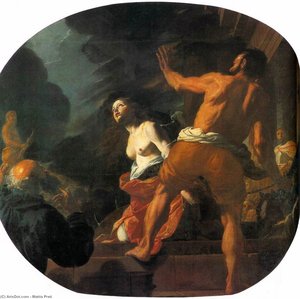
To stand before Bartholomeus Spranger’s “Allegory of Justice and Prudence” is to step into the intellectual and aesthetic heart of the Northern Mannerist movement. Painted around 1599, this breathtaking work serves as more than a mere display of technical prowess; it is a profound meditation on the human condition and the pursuit of moral excellence. The canvas captures a moment of intense emotional gravity, where the boundaries between classical mythology and humanist philosophy blur into a single, dramatic vision. At its center, a woman draped in flowing, opulent robes commands the viewer's attention, her posture radiating a palpable sense of sorrow and introspection. This central figure acts as an anchor for a complex narrative that weaves together the divine and the earthly, inviting those who gaze upon it to contemplate the weight of responsibility and the enduring nature of virtue.
The composition is a masterclass in the Baroque aesthetic, utilizing a sophisticated arrangement of figures to guide the eye through a labyrinth of meaning. Spranger expertly employs strong diagonal lines and a shallow, architectural space to create an atmosphere of theatrical intimacy. As your gaze wanders from the central figure toward the periphery, you encounter the winged personification of Justice, clutching her scales, and Prudence, bearing a flickering torch. These figures are not merely decorative; they are interwoven with intricate drapery and ornate ornamentation that demand careful, lingering observation. The interplay between these characters creates a sense of dynamic movement, as if the very air within the chamber is thick with the tension of their symbolic struggle.
The Alchemy of Light and Shadow
Technically, the painting is a triumph of oil on canvas, showcasing Spranger’s ability to manipulate light to sculpt form and emotion. The artist utilizes a dramatic chiaroscous—the striking contrast between deep, velvety shadows and brilliant, luminous highlights—to breathe life into the figures. This technique does more than provide volume; it amplifies the psychological depth of the scene, casting much of the background into a mysterious gloom that heightens the sense of drama. The color palette is a rich tapestry of warm tones, where golds, deep reds, and vibrant oranges dance against cooler blues and crisp whites, creating a visual rhythm that is both stimulating and harmoniously balanced.
Every brushstroke serves a purpose in building the luxurious textures that define this era of Northern Mannerism. The heavy, cascading folds of the drapery possess a tactile quality, appearing almost weightful to the touch, while the skin of the figures is rendered with a smooth, porcelain-like finish that reflects the artist's mastery of blending and layering. For the discerning collector or interior designer, this level of detail offers an unparalleled sense of luxury. The painting does not merely sit upon a wall; it transforms the space around it, providing a focal point of profound sophistication and historical weight.
A Timeless Legacy for the Modern Collector
Beyond its visual splendor, “Allegory of Justice and Prudence” carries an emotional resonance that transcends the centuries. It evokes themes of grief, loss, and the vulnerability inherent in the human experience, making it a deeply moving piece for any curated collection. In an age often characterized by fleeting imagery, Spranger’s work offers a return to substance, complexity, and enduring truth. Whether placed in a grand library, a formal salon, or a contemporary study, a high-quality reproduction of this masterpiece brings with it the spirit of the Prague court and the intellectual fervor of the late Renaissance.
For those seeking to infuse their surroundings with art that inspires thought and evokes wonder, this allegory stands as an eternal beacon. It is an investment in beauty and a tribute to the enduring power of symbolism. To possess such a work is to hold a fragment of history—a piece of the soul of Northern Mannerism that continues to challenge, enchant, and elevate all who encounter it.
Похожие произведения



Биография художника
Bartholomeus Spranger: The Court Painter of Eroticism and Majesty
Bartholomäus Spranger (1546-1611), a name that resonates through the halls of Northern Mannerism, was more than just a painter; he was a pivotal figure in shaping artistic sensibilities during his time. Born in Antwerp, the son of a merchant with extensive travels, Spranger’s early life hinted at a future steeped in art and foreign influences. His initial training under Jan Mandijn, Frans Mostaert, and Cornelis van Dalem provided him with a solid foundation in landscape painting – a surprising starting point for an artist who would later become renowned for his intensely sensual depictions of the nude. However, it was his sojourn to Paris in 1565, working within the studio of Marc Duval, that truly ignited his artistic trajectory, exposing him to new techniques and perspectives.Early Influences and Italian Journeys
Spranger’s artistic development wasn't confined to the Netherlands. He diligently copied prints by Frans Floris and Parmigianino, absorbing their elegant lines and sophisticated compositions. Crucially, his travels extended into Italy, where he spent eight months in Milan and three months in Parma, assisting Bernardino Gatti on the ambitious fresco project for the dome of Santa Maria della Steccata. This experience offered invaluable insight into large-scale painting techniques and exposed him to the vibrant artistic scene of Renaissance Italy. His time in Rome proved particularly formative, establishing a connection with Giulio Clovio, a renowned mannerist painter and designer, who became his protégé. It was here that he encountered Karel van Mander, whose *Schilder-boeck* would later provide a detailed account of Spranger’s life and work – a testament to the artist's significance within the artistic community.The Imperial Court of Prague
Spranger’s career truly ascended when he was appointed court painter to Pope Pius V in 1570. However, his most enduring legacy lies in his service to the Holy Roman Emperor Rudolf II, a passionate collector of art and esoteric knowledge. Rudolf's relocation of the imperial court to Prague in 1581 marked a turning point for Spranger. The emperor’s fascination with classical antiquity, mythology, and alchemy profoundly influenced the artist’s work. Spranger responded directly to these preferences, creating a body of paintings dominated by exquisitely rendered nude figures – often seen from behind, conveying an aura of mystery and sensuality. These weren't merely decorative studies; they were carefully constructed allegories reflecting Rudolf II’s philosophical leanings and his desire to project an image of power and sophistication.Style and Technique: Northern Mannerism at its Peak
Spranger’s style is a quintessential example of Northern Mannerism, characterized by elongated figures, complex poses, and a deliberate emphasis on elegance and refinement. His paintings are distinguished by their smooth modeling, meticulous detail, and a subtle use of color. He skillfully blended Netherlandish realism with Italian mannerist influences, particularly the Roman tradition of depicting classical mythology. His drawings, in particular, possess remarkable energy and freedom – a testament to his masterful draftsmanship. Spranger’s work is notable for its dynamism, achieved through carefully orchestrated diagonals and a sense of movement within each composition. The influence of his earlier training in landscape painting can be seen in the atmospheric backgrounds he often employed, adding depth and context to his figures.Legacy and Influence
Bartholomeus Spranger’s impact on European art is considerable. His paintings, particularly those housed in Vienna's Kunsthistorisches Museum, represent a pinnacle of Northern Mannerism. His work served as an inspiration for subsequent generations of artists, including the Dutch Republic, where his style was widely disseminated through prints and by artists who had worked with him. The meticulous detail and sensual appeal of his nudes continue to captivate viewers today, solidifying Spranger’s place as a master of his craft and a significant figure in the history of Western art. His story is one of artistic evolution, shaped by diverse influences and ultimately defined by his unique vision—a vision that seamlessly blended eroticism, allegory, and imperial grandeur.
bartholomeus spranger
1546 - 1611
Основные сведения
- Artistic Movement Or Style: Northern Mannerism
- Artists Or Movements Influenced By This Artist: ['Karel van Mander']
- Artists Who Influenced This Artist:
- Cornelis van Dalem
- Frans Mostaert
- Date Of Birth: March 21, 1546
- Date Of Death: June 27, 1611
- Full Name: Bartholomeus Spranger
- Nationality: Flemish
- Notable Artworks:
- Hermes and Athena
- Allegorie de la Justice
- Place Of Birth: Antwerp, Belgium
Похожие статьи

10 Шедевров Барокко: Искусство, изменившее мир | ArtsDot.com
Погрузитесь в мир барокко! 10 шедевров Караваджо, Рембрандта и других великих художников. Узнайте историю создания культовых картин и найдите идеальную репродукцию для вашего интерьера на ArtsDot.com

The Dramatic Flourish: Exploring the Baroque Movement's Enduring Legacy in Art History
Explore the dramatic world of Baroque art! Discover iconic artists like Caravaggio & Rubens, defining techniques, and its lasting impact on art history. Expert insights for collectors & enthusiasts at ArtsDot.

Барочная драма: Искусство величия в современном интерьере
Погрузитесь в мир роскоши и величия барокко! Узнайте об истории стиля, ключевых элементах интерьера и архитектуре. Вдохновляйтесь с и создайте свой неповторимый дизайн.

Baroque Classicism: Reconciling Drama & Order in 17th-Century Art
Explore the captivating world of Baroque Classicism! Discover its history, key artists like Caravaggio & Rubens, and defining characteristics. Expert insights & high-quality reproductions at ArtsDot.
Decoding Baroque Grandeur: A Guide to the Drama and Emotion of 17th-Century Art
Explore the breathtaking drama of 17th-century Baroque art. Our expert guide decodes the use of chiaroscuro, emotional intensity, and historical grandeur to help you appreciate and curate timeless masterpieces for your collection.