

 Предпросмотр
 Поделиться
 Поделиться
 Детали произведения

 Скачать
 Похожие работы
 Рентгенография
 Слайд-шоу
 Статистика
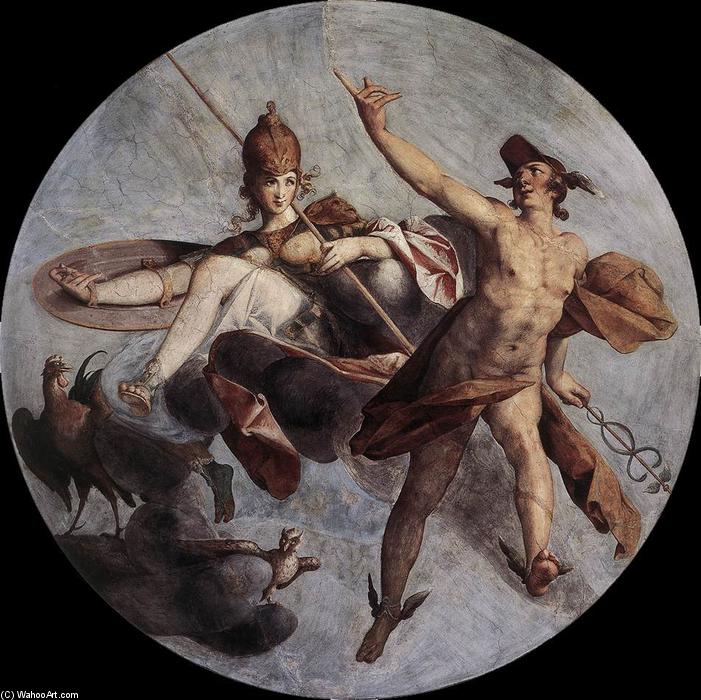
Hermes and Athena


 Читать далее
Приобретите цифровое изображение высокого разрешения в улучшенном качестве, которое значительно превосходит онлайн-превью.
Каждый файл тщательно подготавливается нашими специалистами с использованием передовых инструментов и экспертной ручной ретуши. Мы гарантируем исключительную четкость, точную цветопередачу и детальную проработку каждого изображения.
Финальный файл доставляется по электронной почте в течение 72 часов и оптимизирован для немедленного использования в профессиональной среде, при верстке и печати. Это тот же уровень качества, которому доверяют ведущие дизайнерские студии, издательства и галереи.
Цифровое изображение
Скачайте файл высокого разрешения для личного использования, печати и творческих проектов. ( Перейти к печати Купить картину ручной работы)
Включено в каждый заказ цифровых изображений
Гарантия экспертной цифровой доставки
Выбирая ArtsDot.com, вы получаете не просто изображение — вы приобретаете профессионально обработанное цифровое произведение искусства, созданное с безупречной точностью и под защитой гарантии качества. Вот всё, что автоматически входит в ваш заказ:

Мгновенная доставка по e-mail
Ваш цифровой файл в высоком разрешении будет отправлен вам по электронной почте в течение 72 часов после оформления заказа — и сразу станет доступен для использования.

Цифровой файл с ИИ-улучшением
Ваше произведение искусства проходит профессиональную оптимизацию с использованием передовых инструментов ИИ и ручной обработки, что гарантирует максимальную детализацию, четкость и точность цветопередачи.

Бессрочная бесплатная повторная доставка
Случайно удалили или потеряли файл? Не беспокойтесь — мы отправим его вам повторно в любое время и совершенно бесплатно.

Без импортных пошлин — навсегда
Наслаждайтесь вашим произведением искусства мгновенно без таможенных пошлин, сборов или затрат на доставку — цифровые загрузки всегда не облагаются налогом.

Гарантия точности цветопередачи
Мы гарантируем, что ваше цифровое изображение максимально точно передает оригинальные цвета благодаря использованию профессиональных инструментов и систем управления цветом.

Гарантия удовлетворенности 100 дней
Если вы не будете удовлетворены своим цифровым изображением, мы внесем правки или вернем 100% стоимости в течение 100 дней — без лишних вопросов.

100% Гарантия возврата средств
Не удовлетворены покупкой? Получите полный возврат средств в течение 100 дней после получения цифрового файла — без лишних вопросов.

Скидки на оптовые заказы
Купите 3 изображения, сэкономьте 10% — Купите 5, сэкономьте 15% — Купите 10+, сэкономьте 20%. Отличное решение для творческих проектов, галерей и агентств.
Hermes and Athena: A Masterpiece of Mannerist Elegance
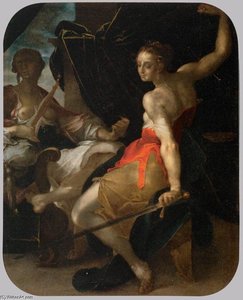
Bartholomeus Spranger’s “Hermes and Athena,” completed in 1585, transcends mere depiction; it embodies the very spirit of Northern Mannerism—a movement that prioritized psychological depth and stylized beauty over realistic representation. Housed within the opulent Castle of Prague, this fresco painting stands as a testament to Spranger's unparalleled skill in capturing the dramatic tension inherent in classical mythology. More than just an image, it’s a carefully constructed narrative designed to provoke contemplation and admiration.The Style and Composition: Mannerist Drama
Spranger’s approach aligns perfectly with the tenets of Mannerism, rejecting the Renaissance obsession with idealized forms for a deliberately unsettling aesthetic. Figures are elongated, poses exaggerated—a conscious departure from the harmonious proportions favored by earlier artists. The artist employs dramatic lighting – stark contrasts between light and shadow – to sculpt the musculature of Hermes and Athena, creating an illusion of palpable physicality. This technique isn’t merely decorative; it serves to heighten emotional impact, conveying a sense of urgency and grandeur that elevates the scene beyond simple storytelling. The composition itself is meticulously balanced, guiding the viewer's eye across the canvas with calculated precision.A Mythological Encounter: Symbolism Richly Layered
The painting depicts Hermes, messenger god, confronting Athena, goddess of wisdom—a clash of intellect and divine power rendered with exquisite detail. Hermes’s outstretched hand points upwards towards Athena, symbolizing his desire for guidance or perhaps a challenge to her authority. The inclusion of two birds perched on a branch is laden with symbolic significance; they represent freedom and the omnipresent gaze of the gods, reinforcing the overarching theme of celestial influence. Equally compelling is the coiled snake encircling Hermes’s staff—a potent emblem of healing and medicine, subtly hinting at Athena's role as protector of crafts and knowledge. The sandals worn by Hermes are not merely footwear; they represent his swiftness and agility, mirroring his divine mission.Historical Context: Prague’s Artistic Patronage
The fresco’s creation coincided with a period of significant artistic patronage in Prague under Rudolf II—a Habsburg monarch known for his fascination with alchemy and esoteric arts. Spranger's commission reflects this cultural climate, demonstrating the desire to elevate art beyond mere imitation of nature toward conveying profound philosophical ideas. The painting’s placement within the Castle of Prague underscores its importance as a symbol of royal prestige and intellectual aspiration.Beyond Representation: Emotional Resonance
“Hermes and Athena” isn’t simply about portraying mythological figures; it's about capturing their psychological states—the tension between ambition and humility, intellect and instinct. Spranger achieves this feat through masterful use of color and texture, creating an immersive experience for the viewer. The painting invites us to contemplate questions of divine influence, human aspiration, and the pursuit of wisdom—themes that continue to resonate with audiences today. It remains a stunning example of Mannerist artistry, demonstrating Spranger’s ability to transform classical mythology into a timeless expression of beauty and emotion.Похожие произведения

Биография художника
Bartholomeus Spranger: The Court Painter of Eroticism and Majesty
Bartholomäus Spranger (1546-1611), a name that resonates through the halls of Northern Mannerism, was more than just a painter; he was a pivotal figure in shaping artistic sensibilities during his time. Born in Antwerp, the son of a merchant with extensive travels, Spranger’s early life hinted at a future steeped in art and foreign influences. His initial training under Jan Mandijn, Frans Mostaert, and Cornelis van Dalem provided him with a solid foundation in landscape painting – a surprising starting point for an artist who would later become renowned for his intensely sensual depictions of the nude. However, it was his sojourn to Paris in 1565, working within the studio of Marc Duval, that truly ignited his artistic trajectory, exposing him to new techniques and perspectives.Early Influences and Italian Journeys
Spranger’s artistic development wasn't confined to the Netherlands. He diligently copied prints by Frans Floris and Parmigianino, absorbing their elegant lines and sophisticated compositions. Crucially, his travels extended into Italy, where he spent eight months in Milan and three months in Parma, assisting Bernardino Gatti on the ambitious fresco project for the dome of Santa Maria della Steccata. This experience offered invaluable insight into large-scale painting techniques and exposed him to the vibrant artistic scene of Renaissance Italy. His time in Rome proved particularly formative, establishing a connection with Giulio Clovio, a renowned mannerist painter and designer, who became his protégé. It was here that he encountered Karel van Mander, whose *Schilder-boeck* would later provide a detailed account of Spranger’s life and work – a testament to the artist's significance within the artistic community.The Imperial Court of Prague
Spranger’s career truly ascended when he was appointed court painter to Pope Pius V in 1570. However, his most enduring legacy lies in his service to the Holy Roman Emperor Rudolf II, a passionate collector of art and esoteric knowledge. Rudolf's relocation of the imperial court to Prague in 1581 marked a turning point for Spranger. The emperor’s fascination with classical antiquity, mythology, and alchemy profoundly influenced the artist’s work. Spranger responded directly to these preferences, creating a body of paintings dominated by exquisitely rendered nude figures – often seen from behind, conveying an aura of mystery and sensuality. These weren't merely decorative studies; they were carefully constructed allegories reflecting Rudolf II’s philosophical leanings and his desire to project an image of power and sophistication.Style and Technique: Northern Mannerism at its Peak
Spranger’s style is a quintessential example of Northern Mannerism, characterized by elongated figures, complex poses, and a deliberate emphasis on elegance and refinement. His paintings are distinguished by their smooth modeling, meticulous detail, and a subtle use of color. He skillfully blended Netherlandish realism with Italian mannerist influences, particularly the Roman tradition of depicting classical mythology. His drawings, in particular, possess remarkable energy and freedom – a testament to his masterful draftsmanship. Spranger’s work is notable for its dynamism, achieved through carefully orchestrated diagonals and a sense of movement within each composition. The influence of his earlier training in landscape painting can be seen in the atmospheric backgrounds he often employed, adding depth and context to his figures.Legacy and Influence
Bartholomeus Spranger’s impact on European art is considerable. His paintings, particularly those housed in Vienna's Kunsthistorisches Museum, represent a pinnacle of Northern Mannerism. His work served as an inspiration for subsequent generations of artists, including the Dutch Republic, where his style was widely disseminated through prints and by artists who had worked with him. The meticulous detail and sensual appeal of his nudes continue to captivate viewers today, solidifying Spranger’s place as a master of his craft and a significant figure in the history of Western art. His story is one of artistic evolution, shaped by diverse influences and ultimately defined by his unique vision—a vision that seamlessly blended eroticism, allegory, and imperial grandeur.
bartholomeus spranger
1546 - 1611
Основные сведения
- Artistic Movement Or Style: Northern Mannerism
- Artists Or Movements Influenced By This Artist: ['Karel van Mander']
- Artists Who Influenced This Artist:
- Cornelis van Dalem
- Frans Mostaert
- Date Of Birth: March 21, 1546
- Date Of Death: June 27, 1611
- Full Name: Bartholomeus Spranger
- Nationality: Flemish
- Notable Artworks:
- Hermes and Athena
- Allegorie de la Justice
- Place Of Birth: Antwerp, Belgium